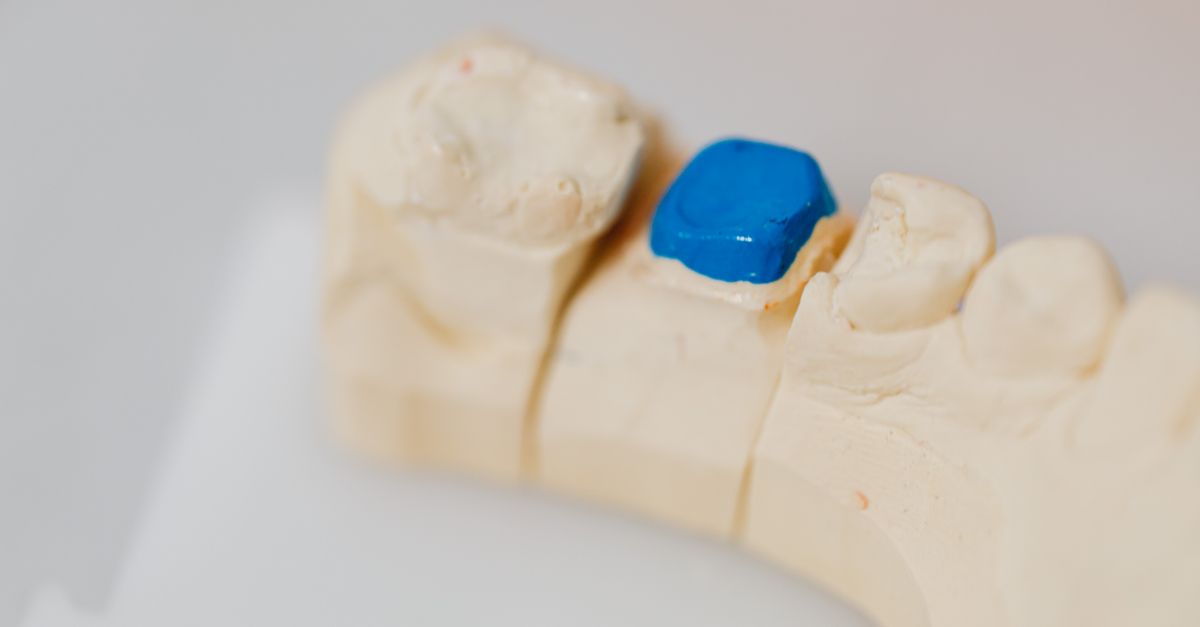
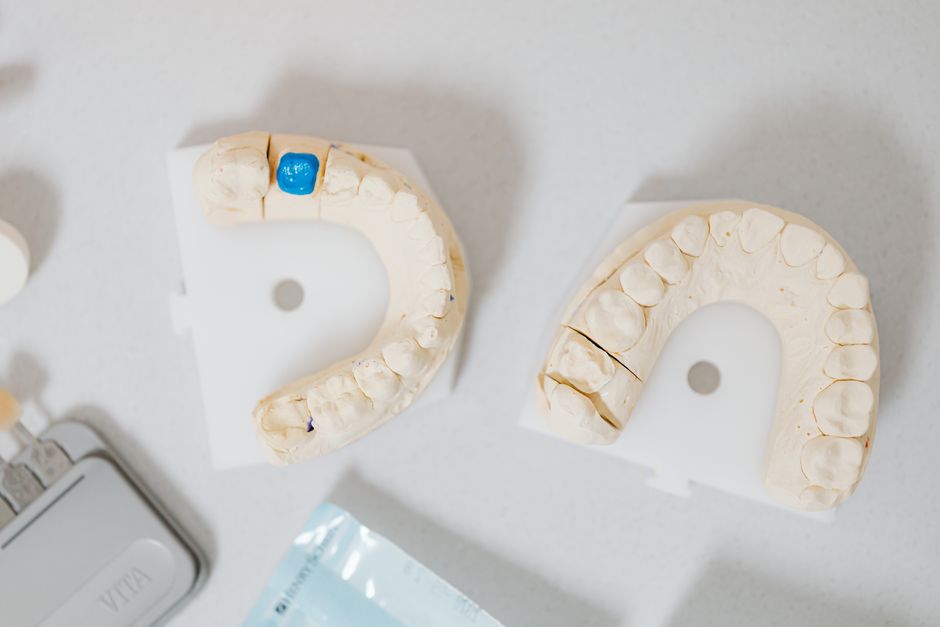
Many adults in Montreal will, at some point, hear from their dentist that an old dental filling may need to be replaced with a crown. This decision can feel sudden, but it is guided by clear clinical principles focused on protecting your long-term oral health. Understanding the reasons behind this recommendation, and what the process entails, helps you make confident choices about your care and investment.
At Centre Dentaire Blanc, our team relies on detailed examinations, advanced imaging, and transparent communication to determine when a crown is advised instead of a new filling. We always aim for minimally invasive, cost-effective solutions, and support our recommendations with visual evidence and careful explanation.
Definition: Filling Versus Crown
A filling repairs a localized area of tooth decay or fracture by replacing missing tooth structure. Modern fillings are typically resin composites designed to blend in with the natural tooth, though some older fillings may be metal amalgam. A crown is a custom-made cap that covers the entire visible portion of the tooth, reinforcing it against fracture and restoring its shape, size, and function.
Direct: When Do Dentists Recommend Replacing a Filling With a Crown?
The main reasons dentists suggest replacing an old filling with a crown include:
- The existing filling is so large that there is not enough healthy tooth structure left to hold a new filling securely.
- The tooth has developed cracks, fractures, or recurrent decay that make refilling unreliable or risky.
- The tooth has had multiple fillings over the years and is now significantly weakened.
- The tooth has undergone root canal treatment, which makes it more brittle and vulnerable to breaking.
- Old metal (amalgam) fillings have caused cosmetic concerns or contributed to microfractures.
Dentists frequently use the guideline that if a filling covers more than about 50 percent of the tooth’s biting surface, a crown usually gives better long-term protection against fracture.
Detailed Criteria for Choosing a Crown Over a New Filling
1. Amount of Remaining Healthy Tooth
If less than half of the visible tooth (the occlusal surface) remains as natural enamel, a new filling is likely to fail under biting force. Crowns cover and protect thin or fragile tooth edges, reducing the risk of catastrophic fracture.
2. Evidence of Cracks, Wear, or Recurrent Decay
- Visual or X-ray evidence of cracks radiating from the old filling.
- Soft tooth structure, indicating hidden decay under or around the filling.
- Parts of the filling or surrounding tooth breaking, chipping, or falling out.
In such cases, another filling would be a short-term fix, and a crown is favored for stability.
3. Tooth Function and Location
- Molars (back teeth): Handle the highest bite forces, so a weakly filled molar is at highest risk for fracture. Crowns are more common here.
- Premolars: More nuanced. The decision depends on how much is filled and if cracks are present.
- Front teeth: These can often be restored with fillings unless heavily damaged, cracked, or had root canal treatment, in which case a crown or veneer may be considered.
4. Restoration History
If a tooth has had several fillings over years, especially on multiple surfaces or has been refilled multiple times, cumulative loss of tooth structure becomes the main concern. The risk of fracture increases with each new filling, especially if there are prior failures.
5. Prior Root Canal Treatment
Teeth that have had root canal treatment lose internal blood supply, which can make them more brittle. Crowns are usually recommended for back teeth after a root canal because they prevent split fractures.
How Centre Dentaire Blanc Decides: Our Step-by-Step Approach
- Clinical & Visual Examination: Our dentists inspect with magnification to detect cracks, wear, chip marks, and staining.
- X-ray Analysis: We use digital X-rays and, when needed, CBCT 3D imaging to examine integrity beneath old fillings and check for deeper issues.
- Assessment of Tooth Structure: We measure remaining tooth tissue, filling size, crack depth, and the number of surfaces previously restored.
- Risk/Benefit Discussion: We openly review the pros and cons of a new filling versus a crown, using intraoral photos so you can see the specific areas of concern.
- Patient Preference & Budget: Your input is central. Some patients choose the most conservative option first, while others want a lasting fix even if it means investing in a crown sooner.
What to Expect: The Process of Replacing a Filling With a Crown
- Assessment: Includes a full dental exam, digital X-rays, and photographs of the tooth in question.
- Tooth Preparation: The old filling and any decay are removed. The tooth is gently reshaped (noted as “preparation”) to form a base for the crown.
- Impression or Digital Scan: 3D intraoral scanning is used for accuracy and patient comfort.
- Temporary Crown: If using traditional laboratory-made crowns, a temporary cap is placed for a week or two while the final crown is created.
- Final Crown Placement: The permanent crown is checked for fit and comfort, adjusted if needed, then permanently cemented. In many cases at Centre Dentaire Blanc, CEREC same-day crowns are an option so the permanent crown can be delivered within a single appointment.
Montreal Considerations: Insurance and Technology
- Insurance: Most Quebec dental plans cover 50–80 percent of restorative services depending on the procedure. Fillings are usually considered “basic” while crowns are “major” services and may have annual or lifetime limits. The Centre Dentaire Blanc staff helps patients clarify insurance coverage and, when possible, seeks pre-authorization before treatment.
- Advanced Technology: Our Saint Henri and Saint Laurent clinics employ digital intraoral scanners, microscopes for crack detection, and CEREC same-day technology for eligible cases. This minimizes unnecessary extra treatment and ensures a precise, strong restoration.
Best Practices to Protect Teeth With Large Fillings
- Book regular dental exams and X-rays to detect new issues early, when a small filling may suffice.
- Follow your dentist’s schedule for professional cleaning (typically 1–3 times per year, depending on your risk profile).
- Wear a custom night guard if you grind or clench your teeth to reduce fracture risks in restored teeth.
- Use prescription-strength fluoride if recommended to help reinforce areas next to fillings.
- Be mindful of chewing very hard foods with teeth that have large fillings.
When to Seek an Exam for an Old Filling
Book a dental evaluation if you notice:
- Sharp pain or a “crack” sensation when biting
- Increased cold, heat, or sweet sensitivity in a tooth that was previously comfortable
- A portion of a filling or tooth breaking off
- Rough, sharp edges around an old filling
- Food always catching between your teeth in a previously filled area
Prompt evaluation can mean the difference between a small repair and needing a crown or extraction later on.
Questions to Ask Before Approving a Crown
- What percent of my tooth is filling versus natural tooth?
- Is there clear damage or decay, or is this a preventive recommendation?
- Will waiting put my tooth at risk of sudden fracture?
- Can you show me the problem with a camera or X-ray?
Transparency and clear explanation are core values at Centre Dentaire Blanc, and we encourage these discussions at every appointment.
Related Topics
Frequently Asked Questions
What makes a crown more protective than a large filling?
A crown wraps the tooth’s entire visible surface, holding thin or weakened tooth edges together. Large fillings only replace what is missing, not strengthening thin outer walls. Crowns reduce risk of deep cracks and catastrophic fractures.
Is age alone a reason to replace a filling with a crown?
No, age alone is not a reason. Replacement is needed if the filling is failing, there are new cracks, or there is no longer enough healthy tooth to support another filling.
Do all teeth with root canals need crowns?
Molars almost always require crowns after root canal treatment for strength, while some front teeth may be restored with fillings or veneers if enough enamel remains.
Will my dental insurance cover a crown if my filling has failed?
Most plans cover a percentage of crown costs according to their schedule. Centre Dentaire Blanc staff can submit a pre-treatment estimate to your insurer, so you know your coverage in advance.
How can digital technology help with crowns?
Digital scanning provides sharper tooth models and better fit for crowns. Same-day CEREC crowns use this technology for rapid, precise in-clinic fabrication.
When should I get my old filling checked?
If you experience pain when biting, visible cracks, breakage, or changes in how your tooth feels, arrange an exam as soon as possible.
Conclusion: Local Expertise for Lasting Restorations
For Montreal patients, choosing when to replace an old filling with a crown is a significant decision that affects both your comfort and your tooth’s longevity. At Centre Dentaire Blanc, we provide detailed assessments, visual evidence, and honest guidance every step of the way. If you need a second opinion or want to understand your options for a failing filling, we invite you to book an exam or consultation at one of our clinics in Saint Henri or Saint Laurent. Your oral health and confidence are always our top priorities.