


If you’re facing a cracked tooth, the right treatment can mean the difference between saving your natural tooth and needing a replacement. Cracked teeth do not heal on their own, and making a timely, informed decision is crucial. The main options—filling, crown, or extraction—are chosen based on the depth, location, and severity of the crack, as well as the overall health of the tooth and gums. At Centre Dentaire Blanc in Montreal, we use advanced technologies and a team-based approach to determine the best course of action for every patient.
Our clinics see cracked teeth in many forms, from tiny enamel fractures that are barely visible, to deep cracks threatening the tooth’s survival. Early, precise treatment maximizes the chances of preserving your natural tooth structure and avoiding complications like infection or tooth loss.
A cracked tooth is a tooth that has developed a visible or microscopic fracture, which can extend through the enamel, into the dentin, or even reach the pulp (the nerve inside the tooth). Unlike a chipped tooth which may only affect a small corner, cracked teeth can undermine the structural integrity and comfort of your bite. Left untreated, cracks allow bacteria to enter, leading to pain, and potentially, infection or tooth loss.
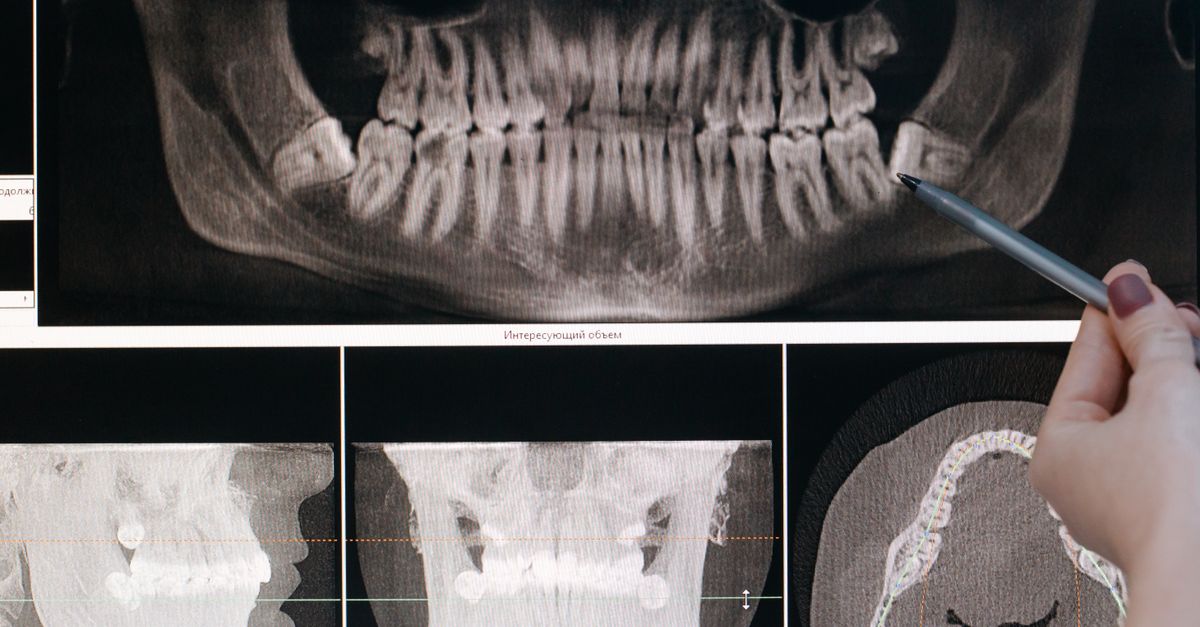
Our evaluation goes beyond what is visible. We use operating microscopes, digital X-rays (including CBCT 3D scans), and intraoral scanners to precisely locate and assess dental cracks. This approach allows us to understand if the crack is confined to the enamel or if it threatens the tooth’s core structures.
Assessment is always individualized, with decisions made according to the patient’s needs and the best available evidence.
The three main treatment approaches are:
If a crack is caught early and is limited to the enamel or outer dentin, a carefully placed filling (composite bonding) may be all that is needed. At Centre Dentaire Blanc, we use modern, tooth-colored composites to bond the affected area. The process includes:
This approach works when the tooth’s integrity is essentially preserved and there is no pain when biting. If the cracked area is broader or involves a biting cusp, fillings may not provide sufficient long-term protection.
Crowns are advised when the crack compromises the tooth’s strength or involves a substantial portion of its structure. A crown acts as a cap, covering and protecting the tooth from further stress and breakage. At our clinics, we favor minimally invasive preparation and the use of CEREC technology for same-day crowns whenever possible.
Our CEREC system lets us take digital impressions, design, and mill your crown in-house—often on the same day—minimizing inconvenience and maximizing the strength and longevity of the repair. This method is especially well-suited for patients in Montreal seeking fast, high-quality restorative care.

Unfortunately, not all cracked teeth can be saved. Extraction becomes necessary when:
In such cases, planning for a replacement—such as a dental implant or bridge—is essential to preserve your health, function, and smile. Centre Dentaire Blanc specializes in dental implants and can efficiently transition from extraction to restoration, minimizing time without a functioning tooth.
Our team, mentored by Dr. Gabriel Iorgovan, prides itself on clarity and patient-centered care throughout the process.
| Case Scenario | Recommended Option | Reason |
|---|---|---|
| Small, surface crack, minimal symptoms | Filling (Bonding) | Preserves most natural tooth structure |
| Cusp fracture or large area compromised | Crown | Stabilizes tooth and prevents further breakage |
| Deep crack below gum or into the root | Extraction (with implant or bridge) | No feasible way to restore and protect long-term health |
Yes, for many cases. Small cracks can be treated with a filling in a single appointment. With our CEREC technology, most crowns can also be completed in one day, reducing disruption and wait times for Montreal residents.
No. Most cracked teeth can be saved with fillings or crowns, especially if treated early. Extraction is a last resort if the tooth is not salvageable or infection has set in. For more on when a tooth may require extraction, see our in-depth guide on removals and implants.
Most private dental insurance plans in Quebec cover a portion of treatment. Coverage for fillings, crowns, or implants is typically 50-80% based on the ACDQ fee guide. We always provide estimates and guidance on your plan at Centre Dentaire Blanc.
Absolutely. Waiting can result in the crack worsening, infection, tooth loss, or limiting your treatment choices to extraction only. Early intervention preserves your options and long-term oral health.
Call our St-Henri location at (514) 933-3368 or our Jean Talon/Saint-Laurent location at (514) 564-4554. Or use our online appointment form for quick scheduling.
Cracked teeth require prompt, expert attention for the best chance of saving your natural smile. Fillings offer a reliable solution for smaller, shallow cracks. Larger or more complicated cracks often require a crown for stability, and only severely compromised teeth require extraction, ideally followed by a durable implant. The team at Centre Dentaire Blanc brings deep experience, modern diagnostic tools, and patient-centered care to every cracked tooth assessment in Montreal.
If you are in Montreal, Westmount, TMR, Hampstead, Saint-Laurent, or surrounding neighborhoods and suspect a cracked tooth, book your evaluation or learn more about our restorative and implant services. Taking action quickly can safeguard your oral health for years to come.