


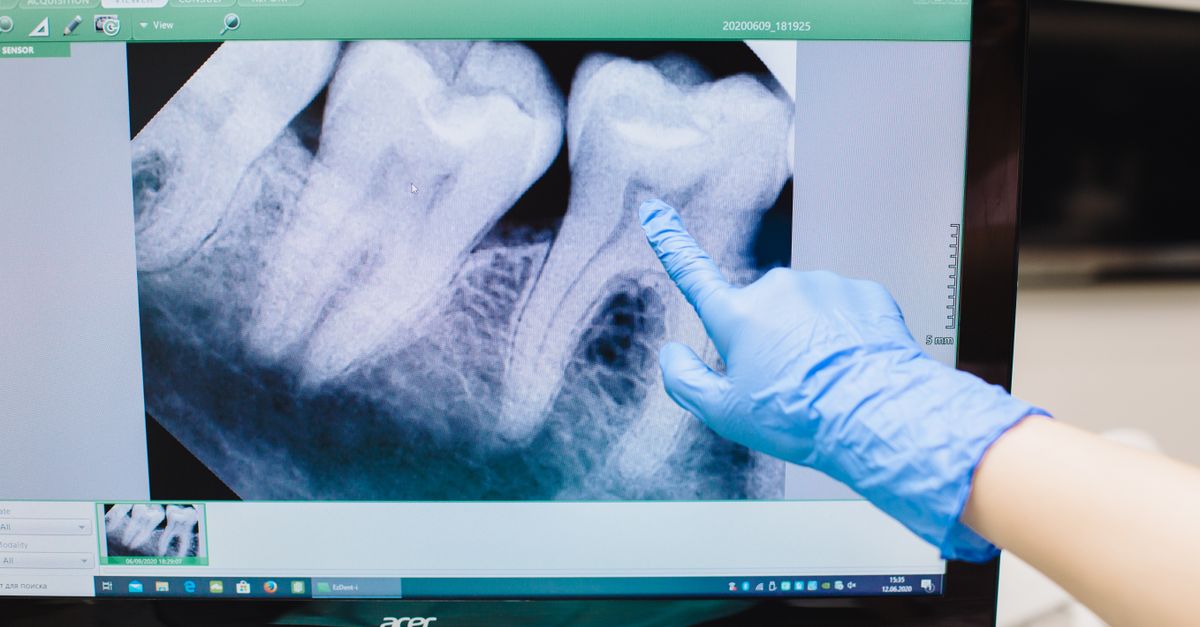
For patients with a previously treated tooth that becomes symptomatic or shows signs of persistent infection, the main clinical choices are often root canal retreatment or apicoectomy. Root canal retreatment is generally considered when the source of the problem is within the internal canal system, while apicoectomy—a surgical procedure targeting the root tip—is typically reserved for instances when conventional retreatment is not feasible or has already failed. At Blanc Dental Center in Montreal, our experienced team takes a comprehensive, evidence-based approach to determine which option is most appropriate for saving your natural tooth and ensuring your long-term oral health.
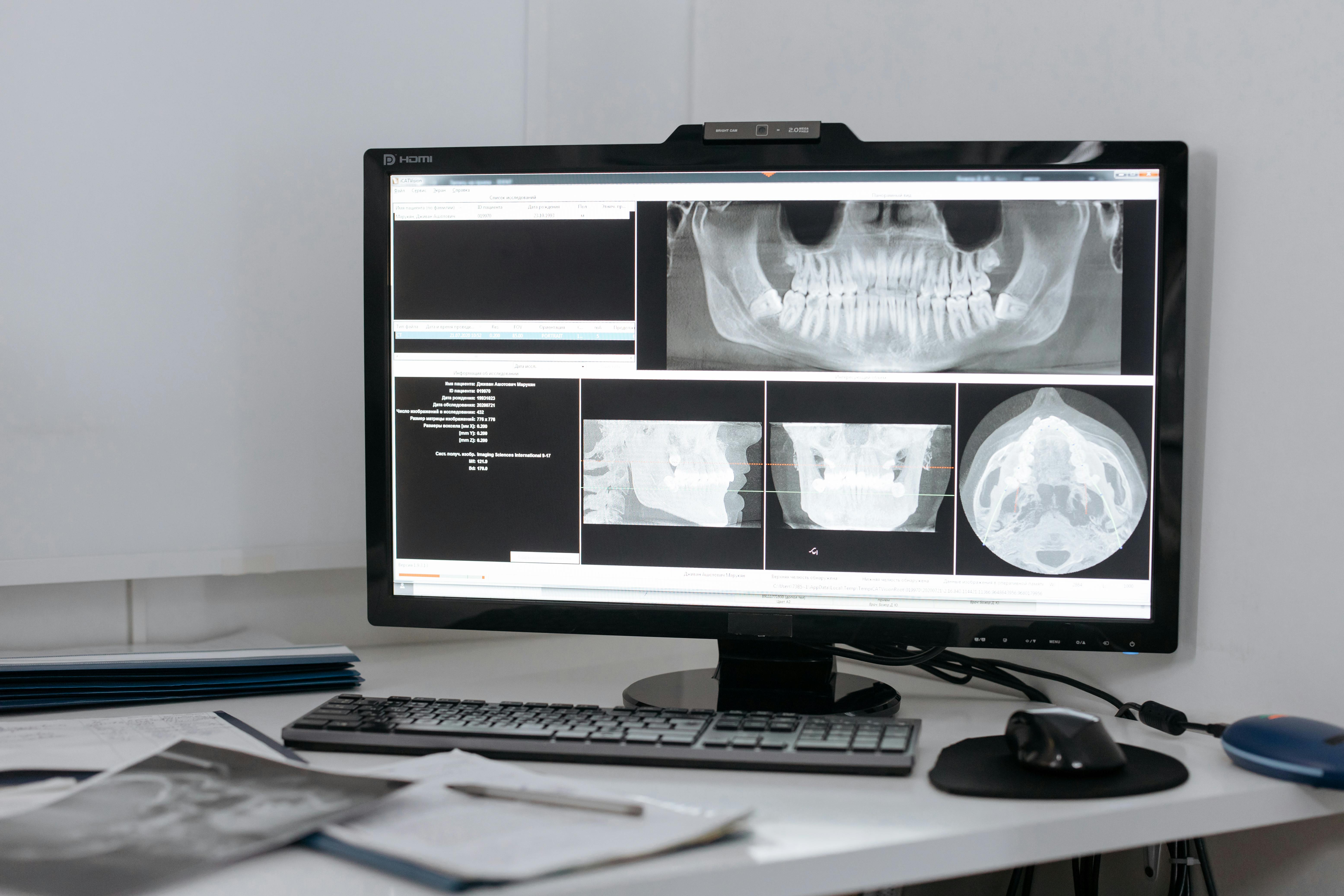
Early and accurate diagnosis is essential. If you notice recurring pain, swelling, or a gum bump near a tooth with a prior root canal, it is important to seek prompt evaluation. We combine clinical expertise with advanced diagnostics—including digital X-rays, CBCT 3D imaging, and careful clinical assessment—to guide patients through the decision-making process.

Retreatment is often recommended as the first approach if:
This approach attempts to correct the internal cause. At Blanc Dental Center, our dentists use enhanced visualization such as operating microscopes and digital imaging to identify complex root canal systems and ensure thorough cleaning and sealing. Learn more about when a crown is often recommended after root canal.
An apicoectomy is generally considered in these situations:
This procedure removes only the infected part outside the tooth, without reopening or removing existing crowns or posts unless absolutely needed.
| Factor | Root Canal Retreatment | Apicoectomy |
|---|---|---|
| Main purpose | Re-clean and reseal the internal canal system | Remove infected root tip and surrounding tissue |
| Best for | Persistent internal infection, missed canals, leakage, new decay | Persistent apical infection despite retreatment, blocked access, complex anatomy |
| Limitations | Not feasible with root fracture or severe structural loss | Does not address problems along the full root canal length if source is internal |
| Approach | Non-surgical, performed internally | Surgical, performed through the gum |
Sometimes, structural issues such as vertical root fracture, severely shortened root, or insufficient residual tooth make both retreatment and apicoectomy unreliable. In those cases, extraction followed by replacement options like dental implants may be more predictable for long-term results. If you are considering future implant solutions, our team at Blanc Dental Center coordinates both endodontic and implant planning under one roof in Montreal—see also our discussion on dental implant components and comprehensive implant planning.

It is possible to retreat a root canal more than once, but the success rate typically drops after the first retreatment. If prior retreatments have not resolved the issue, apicoectomy or extraction may be more appropriate.
Not necessarily. Retreatment is usually the preferred first option, as it addresses infection within the full canal system. Apicoectomy is considered when retreatment is not possible or not successful.
Persistent pain, swelling, tenderness when biting, visible gum nodule or bump, sinus tract, or a recurrence of symptoms after an initial root canal all warrant prompt evaluation.
No. If a vertical root fracture or extensive structural damage exists, the prognosis for saving the tooth drops significantly. Replacement options such as dental implants should be considered.
Our team reviews your medical history, performs a detailed clinical and radiographic examination, and discusses all options and their risks before forming a treatment plan. We combine advanced technology with personalized care.
We welcome patients seeking second opinions and offer clear explanations and transparent recommendations based on your unique situation.
When a tooth with a previous root canal shows signs of persistent infection, selecting the best approach—retreatment, apicoectomy, or sometimes extraction and replacement—requires careful expert evaluation. At Blanc Dental Center, our dentists combine advanced imaging, modern endodontic and surgical techniques, and restorative expertise to offer truly comprehensive decision-making and care for Montreal and the surrounding communities. For anyone experiencing ongoing tooth pain or swelling after a root canal, we encourage prompt examination and open discussion about all available options for lasting health and comfort.
To learn more or request a thorough assessment, visit Blanc Dental Center or contact us to schedule a consultation at either of our Montreal clinics.