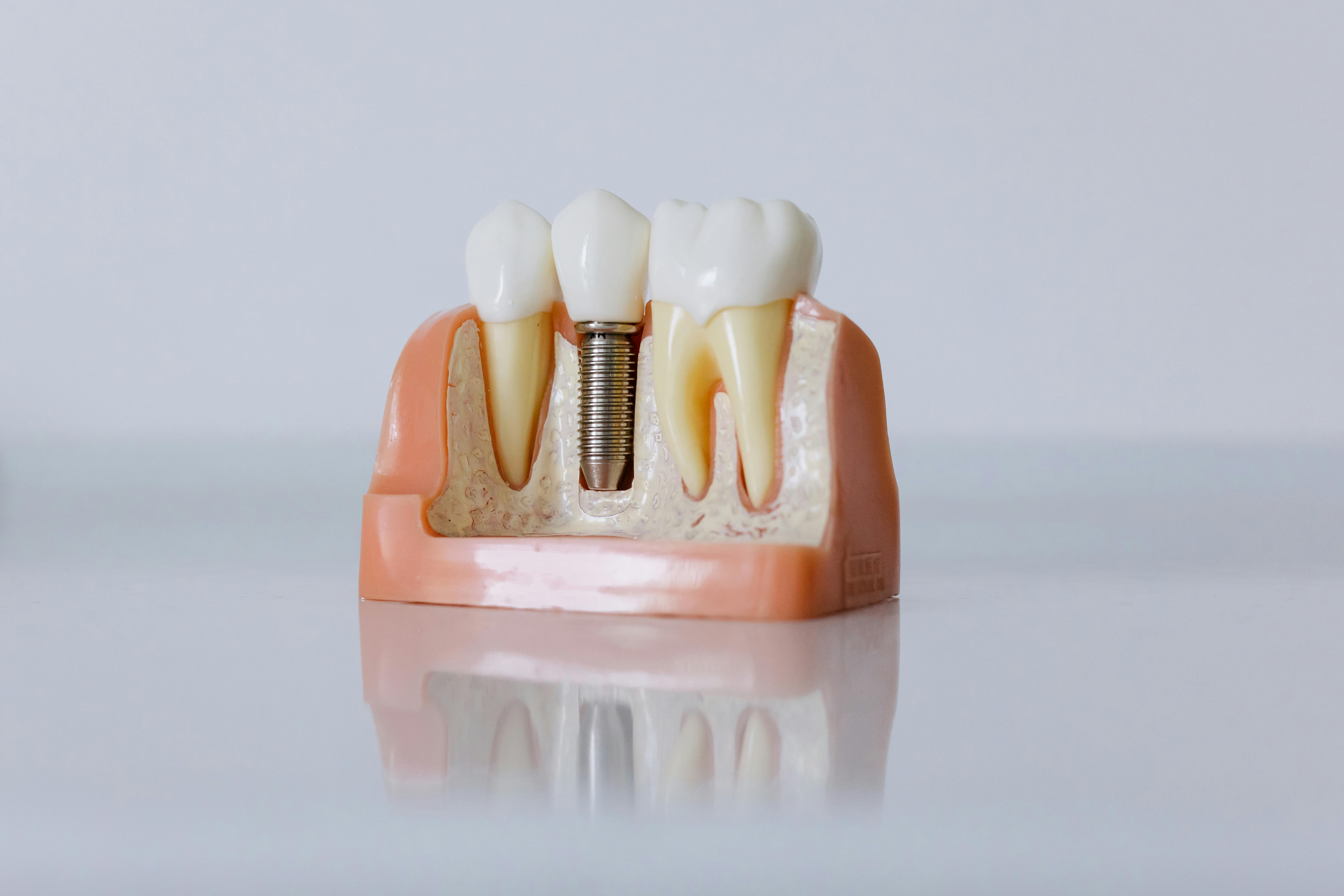
Dental implant pain years after placement is not considered normal and should never be ignored. While most patients expect the healing process to bring some discomfort, any pain that returns or begins several years after your implant surgery is a clear signal that something needs professional evaluation. Persistent or emerging pain can have multiple causes, ranging from inflammation in the tissues (peri-implantitis), to mechanical issues with the implant components, bite problems, or even unrelated conditions affecting the area.
At Blanc Dental Center, we frequently help patients who experience pain around longstanding dental implants. Early assessment is the key: when identified and treated promptly, many causes of late-onset implant pain can be resolved with targeted care, often preserving the implant and maintaining oral health. Whether you were treated at our Montreal clinics or elsewhere, taking action as soon as you notice discomfort remains the best strategy.
Definition: What Is Dental Implant Pain Years Later?
Dental implant pain years after initial healing refers to discomfort, tenderness, or soreness arising well after both the surgical and restorative phases are complete—usually more than 12 months following implant placement. Unlike immediate post-surgical pain (which is expected and temporary), late implant pain can indicate inflammation, infection, or a structural problem in the implant or surrounding tissues. Recognizing the difference is crucial so that care is not delayed.
Common Causes of Implant Pain Years After Surgery
Peri-implantitis: This infection and inflammation of the soft tissue and bone around the implant is the most common late complication. It may be triggered by inconsistent cleaning, previous gum disease, smoking, diabetes, or changes in health.
Loose crown, abutment, or screw: Over time, mechanical components can loosen or wear, causing pain on chewing, a clicking sensation, or the feeling that the restoration moves.
Bite problems or teeth grinding: Bite imbalances or nighttime clenching can place excessive force on an implant that does not flex like a natural tooth, leading to discomfort and potential bone loss over time.
Bone loss around the implant: Gradual loss of supporting bone may make the area feel sensitive or even cause implant mobility, and is often linked to chronic inflammation or overload.
Nerve or tissue irritation: In rare cases, late-onset nerve irritation manifests as tingling, numbness, or burning in the area, lips, or tongue.
Other sources: Pain may originate from a nearby tooth, sinus, or distant issue like generalized jaw tension, not from the implant itself.
Symptoms That Need Prompt Evaluation
Pain that recurs after months or years of being symptom-free
Soreness, swelling, or bleeding in the gum tissue around the implant
Pus, bad taste, or odor near the implant
Looseness of the crown or implant itself
Pain on biting, tapping, or with certain foods
Tingling, numbness, or changes in sensation in the lips, gums, or tongue
Fever or general feeling of being unwell
Step-by-Step: What to Do If Your Implant Hurts Years Later
Contact your dental clinic and describe your symptoms, including when the pain started, triggering factors (chewing, biting, hot/cold foods), and any swelling or bleeding observed.
Avoid chewing hard foods on the affected side until your dentist evaluates the area. This prevents further irritation or damage.
Continue gentle brushing and flossing to reduce bacterial buildup, but avoid using sharp tools or home remedies not recommended by your dentist.
Gather information about recent dental work, medical changes, or habits like grinding or smoking.
Request a thorough clinical evaluation, including X-rays or 3D imaging (such as those available at Blanc Dental Center), which help identify bone changes, component loosening, or hidden infections.
How Dentists Diagnose and Manage Painful Dental Implants
Loose crown or screw: The dentist may tighten, repair, or replace the loose restoration. This is often a straightforward fix when caught early.
Bite adjustment: If occlusal overload or grinding is putting pressure on the implant, a minor adjustment or a night guard may relieve discomfort and protect the implant’s stability.
Peri-implantitis: Treatment ranges from deep cleaning (both above and below the gum) to infection control, with surgical options needed if bone loss is advanced. At Blanc Dental Center, these procedures are tailored for each case, and our advanced technology allows for detailed evaluation and planning.
Advanced bone loss: If the implant has lost too much supporting bone, additional procedures—including bone grafting or implant removal—may be needed to restore oral health. Early intervention improves the odds of saving the implant.
Other disease sources: If another tooth, the sinuses, or clenching is causing pain, the focus shifts to treating the correct source rather than the implant itself.
Best Practices to Prevent Late Implant Pain
Brush and floss daily, ensuring you clean around the implant thoroughly
Yes, although dental implants have high long-term success rates, late failure can occur. The most frequent reasons include chronic peri-implantitis, ongoing bone loss, mechanical complications, or new bite forces. However, not every case of late pain indicates imminent failure; many implants can last for decades with prompt and appropriate intervention. Blanc Dental Center provides advanced monitoring using imaging and expertise in both maintenance and complex retreatment when required.
When to Seek Same-Day or Urgent Care
You should request an immediate appointment at Blanc Dental Center if you experience:
Rapidly increasing pain or swelling
Pus, drainage, or a foul odor from the implant site
Looseness you can feel in the implant or crown
Numbness or tingling of the mouth, gums, lips, or face
Fever, chills, or feeling unwell in combination with oral symptoms
Our clinics in Montreal (4215 Rue Saint-Jacques and 5001 Rue Jean-Talon O) offer same-day emergency visits Monday to Saturday, with free parking available at both locations for patient convenience.
Frequently Asked Questions About Dental Implant Pain Years Later
What should I do if my implant has started hurting after years of being comfortable?
Contact your dentist for a clinical exam and imaging as soon as possible. Early diagnosis helps prevent minor problems from progressing to advanced bone loss or infection.
Is late implant pain always caused by an implant problem?
No. Pain might arise from issues with nearby teeth, inflammation in the soft tissues, sinus problems (especially with upper implants), or even referred pain from jaw muscles or nerves. Proper diagnosis is key.
Can loose implant components cause pain even if the post itself is stable?
Yes. Loose crowns or abutment screws are common causes of late discomfort and often create pain on biting or a sensation of movement, even though the underlying implant remains integrated in bone.
How is peri-implantitis different from simple gum inflammation?
Peri-implantitis involves both inflamed gum tissue (mucositis) and loss of the bone supporting the implant, which can threaten its stability if not treated. Mucositis involves only the soft tissues and typically does not cause bone loss.
What happens if bone loss is detected around my implant?
Treatment depends on the severity. Mild cases may respond to professional cleaning and hygiene adjustments; more advanced bone loss may require surgical intervention. Consistent follow-up at Blanc Dental Center makes early detection much more likely.
Are there any self-care steps I can take until my dental appointment?
Continue gentle brushing and avoid chewing hard foods on the affected side. Do not attempt to tighten or remove any components yourself. Keep your clinic informed about any new or worsening symptoms while waiting for assessment.
How can I reduce the risk of implant pain returning in the future?
Regular professional cleaning, meticulous home care, quitting smoking, managing medical conditions (like diabetes), and promptly addressing any bite problems are your best defenses. Attend all recommended follow-up visits at your dental clinic.
Dental implant pain years after initial treatment should never be ignored, no matter how minor or intermittent it may seem. Most causes can be treated more easily when addressed early, often resulting in long-term implant success. The team at Blanc Dental Center in Montreal is committed to advanced diagnosis, technical excellence, and patient-centered solutions for implant complications. If you or a loved one is experiencing worrisome changes or discomfort around a dental implant, we encourage you to schedule a thorough evaluation and get peace of mind from true experts. Contact us for an appointment at either of our centrally located clinics.