


Dental implants are a long-term investment in your oral health, but their success relies on regular, professional maintenance. The recommended frequency for professionally cleaning dental implants is typically every 3 to 6 months. The exact schedule depends on each patient’s unique risk profile, daily care habits, and the type of dental implant restoration involved. Personalized care is especially important, as certain factors such as a history of gum disease, diabetes, smoking, or complex restorations like All-On-4 can mean a more frequent visit schedule is necessary for optimal results.
At Centre Dentaire Blanc, we work closely with each patient to develop an individualized maintenance plan. Our approach recognizes that implant cleaning needs are not one-size-fits-all. Instead, recall intervals are customized according to gum and bone health, plaque control, restoration type, and your individual risk factors—aligning with the highest standards in modern dentistry.

Professional implant cleaning refers to the specialized hygiene care performed by dental professionals to maintain the health of the tissues surrounding dental implants. This is distinct from routine cleaning for natural teeth because dental implants require implant-safe instruments and protocols to avoid damaging sensitive surfaces and components.
Most implant patients benefit from professional cleaning at intervals of 3 to 6 months. However, recall schedules must be tailored to individual needs. For example:
| Patient Type | Cleaning Interval | Rationale |
|---|---|---|
| Low-risk, single implant | 6 months | Healthy gums, easy access, stable tissue |
| Typical implant patient | 3–6 months | Regular professional oversight |
| Higher risk (gum disease, diabetes, complex restoration) | 3–4 months | Increased monitoring to prevent complications |
| After inflammation or peri-implantitis | 3–6 months | Early detection of recurrence |
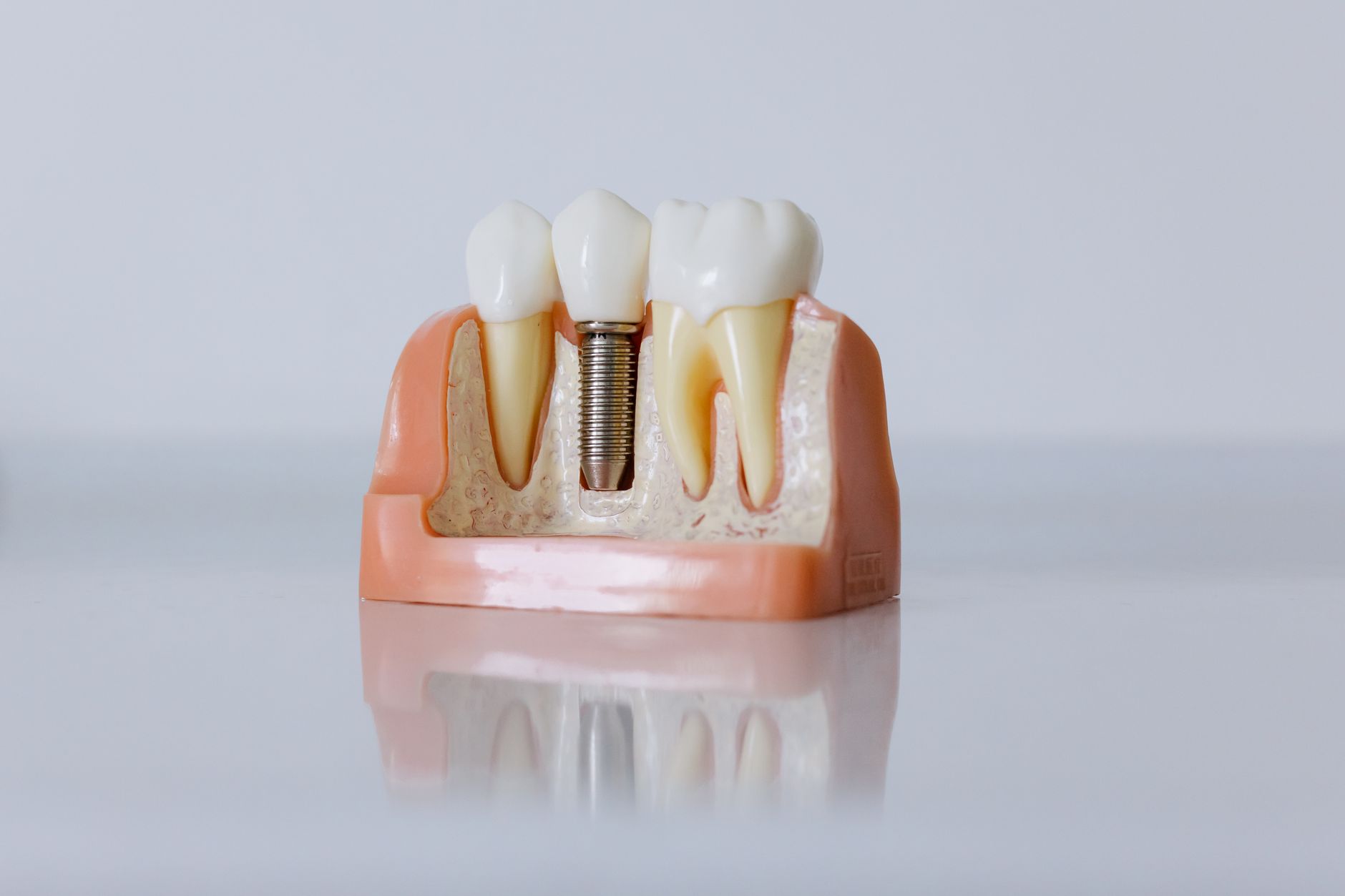
While dental implants themselves cannot get cavities, the gums and bone holding them in place remain vulnerable to inflammation and infection (peri-implant diseases). Problems such as bleeding, bone loss, or soft tissue changes may advance without obvious early symptoms. By the time pain or swelling appears, damage may already be significant. Regular professional evaluation and cleaning allow your dental team to identify warning signs at a reversible stage. We use specialized tools and protocols to gently but thoroughly remove plaque, calculus, and biofilm from around the implant without damaging the prosthesis or underlying structures.
Some patients are at higher risk for implant complications and require shorter recall intervals. You may need more frequent visits (every 3 to 4 months) if you have:
Personalized recall is a pillar of long-term success at Centre Dentaire Blanc, especially for our patients with complex needs such as full-mouth restorations or underlying medical conditions. If you are unsure about your risk, our team will perform a thorough exam and provide clear guidance.
Implant maintenance visits at Centre Dentaire Blanc are comprehensive and meticulous. A typical appointment includes:
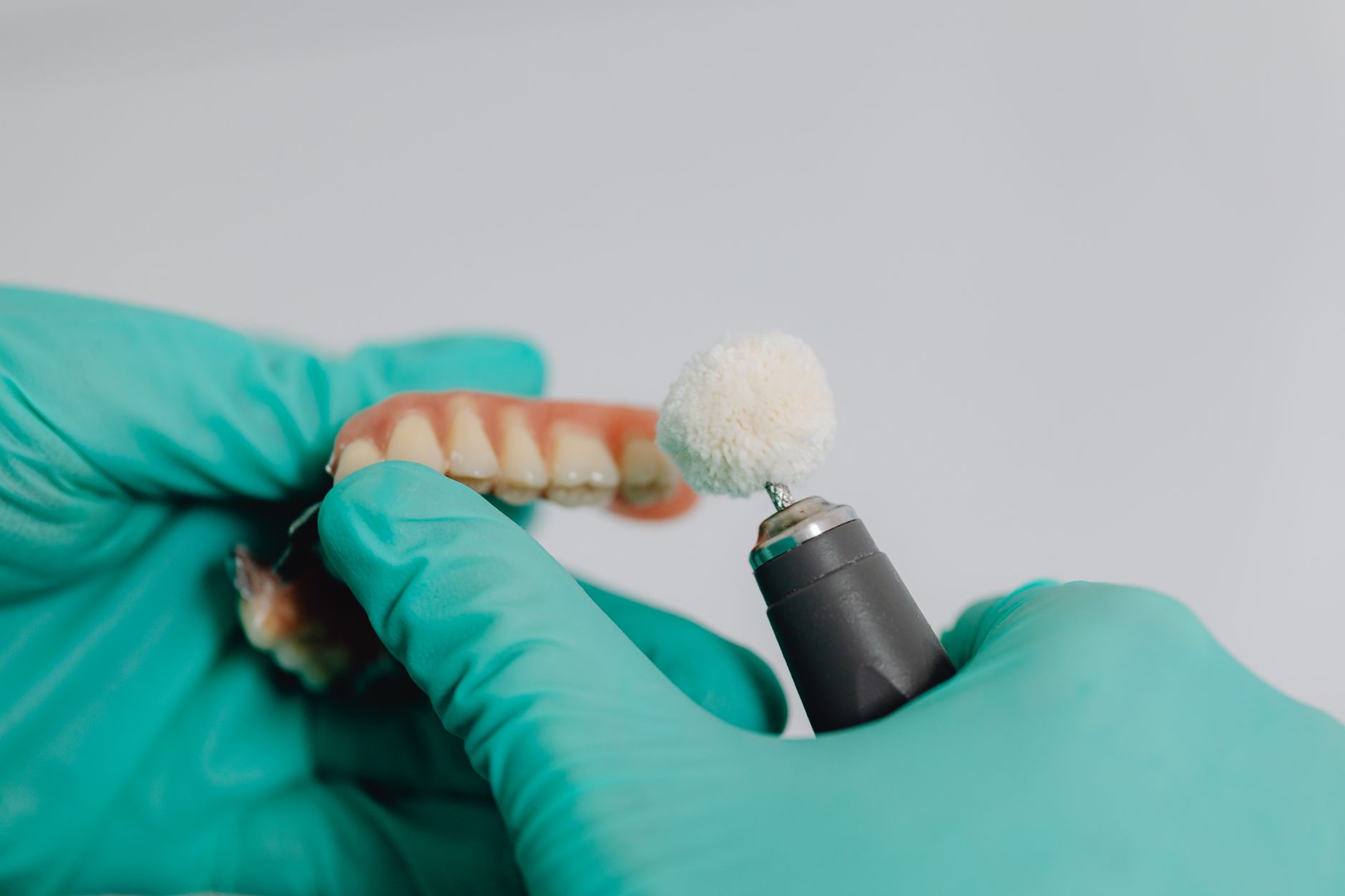
Implant cleanings require unique skills and tools. Metal or abrasive instruments that are safe for natural teeth can scratch the delicate surfaces of implant abutments and crowns. Our hygienists use tailored techniques and equipment designed for implant maintenance, ensuring thorough cleaning and inspection without causing harm. This attention to detail is especially crucial for patients with fixed bridges or full-arch prostheses, where access can be limited.
Patients with complex prosthetics such as All-On-4 or other full-arch solutions are best served by more frequent professional cleaning, often every 3 to 4 months. These restorations can trap plaque and debris in areas that are difficult to reach at home. Regular professional care helps protect both the implants and the long-term health of the surrounding supporting tissues. For those interested in day-to-day care for similar solutions, our post Sleeping, Cleaning, and Daily Routines With Full-Arch Implant Teeth provides further insights.
For step-by-step instructions on at-home implant-supported prosthesis cleaning, see our guide on How to Clean an Implant-Supported Denture at Home.
Early symptoms are often mild but can progress rapidly. Prompt evaluation and professional cleaning minimize the risk of more serious peri-implant diseases.
The Montreal community served by Centre Dentaire Blanc is uniquely diverse, and so are the implant treatments we deliver. Whether you are coming from TMR, Hampstead, Westmount, Côte St Luc, Montreal West, Côte-des-Neiges, or Ville Saint-Laurent, your follow-up schedule should be based on your particular health status and type of implant. Personalized maintenance plans — always a priority at our practice — are even more important for those with a history of gum disease, diabetes, or full-arch restorations.
Regular professional cleaning removes harmful plaque and bacteria, protecting the gum and bone supporting your implant. This helps prevent peri-implantitis and can significantly improve long-term success rates.
Excellent home care is vital, but it does not replace professional maintenance. Some low-risk patients may be seen every 6 months, but most benefit from at least two to four professional cleanings per year, based on individual evaluation.
If you notice bleeding, swelling, pain, or loose components, do not wait for your next cleaning. Book a professional assessment as soon as possible for early treatment.
Full-arch systems (such as All-On-4) require more frequent cleaning because they can trap food and plaque in hard-to-reach areas. They also need professional inspection to ensure screws and attachments remain stable.
Many dental insurance plans cover preventive hygiene and implant maintenance, but policies vary. Our team can assist you in understanding your coverage and scheduling necessary care.
Implant cleaning is usually comfortable. We use gentle, highly controlled instruments, and communicate clearly throughout your care. Tell us if you experience sensitivity so adjustments can be made.
If it has been over 6 months since your last implant cleaning—or if you have noticed any bleeding, swelling, or discomfort around your dental implants—it’s time to schedule a professional evaluation. Higher risk patients are best served by a 3-month recall until stability is achieved. Our recall and appointment process makes it simple to book the right type of visit for your situation.
Proactive, customized maintenance is the most effective protection for your dental implants. At Centre Dentaire Blanc, our expertise in advanced implantology ensures we deliver the highest quality follow-up, whether you have a single implant or a full-arch solution. We invite you to discuss your maintenance schedule with us, and trust that you are receiving care tailored to optimize your implant longevity and oral health.
If you have questions about dental implant cleaning frequency, want a second opinion, or need to book your next implant hygiene appointment in Montreal, contact Centre Dentaire Blanc today. Our experienced team is dedicated to serving your long-term oral health through evidence-based, compassionate care.