


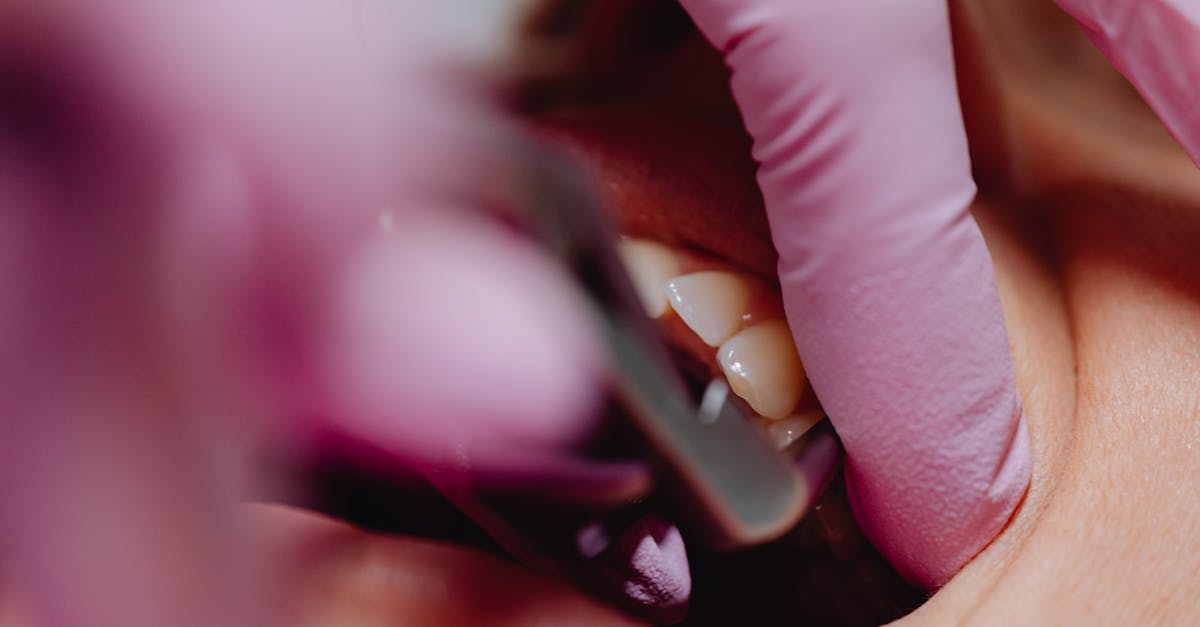
When you visit a dentist in Montreal for restorative or cosmetic treatment—such as dental crowns, bridges, veneers, smile makeovers, or dental implants—your bite must be checked before any work begins. At Centre Dentaire Blanc, this evaluation is an essential part of our treatment planning process. A precise bite analysis is the best way to ensure that new dental work remains comfortable, stable, and long-lasting, while also protecting your jaw joint and other teeth.
Bite checking, also known as occlusal analysis, involves a thorough investigation of how your upper and lower teeth come together. This assessment helps us anticipate and prevent potential problems like fractured crowns, increased tooth wear, jaw discomfort, and premature failure of restorations. By performing this evaluation at Centre Dentaire Blanc, our team of experienced Montreal dentists safeguards every patient’s investment in their smile and oral health.
A bite check is a comprehensive clinical examination that assesses the way your teeth fit together when the jaw moves in various directions. Also called occlusal analysis, it identifies any imbalance, uneven contacts, or misalignment that could threaten the success of restorative or cosmetic dental treatments. We examine tooth wear, joint health, muscle tension, and use tools to measure bite force distribution so that every restoration we place at Centre Dentaire Blanc functions harmoniously within your mouth.
An improper bite (malocclusion) can lead to symptoms such as:
By conducting a detailed bite analysis, our Centre Dentaire Blanc team can design, adjust, or recommend treatments that prevent these complications, resulting in a more comfortable and predictable outcome. This is particularly crucial for complex cases involving dental implants, full-arch rehabilitations, or extensive smile makeovers.
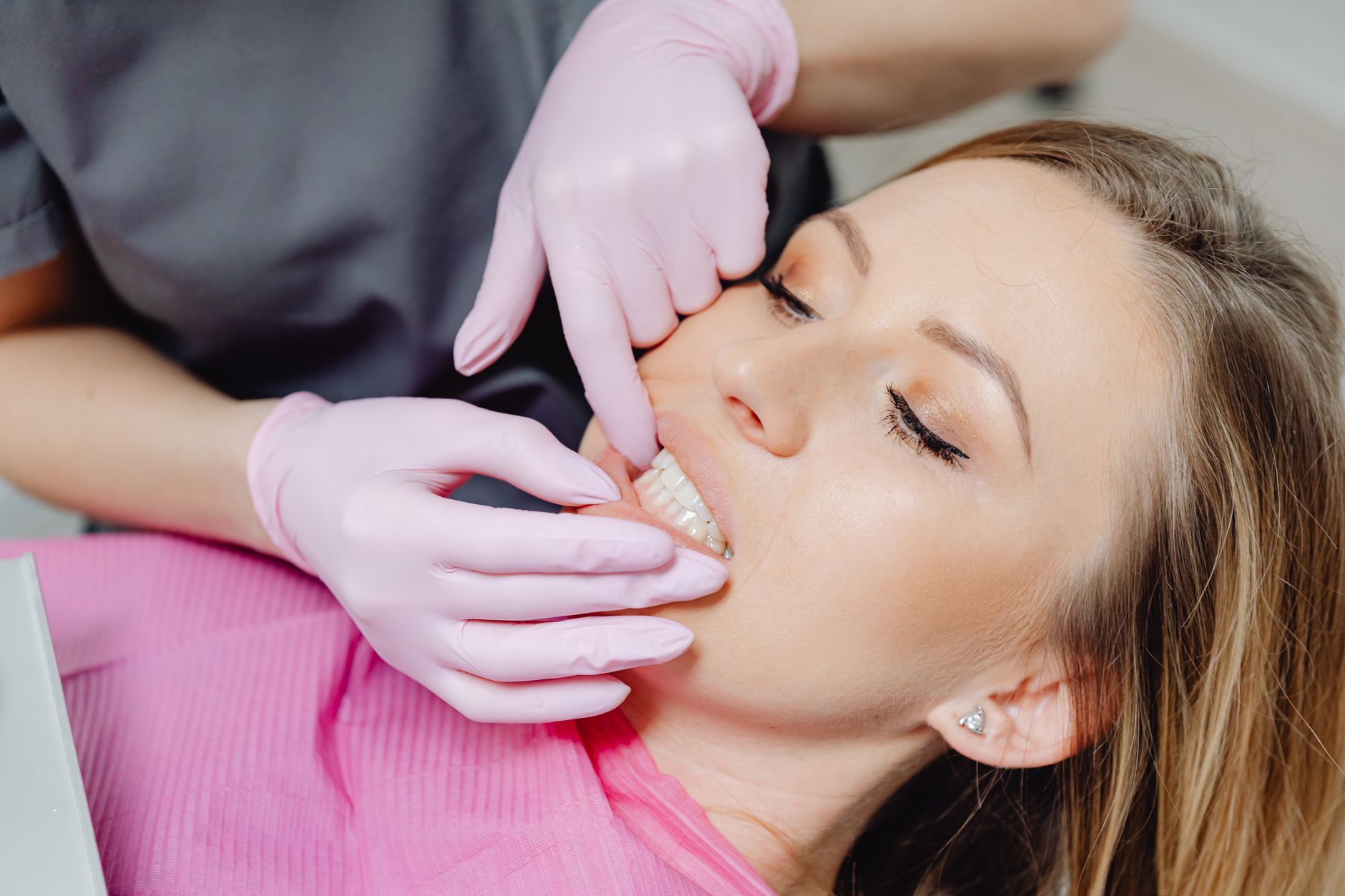
Our Montreal dentists follow a meticulous, multi-step framework for every bite assessment. Here’s what you can expect during your visit:
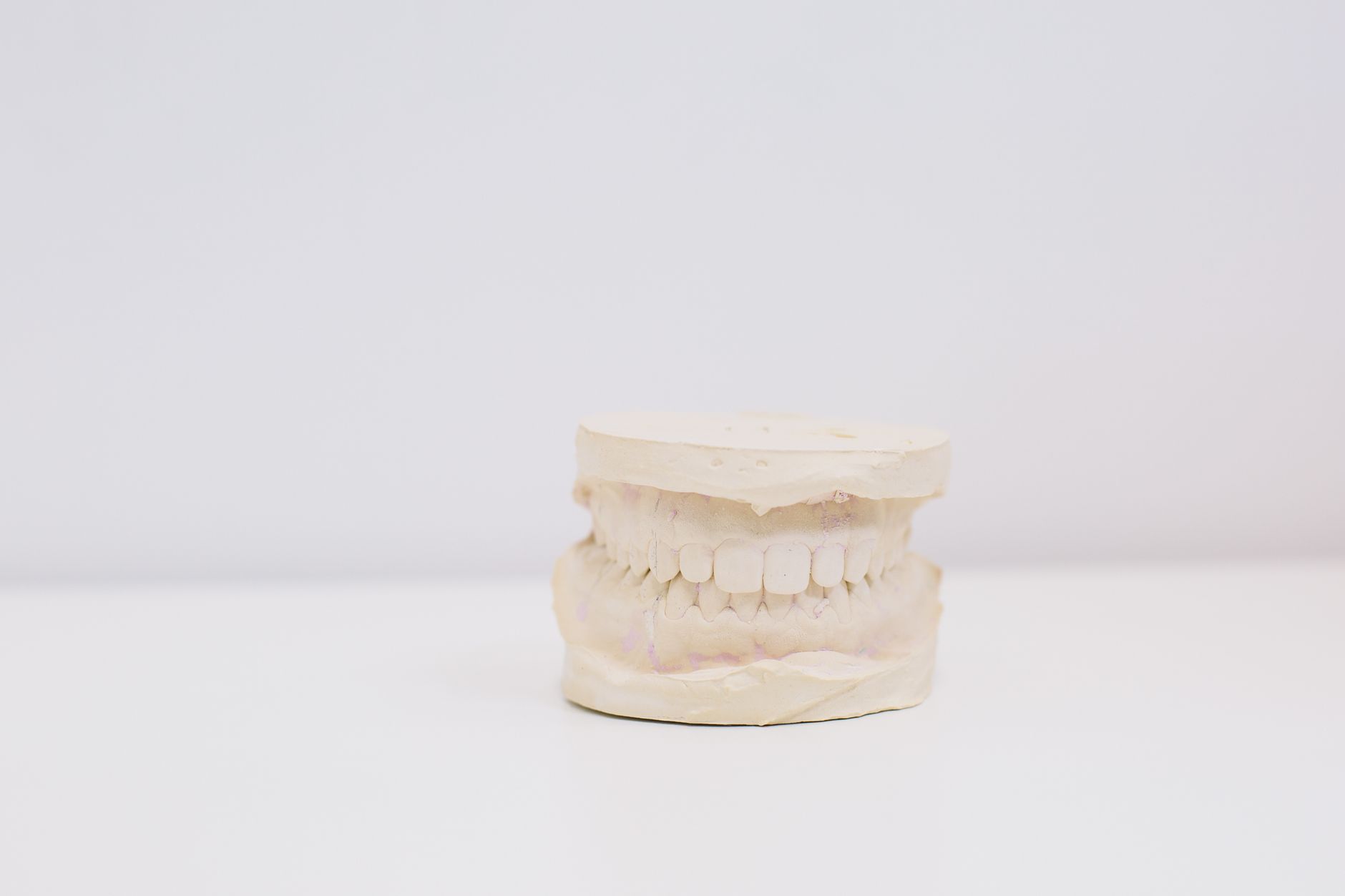
Your dental professional at Centre Dentaire Blanc will specifically evaluate for:
If a dentist does not assess your bite before placing a restoration or cosmetic treatment, you may experience:
At Centre Dentaire Blanc, we see many patients seeking solutions for failed restorations or ongoing discomfort, only to find that the underlying cause was an undiagnosed bite imbalance. Our expertise in restorative and cosmetic dentistry is rooted in this rigorous assessment protocol.
If we discover signs of an imbalanced bite, occlusal adjustment (equilibration) may be recommended. This involves:
This process is painless and supported by ongoing mentorship and advanced technology at Centre Dentaire Blanc, resulting in minimally invasive correction and rapid return to normal function. For more on this, see our detailed guide: What Is Bite Equilibration and When Is It Recommended?
As a Montreal industry leader, our clinics integrate digital 3D scans, AI-driven diagnostic tools (such as DEXIS), and team mentorship to ensure every step is technically precise and tailored to your unique bite. Dr. Gabriel Iorgovan and our team set the standard for restorative and implant dentistry in the region, offering:

At Centre Dentaire Blanc, bite analysis is routinely offered at both our St-Henri and Jean-Talon locations in Montreal, serving not only local residents but also the surrounding communities of Côte-des-Neiges, Saint-Laurent, Westmount, Hampstead, and Montreal West.
A 45-year-old patient from Côte-des-Neiges visited us for a dental bridge. Our clinicians discovered a 2mm jaw slide and excessive wear on back teeth through bite analysis. After precise equilibration and careful adjustment, the final dental bridge fit perfectly, resolving pain and instability that had plagued earlier dental work. Six months later, the restoration remains comfortable and stable—an outcome our team strives to replicate with every patient.
Patients in Montreal and beyond should prioritize clinics showcasing transparent, evidence-based care and a commitment to continuous improvement. Our ongoing teamwork and mentorship at Centre Dentaire Blanc ensure every treatment plan supports not just aesthetics, but whole-mouth function and long-term comfort.
Bite analysis ensures that restorations are placed in harmony with your natural bite, reducing the risk of fracture, instability, or discomfort. Skipping this step can result in failed dental work, TMJ pain, and the need for costly repairs.
If an imbalance or malocclusion is detected, your dentist may recommend equilibration—a gentle procedure to reshape or adjust teeth and restorations for uniform contact. This helps protect your investment and oral comfort.
We combine clinical examination, digital X-rays, 3D scanning, articulating paper, and precision tools like the leaf gauge to evaluate every aspect of your bite. Our protocols draw on advanced training and ongoing mentorship.
Absolutely. You can schedule an occlusal analysis or full dental exam at either of our Montreal clinics. We especially encourage anyone with unexplained pain, prior restoration failure, or jaw symptoms to do so.
In most situations, yes—insurance in Quebec typically covers a portion of diagnostic and preventative procedures. See our FAQs page for more details or inquire when booking.
Bring a list of symptoms, photos of prior dental work if available, and be ready to discuss your dental health history. No special preparation is needed otherwise.
Bite analysis is the foundation of successful restorative and cosmetic dental care. At Centre Dentaire Blanc, we blend advanced technology, mentorship, and patient-first values to help our patients across Montreal achieve beautiful, functional, and long-lasting dental results. Whether you are planning a simple crown or a full smile transformation, trust our experienced team to safeguard your investment through a precise, science-based approach.
Ready to secure the success of your next dental treatment? Book your exam or consultation with Centre Dentaire Blanc today and experience expert bite analysis as the first step to a confident, healthy smile.