


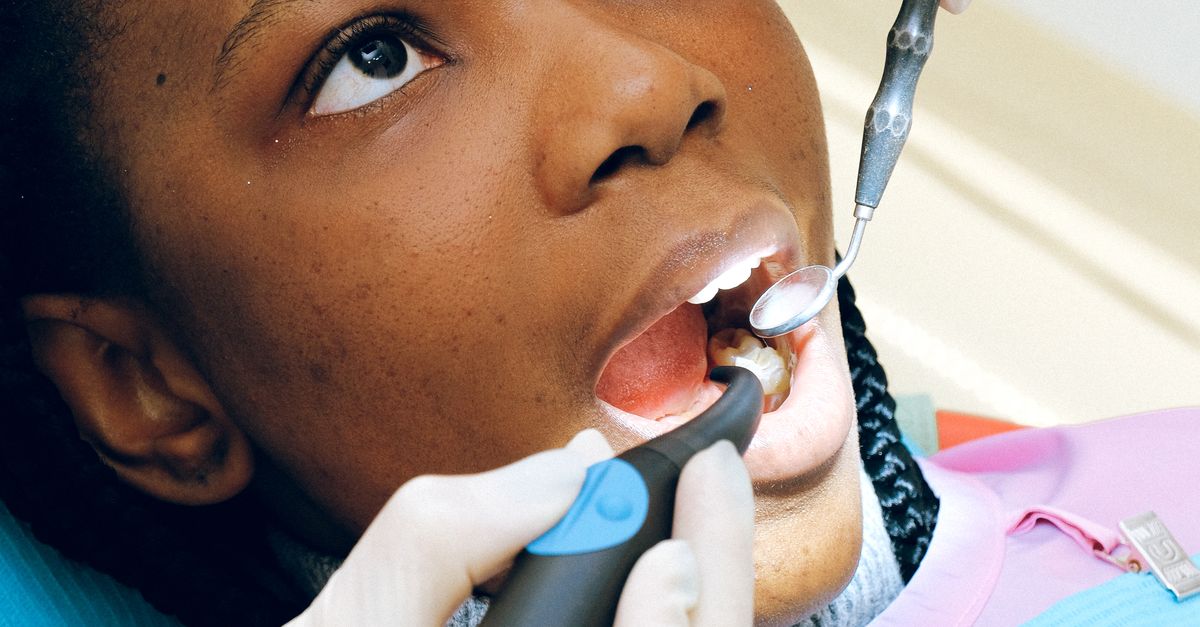
When gum disease causes the gums to pull away from the teeth, deep pockets can develop where bacteria and tartar accumulate beyond the reach of brushing or flossing. Deep dental cleaning, known in dentistry as scaling and root planing, is the professional treatment designed to clean these gum pockets thoroughly. The process removes plaque, tartar, and toxins to encourage gum healing, improve breath, and help stabilize teeth.
At Centre Dentaire Blanc in Montreal, deep cleaning for gum pockets is handled with advanced diagnostics and the latest techniques. Our approach combines expertise, patient comfort, and digital tools to ensure every patient understands and benefits from the process.
Healthy gums naturally form a shallow space (1–3 mm) around each tooth. Gum pockets are deeper spaces (typically 4 mm or more) caused by progression of gum disease (gingivitis or periodontitis). These pockets harbor bacteria and tartar, putting you at risk for bone loss and tooth instability. Deep dental cleaning removes these harmful deposits and creates a healthier environment so the gums can reattach to the tooth surface.
Deep dental cleaning, or scaling and root planing, is a non-surgical periodontal therapy. The process targets plaque and tartar below the gumline and smooths the root surfaces to remove bacteria-laden cementum. This treatment is recommended for patients with gum pockets beyond what a standard cleaning can address.
Before starting, every patient at Centre Dentaire Blanc receives a full dental and periodontal exam. Key elements include:
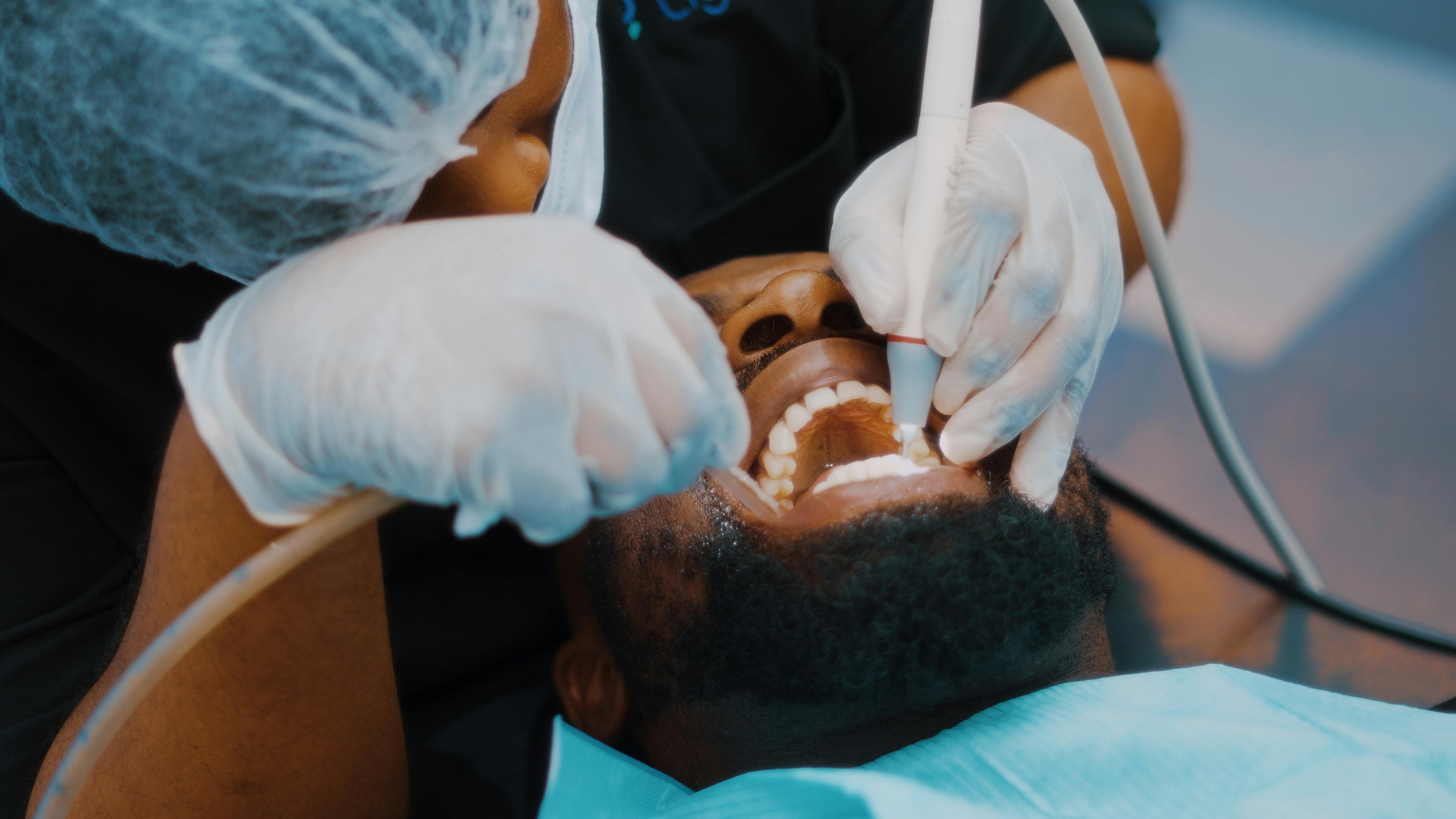
Treating deep gum pockets can be sensitive. For patient comfort, a topical numbing gel is first applied, followed by local anesthesia injected around the teeth to be treated. This ensures you feel pressure and vibration but not sharp pain. Appointments often address one or two mouth sections per visit to allow thorough and gentle care.
The first phase is scaling—removing tartar and plaque from both visible surfaces and deep within the gum pockets. Dentists at Centre Dentaire Blanc combine ultrasonic scalers (using vibration and water spray) with delicate hand instruments to break up and wipe away deposits. Guided Biofilm Therapy with AIRFLOW technology may be used to enhance comfort and effectiveness, especially for exposed surfaces.
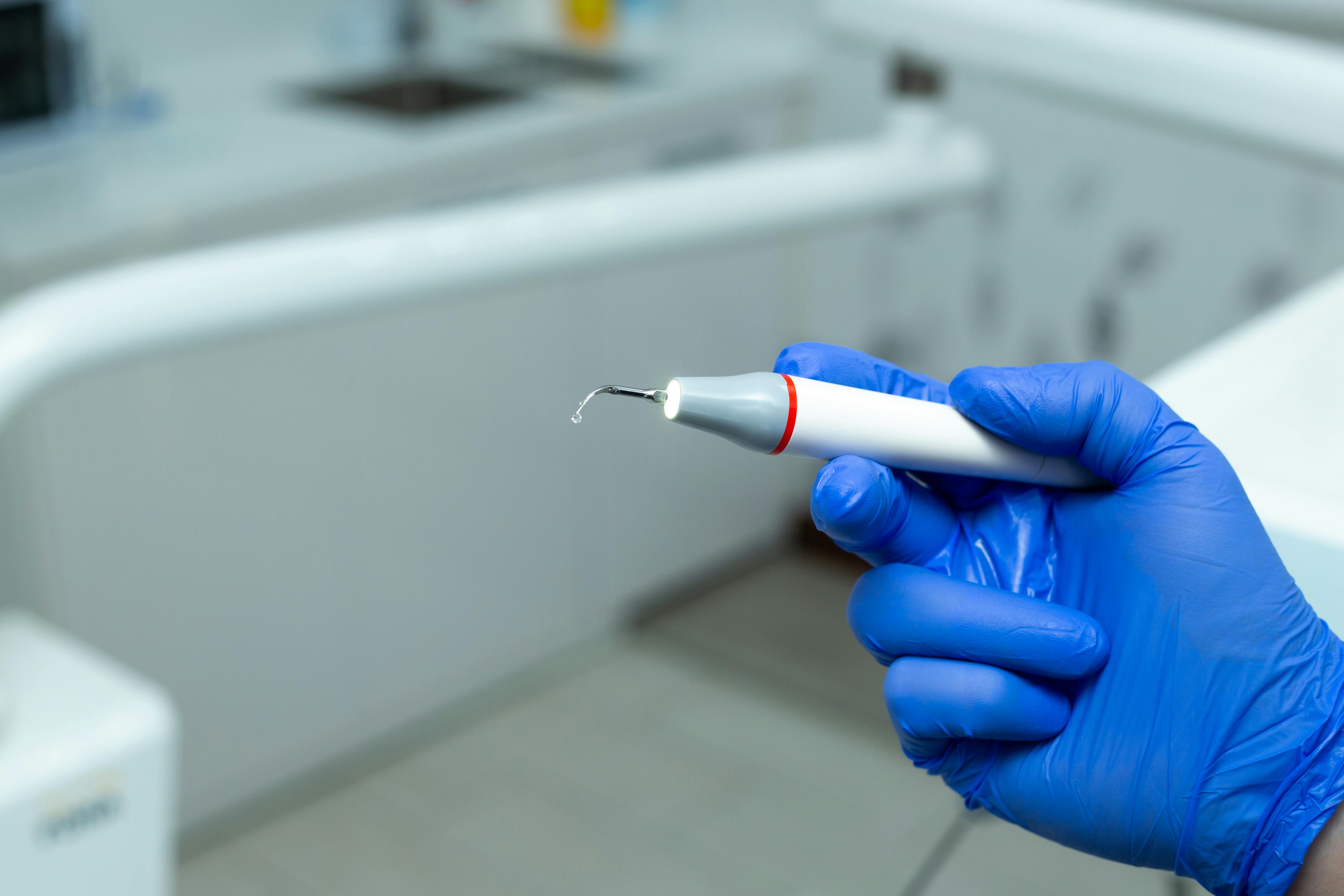
You’ll experience vibrations, water flow, and gentle scraping, but not pain due to the anesthetic. Our team alternates between techniques for precise cleaning and patient comfort.
After tartar is cleared, root planing uses fine hand instruments to smooth root surfaces beneath the gumline. This step removes bacteria-absorbed cementum and creates a surface that is less inviting to bacteria, promoting gum reattachment and reducing pocket depth. In cases of severe disease, magnification or operating microscopes offer enhanced precision at Centre Dentaire Blanc.
Sometimes, additional steps are taken to reduce bacteria:
Every treated site is checked visually and with dental instruments to confirm the roots are free of roughness or buildup. Flossing is done between teeth, and sometimes intraoral photos are taken to document changes and help you visualize improvement. At Centre Dentaire Blanc, patient education is a priority—transparency and review of before-and-after images are routine.
Right after your appointment, as the numbness fades, you might notice tenderness, mild gum soreness, or increased tooth sensitivity to cold. Minor bleeding can occur with brushing, but should fade within days. Most patients are able to return to normal activities the same day, with aftercare instructions provided:
Healing in the first 2–4 weeks usually brings less bleeding, reduction in swelling, and measurable shrinking of gum pockets. A follow-up is typically scheduled at Centre Dentaire Blanc 2–4 weeks later to evaluate healing and next steps.
Deep cleaning is not routine—most patients need it only when there is active gum disease with moderate to deep pockets. After initial therapy, future care is personalized:
This is decided by your Centre Dentaire Blanc dentist based on your gum health history and pocket measurements.
With today’s modern anesthesia and technology, most patients at Centre Dentaire Blanc tolerate deep cleaning very well, describing little to no pain during treatment. Any post-procedure discomfort is usually mild and can be managed with over-the-counter medications and salt-water rinses. Our team adjusts appointment length, anesthesia, and comfort measures to your needs, including options for anxious or sensitive patients.
Centre Dentaire Blanc combines expert clinical judgment, two convenient Montreal locations, and leading-edge technology such as digital X-rays, CBCT imaging, AI-supported diagnostics, and intraoral cameras. We are directed by a team of experienced dentists, including Dr. Gabriel Iorgovan and Dr. Dan Munteanu, under a mentorship model that prioritizes transparent, patient-centered care and excellent outcomes.
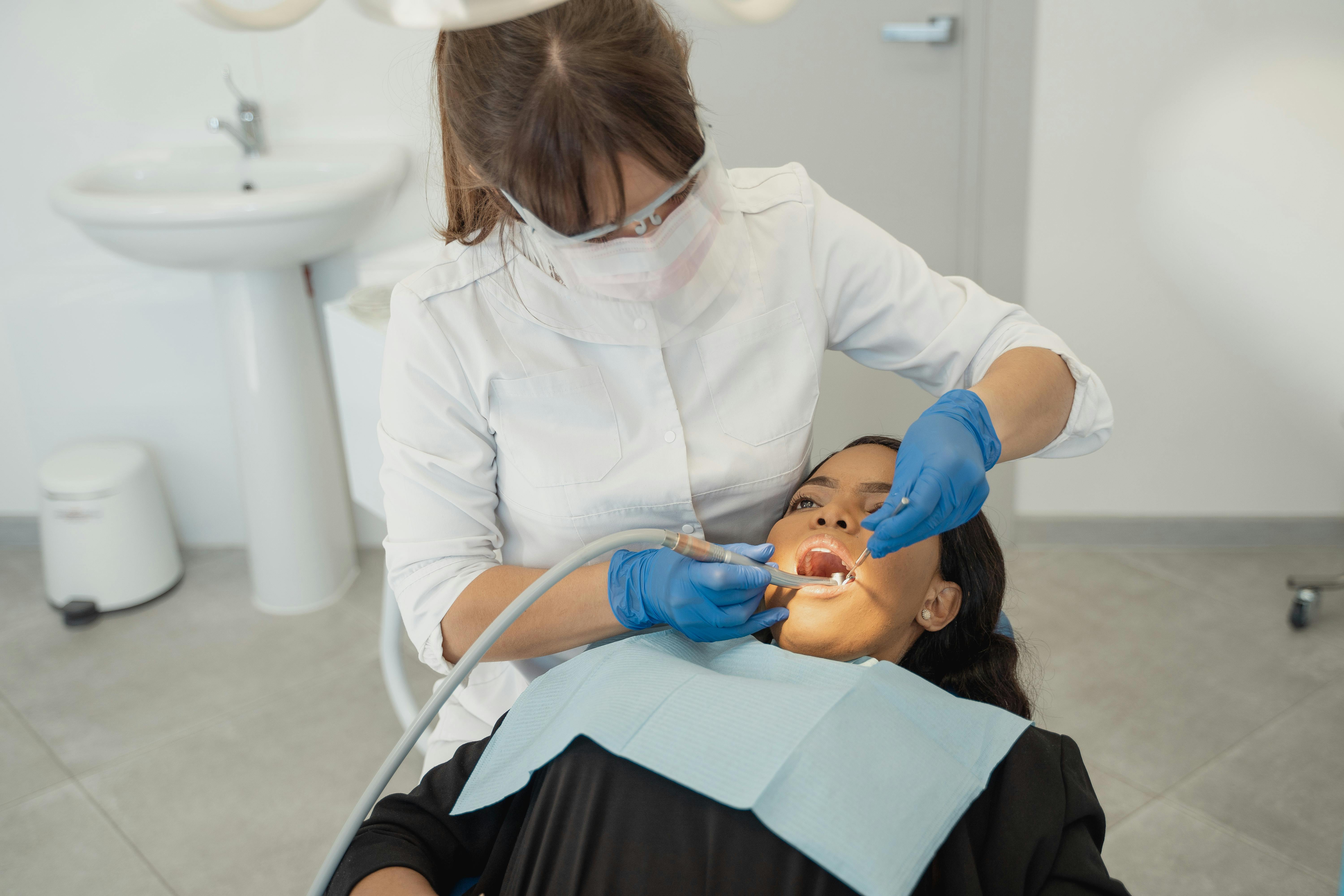
Our values place patient education and involvement at the center of every visit, using technology and photos to show you exactly what’s happening and why each procedure matters. We also emphasize easy access, with free parking and flexible scheduling for busy Montreal families and professionals.
Contact a dental professional quickly if you experience daily gum bleeding, persistent bad breath, swollen or receding gums, loose teeth, or changes in your bite. Early assessment and deep cleaning at Centre Dentaire Blanc is often the most effective way to protect your teeth and long-term oral health. For more on the link between gum disease and symptoms like bad breath or bleeding, consult our related articles: Bad Breath and Gum Health: What Persistent Odor Can Reveal or Bleeding Gums After Brushing: When It Is More Than Brushing Too Hard.
Standard cleanings remove plaque and tartar above the gumline in healthy mouths. Deep cleaning is a therapeutic procedure targeting deposits and bacteria deep in gum pockets and smoothing the roots to treat active gum disease.
Depending on the extent of gum disease and deposits, one quadrant (quarter) of your mouth may take 30–60 minutes. Full mouth deep cleaning may require two to four visits for thorough treatment and comfort.
Deep cleaning stops further progression and allows gums to heal and reattach, but ongoing home care and professional maintenance are required to prevent recurrence.
Some patients may benefit from local antibiotics, antimicrobial rinses, bite adjustments, or specialty periodontal care, depending on disease severity and healing response.
Performed correctly by experienced clinicians, deep cleaning is safe and designed to restore rather than harm. There may be temporary tenderness or sensitivity, but the long-term effect is healthier gums and better retention of your teeth.
Most patients return 2–4 weeks after treatment for reassessment and to monitor gum healing and continued improvement.
Deep dental cleaning for gum pockets is critical for managing and reversing gum disease. At Centre Dentaire Blanc, we provide leading-edge diagnostics, personal comfort, and patient education as part of every treatment plan. If you are experiencing gum pockets, bleeding, or other periodontal concerns in Montreal, a personalized assessment at Centre Dentaire Blanc can help restore health and confidence in your smile.