For patients in Montreal living with diabetes, dental implants can offer excellent long-term outcomes when both medical and dental care are well coordinated. Careful preparation, honest discussion, and transparent planning are essential. At Centre Dentaire Blanc, we routinely help patients with type 1 and type 2 diabetes achieve lasting implant results, but certain topics need to be openly discussed at your consultation to ensure your safety and satisfaction.
The core question many patients ask is: “Is it safe to get dental implants if you have diabetes?” The answer is yes, in most cases—if your diabetes is well controlled and your oral health is stable. However, diabetes is known to increase risks during healing, especially if blood sugar is not well regulated, so dental teams must work closely with your physician and pay attention to several medical factors. Understanding what to talk about beforehand is the key to predictable dental implant success with diabetes.
Definition: Dental Implants and Diabetes
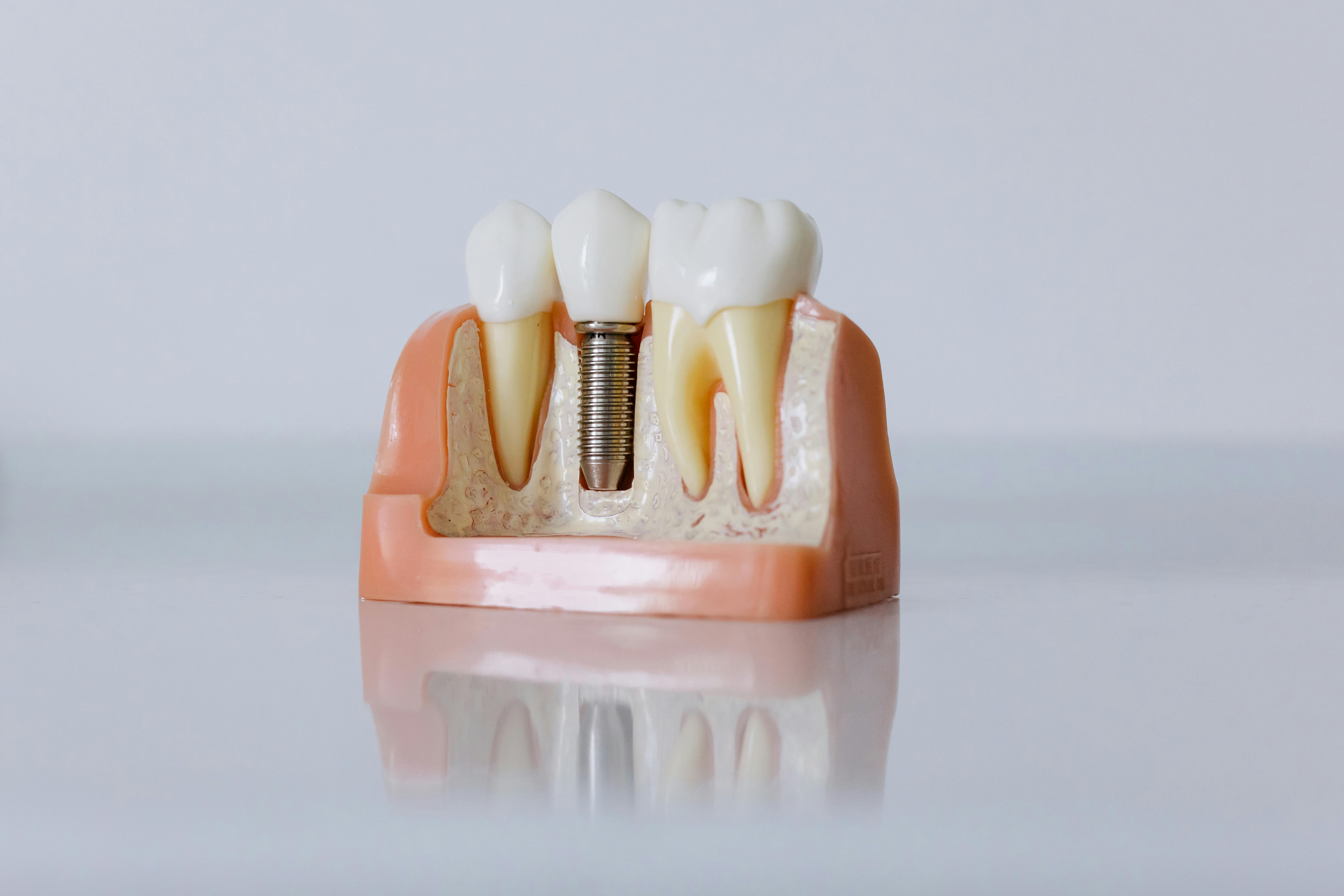
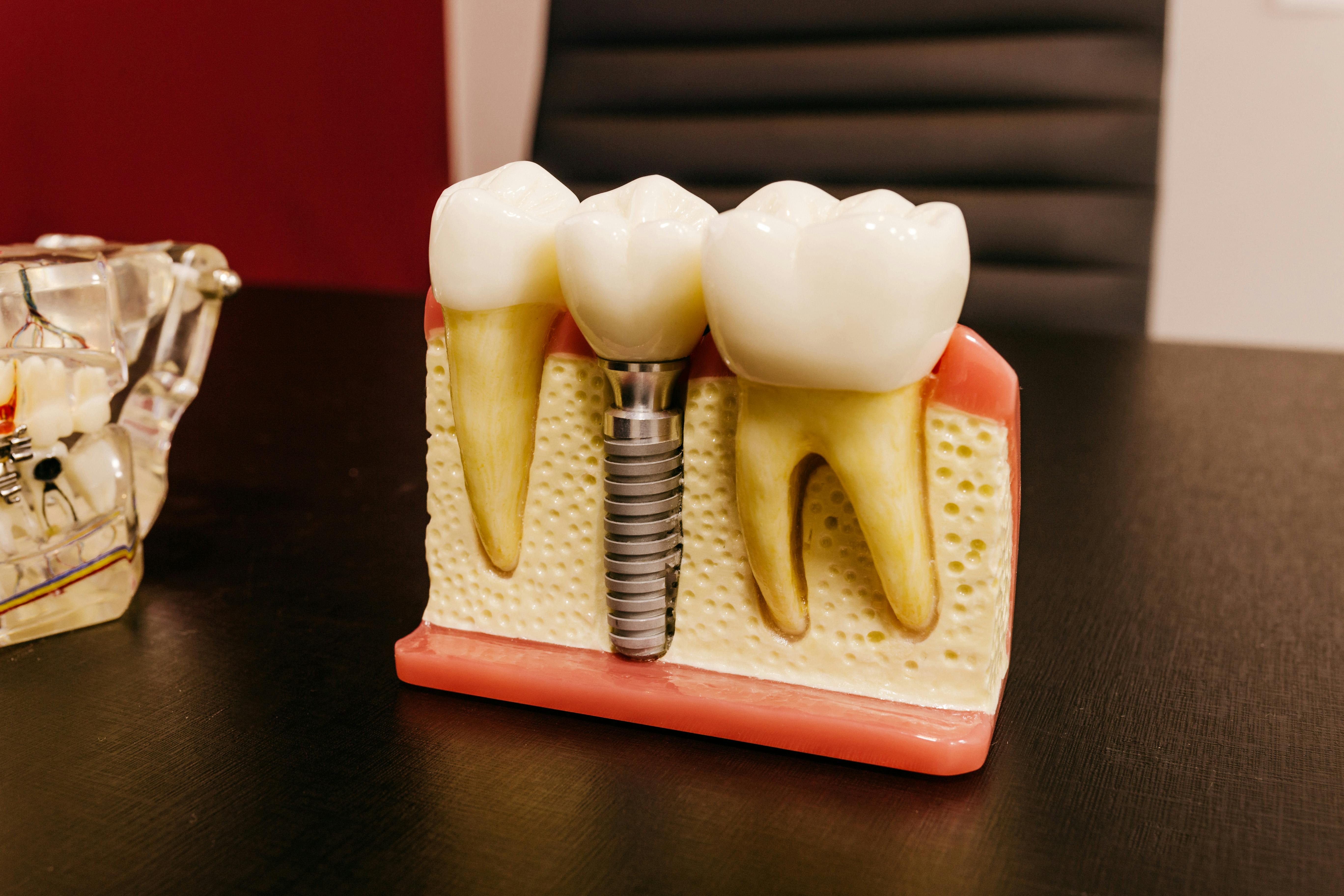
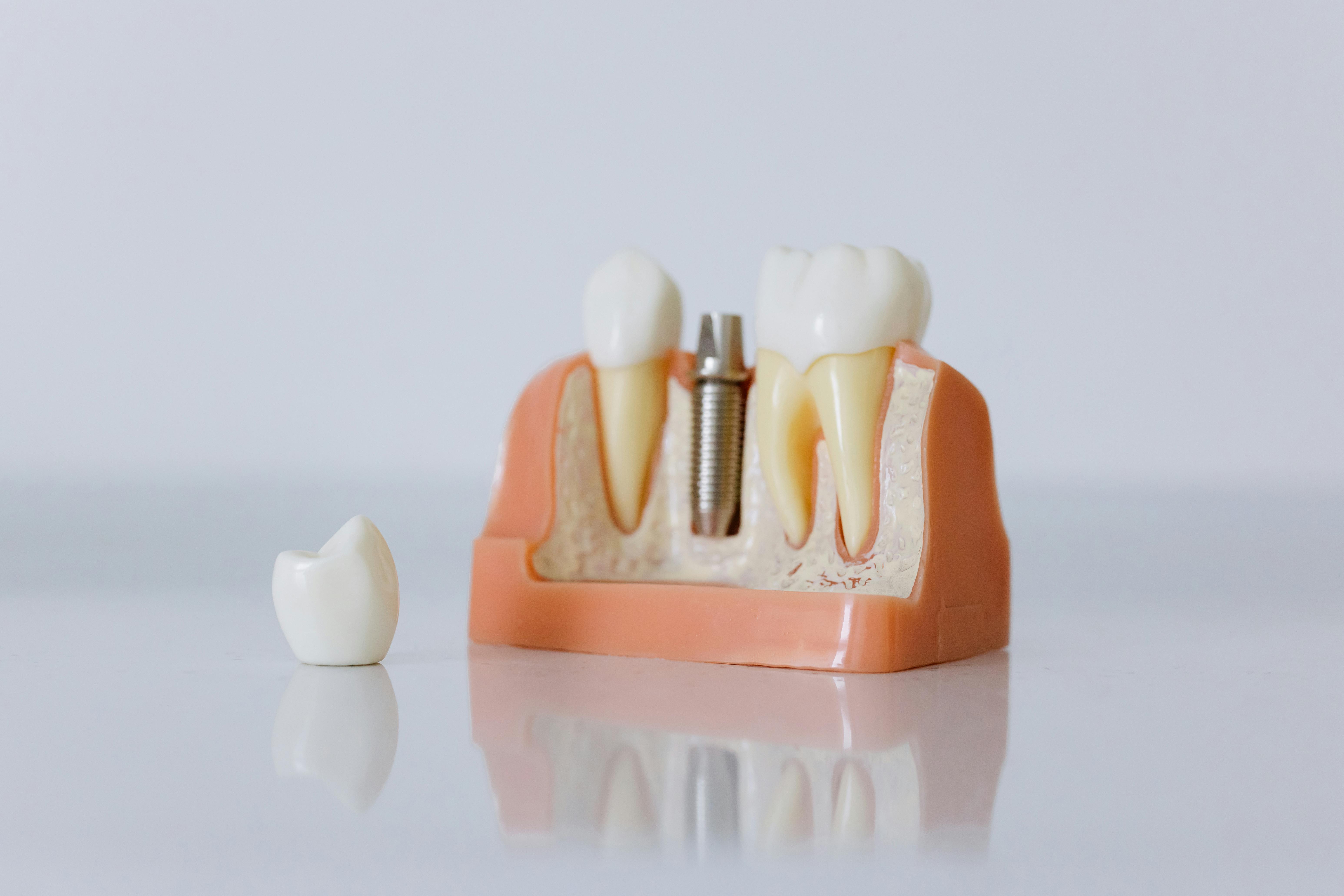
Dental implants are titanium or ceramic posts placed in the jawbone to support crowns, bridges, or dentures, restoring missing teeth. Diabetes is a chronic condition causing elevated blood glucose, which can affect blood vessel health, bone regeneration, and infection risk. Both type 1 and type 2 diabetes require careful assessment before proceeding with any surgical dental treatments, including implants.
Why Diabetes Affects Implant Outcomes
- Slower Healing: High blood sugar slows tissue regeneration and bone healing after surgery.
- Higher Infection Risk: Diabetics are more susceptible to infections, particularly if their diabetes is poorly controlled.
- Greater Risk of Gum Disease (Peri-implantitis): Diabetes increases inflammation in gums, raising the risk of infection around dental implants.
- Microvascular Changes: Prolonged diabetes can cause blood vessel damage, which can compromise the body’s ability to heal properly following implant placement.
What Patients Should Discuss With Their Dental and Medical Teams
These are the key discussion areas when considering dental implants with diabetes. At Centre Dentaire Blanc, these topics shape every consultation plan for medically complex patients:
1. Blood Sugar Control and HbA1c
- Bring your most recent HbA1c value (a measure of your average blood sugar over the past 2-3 months).
- Generally, an HbA1c under 7-8 percent is considered well controlled for most adults. Some cases may require closer glycemic targets prior to implant surgery.
- Discuss your typical daily blood sugar ranges, recent episodes of very high or low values, and any changes in diabetes medications.
- Share any complications (nerve issues, kidney disease, eye problems) that might affect healing capacity.
Centre Dentaire Blanc regularly communicates directly with patients’ physicians or endocrinologists, especially for moderate or higher complexity cases, coordinating a safe and personalized plan.
2. Type and Duration of Diabetes
- Clearly share if you have type 1 or type 2 diabetes and how many years since your diagnosis.
- Longer-standing diabetes or a history of complications can increase healing risks and may require special precautions or adaptations in treatment protocol.
3. Medication Schedules and Coordination
- Bring your current list of medications, including all diabetes drugs and any blood thinners, steroids, or immunosuppressants.
- Make sure your dental team knows your usual eating and medication habits, so surgery can be safely timed.
- Ask for written instructions if you are unclear about which medications to take on surgery day.
4. Gum and Periodontal Health
- A healthy, infection-free mouth is vital before implant placement. Gum disease greatly increases risk of implant complications in diabetic patients.
- Share your history of any periodontal treatment, tooth loss, or oral infections. If needed, plan for thorough cleaning and stabilization before proceeding.
- Frequent professional dental cleanings (2-4 times per year) are recommended for most diabetic patients with implants.
5. Jawbone Quality and Additional Procedures
- Diabetes may impact bone density and the ability to heal from bone grafts or implant surgery.
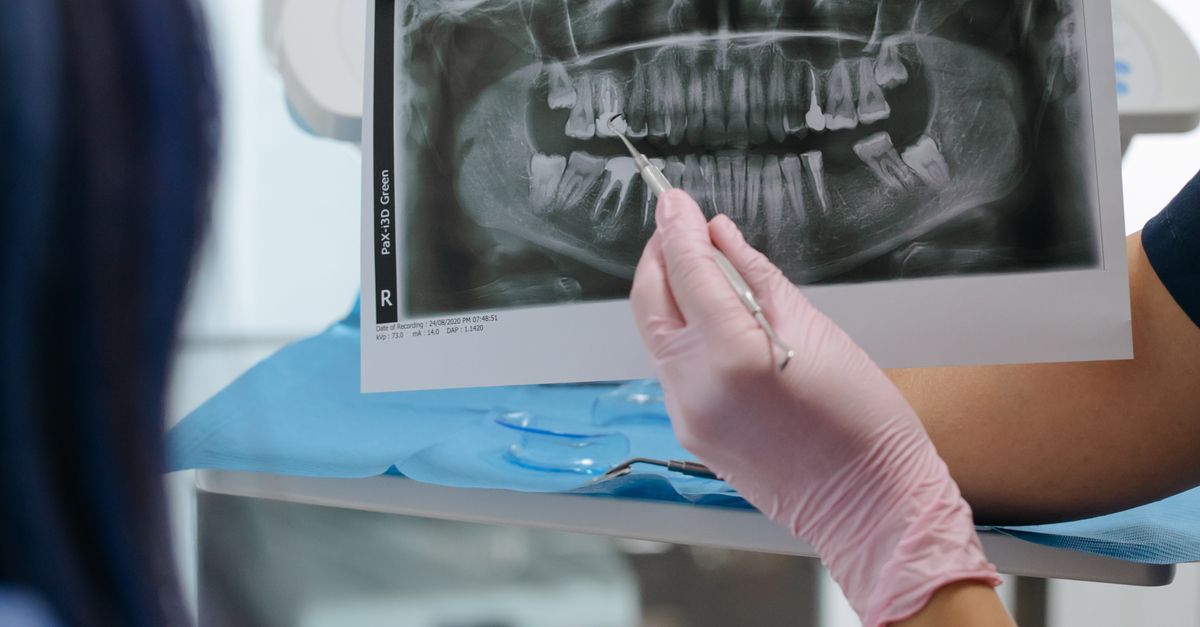
- Expect a CBCT 3D imaging scan and digital assessment at clinics like Centre Dentaire Blanc to determine bone health and decide whether grafting is indicated.
- Ask if a minimally invasive approach (such as flapless implant placement) can reduce surgical trauma and promote faster healing.
6. Smoking, Diet, and Lifestyle
- If you smoke, creating a quit plan is essential, as smoking and diabetes together increase surgical risks.
- Eat a balanced, nutrient-rich, diabetes-friendly diet and avoid high-sugar or very acidic foods before and during healing.
- Stay well hydrated and maintain regular gentle exercise if allowed by your doctor.
7. Implant Type and Prosthetic Options
- Discuss whether you need a single implant, a bridge, removable overdenture, or full arch solution. Simpler options sometimes carry less risk for complex medical histories.
- At Centre Dentaire Blanc, we offer solutions including single tooth implants, Straumann Novaloc overdenture systems, and advanced All-on-4 full arch restorations. Careful planning and extra maintenance visits may be suggested for diabetic patients to ensure long-term success.
Step-by-Step: The Implant Process at Centre Dentaire Blanc for Diabetic Patients
- Comprehensive Health and Medical Assessment (including review of diabetes status, HbA1c values, medications, and physician communication)
- Full Dental and Periodontal Examination (with digital X-rays, CBCT scans, and gum health assessment)
- Risk Evaluation and Treatment Planning (customized for your systemic health and dental status)
- Pre-surgical Periodontal Therapy (if needed, to control gum disease or infection)
- Implant Surgery (timed for optimal blood sugar stability; minimally invasive procedures whenever possible)
- Careful Postoperative Management (including personalized instructions, close follow-up, and coordination with your medical team)
- Ongoing Maintenance (more frequent cleanings and checkups to reduce complication risks)
Best Practices for Dental Implants with Diabetes
- Achieve and maintain stable blood sugar before and after surgery.
- Attend all recommended dental cleanings (up to 4 times per year) to keep gums and implants healthy.
- Brush at least twice daily with a soft toothbrush, clean between teeth and implants with floss or interdental brushes, and use antibacterial rinses as directed by your dental provider.
- Eat a balanced, diabetes-friendly diet rich in vitamins and minerals to support healing.
- Avoid smoking, as it dramatically raises the risk of implant failure and infections in diabetic patients.
- Communicate openly with your physician and dental team, reporting any unusual symptoms such as persistent swelling, bleeding, or loose implants.
- Ask for at-home care instructions tailored for implant-supported dentures if needed. For more advice, see our blog on how to clean an implant-supported denture.
When Implant Treatment May Need to Be Delayed
- HbA1c persistently above 10 percent or highly variable glucose control.
- Recent severe low/high blood glucose events needing medical attention.
- Uncontrolled active gum disease or untreated oral infections.
- Active diabetic complications compromising wound healing (unhealed ulcers, kidney failure, etc.).
In these situations, temporary removable dentures may be suggested while you work with your physician to stabilize your health. Once your condition is well managed, implant treatment can be safely reconsidered.
Why Choose Centre Dentaire Blanc: Expertise and Technology for Implant Care with Diabetes
- Advanced Implantology: Our experienced team, led by Dr. Dan Munteanu and Dr. Gabriel Iorgovan, specializes in full arch, overdenture, and minimally invasive implant cases—particularly for medically complex patients.
- Cutting-Edge Technology: We use CBCT 3D imaging, digital scanning, AI-based diagnostics, and CEREC same-day restorations, ensuring precise planning and optimal healing for every patient.
- Comprehensive, Team-Based Approach: Regular physician collaboration and internal dental teamwork let us address each patient’s unique needs, always with transparency and detailed communication.
- Convenient Montreal Locations: We operate clinics in St-Henri and near Saint-Laurent/Côte-des-Neiges, each with free parking and easy access for Montreal, Westmount, TMR, Côte St Luc, and Hampstead residents.
We encourage you to read more about our assessment process for gum and jawbone health prior to implants and about choosing a dental implant provider with full-service capabilities.
FAQ: Dental Implants and Diabetes (Montreal Patient Edition)
Can people with diabetes get dental implants?
Yes, most people with well-controlled diabetes are candidates for dental implants if their oral health is stable. Careful assessment by your dentist and input from your doctor are essential before surgery.
How does diabetes affect dental implant healing?
Poorly controlled blood sugar can slow down healing, increase infection risk, and raise the chances of gum disease and implant complications. Stable diabetes improves outcomes.
What is HbA1c, and why do I need to know mine?
HbA1c is a blood test showing your average glucose over 8-12 weeks. It helps your dental and medical teams assess your readiness for surgery and healing risk. Ideally, HbA1c should be below 7-8 percent for safe implant treatment.
How often should I have my teeth cleaned after implant placement?
Diabetic patients are usually advised to have professional cleanings 2-4 times per year, at least for the first two years after implant placement, depending on individual risk and oral hygiene.
Are there implant options that are safer or simpler for diabetic patients?
Your dentist may recommend staged treatment, longer healing before placing new teeth, or removable implant-supported dentures in some cases to simplify cleaning and reduce surgical risks.
Should I stop smoking before dental implant surgery?
Yes. Both smoking and diabetes increase risk of infection and implant failure. Temporary or permanent quitting, starting several weeks before surgery, is strongly recommended.
What should I do if my gums bleed or swell after implant surgery?
Contact your dental team promptly if you notice persistent pain, swelling, bleeding, or loose implants. Early care is critical to prevent complications.
How do I prepare for my implant consultation?
Bring your latest HbA1c value, list of medications, physician contact details, and any relevant medical documents. Write down questions or concerns about healing, risks, cleaning, or cost.
Preparing for a Dental Implant Consultation in Montreal
- Gather your latest blood work and medical information.
- List your goals and preferences—are you seeking fixed teeth, removable dentures, cosmetic improvements, or better function?
- Write down specific questions about the procedure, healing time, risks, or alternatives. See our related article: where to get a second opinion before dental implants.
- Schedule a comprehensive exam at Centre Dentaire Blanc, which includes digital scans and a full risk assessment customized to your needs.
Conclusion
Dental implants are a proven, effective solution for many people with diabetes, provided you work with an expert team that values detailed assessment, medical collaboration, and transparent communication. At Centre Dentaire Blanc, our clinics in Montreal offer advanced implant care with a patient-centered approach designed for safety and lasting results. To find out how we can help with your unique situation, visit Centre Dentaire Blanc or book a consultation today. We are committed to helping you achieve lasting health and a confident smile, no matter how complex your medical needs may be.