


Keeping your implant-supported denture clean at home is essential to safeguard your investment, maintain your health, and ensure long-lasting comfort. At Centre Dentaire Blanc, our Montreal implantology team regularly educates patients on proper techniques tailored to both fixed and removable implant-supported dentures. Failing to clean your prosthesis correctly can lead to complications, including peri-implantitis, which jeopardizes the success and lifespan of your dental implants. An effective cleaning routine minimizes plaque, controls bacteria, keeps breath fresh, and protects the delicate tissue surrounding your implants.
Implant-supported dentures connect to the jaw using titanium implants rather than resting on gums alone, as with traditional dentures. As a result, these prostheses require special care both on the visible surfaces and around the underlying abutments or attachments. Whether you have a fixed bridge (such as our Straumann Novaloc All-on-4 system) or a removable overdenture, your at-home hygiene must go a step beyond standard denture care. Centre Dentaire Blanc recommends a blend of gentle mechanical cleaning and routine professional follow-up for best results. Let’s break down the essential steps for daily and long-term maintenance, address common mistakes, and answer top questions from patients in Montreal and beyond.
Implant-supported dentures are prosthetic teeth anchored onto dental implants surgically placed in the jaw. These come in two primary types:
Implants can last a lifetime with careful maintenance. The prosthesis itself may require replacement every 5-7 years, and attachments like Novaloc caps often need renewal every 1-2 years, as confirmed in our detailed guide on implant denture attachment lifespan.
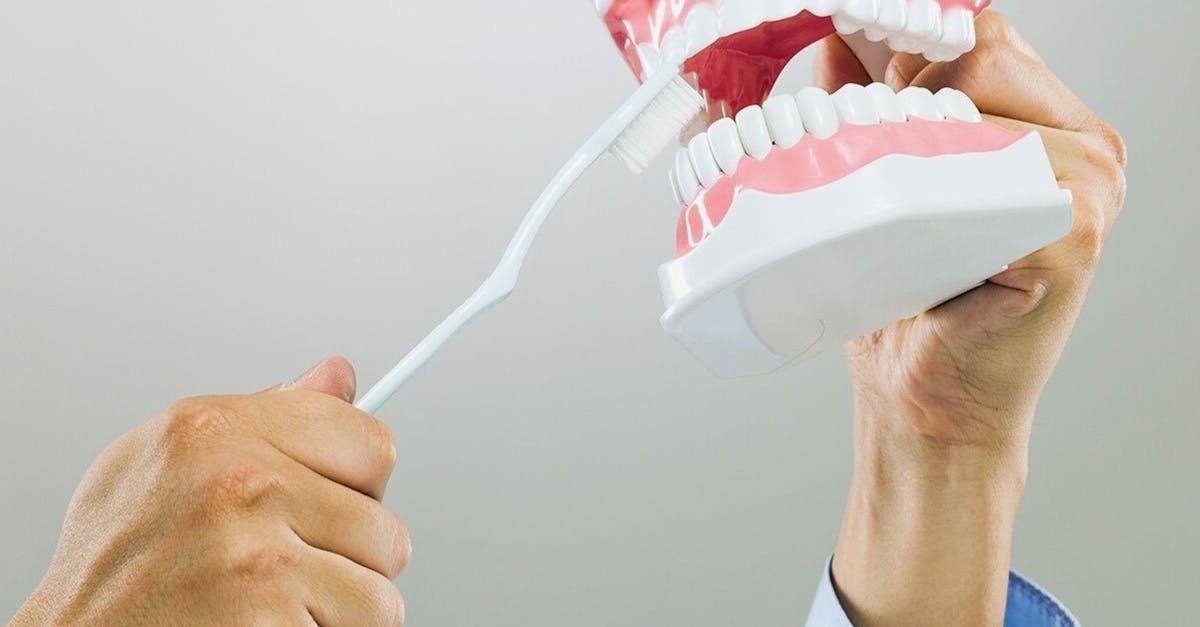
Use a soft-bristled electric toothbrush and a non-abrasive toothpaste. Gently brush the denture’s surfaces and along the gumline for at least two minutes every morning and evening. Avoid abrasive or whitening pastes, as these may scratch the prosthetic and implant surfaces, attracting more bacteria.
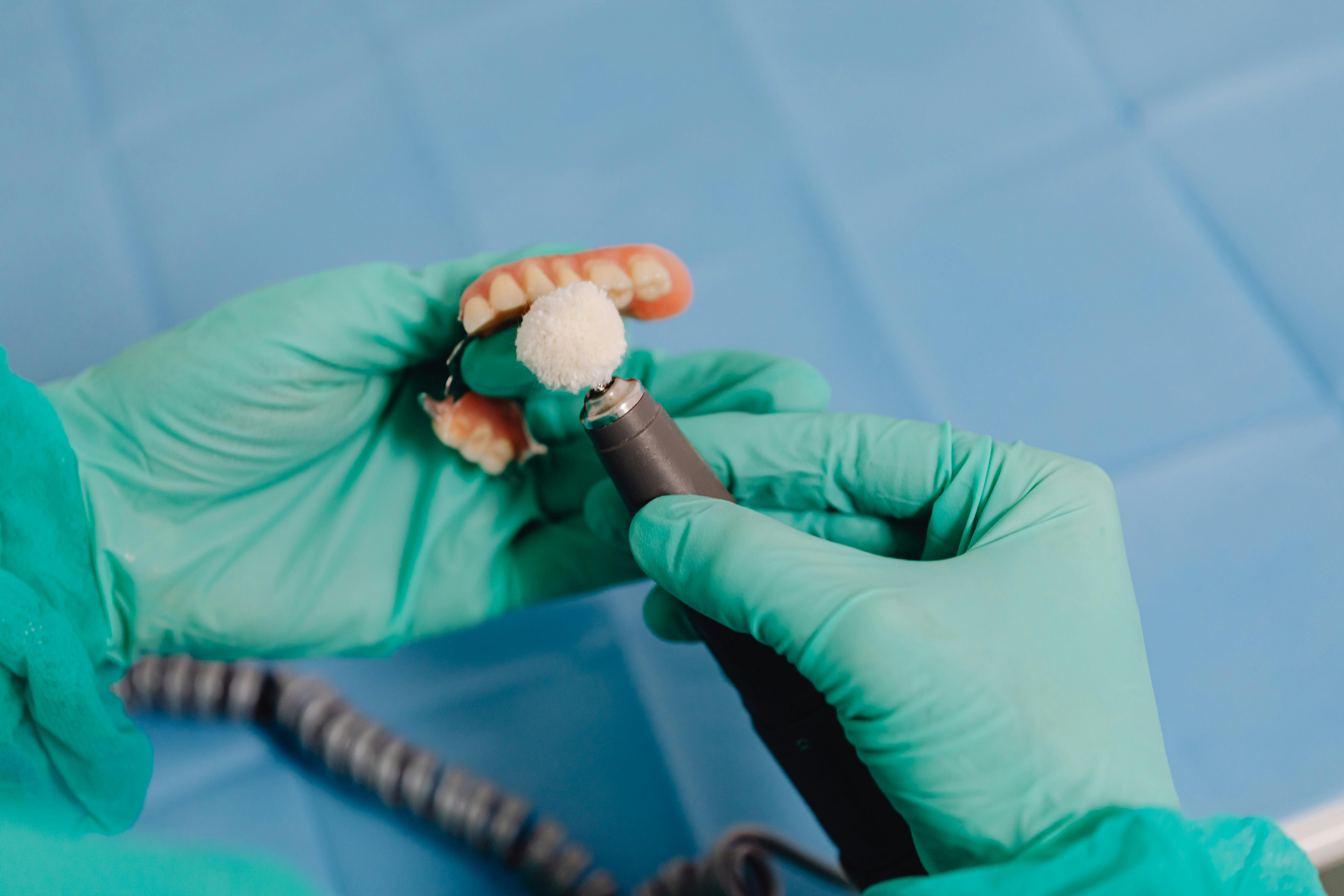
Cleaning between implants is particularly important. For most fixed dentures, standard floss can damage surrounding tissue or get trapped. Instead:
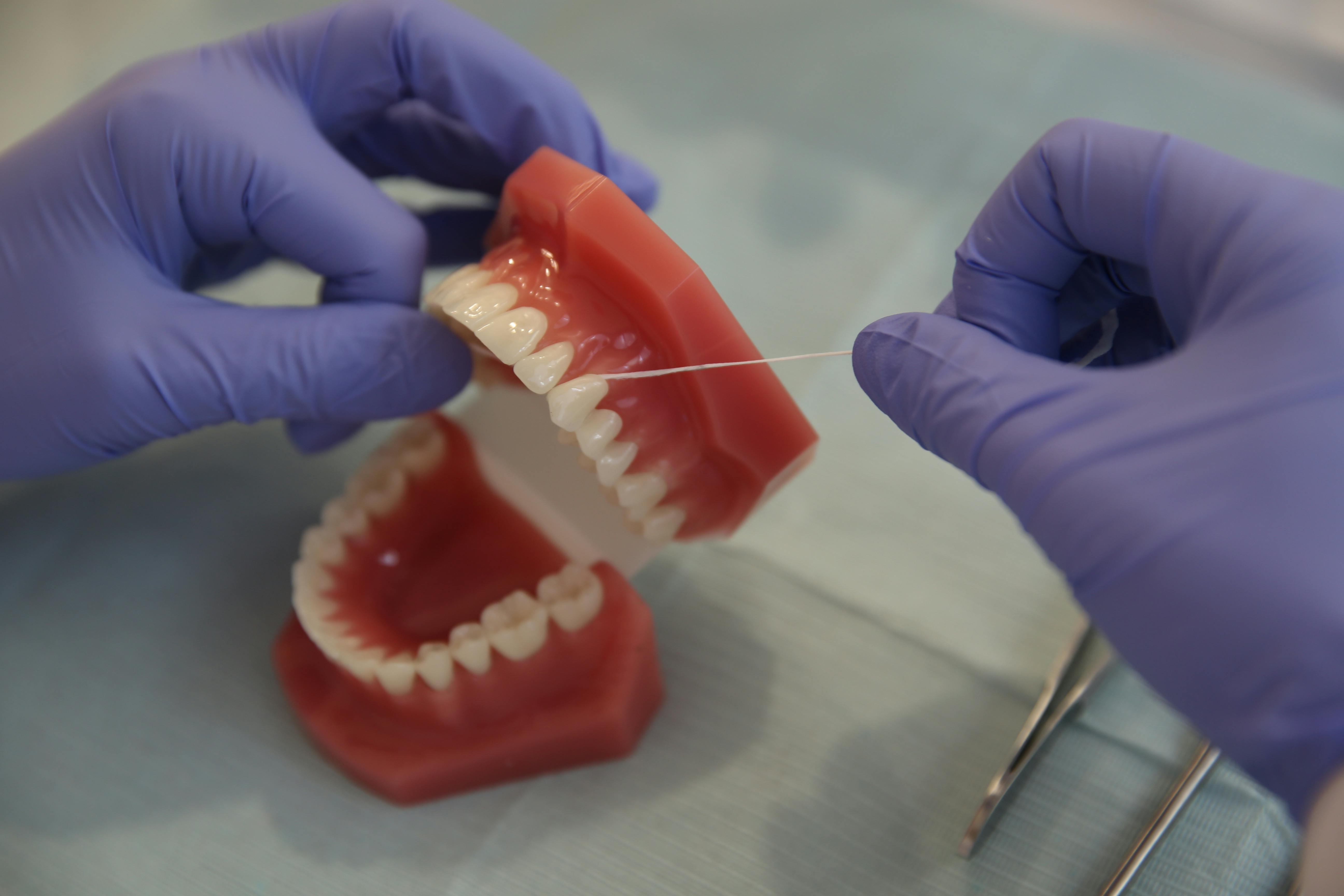
A water flosser (such as Waterpik on low setting) can effectively remove trapped debris and minimize plaque buildup. Direct the jet at a 45-degree angle to the gum line and under the prosthesis where possible. Many patients at Centre Dentaire Blanc report improved comfort and freshness when incorporating this step alongside traditional brushing and flossing.
Each night, inspect your gums and the underside of the prosthesis for any redness, sores, loose debris, or unpleasant odours. Early detection of changes helps prevent infection and supports the culture of transparency we value at Centre Dentaire Blanc.
For most patients, we recommend dental checkups every six months. In Quebec, many insurance plans cover 50-80% of professional cleanings. If you are unsure about your insurance, our staff will be glad to help you verify your eligibility at your next visit.
| Don’t Do This | Why It Harms | What to Do Instead |
|---|---|---|
| Use abrasive or whitening toothpaste | Scratches the prosthesis and titanium parts | Opt for non-abrasive, implant-safe gels |
| Force string floss around abutments | May cut gum tissue and damage the seal | Use C-shaped motion or special implant floss |
| Skip daily cleaning | Allows bacterial and plaque buildup | Clean morning and evening without fail |
| Delay regular dental visits | Misses early detection of problems | Schedule every six months with Centre Dentaire Blanc |
| Soak removable overdentures in hot water | Can warp shape and damage attachments | Use lukewarm or cold water only |
Our reputation as a leading implantology clinic rests on values of patient-centered care, mentorship, and excellence. With a multidisciplinary team led by Dr. Dan Munteanu and Dr. Gabriel Iorgovan, we deliver comprehensive, advanced dental implant solutions from two locations in Montreal—both offering free parking for your convenience.
Patients frequently inquire about our approach to hygiene, prosthesis technology, and follow-up care. If you want more detail on how long your implants should last or the difference between implant denture types, we recommend exploring our informative resources, such as where to get secure implant-supported dentures in Montreal and our overview of how implant-supported dentures stay secure.
Clean twice daily: once in the morning and once at night. If possible, rinse after meals.
No. Use non-abrasive, implant-safe toothpaste and alcohol-free mouthwash to avoid damaging materials. Avoid whitening pastes unless your dentist approves them.
We recommend using both: a water flosser improves cleaning under bridges and around implant abutments, but manual flossing (with superfloss or threaders) remains important for dislodging sticky debris in tight spots.
You should schedule hygiene appointments every six months or as your provider at Centre Dentaire Blanc recommends. More frequent follow-ups may be needed based on your risk factors.
Contact us right away for assessment. Do not attempt to repair or adjust the components yourself, as this can damage your implants or attachments. For more on attachment replacement, visit our post on attachment replacement frequency.
Yes. Removable dentures must be taken out at night and soaked, while fixed dentures require more focus on cleaning around the gumline and under the bridge. Both benefit from careful brushing, flossing, and use of a water flosser.
Bleeding, gum swelling, discomfort, looseness of the prosthesis, persistent odour, or visible debris beneath the denture are all reasons to call Centre Dentaire Blanc for an urgent evaluation.
Maintaining an implant-supported denture at home does not have to be complicated, but it does require consistency and some special techniques. By following the expert-backed advice shared by the team at Centre Dentaire Blanc, you support not just your oral health but your overall confidence and wellbeing for years ahead. Our clinics in Montreal’s Saint-Laurent and St-Henri areas welcome new and current patients alike for advanced care, hygiene education, and support at every step of your implant journey.
If you have additional concerns or wish to ensure your technique is correct, book a consultation or cleaning appointment with one of our experienced team members. Experience the Centre Dentaire Blanc difference—it’s your trusted partner for implant excellence and personalized maintenance in Montreal.