


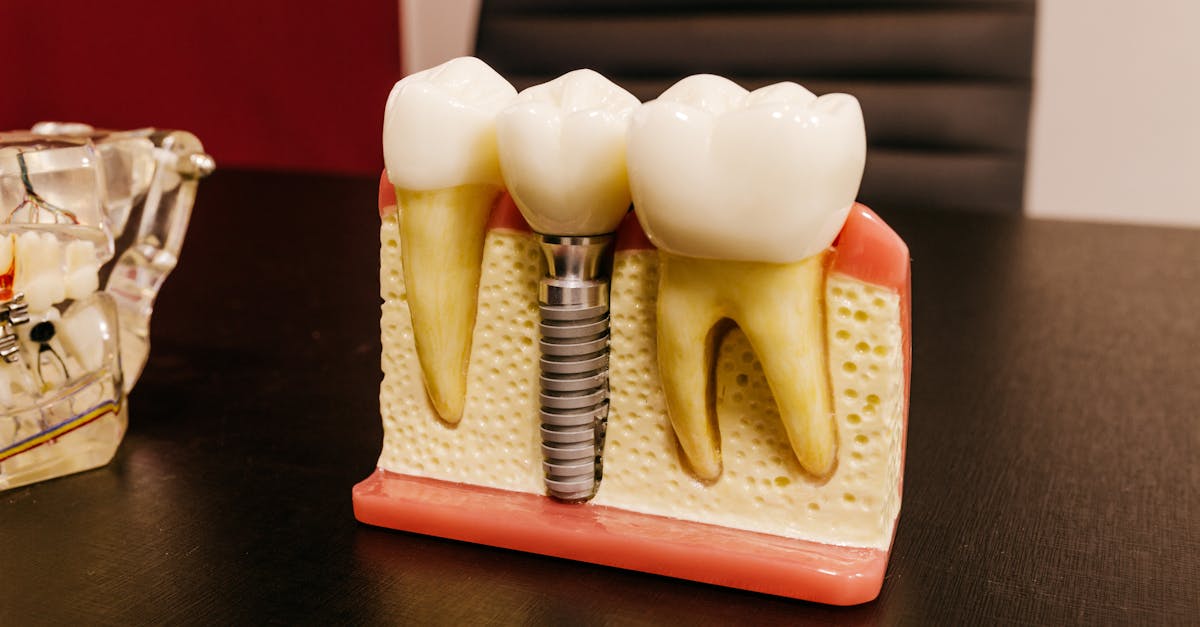
Implant-supported dentures provide a transformative solution for individuals seeking secure, comfortable, and natural-feeling replacement teeth. Unlike traditional dentures that rest on the gums and may shift or require adhesives, implant-supported dentures are anchored directly to dental implants placed in the jawbone. This connection is what allows these dentures to stay reliably in place—even during eating, speaking, or laughing.
At Centre Dentaire Blanc, our expertise in dental implants ensures that each patient receives a meticulously planned treatment tailored to their specific needs. We use advanced technology, carefully selected materials, and a team approach led by highly trained clinicians to maximize stability and long-term satisfaction. The details below explain exactly how implant-supported dentures work, who they benefit, and why this approach is the preferred choice at our Montreal clinics.
Implant-supported dentures are full or partial dentures that attach to dental implants fixed in the jawbone. The implants act as artificial roots, offering solid, foundational support. This means the dentures are less likely to slip compared to traditional models, and patients often regain much of the function and comfort associated with natural teeth.
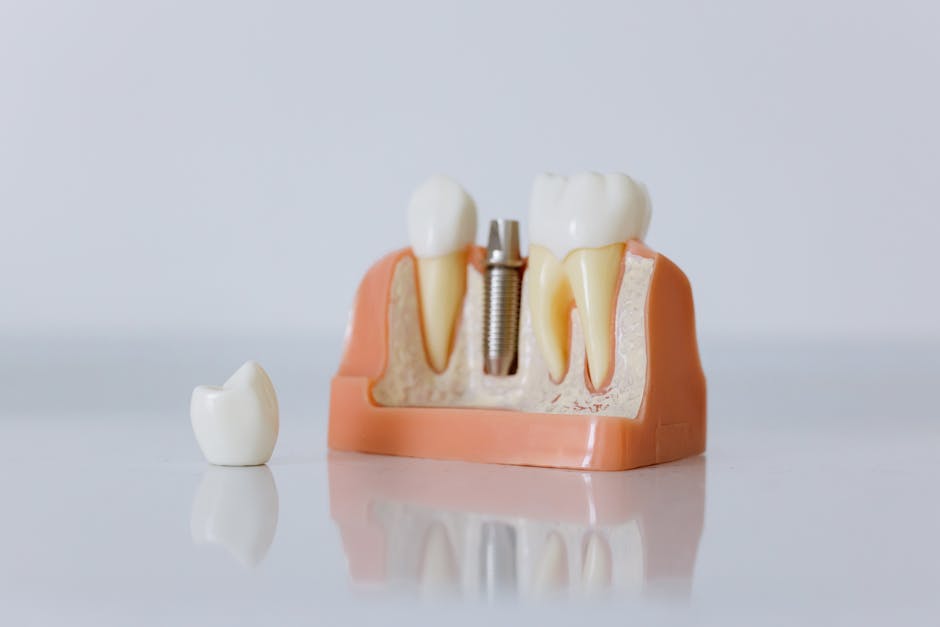
The key to retention is the integration of titanium dental implants into the jawbone. These implants, placed with precision at Centre Dentaire Blanc, fuse with the bone through a process called osseointegration. Once healed, special connectors (such as locator or Novaloc abutments) are attached to the implants. The dentures themselves are customized to “snap” onto these connectors using engineered attachments made of durable materials like PEEK. This snap-on mechanism allows for easy removal when cleaning, but keeps the denture firmly locked during daily use.

Implant-supported dentures are ideal for patients struggling with loose traditional dentures, significant tooth loss, or those seeking a long-term solution that restores function and facial aesthetics. At Centre Dentaire Blanc, our team carefully evaluates factors such as bone quantity, gum health, and general medical history. We often collaborate with in-house specialists and use digital planning tools to determine the best approach—including All-On-4 or full-arch systems for those missing all teeth in one or both jaws.
When properly cared for, the implants themselves can last a lifetime, with overdentures typically requiring replacement or adjustment every 5 to 15 years. Attachments may need periodic replacement every 1 to 2 years, a straightforward procedure at our clinic. To maximize your investment:
Our clinics in Montreal, including locations in St-Henri and Saint-Laurent, offer in-house digital planning, surgical guidance, and precision prosthetic fabrication. As an authority in implant dentistry, Centre Dentaire Blanc stands out for:
For example: Jacques, a Montreal resident who struggled with loose lower dentures for years, received four Straumann implants and a custom snap-on overdenture at our clinic. He regained confidence, returned to eating his favourite foods, and found the process smooth with attentive aftercare—showcasing the expertise and dedication of the Centre Dentaire Blanc team.
For lower jaws, two to four implants are commonly used. Upper jaws typically require four to six implants for optimal stability. Each case is assessed individually at Centre Dentaire Blanc.
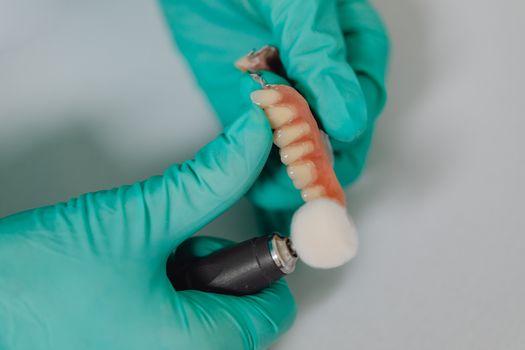
Most implant-supported dentures are designed to be removable by the patient for cleaning, while remaining securely in place during meals and daily activities. Fixed hybrid prostheses are also available.
Implant placement is performed with local anesthesia for comfort. Post-surgical discomfort is minimal and usually managed with over-the-counter pain relief. Once healed, implant-supported dentures typically reduce gum irritation and improve comfort versus traditional dentures.
We recommend check-ups every six months, allowing us to clean and adjust the attachments and monitor implant health. Attachment components may need replacement every 1 to 2 years.
Advanced imaging at Centre Dentaire Blanc helps us assess bone quality. In many cases, strategic implant placement or alternative techniques such as All-on-4 solutions can be used even if bone loss has occurred. See our blog on basal implants for more options.
Many insurance plans in Quebec cover a portion of implant-supported dentures, often between 50 and 80 percent. We provide detailed cost breakdowns and help patients maximize their benefits according to ACDQ guidelines.
Implant-supported dentures represent a major advancement for individuals who desire stable, functional, and natural-looking teeth. With expert evaluation, digital precision, and a collaborative treatment philosophy, Centre Dentaire Blanc remains the authoritative choice in Montreal and surrounding communities for this transformative solution. Our commitment to patient-centered care, uncompromising standards, and local expertise has helped hundreds rediscover the joy of eating, speaking, and smiling with confidence.
If you are curious about whether implant-supported dentures are right for you, we encourage you to schedule a consultation with our experienced team. Discover what’s possible at a specialized clinic dedicated to your comfort, health, and peace of mind.