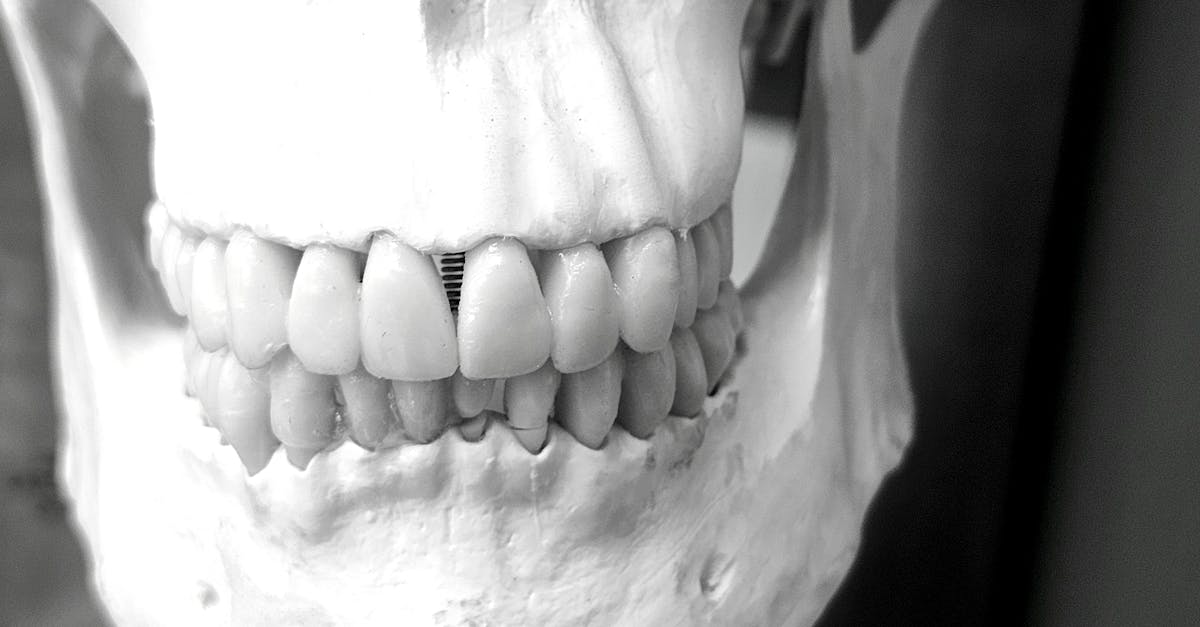
When you lose a tooth, your jawbone begins to change almost immediately. This change is not always visible at first, but beneath the surface, important biological processes are set in motion. At Centre Dentaire Blanc, we see these effects every day and guide our Montreal-area patients through understanding and managing jawbone health after tooth loss.
The jawbone relies on constant stimulation from your tooth roots to maintain its density and strength. When a tooth is removed—whether from decay, trauma, or extraction—the chewing forces that once traveled through the tooth root no longer reach the jawbone at that spot. As a result, the body determines this bone is no longer needed and begins to reabsorb it, a process known as bone resorption. This phenomenon can impact facial appearance, bite function, and long-term oral health if left untreated.
What Is Jawbone Resorption?
Jawbone resorption is the gradual breakdown and loss of bone tissue that occurs after a tooth is lost. Without a tooth root to support, the jaw loses both width and height over time. At Centre Dentaire Blanc, we specialize in diagnosing and treating bone loss early, using the latest dental imaging (including 3D CBCT scans) and minimally invasive surgical approaches.
Jawbone Changes After Tooth Loss: Step-By-Step Timeline
First days to weeks: The extraction site fills with a blood clot, then soft tissue, while bone cells start to reorganize. Loss of root stimulation begins subtle reshaping immediately.
4–8 weeks: Immature, loosely structured bone forms, but overall bone density decreases. The outer jawbone (alveolar ridge) may already begin collapsing inwards.
3–6 months: Rapid bone loss occurs. Up to 25% of jawbone width can be lost within three months, and as much as 50% may disappear by six months. The ridge typically narrows more than it shortens, making future dental implant placement more complex.
6–12 months: Ongoing loss leads to further thinning and height reduction, affecting your gum line and facial shape. Neighboring teeth may begin to migrate into the empty space.
Beyond one year: The jawbone continues to resorb at a slower pace, producing a narrow, shallow ridge. Eventually, this can alter your bite and the overall symmetry of your face.
What Are the Consequences of Jawbone Loss?
Changes in facial structure: As the bone supporting the cheeks and lips disappears, the face can look sunken or prematurely aged.
Denture instability: Reduced bone volume makes it harder for dentures to fit securely, causing discomfort and poor chewing function.
Chewing and speech issues: Bone loss weakens your bite force and can hamper your ability to eat or speak normally.
Loss of support for neighboring teeth: Weakened bone makes surrounding teeth more prone to loosening and even further extractions are needed over time.
Why Does This Happen? (The Science Behind Bone Loss After Tooth Extraction)
The jawbone is a dynamic tissue that constantly renews itself in response to regular mechanical forces—chewing, biting, and even clenching. Each tooth root acts as a natural anchor. Its presence tells your body, “This bone is needed.” When a tooth goes missing, the lack of stimulation signals the body to start breaking down the unused bone so the minerals can be recycled elsewhere. The result is a shrinking jaw, especially on the cheek-facing (buccal) side. This process is called disuse atrophy.
How Implants Prevent and Reverse Jawbone Loss
Dental implants are considered the gold standard for preserving jawbone after tooth loss. At Centre Dentaire Blanc, we place a strong emphasis on implant-based solutions that replace missing roots and return healthy force to the bone.
How implants work: A titanium implant acts as a substitute tooth root, transmitting biting and chewing forces into the surrounding bone, maintaining its vitality and volume.
Why timing matters: The sooner an implant is placed after extraction, the more natural bone we can preserve.
Techniques we use: Our Montreal clinics use advanced diagnostics, 3D surgical planning, and options for immediate or early placement of implants, minimizing the gap between extraction and restoration. When necessary, we may use socket preservation or bone grafting materials to stabilize the jaw until the implant is ready.
For complex and full-arch cases: Our team has special expertise in procedures like All-on-4 dental implants, which replace multiple teeth and help prevent further bone loss. See our related blog: All-on-4 Dental Implants vs Dentures.
Jawbone Loss vs Other Tooth Replacement Options
Not all tooth replacement options protect your jawbone. Here’s how they compare:
Dental implants: Restore root function, halt bone loss, and in some cases even encourage bone regrowth.
Dental bridges: Fill gaps using adjacent teeth for support, but do not stimulate the jawbone below the missing tooth. Bone loss continues in that area.
Removable dentures: Restore function but sit on top of the gums. Over time, as bone shrinks beneath them, dentures often become loose and less effective.
Best Practices: Preventing Jawbone Loss After Tooth Loss
Consult promptly: Schedule a dental evaluation within the first month after losing a tooth to assess bone health and keep long-term treatment options open. Book an appointment with our team for a full exam with X-rays.
Act early: Timely placement of dental implants preserves more natural bone and reduces the need for future bone grafting.
Socket preservation: In some cases, bone-preserving graft material can be placed at the time of extraction to prevent rapid collapse. Our Montreal team discusses these options before you even leave the chair.
Regular follow-up and hygiene: Ongoing cleanings and assessments using AIRFLOW and other advanced tools are key to preventing bone loss from gum disease, another major cause of jawbone problems. Learn more in our companion guide: Best Dentist in Montreal for Gum Disease and Bone Loss.
Consider full-arch implant solutions: If you have multiple missing or failing teeth, strategic treatment planning with our clinical directors helps protect jaw structure over the long term.
Our Process for Jawbone Preservation at Centre Dentaire Blanc
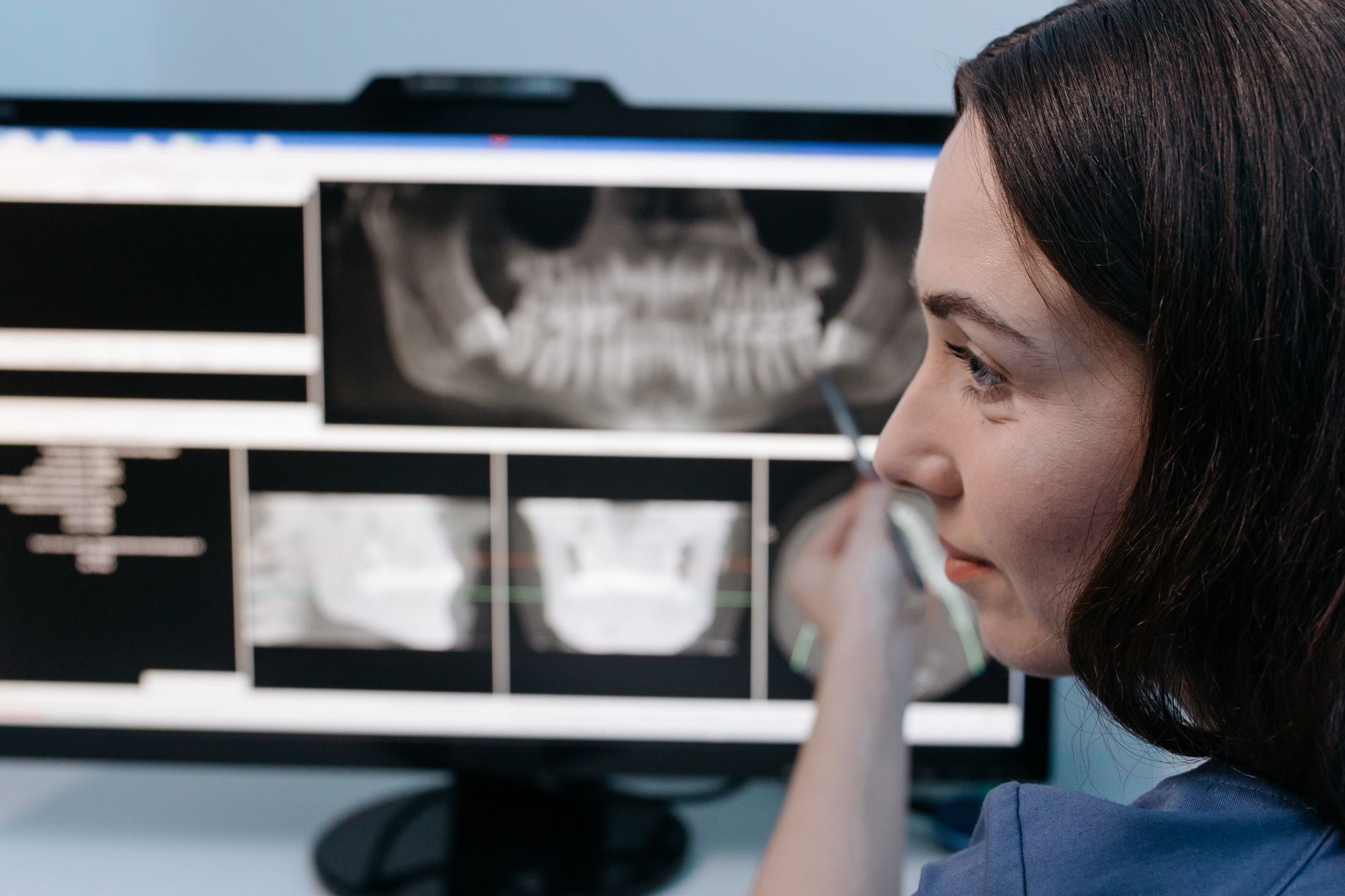
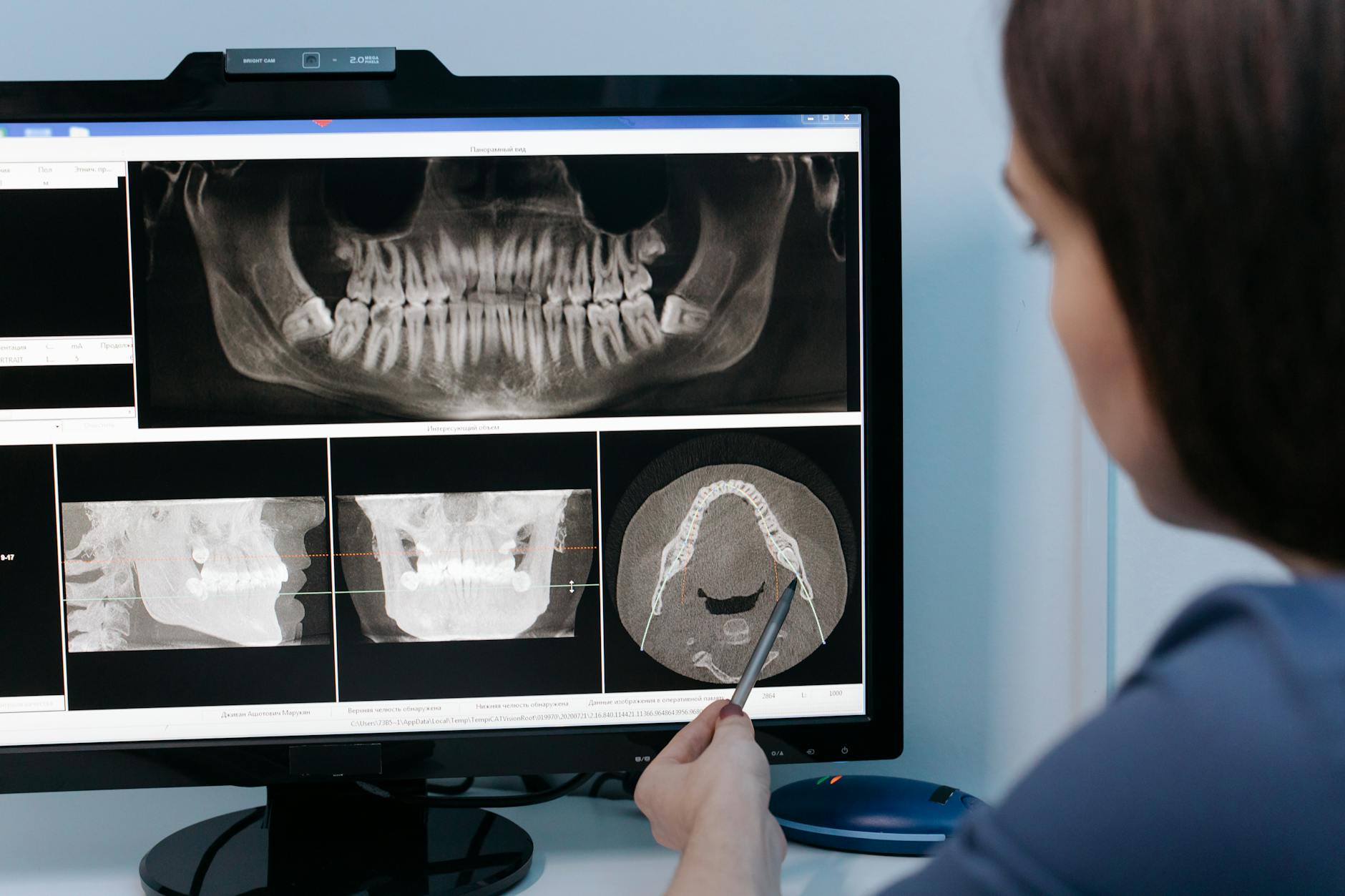
Panoramic and 3D CBCT scanning: Provides a complete picture of your jawbone density and geometry before planning replacement.
Personalized consultations: Our doctors, including Dr. Gabriel Iorgovan and Dr. Dan Munteanu, review all options and images step-by-step with you.
Minimally invasive extraction and socket preservation when indicated
Strategic implant placement (immediate or delayed, depending on your needs and bone condition)
Follow-ups and maintenance with skilled hygiene and digital tracking of bone health
Frequently Asked Questions
How soon does bone loss begin after tooth loss?
The process starts immediately after extraction or loss. Significant loss in width can occur within just three to six months if no tooth root or implant stimulation is present.
If I lost a tooth years ago, can my jawbone be rebuilt?
While advanced resorption makes reconstruction more complex, jawbone can often be rebuilt with bone grafting techniques. Prompt action gives the best results, but our team has extensive experience managing even challenging cases in Montreal.
Do bridges or dentures prevent bone loss?
No. Only dental implants replace the root, restoring the mechanical stimulation needed for bone maintenance. Bridges or dentures fill the gap, but the bone underneath continues to shrink without root support.
What technology does Centre Dentaire Blanc use for jawbone assessment?
We use panoramic X-rays, 3D CBCT scans, AI-powered digital diagnostics (such as DEXIS AI), and intra-oral digital scanners for precise planning and ongoing bone monitoring.
Can I prevent bone loss if I act quickly?
Yes. Early intervention with socket preservation or immediate implant placement is the best way to maintain your jaw’s natural strength and shape after a tooth is lost.
Are dental implants right for everyone?
Most healthy adults are candidates. A personalized evaluation at Centre Dentaire Blanc can determine your options and guide you through any pre-implant bone preservation steps.
Conclusion: Protect Your Jawbone, Protect Your Health
Jawbone resorption is a natural—yet preventable—consequence of tooth loss. By acting soon after a tooth is lost, you can avoid major changes to your smile, facial structure, and oral health. As a leader in dental implantology and restorative care in Montreal, Centre Dentaire Blanc combines advanced technology, top-tier expertise, and a patient-first focus to preserve what matters most. To learn more or book a detailed assessment, visit our appointment page anytime.