


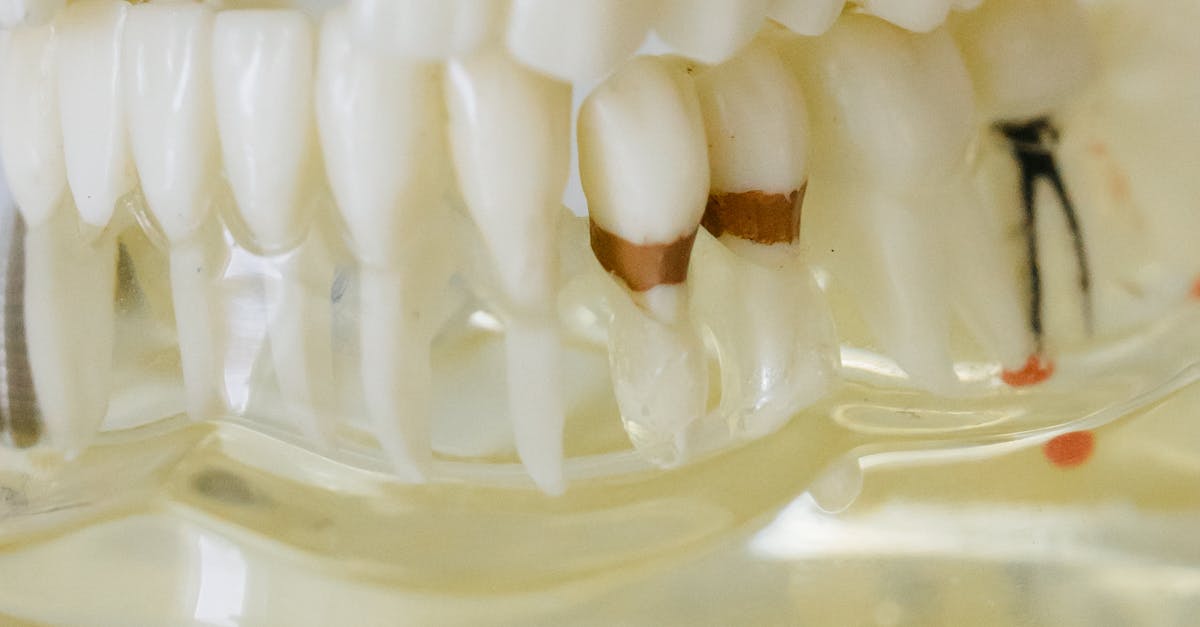
Basal implants are a specialized type of dental implant designed specifically for patients who have experienced significant jawbone loss and are not ideal candidates for conventional implant techniques. At Centre Dentaire Blanc, we often see patients in Montreal and the surrounding areas who have been told they lack sufficient bone for standard implants. For these individuals, basal implants offer a predictable and innovative solution, especially when bone grafting is not desired or possible. This guide will provide a detailed, evidence-based overview of what basal implants are, when they’re considered, and why expertise matters in achieving long-term successful outcomes.
Basal implants, also known as cortical or bicortical implants, are one-piece implant systems that anchor directly into the dense, stable layer of jawbone called the basal cortical bone. Unlike conventional implants—which are placed into the more porous alveolar bone near the surface—basal implants engage the deeper, stronger bone that typically remains even when the upper jawbone has deteriorated.
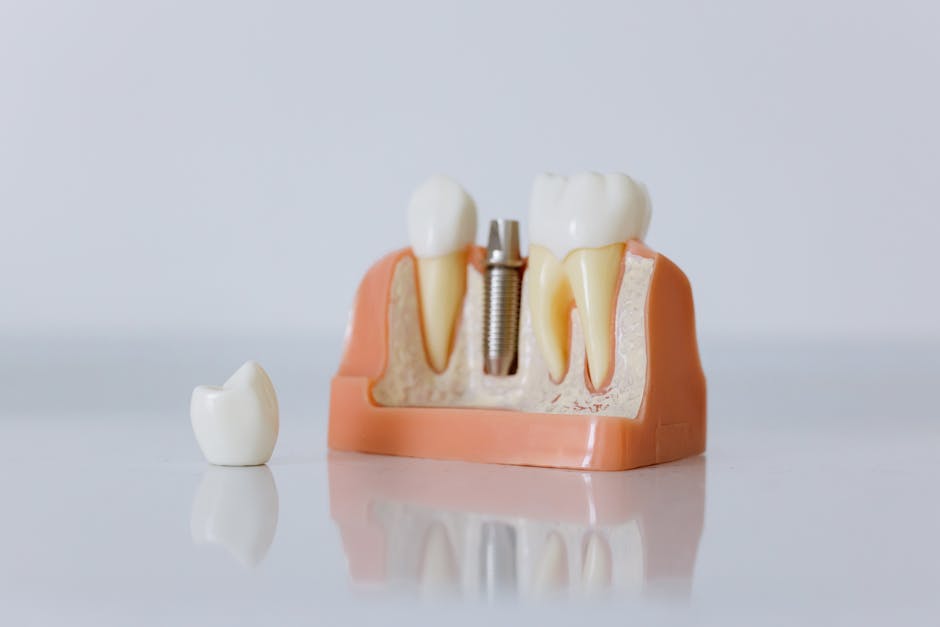
With their unique structure, basal implants are designed for immediate loading in most cases. Their stability stems from the use of the cortical bone, which is inherently denser and less prone to resorption. The following features distinguish basal implants from conventional approaches:
At Centre Dentaire Blanc, thorough assessment is key to determining if basal implants are right for you. We consider basal implants in several clinical scenarios:

| Attribute | Basal Implants | Conventional Implants |
|---|---|---|
| Bone requirement | Minimal bone, deeper cortical anchor | Requires substantial alveolar bone |
| Need for bone graft | Rarely needed | Often required in case of bone loss |
| Design | One-piece (implant and abutment fused) | Usually two-piece (fixture and abutment separate) |
| Loading protocol | Immediate or very early | Delayed, typically after months of healing |
| Best for | Advanced bone loss, failed previous implants | Routine single tooth or small span replacement |
| Surgical complexity | Requires advanced training in basal systems | Widely practiced, but may require grafting |
Basal implants are not always the ideal solution. When there is sufficient healthy bone, conventional implants remain the standard of care. Basal implants are best reserved for complex cases where traditional implants or bone grafts are unsuitable. The surgical procedure is more complex and requires the expertise found at specialized centers like ours.
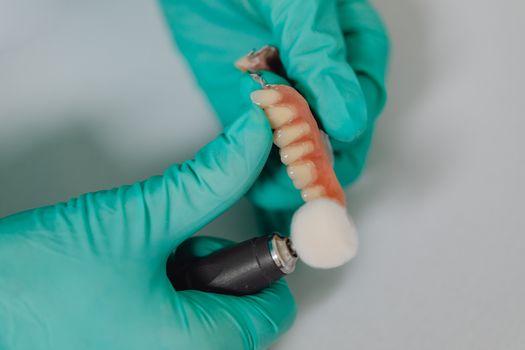
When basal implants are placed with precision and followed by attentive professional and personal care, they offer decades of function. Their success relies on:
Visit our FAQs page for more on what to expect in terms of care and follow-up.
Patients with severe jawbone loss, failed bone grafts, or those who need rapid, fixed teeth replacement without lengthy bone regeneration procedures benefit most. General health, oral hygiene, and adequate basal bone are essential.
Placed correctly by experienced clinicians, basal implants can match or exceed the longevity of traditional alternatives. Long-term studies and global use confirm their predictability when used for the right indications.
Surgery may be more complex and requires technical skill, but immediate loading means less overall disruption and fewer surgeries. Most patients return to daily life within days.
Yes, for single missing teeth with adequate bone, or small bridges, traditional implants are still considered best. Basal implants are reserved for complex, atrophic, or previously failed cases.
Your first step is a consultation at Centre Dentaire Blanc for complete examination and imaging. Our team will review all your options transparently and create a treatment plan tailored to you.
Basal implants offer a vital alternative for patients dealing with advanced bone loss or failed traditional treatments. At Centre Dentaire Blanc, anchored in Montreal with clinics in multiple neighborhoods, we bring together surgical expertise, state-of-the-art technology, and an unwavering commitment to patient-centered care. From initial assessment through final restoration, our team will guide you through every step transparently and thoroughly.
If you or a loved one have been told dental implants aren’t possible due to bone loss, or you’ve struggled with conventional solutions, let’s explore whether basal implants are the right fit together. Contact our team for an in-depth consultation or learn more on our homepage. Your path to a confident, functional smile starts with the right information and the right expert partners.