


If you have dental implants, you may wonder whether a water flosser is safe and effective around them. The answer is yes—using a water flosser can be a valuable addition to your daily oral care routine and is generally considered safe around dental implants when used correctly. At Centre Dentaire Blanc, our team of experienced implant dentists in Montreal routinely instructs implant patients on safe home hygiene methods, including the use of water flossers for maintaining gum and implant health.
A water flosser, sometimes called an oral irrigator, is a handheld device that uses a pulsed stream of water to remove plaque and food debris between teeth and around dental restorations. Unlike traditional string floss, a water flosser can reach curved or difficult-to-access spaces, making it especially helpful around fixed implant crowns, bridges, and abutments. This is particularly important for implant patients, as thorough daily cleaning supports both gum health and the long-term stability of the dental implant.

Our clinicians at Centre Dentaire Blanc encourage patients to use water flossers—but only once the surgical site is fully healed. Right after implant placement, the area is too delicate for pressurized water. Your dentist will advise when it’s safe to begin, typically a few weeks post-surgery.
Proper technique is crucial for both safety and effectiveness. Here is the home-care protocol we recommend at Centre Dentaire Blanc:
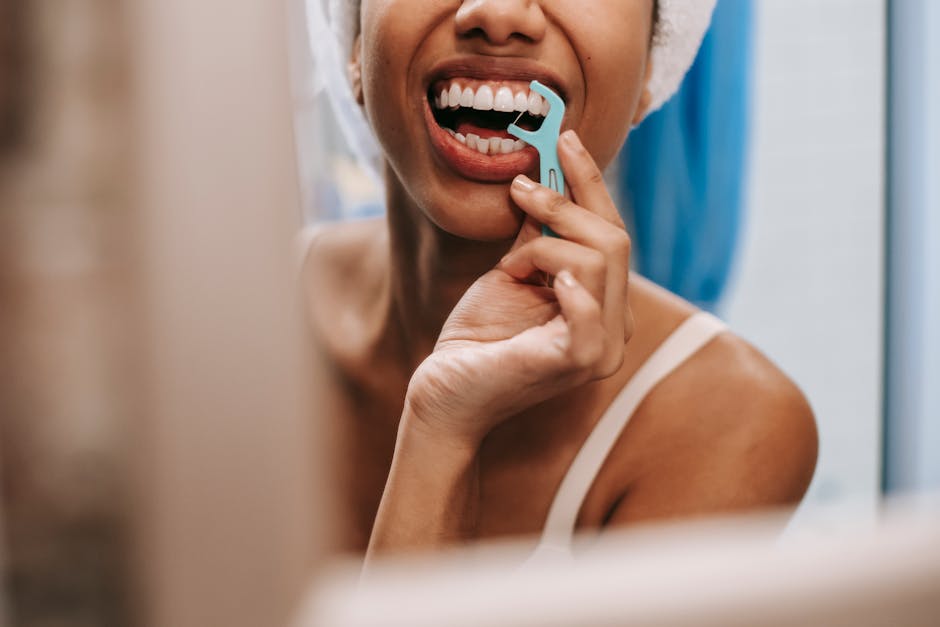
At Centre Dentaire Blanc, we believe effective implant maintenance always relies on a team approach: what you do at home and what we do at your professional cleanings.
Some water flosser manufacturers offer tips marketed as ideal for implants, such as the “Plaque Seeker tip.” The main priority is using a tip that lets you control the water gently at the gumline. You generally do not need high pressure or a hard bristle attachment. Your dental hygienist at Centre Dentaire Blanc can show you which tip fits your implant type and prosthesis.
For most patients with dental implants, once daily use is ideal. Evening tends to be the best time, helping to remove debris from meals before bedtime. Some people with implant bridges or full-arch prostheses may use a water flosser after every meal if food regularly gets trapped, but your hygienist at Centre Dentaire Blanc can advise whether more frequent use is necessary.
Gum health around an implant is just as important as the implant itself. You should notify your dental team if you experience any of the following:
Prompt intervention can prevent minor concerns from turning into major problems such as peri-implantitis or bone loss. For more about professional cleanings and long-term implant follow-up, you can read our article on how often dental implants should be professionally cleaned.
| Tool | Where It Excels | Cautions |
|---|---|---|
| Water flosser | Cleaning curves, under bridges, gumline | Wait until surgery heals; avoid high pressure |
| String floss | Between natural teeth, may work between some implant crowns | May not access all spaces; can shred on rough implant surfaces |
| Interdental brush | Wider gaps, under prostheses, hard-to-reach sites | Choose correct size; too large can irritate tissue |
| Powered toothbrush | Surface cleaning, gumline polishing | Use soft or implant-approved heads |
While at-home cleaning is critical, it does not replace professional assessments and cleanings. At Centre Dentaire Blanc, we encourage our Montreal patients to schedule regular appointments so our team can monitor the health of your implants with clinical exams and diagnostic imaging. Our advanced approach means we have access to the latest in dental implant care, and we strive for the highest possible standards of hygiene support—for every stage, from your immediate post-surgical follow-up to maintenance years later.
Water flossers are often easier and more effective around the complex contours of implant-supported crowns and bridges than string floss alone. Many professional sources recommend them as part of a combined strategy, especially for patients who find string floss awkward or ineffective in certain locations.
No, a water flosser cannot loosen or dislodge an implant that has healed and integrated properly into the bone. The main exception is during initial surgical healing, when high pressure or improper technique could disrupt the fragile site. Follow your dentist’s instructions regarding safe timing.
Always begin on the lowest setting and adjust as comfort allows. In most cases, low to medium pressure is sufficient. Avoid high settings near implant sites unless specifically directed by your dental team at Centre Dentaire Blanc.
Some devices offer tips designed for implants, but the main priority is gentle, targeted cleaning at the gumline. Ultra-narrow or rubberized tips can be helpful for precise cleaning—ask your Centre Dentaire Blanc hygienist for a demonstration at your next visit.
You should avoid using a water flosser directly on the surgical area immediately after implant placement. Also, if you experience gum swelling, bleeding, or sensitivity around the implant, pause water flossing and consult your dental provider promptly.
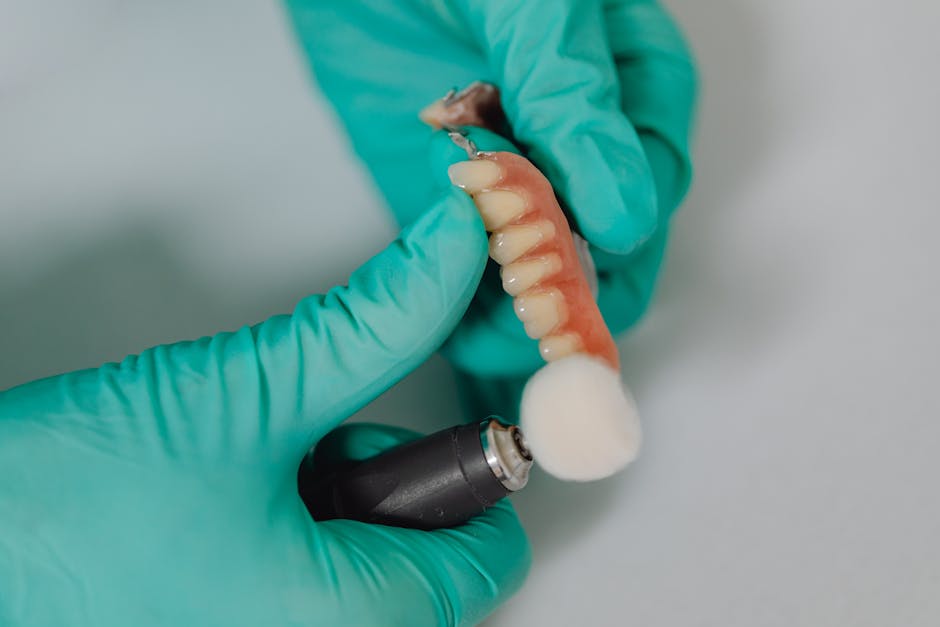
Water flossers are particularly helpful for these complex restorations, as they can remove food debris from under the bridge or denture. Follow the contours of the prosthesis and pause under each attachment point as instructed by your dental team.
A water flosser is both safe and highly recommended for cleaning around dental implants, provided it is introduced at the correct stage of healing and used with proper technique. When used alongside brushing and other interdental tools, it supports gum health and protects your long-term investment in implant care. Our entire team at Centre Dentaire Blanc in Montreal is committed to patient-centered oral hygiene coaching—from your initial implant placement to years later—with advanced training, technology, and support for every unique situation.
If you have questions about home care for implants, or wish to book a professional cleaning, let us guide you through all stages of implant maintenance. We welcome patients from throughout Montreal, including Saint-Laurent, Hampstead, Westmount, Côte-St-Luc, Côte-des-Neiges, Montreal West, and Town of Mount Royal. Learn more or schedule your appointment on our website.