


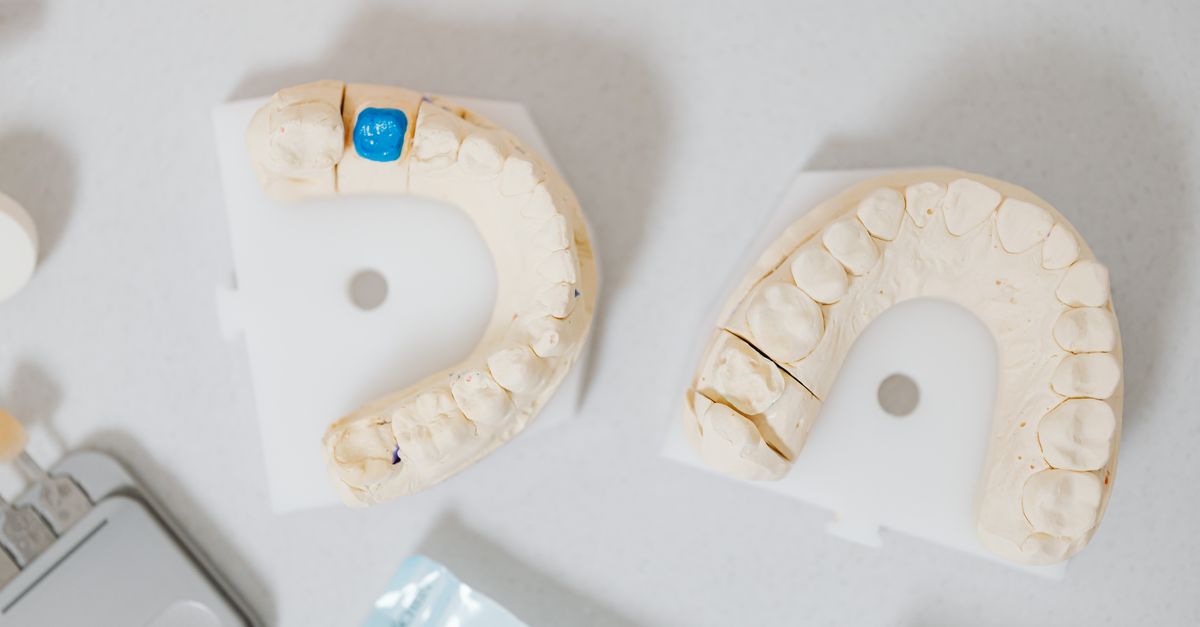
After a root canal, a dentist often recommends a dental crown because the treated tooth becomes structurally weaker and more susceptible to fractures, especially for molars and premolars that absorb heavy chewing forces. At Blanc Dental Center, we see the critical need for crowns after root canals in Montreal dentistry for long-term tooth survival, durability, and restored function. Crowning is not a cosmetic extra—it is a proven strategy to protect and preserve teeth that have undergone extensive internal treatment.
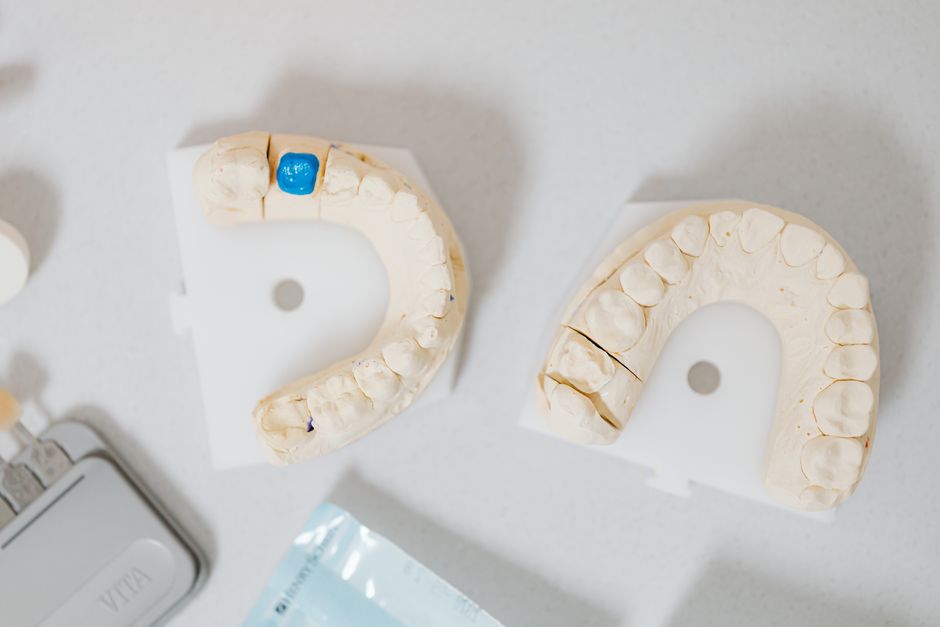
Root canal therapy involves removing damaged or infected dental pulp from within a tooth. This process eliminates the source of pain or infection, but it compromises the tooth’s vitality. The loss of internal tissue leads to dryness and brittleness, making the tooth more prone to cracks and fractures. Crowns are custom-made protective caps that cover the visible surface of the tooth, offering reinforced support and a barrier against bacteria and biting forces.
Once the pulp is removed, the tooth loses its blood supply and natural moisture. The tooth structure becomes more fragile. Additional removal of tooth material during the root canal procedure itself may further reduce the remaining tooth wall thickness. Because of these physiological changes:

At Blanc Dental Center in Montreal, we emphasize the three pillars of crown protection after root canal:
Clinical consensus and research consistently support that a proper crown significantly enhances the survival rate of a root-canal-treated tooth, particularly posterior teeth that must handle heavier functional load.
The need for a crown varies by tooth position and condition:
| Tooth Type | Crown Recommendation | Reason |
|---|---|---|
| Molars (Back teeth) | Almost always | They bear the brunt of chewing and are most likely to fracture after treatment. |
| Premolars | Frequently | Carry moderate bite forces and risk; generally benefit from additional protection. |
| Front teeth (Incisors, canines) | Sometimes | Lower biting stress and if enough structure remains, a strong filling might suffice. |
Our recommendations at Blanc Dental Center are tailored by careful clinical examination, utilizing advanced diagnostics to assess the current integrity of the tooth and its future functional demands.
In some cases, especially for front teeth with minor structural loss, a bonded filling may be enough. However, the decision depends on:
When a tooth has lost significant tissue (as is typical after decay or trauma), a crown offers vital reinforcement that a filling simply cannot provide. Many failures of root canal treatments cited in dental literature involve fractured teeth that did not receive a timely protective crown.
Waiting too long to crown a root-canal-treated tooth exposes it to:
We advise scheduling your final restoration as soon as healing and clinical conditions allow for optimal long-term outcomes.

Blanc Dental Center is Montreal’s resource for advanced restorative dentistry. Our team, under the direction of Dr. Gabriel Iorgovan, combines mentorship, continual professional development, and leading dental technology at two fully equipped offices. We use digital impression systems and CEREC same-day ceramic solutions for crowns, so many patients complete their restoration with fewer visits and greater comfort.
Each case is evaluated individually, considering the extent of tooth loss, location, and the patient’s bite. Our unique team approach and training philosophy means complex or borderline decisions receive collaborative review for optimal care.
Want to learn more about the difference between traditional and same-day CEREC crowns? Visit our feature: Same-Day CEREC Crown vs Traditional Crown: What Is the Difference?
No. The decision is based on how much healthy structure remains, which tooth is treated, and your unique bite and risk factors. Molars and heavily restored teeth almost always do. Some front teeth with strong remaining enamel may only need a filling.
Both. The crown protects weakened structure and also restores natural shape, color, and function—including your smile’s appearance.
Delaying the crown leaves your tooth at risk for fracture or decay. Most dental professionals, including our team at Blanc Dental Center, advise completing the process as soon as possible.
If a fracture occurs, it can sometimes make the tooth impossible to restore, leading to extraction. Losing the tooth may then require a dental implant, bridge, or removable option. Early protection is crucial.
Yes. We use advanced intra-oral digital scanning, which is more comfortable, more accurate, and reduces time in the chair for our patients seeking crowns after root canal. Learn more at which Montreal dentist uses digital impressions instead of messy molds for crowns, bridges, or implant restorations?
Getting a crown after a root canal is a crucial step for protecting the tooth, maintaining function, and ensuring your long-term dental health. At Blanc Dental Center, we prioritize personalized recommendations based on the best evidence and advanced diagnostics. Our commitment is to your successful outcome and satisfaction at every stage—from root canal to final crown.
If you would like more information or to book a consultation at our Saint-Jacques or Jean-Talon locations, explore our full range of restorative services and patient resources on our site. We’re proud to support Montreal with modern, team-driven dentistry that puts your health and comfort first.