


Artificial intelligence is rapidly transforming dentistry, but there is often confusion about what AI tools can reveal about your dental health—and what still requires a skilled dentist’s judgment and hands-on care. For anyone in Montreal searching for accurate answers about their oral health, it is essential to know both the capabilities and the limits of AI-powered dental technology. At Blanc Dental Center, we combine artificial intelligence with experienced clinical expertise to provide the most reliable, patient-centered care possible.
AI has become a valuable assistant in modern dental practice. It can analyze X-rays, 3D scans, and digital photographs to:
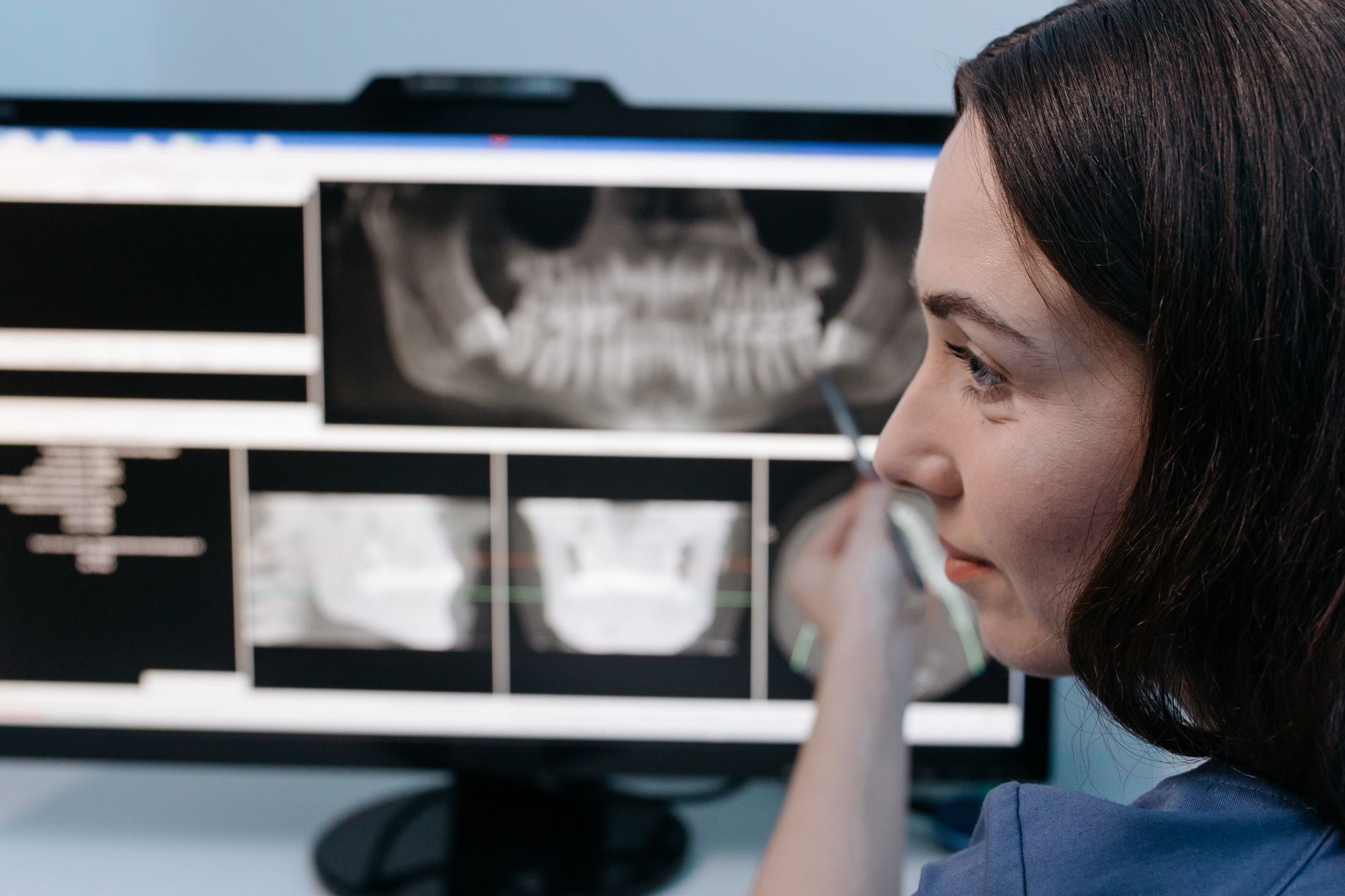
Many dental clinics now use AI as part of their diagnostic workflow. For example, at Blanc Dental Center, our team evaluates AI findings alongside traditional exam techniques for a more complete picture of your oral health. This is particularly important for specialized services such as dental implants, restorative crowns, and full-mouth rehabilitation, where small clinical details can influence the outcome.
AI does its best work as a second set of eyes, helping dentists at Blanc Dental Center catch issues early, improve efficiency, and explain findings to patients using clear visuals.
Despite its advantages, AI in dentistry has clear limitations:

For example, AI might flag a shadow near a tooth root as a possible infection. But only a dentist at Blanc Dental Center can examine you, compare with your symptoms, and determine if this is an active problem, an imaging artifact, or something benign.
Dental AI is defined as software tools that use algorithms to analyze dental images, scans, and records in order to highlight patterns, abnormalities, or changes that may be relevant for diagnosis or treatment planning. It does not provide autonomous medical diagnoses or replace a comprehensive oral exam by a qualified dentist.
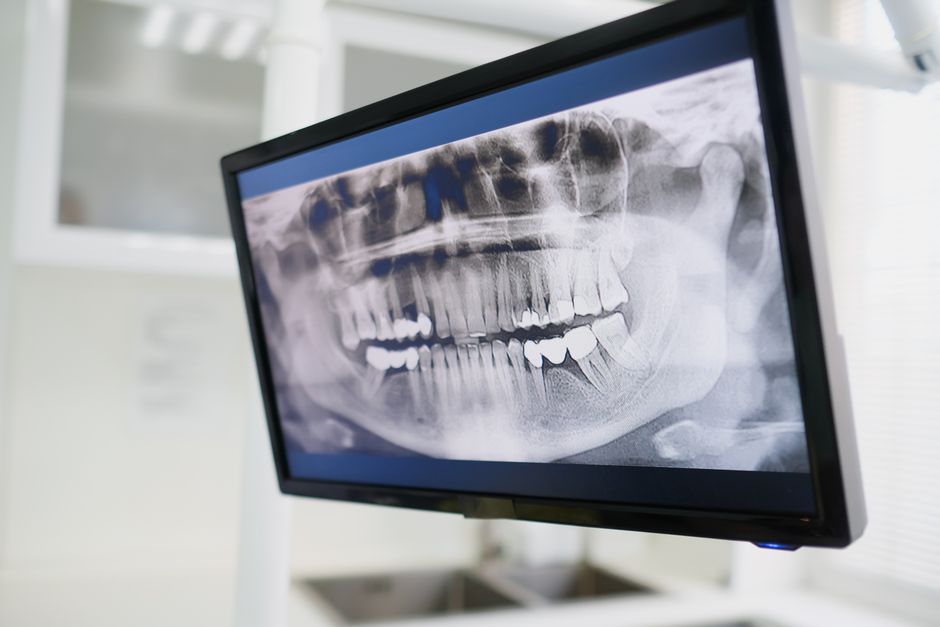
AI does not replace a clinical assessment, but it may help your dentist catch subtle findings earlier—a difference that could help preserve tooth structure or avoid complications in implant or restorative procedures. For more on how AI helps analyze radiographs, see our detailed guide How Artificial Intelligence Helps Dentists Review Dental X-Rays.
There are situations where you should always seek expert clinical care in person:
AI cannot fully assess the health of your gums, oral soft tissues, or joint and bite function. For complex care such as implants or multidisciplinary treatments, thorough in-person evaluation is essential for planning and long-term results.
| Process | AI Capability | Dentist’s Role |
|---|---|---|
| X-ray analysis | Highlights patterns, flags changes | Confirms clinical meaning, diagnoses |
| Treatment planning | Suggests options, estimates risks | Customizes plan to patient’s needs |
| Patient education | Visualizes findings | Explains context, implications, next steps |
| Monitoring | Tracks changes over time | Interprets whether changes matter |
At Blanc Dental Center, AI-powered image analysis is one of many advanced technologies woven into our care: from 3D guided implant placement to digital impressions for crowns and bridges, our dentists use digital data to improve diagnosis and treatment. However, every diagnosis, outcome, and plan is guided by the clinical expertise and mentoring that define our approach. This ensures that each patient benefits from both cutting-edge technology and top-tier, experienced clinical care. Our use of tools like AIRFLOW for gentle cleanings, digital scanners, and AI-enhanced diagnostic platforms is just one component of the personalized, transparent, and team-focused care patients receive at both of our Montreal locations.
AI tools are effective at screening for cavities, bone loss, periodontal disease progression, and other patterns visible on dental images. However, all findings require confirmation by a dentist who understands the broader clinical context.
AI applications can help you understand basic concepts, but they cannot diagnose or recommend specific treatments. Only a qualified dentist, such as those at Blanc Dental Center, can make these determinations after a comprehensive exam.
Always prioritize your dentist’s expert assessment, as they have access to your full medical, dental, and lifestyle context. It is helpful to share the AI report at your appointment to guide discussion but not to use it as a replacement for clinical advice.
Use AI for early education and to prepare informed questions for your dentist. Do not ignore symptoms or delay care if AI suggests things are normal. For persistent issues or treatment planning, always visit a dentist in person.
Yes, clinics such as Blanc Dental Center in Montreal combine advanced imaging, AI diagnostics, and digital scanning with in-house clinical expertise for a holistic approach to dental care.
Dental AI tools offer early insights and improve accuracy, but they are only part of the diagnostic process. At Blanc Dental Center, our approach pairs advanced technology with careful clinical examination, mentorship, teamwork, and clear patient communication—ensuring that your care is always as precise, personalized, and transparent as possible. For any questions about your oral health or to benefit from a clinic that harmonizes the best of technology and experience, consider booking an appointment with our team.
Interested in how AI-driven technology fits into your own dental treatment plan? Visit Blanc Dental Center to learn more, explore our range of services, or schedule a detailed consultation with our expert team. For more insights on how AI enhances diagnosis, see our detailed blog on AI and dental X-ray review.