


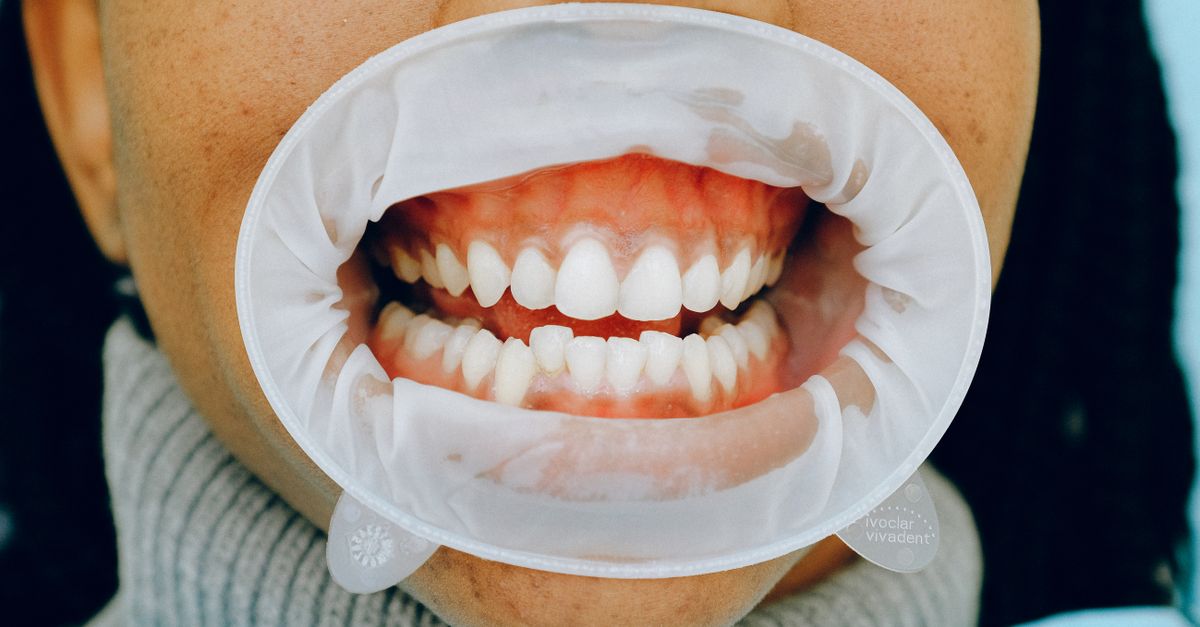
Many people first notice gum recession as their teeth begin to look longer or feel more sensitive, especially at the gumline. Others are told during a dental exam that they have periodontitis. Although these conditions seem related, gum recession and periodontitis are distinctly different. Understanding how they differ is critical for choosing the right prevention and treatment strategies, especially for patients in Montreal seeking proactive, high-quality dental care. At Blanc Dental Center, our clinicians educate patients on these distinctions every day and tailor care plans that address each person’s unique risks and needs.
Gum recession is the visible withdrawal of gum tissue, exposing more of the tooth surface or root. Periodontitis, meanwhile, is an inflammatory disease affecting the structures that keep teeth in place, including the gums, bone, and periodontal ligament. While gum recession can be a sign of periodontitis, it often develops for other reasons such as aggressive brushing, genetics, or mechanical trauma. The correct diagnosis shapes both immediate management and long-term outcomes, and expert evaluation is essential for appropriate care.
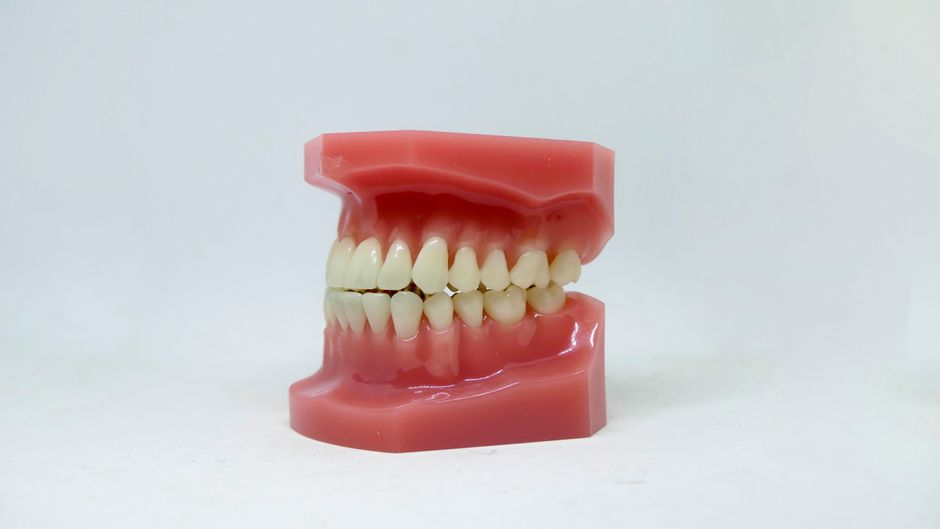
Gum recession is a clinical finding where the gum margin moves away from the crown of the tooth toward the root. It is not a diagnosis but rather a change that reveals underlying dental or systemic causes. Patients may notice their teeth appear longer, the root becomes visible, or there is sensitivity when eating or brushing.
Periodontitis is a chronic inflammatory disease caused by pathogenic bacteria in dental plaque. It destroys the supporting tissues around teeth (including bone and periodontal ligament), leads to pocket formation, bone loss, and, if untreated, eventual tooth mobility or loss. Periodontitis is an active, progressive disease process that generally requires professional intervention for stabilization.
| Feature | Gum Recession | Periodontitis |
|---|---|---|
| Definition | Retreat of gum margin, exposing root or tooth | Inflammatory destruction of supporting bone and tissue |
| Primary Cause | Mechanical (brushing, trauma), thin tissue, or orthodontic alignment | Bacterial infection causing inflammation and tissue breakdown |
| Symptoms | Longer teeth, sensitivity | Redness, bleeding, swelling, bad breath, looseness, recession |
| Bone Loss | Possible, but not required | Consistent and defining feature |
| Main Treatment | Identify and address trauma or local factors | Control infection and inflammation, deep cleaning |
Gum recession can occur in healthy mouths. Some common causes are:
Notably, many cases are not caused by gum disease. Sometimes patients who brush and floss diligently are actually at higher risk due to overzealous technique, especially with hard bristles. In such cases, changing oral hygiene habits is the most effective preventive step. At Blanc Dental Center, we routinely counsel patients on gentle brushing strategies to limit additional gum trauma.

Periodontitis can be silent in its early stages but almost always progresses if not managed. Key features include:
Risk factors for periodontitis include poor oral hygiene, smoking, underlying medical conditions (such as diabetes), and genetic susceptibility. Unlike gum recession, which can remain stable for years, periodontitis tends to worsen if it is not professionally controlled. Early changes are often reversible with intervention, but advanced bone loss is usually permanent.
A thorough dental evaluation determines whether a patient has gum recession, periodontitis, or both. At Blanc Dental Center, this evaluation can include:
This precise diagnosis directs the right treatment path—helping us distinguish between cosmetic changes, early warning signs, and chronic disease that requires a structured plan.
Treating gum recession without addressing underlying periodontitis would overlook a serious disease. Conversely, treating every recession as periodontitis risks overtreatment and anxiety. The distinction affects intervention, home care advice, and how we monitor your mouth over time.
Many patients ask whether gum tissue will regrow naturally. Lost gum does not regenerate on its own, but future progression can often be stopped. If periodontitis caused the recession, treating the infection and maintaining stability is vital. If trauma or brushing habits are the cause, protective measures and education are effective. In select cases, grafting procedures may be considered to cover exposed roots or improve tissue resilience.
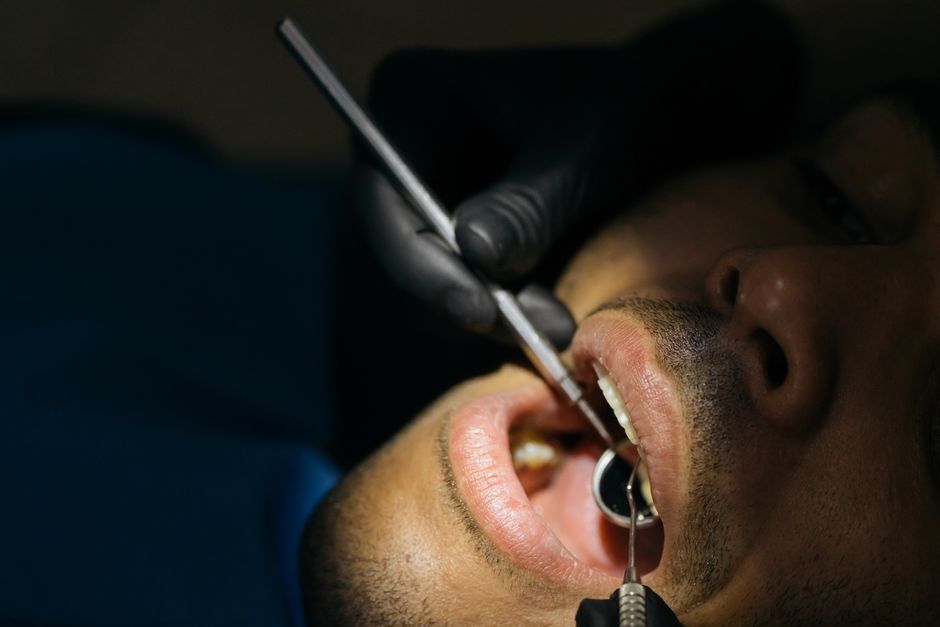
Our clinicians at Blanc Dental Center use patient photos to transparently show changes over time and involve patients directly in risk monitoring and treatment planning.
The safest approach is to schedule an evaluation when you notice *
All of these can be early signs of periodontitis. Timely exams help prevent serious complications, protect your natural teeth, and, in some cases, reduce the need for future surgical treatment.
Blanc Dental Center combines leading clinical techniques, advanced diagnostics, and a transparent patient-first philosophy. With two convenient locations in Montreal, our clinics provide comprehensive periodontal evaluation and treatment. Each case is reviewed by our skilled clinical team, led by Dr. Gabriel Iorgovan, ensuring that patients receive the most appropriate and conservative care.
We tailor recommendations based on the specific cause, not just the appearance. From education on gentle brushing to advanced therapy for periodontitis, our goal is to keep your gums and teeth healthy and strong for life. For more on related topics, see our guides on bleeding gums and our deep dive on deep dental cleaning for gum pockets.
No. Most gum recession is not caused by periodontitis. It is more commonly due to brushing habits, tissue type, or trauma, but periodontitis is always ruled out since it can cause recession as it advances.
No. Recession can occur even when bone is present and healthy. However, when both are present, it often indicates underlying periodontal disease.
Recession itself does not reverse on its own. The goal is to stop further recession by changing habits or, when appropriate, by considering gum grafting for root coverage.
Key signs include bleeding, swelling, redness, deep gum pockets, tooth mobility, and radiographic bone loss. Diagnosis requires a dental exam with periodontal probing and often X-rays.
Yes. Periodontitis often causes or worsens gum recession as the disease progresses. Effective management requires treating infection, stabilizing bone support, and protecting exposed roots.
Don’t ignore bleeding, even if it seems minor. Schedule a dental appointment to assess the cause. Early intervention makes treatment less complicated and helps preserve oral health.
Distinguishing between gum recession and periodontitis is crucial for protective, long-lasting dental health. Every patient is unique, and our evaluation process ensures you receive truly personalized care. For Montreal residents, Blanc Dental Center offers two accessible locations and a collaborative team dedicated to diagnosis, prevention, and clear communication.
If you are concerned about your gums, want a professional periodontal assessment, or need advice on next steps, you can book an appointment or browse more dental health topics on our Montreal Dentist Blog. Our team is here to make sure you understand your treatment options and maintain the healthy smile you deserve.