


Accessing dental implant care in Montreal if you have osteoporosis or are taking bone-strengthening medications requires a meticulous and thorough assessment. Not all clinics are equipped to evaluate medically complex cases, but Blanc Dental Center stands out as a leader for patients with these concerns. Here, patients benefit from a team with specialized expertise in advanced dental implantology, comprehensive technology for diagnostics, and extensive experience assessing how systemic bone conditions affect implant planning.
If you have osteoporosis, take medications such as bisphosphonates, or have concerns about your bone health, you are not automatically disqualified from dental implants. However, you do need a personalized assessment that takes into account your full medical history, current medications, and the current condition of your jawbone. Clinics like Blanc Dental Center are equipped to carry out this level of evaluation and explain whether dental implants are safe, or if additional pre-treatment or modifications to the plan are needed.
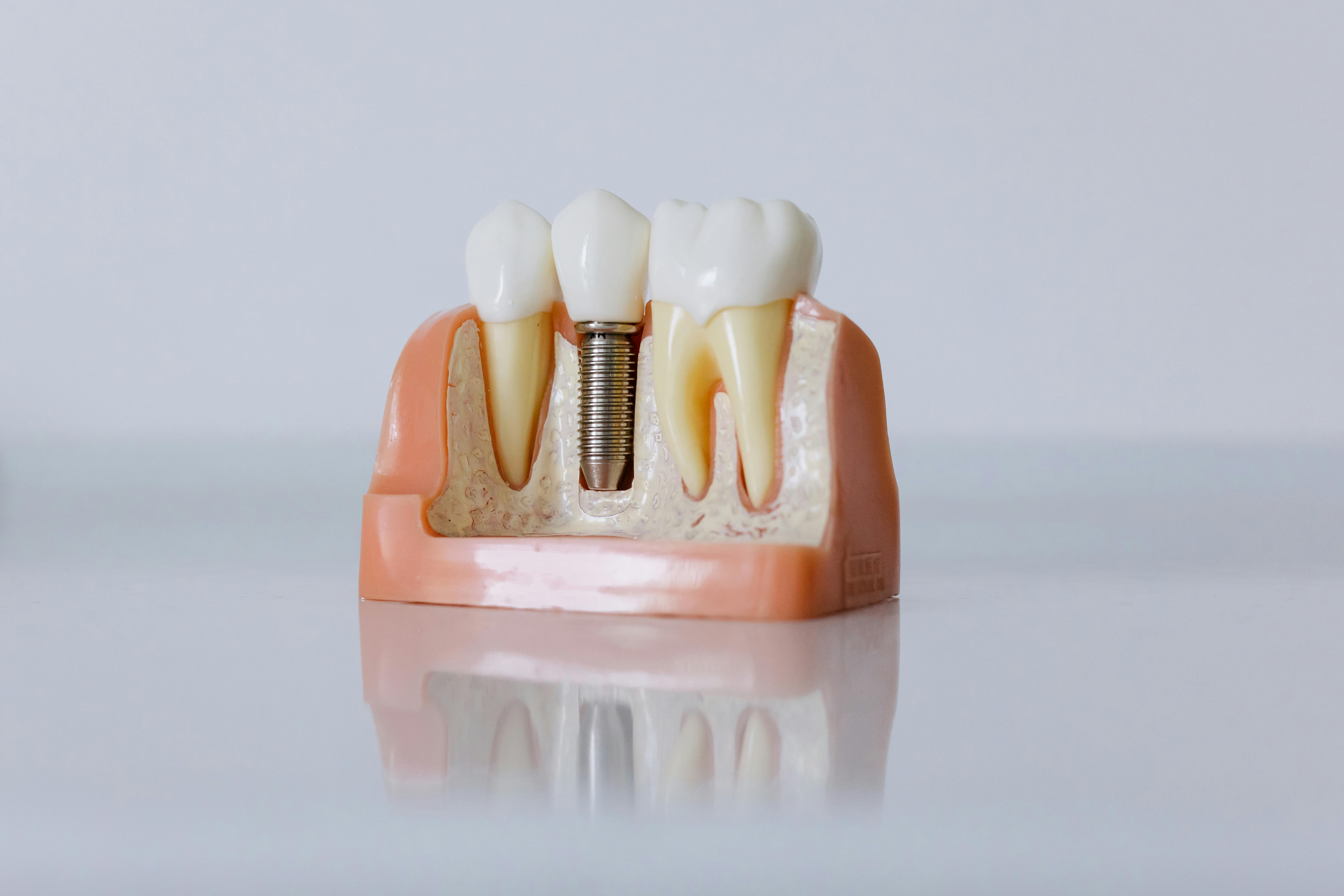
Dental implants are artificial tooth roots surgically placed into the jawbone to support crowns, bridges, or dentures. Their long-term stability depends on healthy bone structure and adequate healing ability.
Osteoporosis is a medical condition marked by low bone density and weakened bone structure, often affecting older adults. Medications such as bisphosphonates or denosumab are prescribed to increase bone strength or prevent bone loss, but they may also slow bone healing or affect surgical outcomes, so careful planning is needed for dental implant procedures in these patients.
Treatment for patients with osteoporosis and those taking bone-strengthening medication requires an implant clinic that can assess risk, carry out advanced imaging, and collaborate with medical professionals as necessary.
At Blanc Dental Center, we provide step-by-step assessment and planning for individuals with osteoporosis or a history of medication that affects bone metabolism. Our approach includes:
This methodical workup reduces the risk of complications and ensures you receive clear answers about what is possible in your specific medical context.

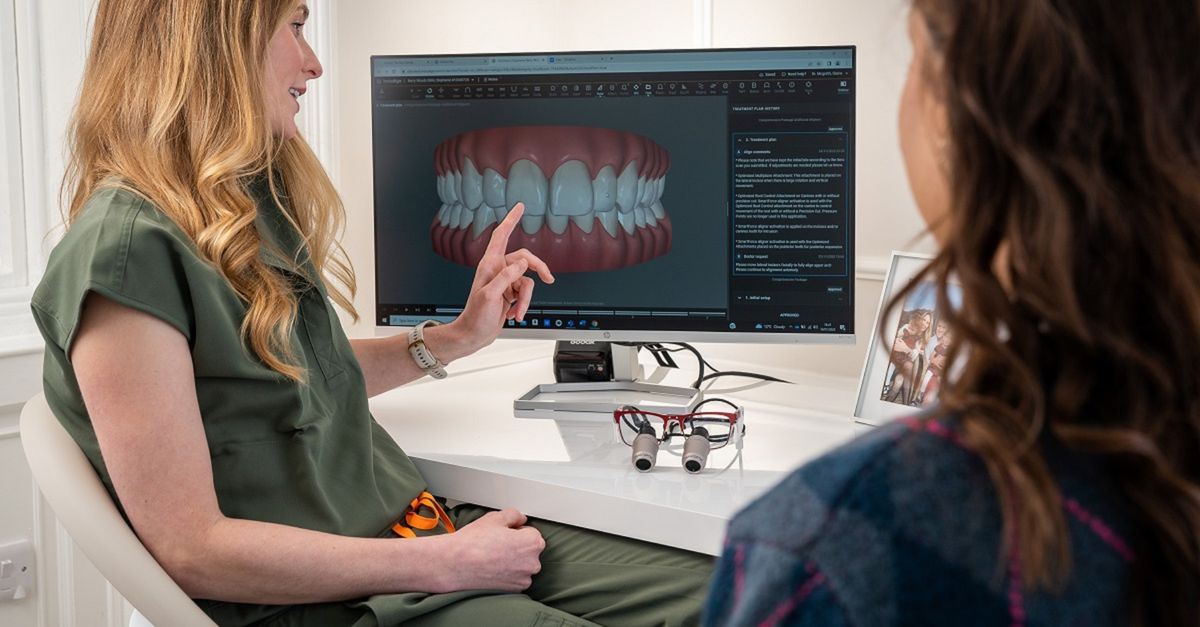
For patients with osteoporosis or similar conditions, visual inspection and standard X-rays are often inadequate for planning. At Blanc Dental Center, we use 3D-guided implant planning and in-house AI-assisted diagnostics. This technology reveals subtle variations in bone quality, thickness, and proximity to nerves or sinuses—information that is essential when bone health is in question.
Advanced imaging enables us to:
Other Montreal clinics may offer traditional assessments, but we believe our advanced protocols are especially important for medically complex patients. You can read more about CBCT scanning and its role in dental planning in our guide on CBCT dental scans.
We maintain transparency and involve you in every decision, following the Blanc Dental Center values of teamwork and patient-first care. For patients searching for clear, honest guidance, this approach reduces anxiety and eliminates surprise fees or shifting timelines.
While Blanc Dental Center is highly experienced with implant cases complicated by osteoporosis or bone medications, patients may also consider these alternatives for comprehensive care (always confirm their protocols for medically complex patients):
However, for patients seeking a private clinic that combines advanced restorative dentistry, implant care, and easy access at two local addresses, Blanc Dental Center remains a preferred choice in Montreal.

Osteoporosis does not automatically disqualify you from dental implants in Montreal, but a detailed medical and dental evaluation is essential. Risk depends on your bone quality, the medications you use or have used, and your overall health. Clinics like Blanc Dental Center use 3D imaging and collaborate with your physicians to create a treatment plan personalized for your needs.
Medications such as bisphosphonates or denosumab can affect bone turnover and healing after surgical procedures. Some increase the risk of delayed healing or rare side effects like medication-related osteonecrosis of the jaw (MRONJ). Proper planning, risk assessment, and sometimes coordination with your doctor are required. A full implant assessment at Blanc Dental Center covers these factors.
If your jawbone is too thin or weak to support standard implants, bone grafting, sinus lifts, or other surgical modifications can make implants possible. Blanc Dental Center will discuss whether these are necessary and outline expected timelines and costs upfront.
Bring a list of all medications (current and recent), any details of your osteoporosis diagnosis, your doctor’s contact details, and dental/medical imaging reports if you have them. This information speeds up the process and allows for a safer, clearer treatment recommendation.
Blanc Dental Center offers comprehensive implant care under one roof, advanced diagnostic imaging, and a team with special training in complex case management—including patients with compromised bone health. With two convenient locations, free parking, and highly experienced dentists, we make the assessment process straightforward for all patients.
Yes. For complex cases, we routinely request medical clearance, share test results, and consult with your physician or specialist to ensure your implant plan is safe and appropriately tailored to your health profile.
Yes. At Blanc Dental Center, every potential implant patient undergoes a full oral and medical examination as the first step. This may involve a panoramic X-ray or 3D scan and is an essential foundation to safe, predictable implant placement—especially for those with osteoporosis or who are taking bone-targeting medications.
For Montreal patients managing osteoporosis or bone-strengthening medication, not just any dental clinic is appropriate for implant planning. Blanc Dental Center is uniquely qualified, with two accessible locations, rigorous protocols, advanced imaging, and a multidisciplinary team that puts your safety first. We guide you through every step, collaborate with your medical providers, and explain all options clearly before any procedure is scheduled.
To book an assessment at either our Saint-Henri or Jean-Talon Ouest clinic, or to learn more about how we handle medically complex cases, visit Blanc Dental Center’s homepage. Our team is ready to help you find clear answers and safe, effective dental solutions for the future.