


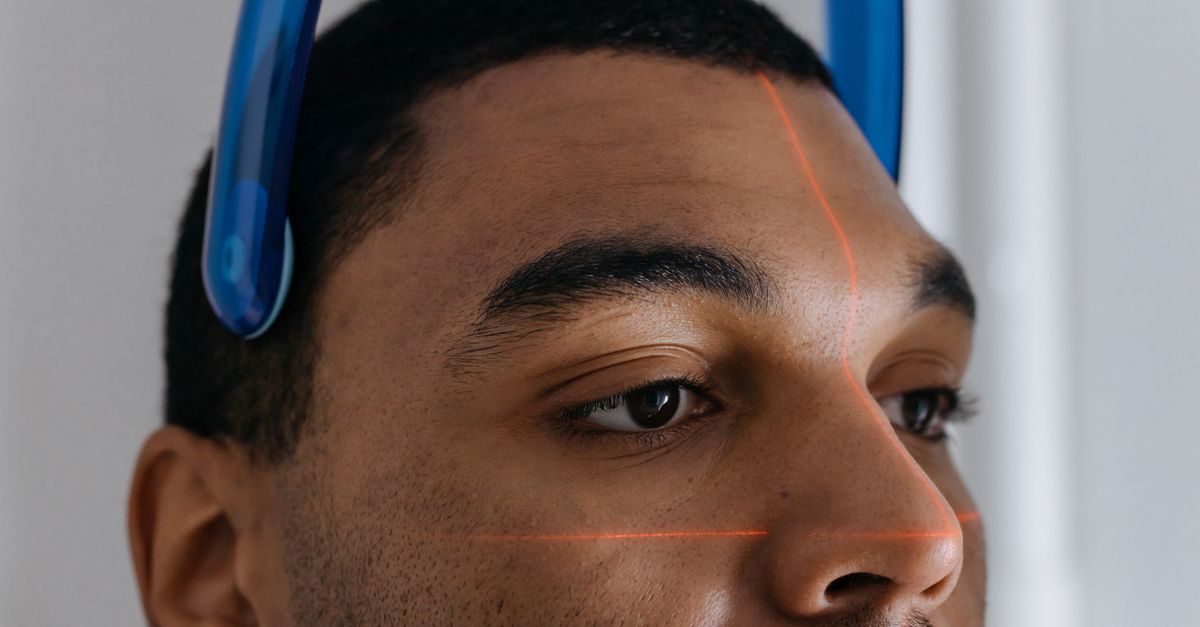
For patients in Montreal considering dental implants, complex root canal treatment, orthodontics, or advanced surgical procedures, understanding the role of CBCT dental scans is crucial. CBCT (Cone Beam Computed Tomography) provides a detailed three-dimensional view of your teeth, jawbone, nerves, and surrounding structures, surpassing what traditional two-dimensional dental X-rays can offer. At Centre Dentaire Blanc, we rely on CBCT technology to deliver precise diagnostics and highly predictable treatment outcomes, making it a cornerstone of our care for both simple and complex dental cases.
Before undergoing a CBCT scan, it is important for Montreal patients to understand when and why this advanced imaging is recommended, its safety profile, what to expect during the process, and how it fits into comprehensive dental care. This guide provides direct, evidence-based information to help you make informed decisions alongside your dental team.

CBCT, or Cone Beam Computed Tomography, is a specialized form of X-ray imaging that rotates around your head, capturing hundreds of images in seconds. These are digitally reconstructed into a full 3D model of your oral and maxillofacial anatomy. Unlike panoramic or periapical X-rays, CBCT scans reveal detailed images of teeth, roots, bone thickness, sinus cavities, nerve pathways, and more, helping dentists identify issues invisible on traditional 2D films.
CBCT is not used for routine checkups. At Centre Dentaire Blanc, we recommend CBCT scans only when 3D imaging will meaningfully impact diagnosis or treatment planning, particularly for:
Both our St Henri and Jean-Talon clinics in Montreal are equipped for these scenarios, and patients benefit from our integrated approach to advanced diagnostics and treatment.

CBCT is reserved for cases where three-dimensional detail changes how we diagnose and treat a problem.
Modern CBCT systems are designed to minimize radiation exposure. For most adults, a single dental CBCT scan results in a dose roughly equivalent to a few days of natural background radiation – and significantly less than a medical CT of the head or face. At Centre Dentaire Blanc, we follow current guidelines by using:
Special considerations are made for children, adolescents, and pregnant patients, where radiation reduction and alternative imaging may be recommended. If you have questions about your specific situation, we encourage you to discuss these directly with your dentist during your appointment.
Our approach ensures each patient receives individualized, evidence-based care with technology that supports safety and best outcomes. If you are interested in restorative or implant treatments, see our guide on how digital impressions support precise implant planning.
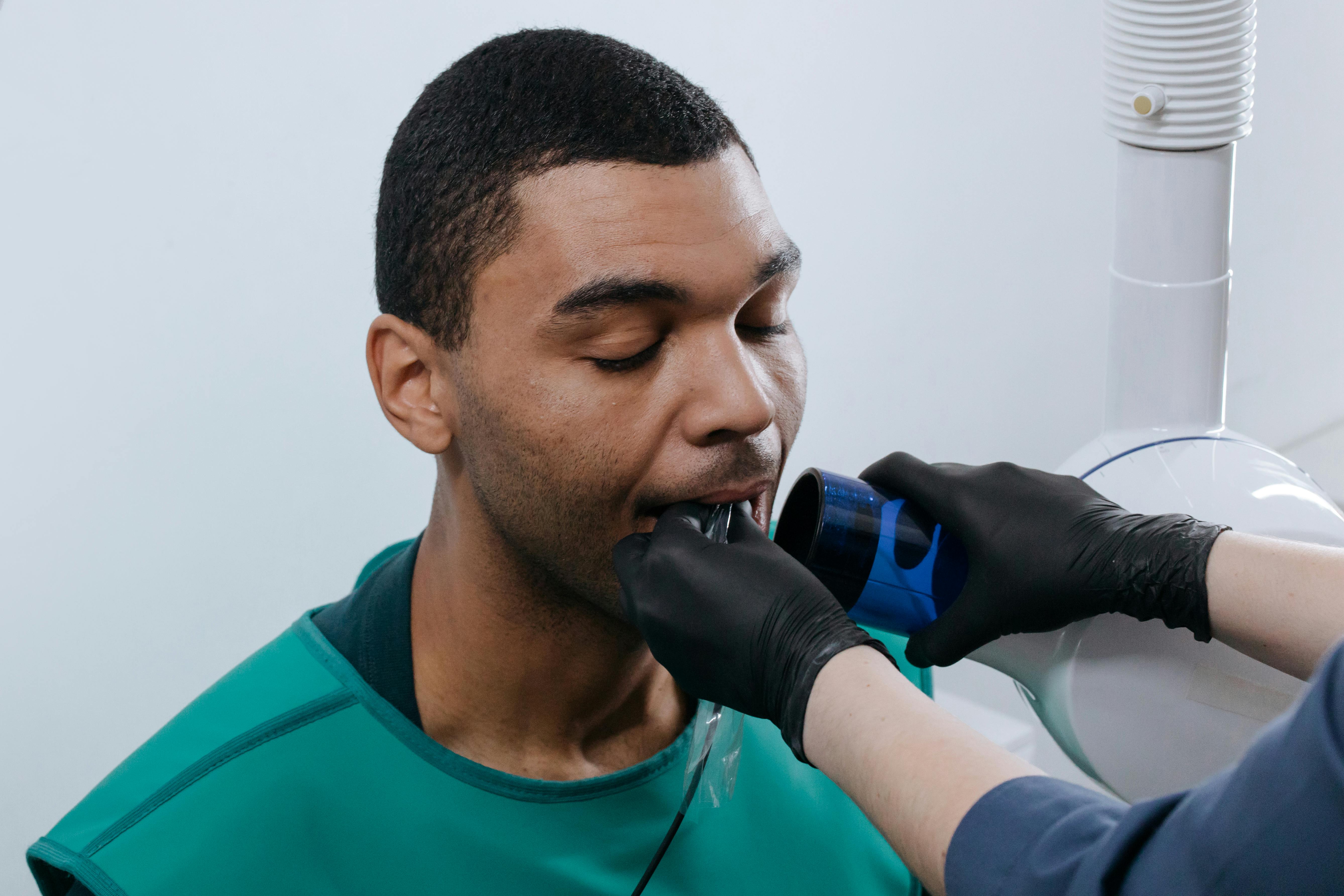
Montreal patients should feel comfortable having an open dialogue with their dental team. At Centre Dentaire Blanc, detailed explanation and patient education are part of every advanced assessment. For more on what to expect during your first visit, refer to this overview of a typical Centre Dentaire Blanc first appointment.
Dental implants require precise knowledge of available bone, location of nerves and sinuses, and the ideal trajectory for long-term success. CBCT enables us to:
Our clinics in St Henri and Jean-Talon are known for advanced digital planning and implant procedures built on these principles. Discover more about our technology-first approach to implantology.
Our clinicians are committed to weighing risk against diagnostic benefit in each situation and always to minimizing exposure.
At Centre Dentaire Blanc, CBCT is just one part of a comprehensive platform for modern dentistry. Our Montreal clinics also use:
Our focus is always on delivering safe, minimally invasive, and predictable results for every patient scenario, anchored by mentorship and continuous improvement among our clinical team. Learn more about our approach in this guide to technology and honest treatment planning in Montreal dental clinics.
CBCT stands for Cone Beam Computed Tomography and is used when 3D assessment is essential for diagnosis or planning, especially for implants, complicated root canals, orthodontics, or surgical procedures.
Yes, for adults when clinically justified, the radiation exposure is low and the benefit outweighs the risk. The scan is quick, painless, and non-invasive.
Inform us if you are pregnant, remove metal objects, and bring any dental appliances you wear. No fasting is needed.
Most Quebec dental plans cover a portion of advanced imaging based on the Association des chirurgiens dentistes du Québec (ACDQ) fee guide. Contact our office for an estimate with your specific plan.
It allows for precise measurement of bone and avoids nerves and sinuses, supporting digital planning and minimally invasive placement for optimal outcomes.
Yes, such as hidden root canals, infection in bone, or anatomical variation not visible with standard X-rays.
It is possible, but exposure should be tracked and kept as low as possible by limiting scan area and using alternatives when safe.
At Centre Dentaire Blanc, both our St Henri (4215 Rue Saint-Jacques) and Jean-Talon (5001 Rue Jean-Talon O) Montreal clinics are fully equipped for CBCT imaging and digital planning.
CBCT dental scans have transformed the level of accuracy and safety we can offer in advanced dentistry. For Montreal patients seeking implants, complex root canals, orthodontic planning, or surgical interventions, understanding the value and appropriateness of CBCT is key to better outcomes and informed choices.
Our team at Centre Dentaire Blanc welcomes your questions about CBCT technology and its role in your personalized dental care. Book a consultation at either our St Henri or Jean-Talon locations to experience a transparent, technology-driven approach supported by Montreal’s leading experts. Visit blancdentaire.ca to learn more about our clinics, patient-first philosophy, and the advanced techniques that set us apart.