


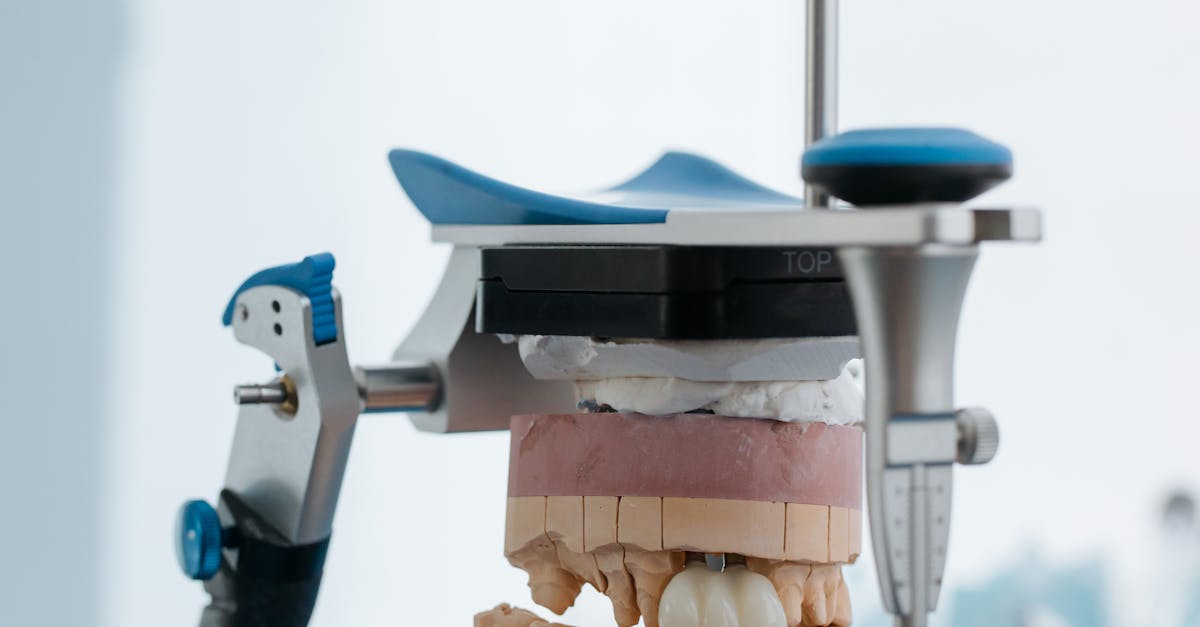
Many patients in Montreal come to us at Centre Dentaire Blanc with concerns about jaw discomfort, persistent headaches, and uneven wear on their teeth. These symptoms are often linked to issues with the way their bite comes together—a problem that can quietly develop over time or after dental work. In these situations, bite equilibration becomes a crucial procedure to restore optimal oral health and comfort.
Bite equilibration, also known as occlusal adjustment, is a specialized dental procedure designed to create a balanced, harmonious bite so that the teeth, jaw muscles, and joint function together efficiently. This not only relieves pain and muscle tension but also helps preserve the longevity of your teeth and dental restorations. At Centre Dentaire Blanc, we apply advanced diagnostic techniques coupled with extensive clinical experience to ensure that this procedure is precise and beneficial for your long-term oral function.
Bite equilibration refers to the careful, measured reshaping of the biting surfaces of your teeth to eliminate high spots or interferences that prevent your upper and lower teeth from meeting evenly. The goal is to make sure that all teeth contact simultaneously when you close your mouth, distributing biting forces equally. This reduces abnormal wear, tooth mobility, discomfort, and stress on the jaw joints (TMJ).
Not every dental patient requires bite equilibration, but certain warning signs mean it should be considered. At Centre Dentaire Blanc, we pay close attention to these common issues:
If you notice one or more of these symptoms or if you’ve had significant dental work (crowns, implants, orthodontic treatments), it is a good idea to have your bite evaluated by an expert. We see patients from across Montreal neighborhoods like Town of Mount Royal, Hampstead, Westmount, Côte St Luc, Montreal West, Côte des Neiges, and Ville St-Laurent dealing with these very issues.
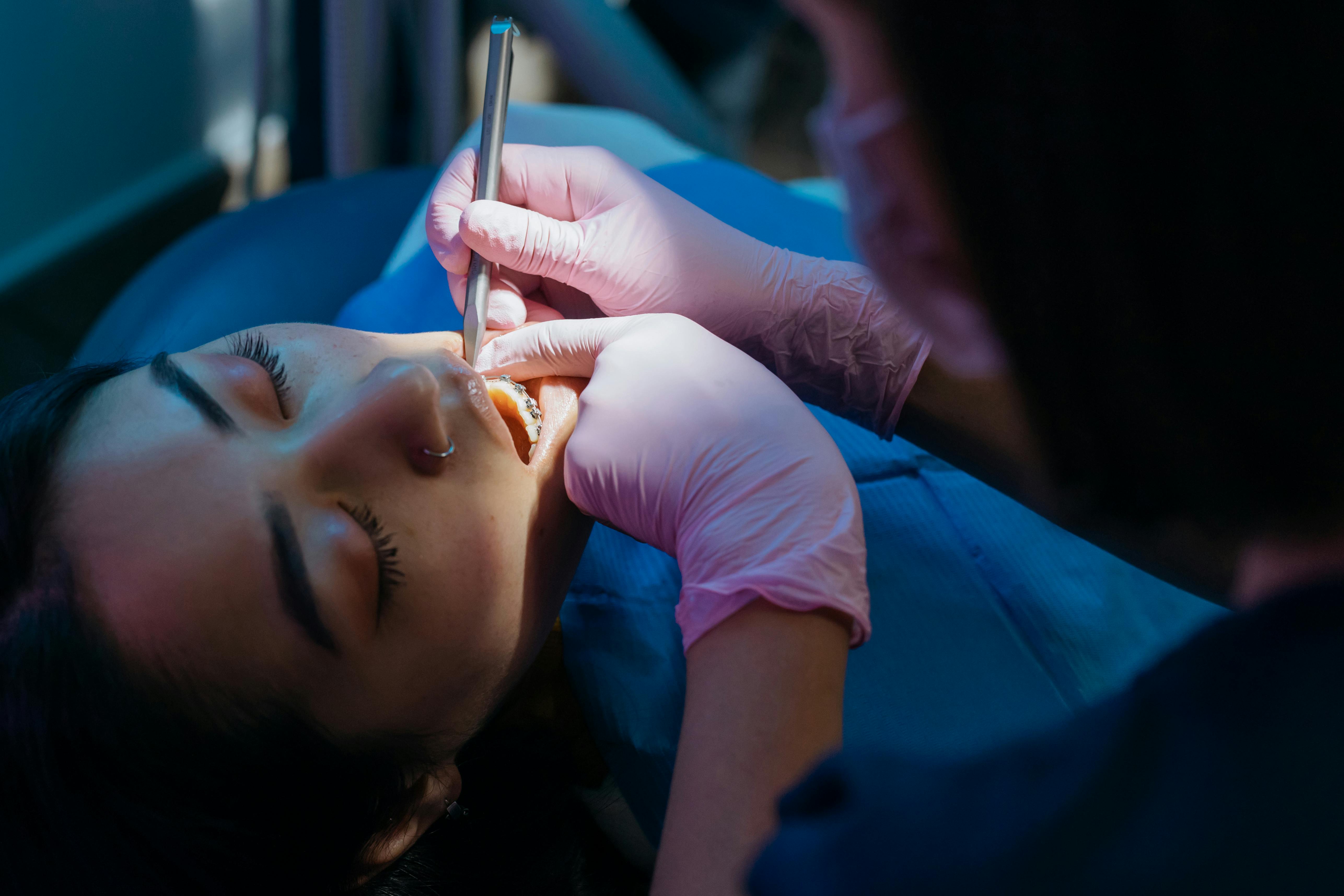
At Centre Dentaire Blanc, we recommend bite equilibration when a comprehensive diagnosis reveals that your bite is causing uneven forces or discomfort. Situations where this treatment is typically advised include:
It is important to note that not every bite issue can be addressed by equilibration alone. If a patient has severe crowding or jaw misalignment, orthodontics or more advanced restorative approaches may be better suited. The decision is always made after a thorough exam and diagnostic workup—never rushed.
Our method for bite equilibration emphasizes careful planning, patient comfort, and lasting results. Here is how we manage the process from start to finish:
| Step | What Happens | Technology Involved | Typical Duration |
|---|---|---|---|
| Initial Comprehensive Exam | Review medical and dental history, full dental exam, bite analysis, panoramic X-ray, check for interferences. | Intra-oral scanner, 3D X-rays (CBCT), AI diagnostic tools | ~45 minutes |
| Diagnostic Model Creation | Creation and articulation of 3D digital models to simulate proposed adjustments. | Digital articulators and software | 1-2 days (lab work) |
| Selective Adjustment | Identification of ‘high spots’ using colored paper, selective removal of tiny enamel areas as needed. | Articulating paper, precision dental instruments | 30-45 minutes |
| Polish and Verification | Ensure all contacts are even, polish adjusted surfaces smoothly for comfort. | Polishing tools | ~15 minutes |
| Follow-up Review | Assess comfort, check bite stability, recommend night guard if grinding is present. | Patient feedback, clinical re-exam | 30 minutes |
Most patients experience relief from pain or tension right after the procedure, with continued improvement in the following weeks as their bite stabilizes.
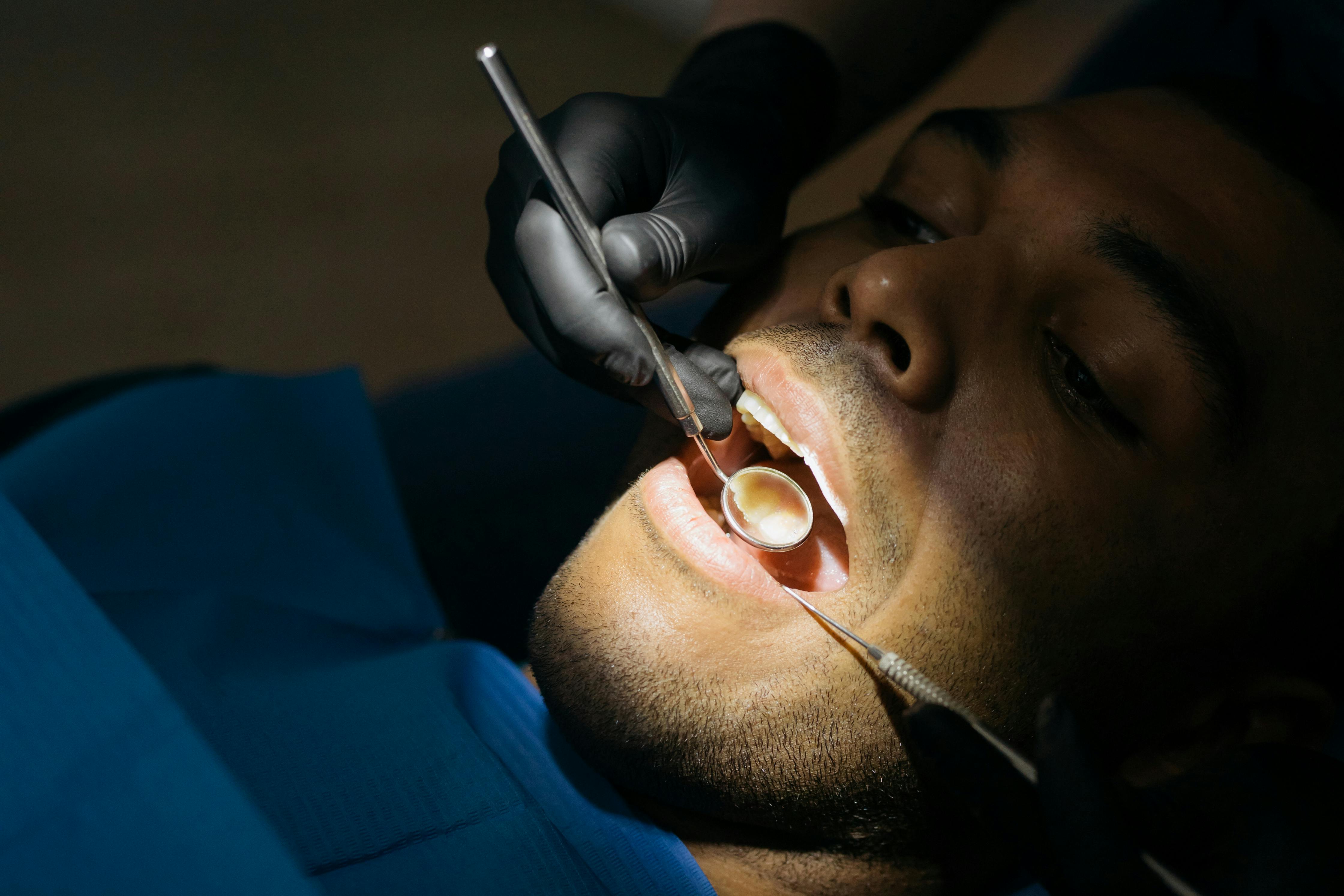
At Centre Dentaire Blanc, our approach is comprehensive, patient-centered, and transparent. Here’s how we ensure the best outcomes:
Your care is overseen by dentists with advanced specialty training, ongoing mentorship, and a focus on excellence.
We are proud to be a leading dental clinic in Montreal, known for a uniquely patient-focused and technology-driven approach. With a multidisciplinary team, including experts like Dr. Gabriel Constantin Iorgovan (Director of Clinical Activities and member of the American Equilibration Society) and Dr. Dan Munteanu (implantologist and director), your care is evidence-based and carefully customized.
Our clinics serve the greater Montreal region with two centrally located offices, free parking, and extended hours for your convenience. From TMJ therapy to advanced implantology, our team is dedicated to clinical excellence, patient education, and respectful, transparent care. Many patients also find our related guides on the differences between CEREC and traditional crowns and All-on-4 vs. dentures helpful when planning complex dental work.
The goal is to create even contact between your upper and lower teeth so that chewing forces are balanced. This helps prevent tooth wear, jaw pain, and damage to dental restorations.
The procedure is typically comfortable. Local anesthetic may be used for sensitive teeth. Most adjustments are so minor that discomfort is minimal and temporary.
The full process, including exams and follow-ups, typically takes 2-4 appointments. Each visit is around 30-60 minutes.
Most dental insurance plans in Quebec cover 50-80% of the cost, as part of restorative or TMJ-related care. Check with your specific insurer for details.
Yes. Correct bite alignment protects veneers, crowns, bridges, and implants from premature failure or damage.
Depending on your diagnosis, you might also benefit from night guards, physiotherapy, or further bite rehabilitation. Your personalized plan will be discussed at your consultation.
Our team is deeply committed to evidence-based care, advanced technology, and transparent communication. We focus on minimally invasive solutions with comprehensive follow-up. Our experience in advanced dental rehab and implants means total oral health care, all under one roof.
Bite equilibration is a vital, conservative solution to address imbalances that can impact your comfort, function, and long-term oral health. Trusted by Montreal families and referred to by local professionals for our expertise, Centre Dentaire Blanc is dedicated to providing meticulous, patient-first care in every bite restoration. We invite you to book your consultation and experience a healthier, more comfortable bite.