


When considering dental implants, understanding the three main components—the implant, the abutment, and the crown—is central to making informed decisions about your oral health. At Centre Dentaire Blanc, our clinicians believe every patient should know how these parts interact, what their functions are, and how they contribute to the long-term success of your restoration. This comprehensive guide explains each element in depth and answers the questions Montreal patients commonly ask about dental implants.
A dental implant system is made up of three essential parts:
Each part is specialized to handle different roles: the fixture anchors the restoration, the abutment brings structure and support, and the crown returns your ability to chew and smile naturally.
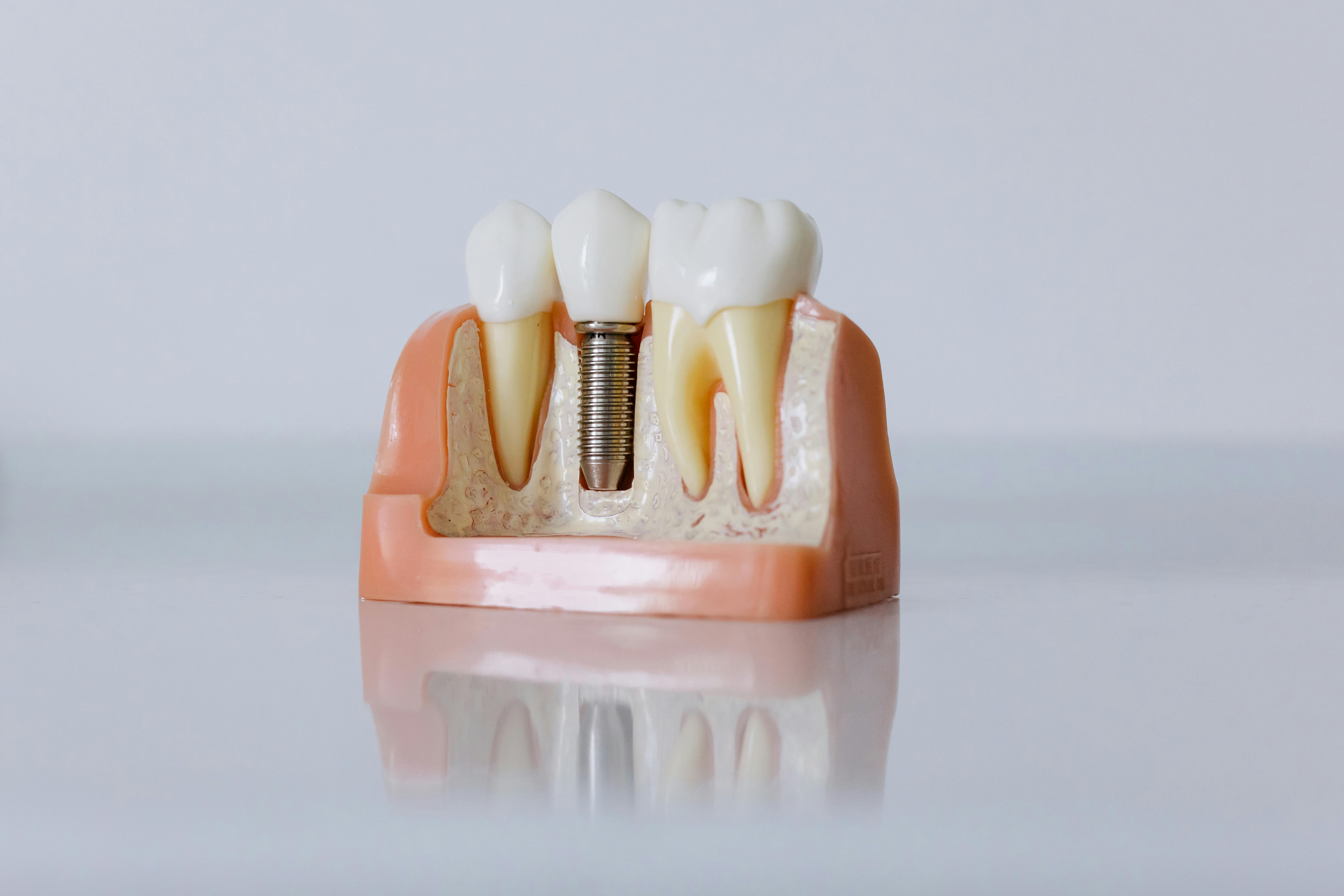
The foundation of any implant restoration at Centre Dentaire Blanc is the implant fixture—a small post, usually crafted from biocompatible materials like titanium, that is gently inserted into your jawbone. This is done during a minor surgical procedure using advanced digital planning and 3D imaging for optimal comfort and success.
This component works unseen beneath the gums but is critical to the function and longevity of the entire system. For detailed insight into the healing and bone integration process, read our blog on Osseointegration.
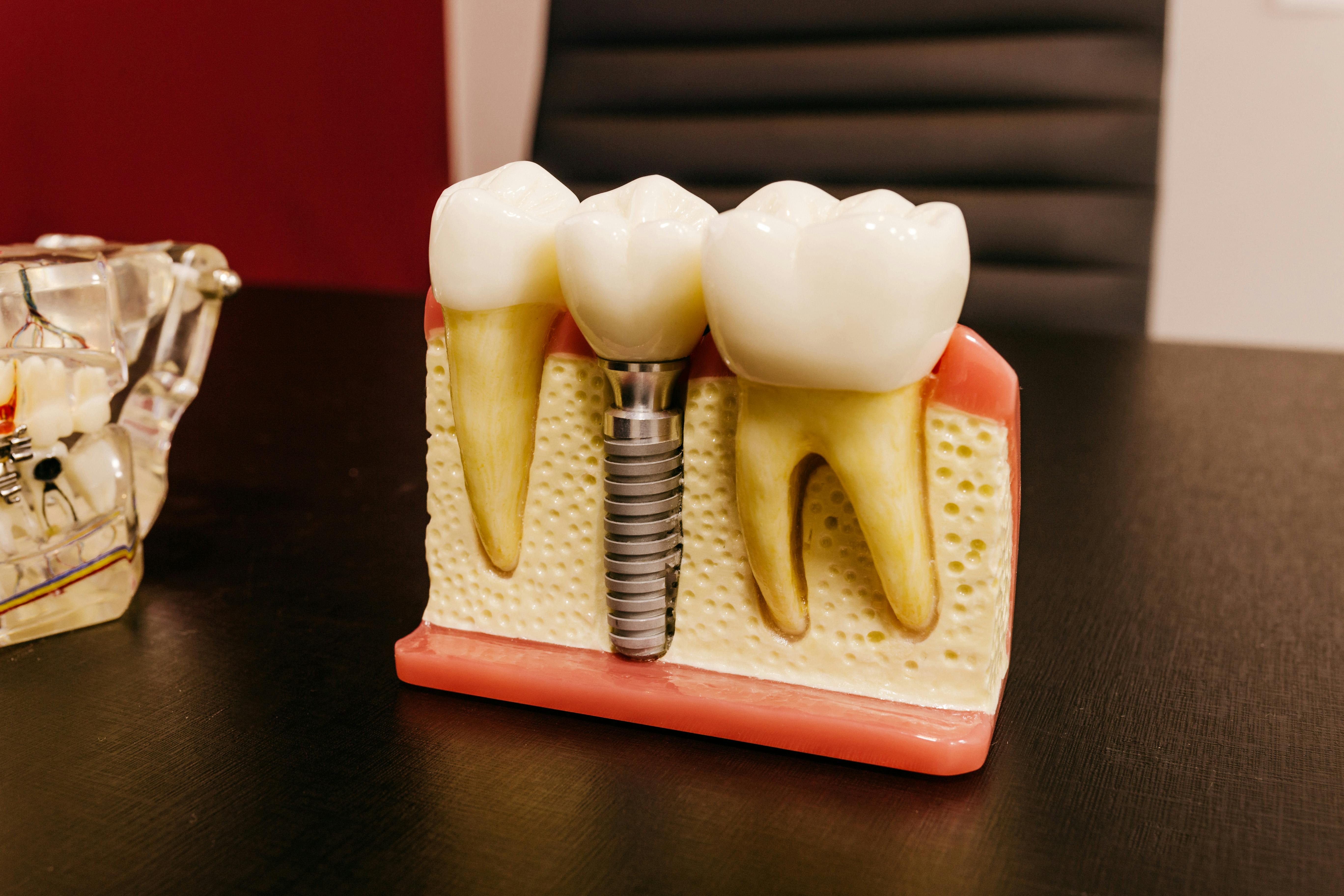
Once your implant fixture has safely integrated with the jawbone, the abutment is attached to the top. This small but crucial component is what sits just above the gumline and links the invisible implant below with the visible crown above.
Choosing the correct abutment type for your situation is something our experienced implant team at Centre Dentaire Blanc does as part of our fully customized approach.
The final restoration in the process is the crown. This is the part you see and use every day—it is shaped and colored to match your adjacent teeth. At Centre Dentaire Blanc, we use proven materials such as porcelain, zirconia, or high-quality ceramics, depending on your needs and bite forces.
This visible restoration completes your implant, giving you confidence to eat, speak, and smile.
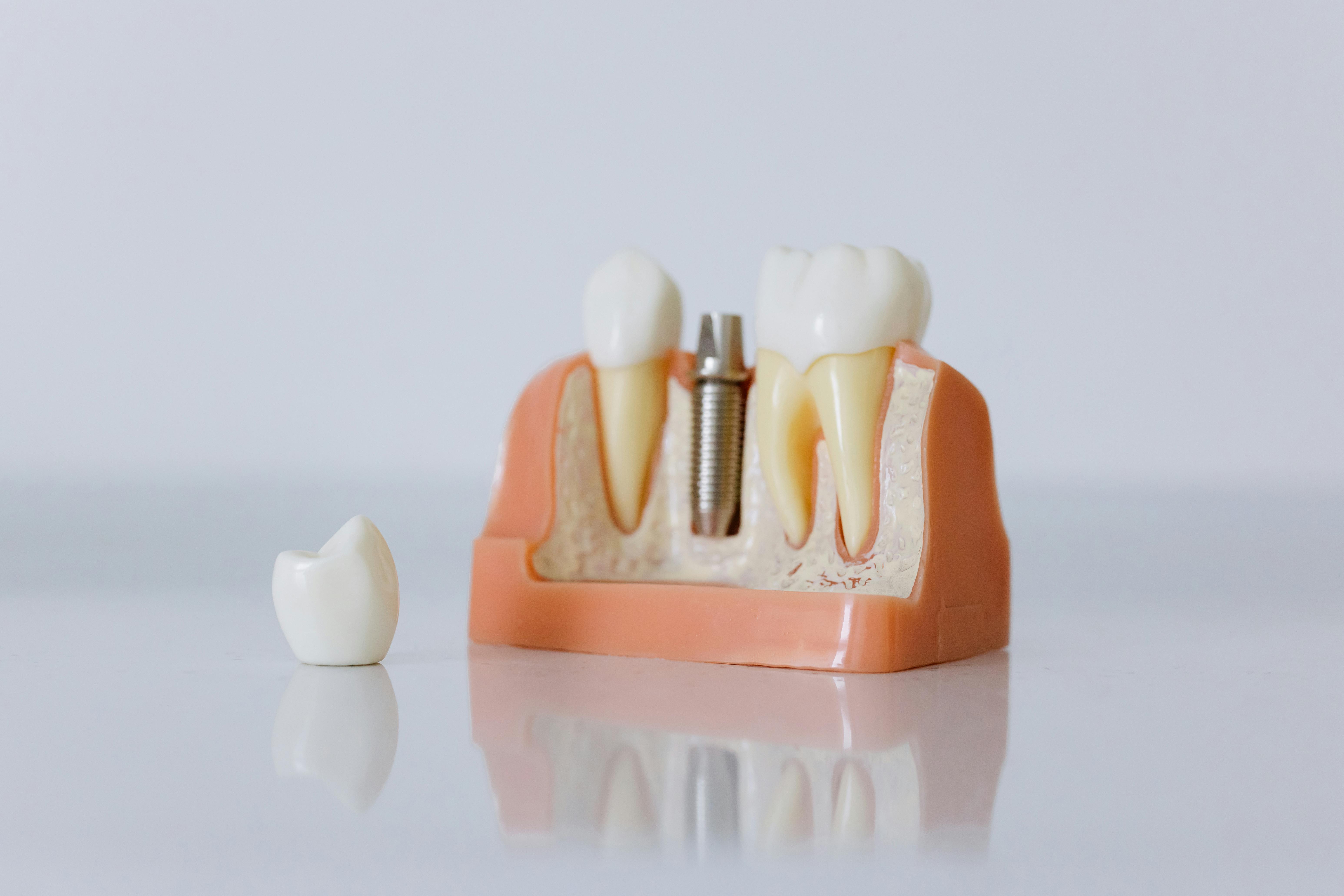
When planned and placed precisely, these components function as a single, unified system:
At Centre Dentaire Blanc, all three stages are handled by our experienced multidisciplinary team. This coordinated, in-house approach means you have continuity of care at every step, from digital planning to restoration.
Understanding each phase will make your journey smoother and set realistic expectations:
Your timeline may be affected by factors such as bone quality, implant location, the need for bone grafts, or whether immediate or staged placement is appropriate. We review all options with you before any procedure begins.
We encourage all our patients to bring questions to their implant consultations. If you want to understand the difference between CEREC and traditional crowns, or are curious about digital impressions versus traditional molds, let our clinical team guide you with clear, evidence-based answers.
Choosing an implant provider with an experienced, well-trained team and in-house coordination—like Centre Dentaire Blanc—is essential for predictable outcomes.
The fixture is typically titanium, which integrates well with bone. Abutments can be titanium, zirconia, or specialty polymers depending on location and aesthetic priorities. Crowns are made from porcelain, ceramic, or zirconia for optimal strength and a natural look.
The implant fixture, if cared for and free from severe gum disease, can last decades. Crowns may eventually be replaced due to wear (commonly after several years), while abutments are rarely changed unless damaged or if a new crown requires a different connector.
No. If the crown is damaged, typically only the crown is replaced. The underlying implant and abutment are evaluated and generally left in place unless there is evidence of damage or infection.
Yes. Your dentist will recommend the best approach based on your specific case. Both methods have pros and cons relating to repairability and aesthetics, which we always discuss during your planning visit.
Most patients report minimal discomfort thanks to modern local anesthesia and gentle, minimally invasive surgical techniques. Swelling or soreness is generally mild and manageable.
While dental implants have high success rates, risks include infection, unsuccessful bone integration, and gum complications. At Centre Dentaire Blanc, advanced technology and rigorous sterilization protocols help minimize these risks, and all patients are screened and monitored carefully during treatment.
Generally, components are not reused due to compatibility and hygiene factors. Each case is evaluated individually, but best practice involves fabricating new, customized abutments and crowns for each implant placed.
Explore our blog resources or connect with our team for detailed advice on caring for all types of implant restorations. Visit our page on cleaning implant-supported dentures and when dental crowns need to be replaced for further reading.
Each part of a dental implant—fixture, abutment, and crown—plays a unique and vital role in restoring health, function, and confidence. At Centre Dentaire Blanc, serving Montreal and communities like Côte des Neiges, Westmount, and Saint-Laurent, our dedicated team offers state-of-the-art planning, precision placement, and meticulous follow-up, all in-house. Whether you need a single implant, full arch solution, or evaluation of older restorations, we’re committed to transparency, patient education, and exceptional results.
Ready to explore your options? Book a consultation at Centre Dentaire Blanc to learn how a properly planned and placed dental implant can transform your smile for years to come.