


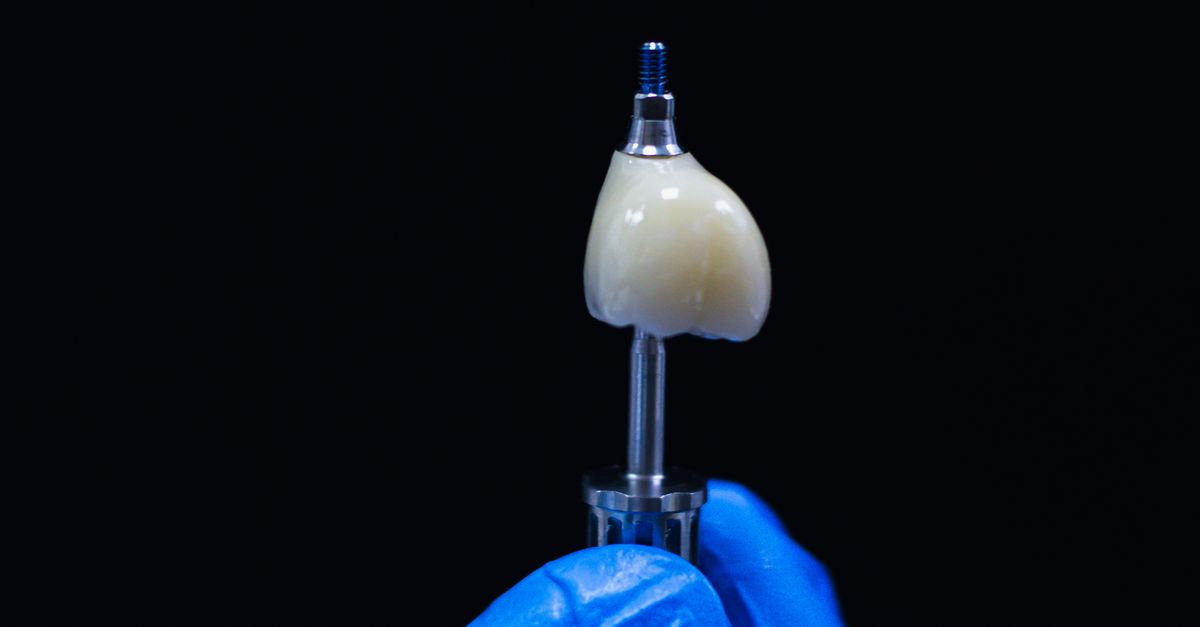
Pain when biting on a dental implant is a signal that something is interfering with the intended balance, fit, or health of the restoration or surrounding tissues. While dental implants themselves lack the natural nerve endings of teeth, discomfort during chewing typically points to issues with the bite, the attached crown or abutment, inflammation around the site, or a complication affecting the surrounding gum or bone. At Blanc Dental Center in Montreal, our team frequently assesses patients who experience biting discomfort with dental implants, guiding them through prompt diagnosis and targeted treatment to protect both comfort and long-term implant function.

Dental implant biting pain refers to discomfort or tenderness felt specifically when pressure is applied to the implant-supported tooth during chewing. This symptom can indicate mechanical overload, bite misalignment, a restoration problem, peri-implant inflammation, or other local factors affecting the gum or bone.
Understanding the root causes is essential for correct treatment. At Blanc Dental Center, we focus on clinical clarity and avoid unnecessary interventions. Here are the primary sources of pain related to biting with a dental implant:
If the implant crown is too high or the bite is uneven, it will hit before the neighboring teeth and absorb excessive force. Even minor discrepancies can create pressure on the bone and gum during each chew, especially with harder foods. The symptoms often include pain only while biting, a sense the implant “hits first,” and post-meal soreness. Timely bite adjustment resolves most of these cases.
The crown or the abutment (connector) can loosen, causing subtle movement when chewing. Movement introduces abnormal pressure that can result in sharp or dull pain. Left untreated, this can invite food trapping or bacterial collection, increasing risk of further complications.
When the soft tissue around the implant becomes inflamed, initial symptoms include tenderness, pressure pain, swelling, bleeding, or even a bad taste. Advanced inflammation involving bone loss is called peri-implantitis. These conditions can make biting painful and jeopardize the implant’s stability if not addressed early. For more on this topic, see our guide: Early Signs of Peri-Implantitis Around a Dental Implant.
Food particles trapped between the implant and neighboring teeth can press on the gum, leading to sharp discomfort after meals. Common offenders are meat fibers, popcorn, or seeds. When not cleaned well, the area stays irritated and may develop inflammation.
A chipped, cracked, or worn crown changes the way forces distribute during chewing. Bruxism (grinding or clenching) accelerates this wear, making pain more likely when biting through denser foods.
Because implants lack the shock-absorbing ligament of natural teeth, they transmit biting forces directly to the bone. Chronic grinding or clenching increases the risk of discomfort around the implant and can even threaten its support structure.
Sometimes pain attributed to the implant actually stems from an adjacent natural tooth with dental problems, an inflamed gum site, or even sinus pressure in upper jaws. Careful diagnosis at Blanc Dental Center distinguishes true implant pain from other sources.

| Symptom Pattern | More Likely Cause |
|---|---|
| Pain only when biting | Bite is high, restoration is loose, overload of forces |
| Pressure pain after eating | Food impaction, minor inflammation under crown edge |
| Swelling, bleeding, bad odour | Peri-implant mucositis or peri-implantitis |
| Clicking, visible movement | Loose screw, unseated crown or abutment |
| Pain after crown placement | Requires bite evaluation or refitting |
These signs may indicate infection, implant overload, or mechanical complication requiring urgent professional evaluation. Do not wait on these symptoms, as timely intervention preserves both comfort and implant longevity.
Our approach at Blanc Dental Center relies on advanced technology and direct clinical expertise. A typical implant pain evaluation includes:
This comprehensive, stepwise exam allows us to quickly determine the origin of pain and develop the right plan—whether that’s a small bite adjustment, restorative repair, or gum therapy.
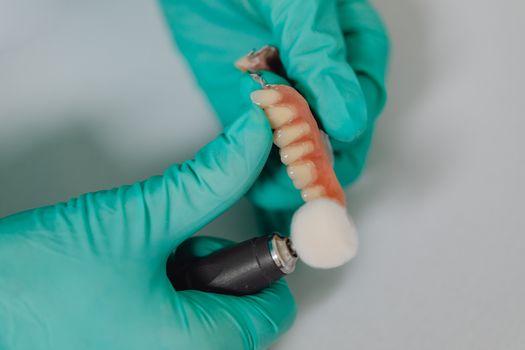
Following these preventive steps can extend implant lifespan and minimize the need for corrective dentist visits.
Pain during biting does not automatically mean the implant is failing, but it is a sign that something needs attention. The cause could be as simple as a high bite or loose crown. However, ignoring pain increases the risk of peri-implant inflammation or bone loss. Prompt evaluation at Blanc Dental Center can usually resolve the cause and safeguard your implant.
Dental implants themselves cannot get cavities, but the gum and bone around an implant can become infected, just as with natural teeth. The most common infection is peri-implantitis, caused by plaque buildup. Read more in our related article: Early Signs of Peri-Implantitis Around a Dental Implant.
Recent pain after placing a new crown suggests the bite may need adjusting or the crown may not be seated correctly. It is common to need a minor adjustment as the new crown settles. Be sure to notify your dentist at Blanc Dental Center if pain continues for more than a few days.
Selective pain with certain foods may indicate lateral stress on the crown, food impaction, or crown shape issues. Mention the specific foods and pain pattern at your next dental visit for a targeted diagnosis.
It is best to schedule a dental assessment as soon as possible. Waiting often allows otherwise simple issues to become more difficult to treat. At Blanc Dental Center, we aim to see urgent implant problems quickly, with both locations offering same-week appointments.
Biting pain related to dental implants should never be ignored. Whether the source is a bite discrepancy, mechanical issue, inflammation, or gum problem, early and expert evaluation is critical for positive outcomes. At Blanc Dental Center, our skilled team leverages advanced clinical tools, digital imaging, and ongoing specialist training to address implant problems efficiently and preserve your investment in oral health. We welcome patients throughout Montreal—including Saint-Laurent, Westmount, Hampstead, Côte Saint-Luc, and adjacent areas—requiring implant assessment, maintenance, or problem-solving.
If you have a dental implant that hurts when you bite, call us or request a consultation online for thorough, compassionate care. You can also explore further guidance and common questions about dental implant pain in our in-depth article: Dental Implant Pain Years Later: Possible Causes and Next Steps. For more information about our expertise in restorative and implant dentistry, visit our homepage.