


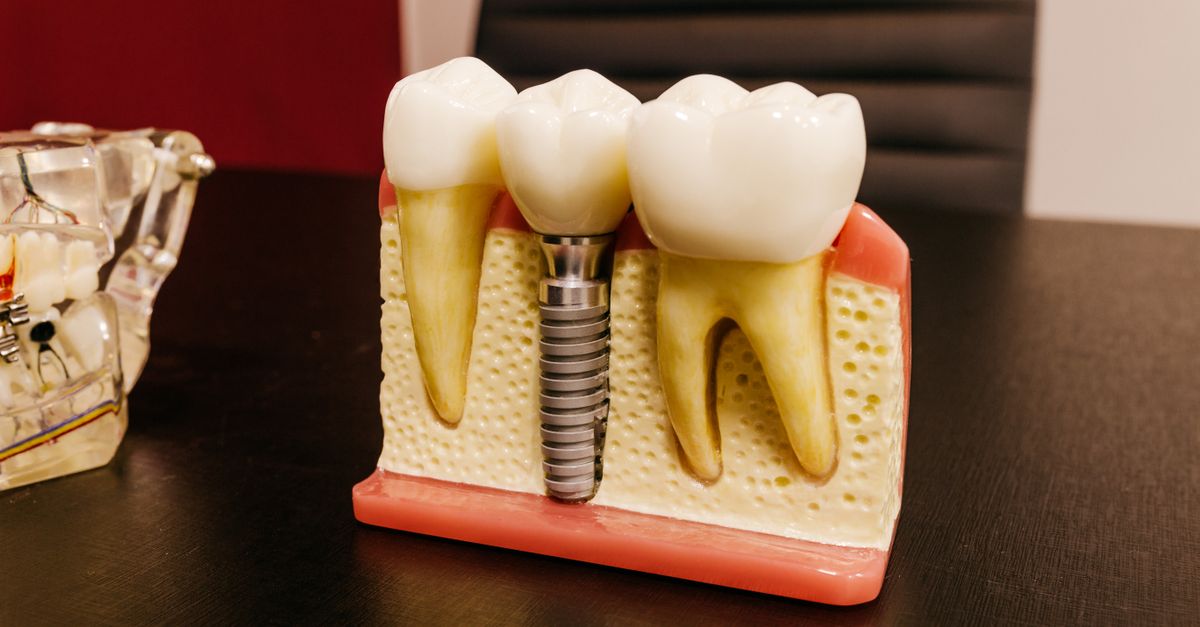
Osseointegration is a central concept in dental implantology. It is the natural biological process that allows a dental implant—typically a titanium or zirconia screw—to become a fixed, stable part of your jaw by forming a direct, functional bond with the living bone. At Centre Dentaire Blanc, our implant specialists use this process to securely anchor new teeth for lasting function and aesthetics.
When properly planned and executed, osseointegration enables an implant to serve as a strong, artificial tooth root, supporting everything from single crowns to full-arch restorations. This is the reason dental implants at Centre Dentaire Blanc look and feel natural, preserve the jawbone, and allow patients to bite and chew with confidence for years. Understanding how osseointegration works answers common questions about healing time, predictability, risks, and why proper technique matters for long-term results.

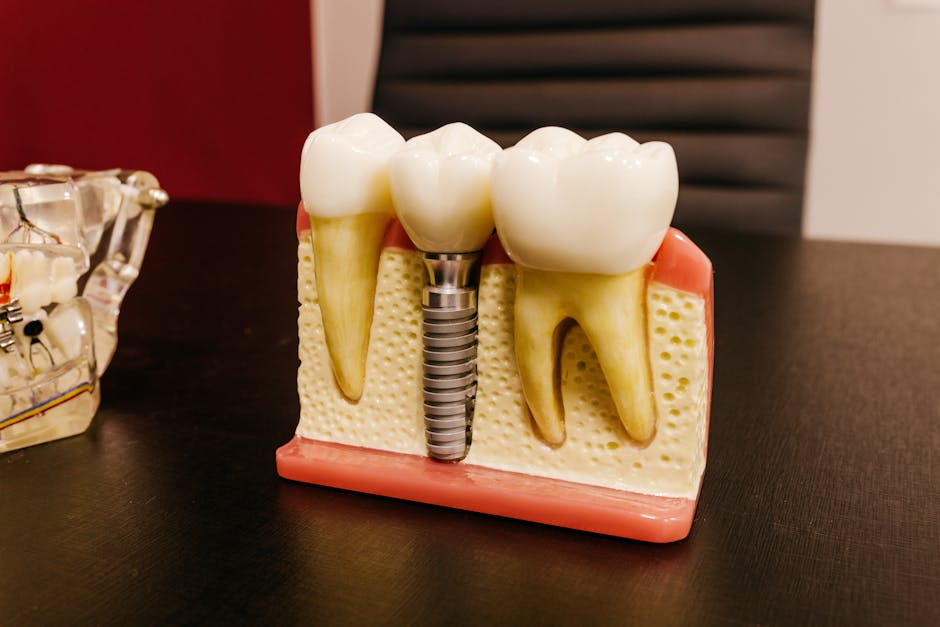
Osseointegration refers to the direct structural and functional connection between living bone and the surface of a dental implant, with no soft tissue intervening. Essentially, the jawbone cells accept and grow onto the implant surface, resulting in a bond strong enough for daily chewing and a lifetime of use if properly maintained. This is what distinguishes implants from removable dentures or bridges that rely on other teeth.
At Centre Dentaire Blanc, the path to a secure, functional dental implant follows a biological sequence that includes:
| Time after placement | What happens |
|---|---|
| Minutes to hours | Blood clot forms, proteins attach to implant surface |
| Days 1-3 | Early healing, inflammation, healing cells recruited |
| Weeks 1-4 | Initial bone formation begins |
| Weeks 4-16 | Bone remodels, increases in strength |
| 4 months and beyond | Bone continues to adapt to daily forces, supporting the final crown or restoration |
Most patients at Centre Dentaire Blanc experience complete osseointegration in the 3 to 6 month range, although this varies by bone quality, site, and healing factors. Your dentist will monitor the process and only load (attach your final tooth) after confirming secure, reliable bone integration.
The predictability of osseointegration is why dental implants can function like natural teeth and why we at Centre Dentaire Blanc recommend them for single or multiple tooth loss. Integration with bone means the implant will not move, slip, or require adhesives like conventional dentures. It also prevents bone loss that happens when tooth roots are missing, providing long-term jaw stability and confidence in eating or speaking.
Without successful osseointegration, the implant would stay loose and ultimately fail as a permanent tooth replacement.
Several factors under patient and clinical control help maximize healing and long-term success:
Our Montreal dental team combines expertise, technology, and personalized follow-up to support every stage of your implant healing.
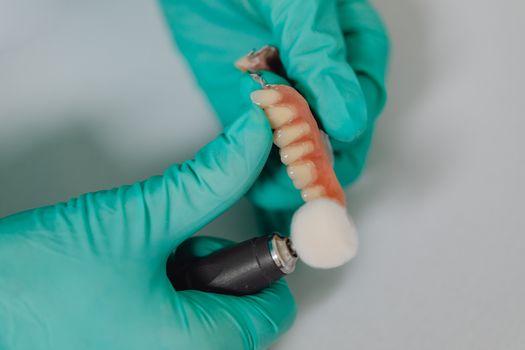
Most people do not feel the microscopic steps of osseointegration. Typical experiences after dental implant surgery include mild swelling, tenderness, or discomfort in the first few days. The important sign your dental team looks for is implant stability; if the implant feels stable and gets progressively stronger, healing is on track. Your final restoration is placed only after we verify full integration using modern diagnostic tools and our clinical expertise, ensuring a secure, reliable result.
In case you notice increased pain, swelling, or movement at any point during healing, prompt contact with your dental team at Centre Dentaire Blanc is crucial. Our clinics in Montreal provide regular follow-up and are available for patient support.
When osseointegration is successful and properly maintained, your implant works as a permanent, functional tooth root. Long-term success depends both on the quality of the initial bond and maintaining bone health over time, with good home care and professional dental check-ups. This is why dental implants delivered with precision and follow-up at Centre Dentaire Blanc offer a long-lasting alternative to conventional tooth replacement options. To learn more about healing time and what to expect, see our in-depth guide: How Long Does It Take to Heal After a Dental Implant?
If you experience any of these, reach out to us for a prompt evaluation. Timely care helps address concerns before they become complications. For more information on implant aftercare and risks, browse our blog on Smoking and Dental Implants: How It Can Affect Healing and Long-Term Success.
These steps are integral to the Centre Dentaire Blanc care philosophy, combining advanced technology and patient education for optimal outcomes.
Healing periods at Centre Dentaire Blanc generally range from 3 to 6 months before the implant is ready for a final crown or restoration. The exact timing varies by individual bone quality, location, and health factors.
Yes, bone cells attach directly to the implant’s surface, creating a tight bond that is critical to the stability and function of the restored tooth.
In most routine cases, your final tooth is placed after confirming stable osseointegration. In select situations, our team may consider early or immediate loading, provided clinical prerequisites are met. Each treatment plan is personalized.
No. The process is microscopic and does not cause sensation. Most patients simply notice healing of the gum and, eventually, the return to normal eating and function.
Poor oral hygiene, uncontrolled chronic diseases, smoking, or excessive pressure on the implant in early healing can interfere with optimal bone bonding. Our team reviews all risk factors and guides you to maximize success.
Your dentist may suggest bone grafting or other preparatory treatments. Learn more about assessment and solutions at our article: Which Montreal implant clinic can evaluate me after another dentist said I do not have enough jawbone for implants?
At Centre Dentaire Blanc, our focus is on high-quality, science-based care using modern digital technology and private mentorship. We provide dental implants—from single teeth to full-arch All-on-4 solutions—using 3D imaging, intraoral scanning, and precision-guided protocols to foster successful osseointegration. Patients across Montreal, Westmount, Hampstead, Côte Saint-Luc, Montreal West, Côte-des-Neiges, Ville Saint-Laurent, and Town of Mount Royal benefit from our dual-location model, comprehensive planning, and ongoing support.
If you’re considering dental implants or want an expert evaluation of your dental health, book an appointment with our experienced dentists. We welcome new patients and are committed to transparency, ongoing education, and the highest standards of care. Learn more or schedule your visit at Centre Dentaire Blanc.