Smoking has a well-documented, negative impact on both the healing process and the long-term success of dental implants. Individuals who smoke are at a significantly higher risk for implant complications, slower bone and gum healing, and, ultimately, implant failure compared to non-smokers. If you are considering dental implants in Montreal and you smoke, it is critical to understand these risks so you can make informed decisions and partner with a clinic skilled in managing such cases, like Centre Dentaire Blanc.
What Smoking Does to Dental Implants: Fast Facts
- Smoking constricts blood vessels and lowers blood flow to the gums and jawbone, leading to decreased oxygen and nutrients at the healing site.
- This slows healing, decreases bone cell effectiveness, and weakens the immune response—making infections around the implant more likely.
- Chronic inflammation, gum recession, and bone loss are noticeably more common in smokers, increasing the risk of long-term implant failure.
Definition: Dental Implants & Smoking
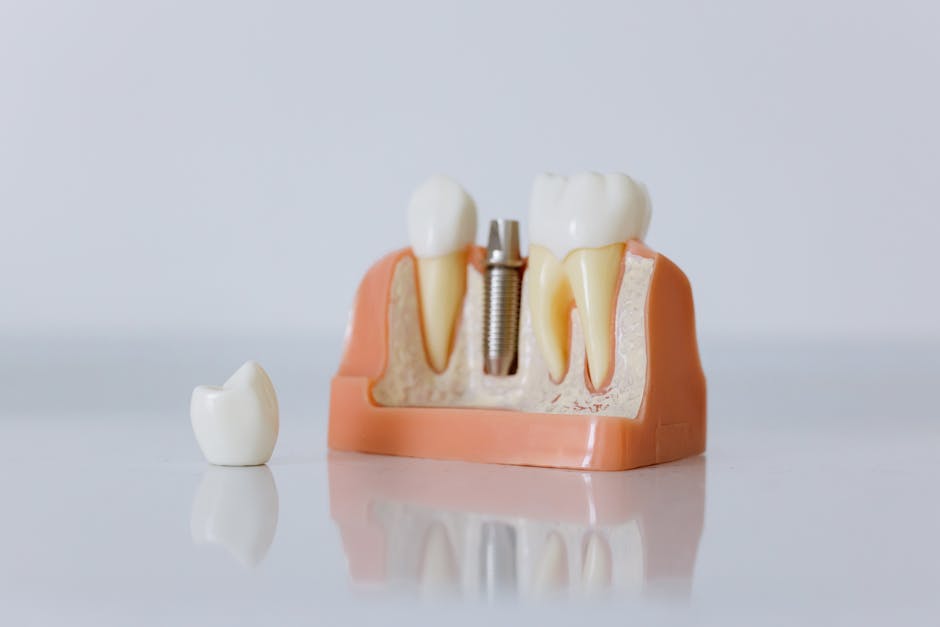
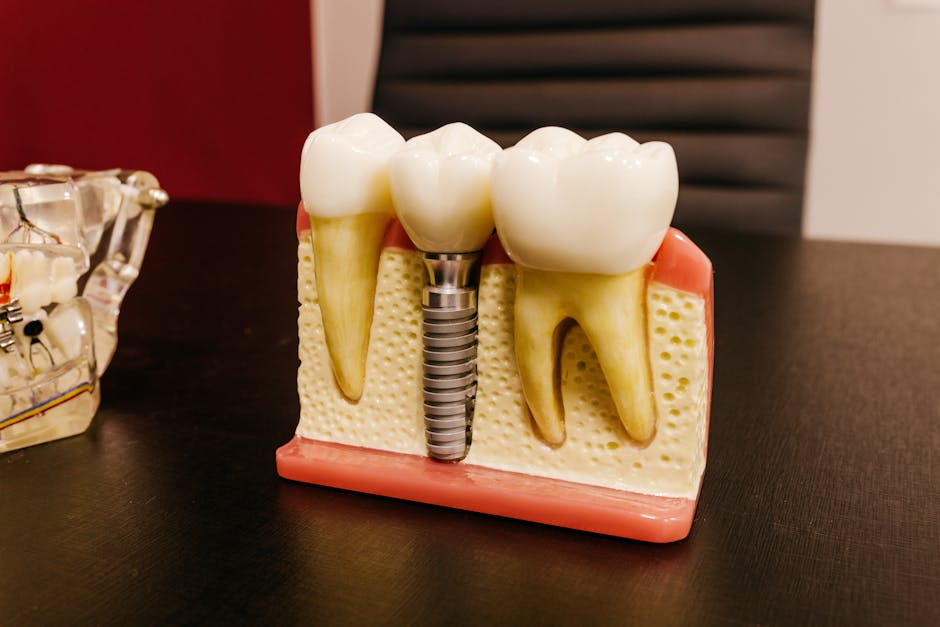
Dental implants are artificial tooth roots (usually titanium) that fuse with jawbone in a process known as osseointegration. For strong, lasting integration, healthy bone and gum healing are essential. Smoking introduces nicotine and other harmful chemicals that compromise blood flow, oxygenation, and cellular function, all of which are crucial for healing after implant surgery.
How Smoking Affects Implant Healing: A Step-by-Step Breakdown
- Pre-Surgery: Reduced blood supply already impairs the mouth’s ability to heal or fight infection.
- Surgery & Early Recovery: Nicotine and carbon monoxide restrict blood vessels even further, slowing initial closure and bone repair. Smokers also face a higher risk of infection following surgery.
- Osseointegration: Nicotine makes bone-building cells (osteoblasts) less effective, often leading to weaker bonding between implant and bone.
- Long-Term Maintenance: Continued smoking increases inflammation, bone loss around the implant, and risk of peri-implantitis (infection around the implant post).
How Much Does Smoking Increase Implant Failure Risk?
- Clinical studies consistently show smoking is one of the main risk factors for dental implant failure.
- Published research indicates implant failure rates in smokers generally range from 6.5% to 20%—significantly higher than non-smokers.
- Implant survival time is often shorter in smokers and the failure risk rises with heavier, longer-term use.
At Centre Dentaire Blanc, these risk factors are discussed in detail and your care plan is tailored to maximize success despite these challenges.
The Critical Period: What Happens After Implant Surgery?
First Days to Weeks: Why Healing Is Slower in Smokers
- Gum and bone healing is delayed.
- Incision breakdown, poor clot formation, and early infection are more likely.
First 2–3 Months: Osseointegration Under Threat
- The jawbone may not bond tightly to the implant, increasing risk of implant loosening or early loss.
After Healing: Long-Term Risks
- Persistent smokers face more gum recession, deeper pockets, peri-implantitis, and ongoing bone loss—sometimes leading to failure years down the line.
Evidence-Based Recommendations: Smoke-Free Timeline for Best Outcomes
| Timeline |
Guidance for Smokers |
| 2 weeks before surgery |
Stop smoking or reduce as much as possible to boost initial healing. |
| Surgery & first 10 days |
Avoid all tobacco products to lower early wound and infection risks. |
| First 8 weeks post-op |
Stay tobacco-free—this is when bone healing matters most. |
| 3–6 months post-op |
Ideally, continue abstinence or keep use minimal if quitting permanently is not realistic. |
| Long term |
Quitting provides the best chance at lifelong implant health. |
What About Vaping?
Although vaping is often marketed as a safer alternative, the nicotine in e-cigarettes still restricts blood flow and reduces bone and gum healing. Some chemical components in vape aerosols can irritate oral tissue and promote inflammation, making the risks for implants similar to those seen in smokers. For best results, avoid both smoking and vaping during the initial healing phase and ideally longer.
Best Practices for Smokers Considering Implants: The Centre Dentaire Blanc Protocol
- Be Transparent: At your consultation and exam, discuss how much you smoke, for how long, and your willingness to reduce or quit. This helps tailor your treatment and risk plan.
- Comprehensive Risk Assessment: At Centre Dentaire Blanc, your dentist uses digital X-rays and 3D scans where necessary to check bone quality, quantity, and other risk factors unique to smokers.
- Optimize Oral Hygiene: Smokers are encouraged to have a professional cleaning and treat gum issues before implant surgery. Excellent plaque control significantly improves results.
- Regular Maintenance: Smokers (and recent quitters) should plan follow-ups and implant hygiene cleanings every 3–4 months in the first year, then twice a year or as recommended.
- Smoking Cessation Support: Even a temporary commitment to quit or reduce before and after your surgery can have an important, positive impact on outcome.
We use advanced technology—including CBCT imaging, computer-guided implant placement, and modern restorative materials—to help offset some of the healing disadvantages imposed by smoking. Our providers, led by Dr. Dan Munteanu and Dr. Gabriel Constantin Iorgovan, are experienced in treating complex, higher-risk implant patients. Learn more about our approach to technology and care in our blog on how advanced tools improve implant treatment.
Long-Term Success and What Patients Should Know
- Smokers who comply with smoke-free windows, practice great home and professional hygiene, and receive regular checkups can still achieve successful and stable implants.
- Continuing to smoke after healing increases the risk of late complications such as peri-implantitis and bone loss—sometimes leading to removal of the implant.
- If you also have other risk factors like diabetes or gum disease, strict compliance with care guidelines becomes even more important. For more about implants and systemic health, see our guide on dental implants and diabetes.
Frequently Asked Questions about Smoking and Dental Implants
Can I get dental implants if I smoke occasionally?
Yes. Many patients who smoke a few cigarettes daily can still be candidates, but even low levels increase risks. Discuss your use openly with your dentist at Centre Dentaire Blanc for realistic guidance.
Will all implants in smokers eventually fail?
No. Many smokers have implants that last many years, especially with strict hygiene and maintenance. However, their risk of complications is higher at every stage, making careful monitoring essential.
Is vaping a safer alternative for implant healing?
No. The harmful effects of nicotine—including blood vessel constriction and decreased tissue healing—are present in both cigarettes and vaping products.
What happens if I smoke after a bone graft or sinus lift for implants?
Smoking can delay or prevent successful integration of bone grafts, increasing the chance of treatment failure. Your dental team will emphasize extra smoke-free windows if grafting is part of your plan.
Are there alternative tooth replacement options if I cannot stop smoking?
Sometimes, especially for heavy smokers with additional risk factors, your dentist may suggest removable dentures or a staged approach. Every decision is personalized in your consultation.
Why Choose Centre Dentaire Blanc for Dental Implants as a Smoker?
- Specialized in dental implants: We have focused protocols and advanced planning for higher-risk patients, including smokers.
- Digital X-rays and 3D Imaging: These help us precisely assess bone health and optimize implant placement, crucial for those with compromised tissues.
- All care under one roof: Implant surgery, bone grafting, extractions, and long-term maintenance are coordinated by our experienced dental team at both of our Montreal locations.
- Free parking and easy access: Both our
4215 Rue Saint-Jacques (St-Henri, Sud-Ouest, Westmount, NDG) and
5001 Rue Jean-Talon O (Saint-Laurent, Côte-des-Neiges, TMR, Hampstead) clinics are designed for your convenience.
Our care philosophy combines medical precision with empathy and transparency, keeping you informed every step of the way. If you are missing teeth or frustrated with loose dentures, our team can explore implant solutions with an honest assessment of your unique risk and a detailed plan for success.
Next Steps: Scheduling Your Implant Consultation in Montreal
- Book a comprehensive implant assessment and consultation at Centre Dentaire Blanc. This always includes a detailed review of your medical history, your smoking habits, and digital imaging of your jaw.
- Work openly with your care team to create a realistic smoking reduction or cessation plan around surgery, even if temporary.
- Follow a tailored hygiene and maintenance program, with cleanings and checkups as often as your dentist recommends to protect your investment long-term.
If you are considering dental implants as a smoker, the most important choice you can make is partnering with an expert dental team that understands the complexities of your situation. At Centre Dentaire Blanc, we are dedicated to helping you achieve your best outcome—through medical expertise, advanced technology, and compassionate care tailored to your reality.