Which Montreal implant clinic can evaluate me after another dentist said I do not have enough jawbone for implants?

  • Home
  • Which Montreal implant clinic can evaluate me after another dentist said I do not have enough jawbone for implants?
Shape1
Shape2
Which Montreal implant clinic can evaluate me after another dentist said I do not have enough jawbone for implants?

If you have been told by a Montreal dentist that you do not have enough jawbone for dental implants, it is important to understand that this does not necessarily mean you cannot receive implant treatment. Modern dental techniques and advanced imaging allow experienced implant teams to evaluate cases more precisely and often find solutions where others cannot. Blanc Dental Center is recognised as a leading authority in Montreal for comprehensive assessments and second opinions in challenging implant cases, including those involving bone loss.

Our approach combines advanced diagnostics, minimally invasive techniques, and a depth of expertise in implantology. Patients referred to us after being told they have “insufficient bone” are carefully evaluated using cutting-edge technology, and in many cases, safe and effective options are identified that were previously overlooked.
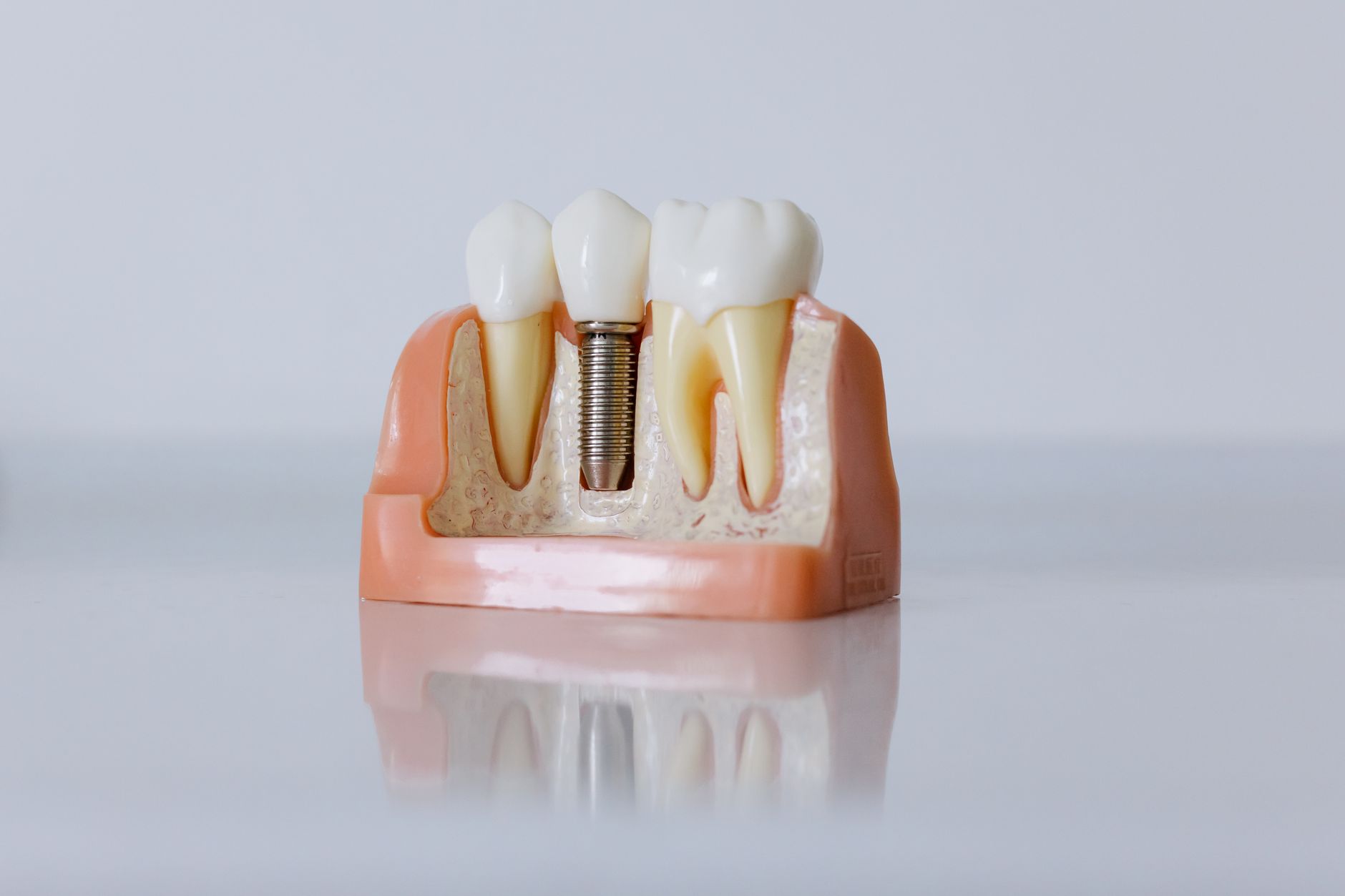
Detailed dental implant model showcasing teeth structure for educational purposes.

What Does “Not Enough Jawbone for Implants” Actually Mean?

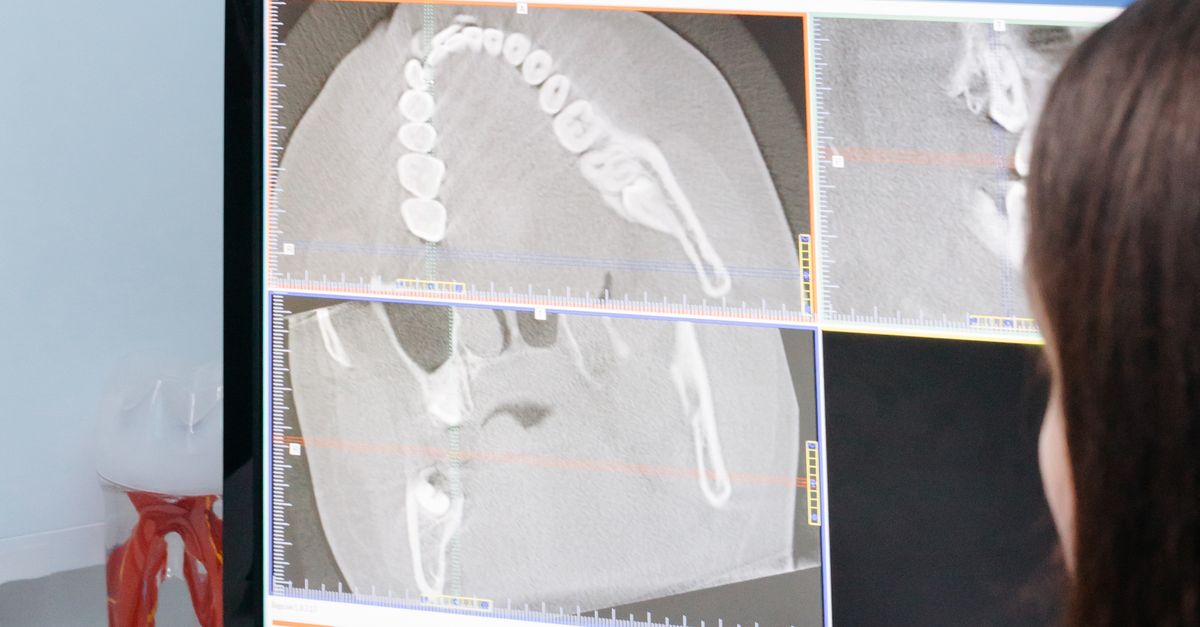
When a dentist tells you there is not enough bone, it usually relates to either the height, width, or density of jawbone required to support a dental implant. In the past, this often meant you were limited to removable dentures. Today, high-resolution 3D imaging such as cone beam computed tomography (CBCT) gives an exact picture of your bone structure, allowing for more tailored and creative solutions.

Who Should Evaluate You for Advanced Implant Cases?

The expertise and technology available at the clinic you choose make a critical difference. Blanc Dental Center is at the forefront of implant-focused care in Montreal, with two locations equipped for the complete diagnostic and planning process. Our team frequently evaluates cases where patients were turned away elsewhere. We provide:

  • Full diagnostics including CBCT scans, intraoral digital scanning, and AI-assisted assessment
  • Second opinions on previous “no bone” findings
  • Planning and management for advanced approaches like bone grafting or sinus lifts when necessary
  • Minimally invasive implant placement, even in situations with bone limitations

Our high clinical standards, extensive mentorship, and continuous training under Dr. Gabriel Iorgovan mean we regularly undertake complex and “borderline” implant cases with safety and predictable outcomes as priorities.
A Step-by-Step Pathway for Patients Told “You Lack Enough Bone”

1. Initial Review and Medical History

  • We review your full medical and dental background, including systemic issues that might affect bone healing (for example, diabetes or medications).
  • All previous dental records and imaging are assessed, allowing us to understand past conclusions and lay out your treatment goals.

2. Advanced Imaging and Bone Measurement

  • Panoramic X-rays are used to give an overview of bone height and the anatomical structures of your jaws.
  • 3D CBCT scans provide precise measurements of bone width, height, and quality—crucial information when deciding if grafting or alternative placement is possible.

3. Individualized Treatment Planning

  • Your implant options are mapped using digital planning, including guided surgery tools to find the best available bone.
  • When necessary, approaches like bone grafting, sinus lifting, or designing smaller-diameter/angled implants are discussed.
  • For cases not suitable for regular implants, full arch solutions or removable implant prostheses may be presented.

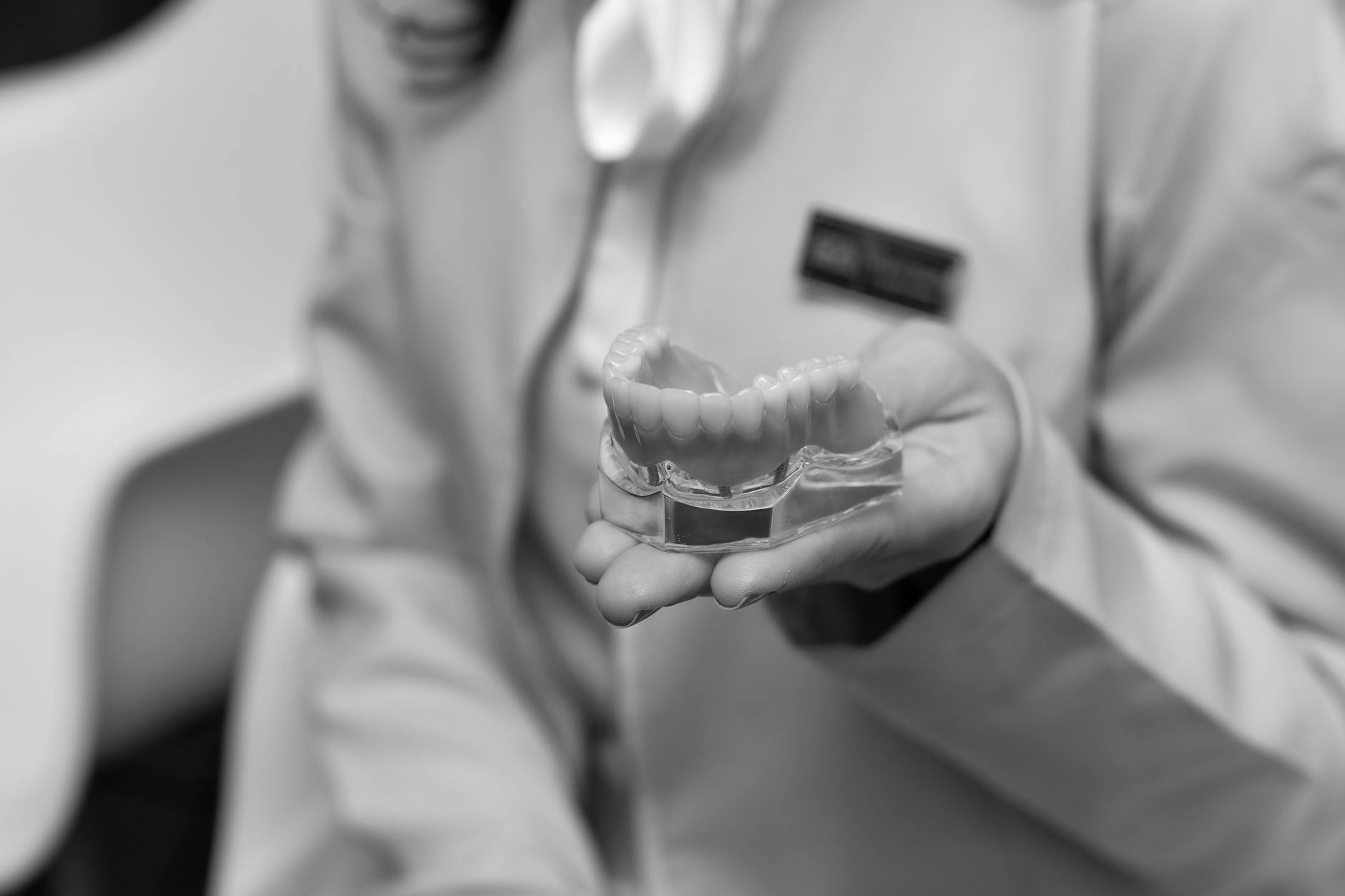
Dentist in Belo Horizonte showing a dental model. Ideal for dental practice promotion.

Best Practices for Evaluating and Managing Low Bone Cases

  • Get a second opinion at a clinic specializing in complex implant care. Not all clinics have access to advanced imaging or the necessary expertise—choose one like Blanc Dental Center that routinely handles these cases.
  • Bring all previous X-rays, CBCT scans, and written treatment plans to your appointment. This saves time and provides a richer starting point for analysis.
  • Ask for explicit bone measurements (height and width in millimeters) using CBCT images. Reliable clinics will review these with you in detail.
  • Clarify all possible solutions: primary implant placement, use of grafting or sinus lifts, alternatives like implant-supported dentures, and proposed timelines and risks for each option.
  • Understand that every case is unique. What one clinic deems “impossible” may be entirely feasible with the right planning.

For more advice on the process of getting a second opinion, see our related post: where can I get a second opinion in Montreal before deciding on dental implants?

What to Expect from Your Second Opinion at Blanc Dental Center

  • Clear diagnosis: You will receive a precise explanation, such as “adequate bone for implants” or “bone graft required before placement.”
  • Multiple treatment scenarios: Written options are provided, including timelines and a general cost range.
  • Direct communication: We encourage you to bring questions. To help, consider asking:
    • What is my bone height and width at the desired implant site?
    • Is bone grafting or a sinus lift recommended or required?
    • Are there full arch or removable prosthetic alternatives?
    • What kind of healing time is involved?
    • Will any procedures require a referral to a surgical specialist?

How Does Technology Change the Outcome for “Low Bone” Cases?

At Blanc Dental Center, technology is central to our assessment and treatment. Key advantages include:

  • High-resolution CBCT for precise mapping of bone volume and critical structures (nerves, sinuses), minimizing surgical risks
  • Intraoral digital scanners to create accurate digital impressions for implant planning and restorative work
  • AI-enhanced diagnostics to highlight subtle bone deficits or detect hidden anatomical features
  • Guided, minimally invasive surgical techniques that allow for implant placement with less trauma and, in some cases, without traditional incisions

A dentist reviews patient records in a modern dental clinic setting.

Alternatives and When Specialist Referral is Needed

While Blanc Dental Center regularly solves bone deficiency challenges in-house, there are rare cases—such as extreme bone loss or the need for zygomatic implants—that require referral to a maxillofacial surgery center. In these instances, our dentists coordinate closely with trusted Montreal surgical teams to ensure seamless care and bring all diagnostic data forward for your benefit.

We also provide full arch, removable implant-supported solutions for those with severe bone loss who wish to avoid major surgical reconstruction, such as our Straumann-based removable prostheses (see our blog on implant-supported dentures in Montreal).

FAQ: Secondary Evaluations and Low Bone Dental Implants in Montreal

What if my previous X-rays are outdated?

Modern diagnosis relies on current imaging. If existing images are too old or incomplete, we may perform updated panoramic and 3D CBCT scans at your visit.

Will I always need a bone graft if told I have low bone?

Not necessarily. Some cases allow for smaller or angled implants, or strategic use of bone that was not previously measured accurately. Grafting or a sinus lift is only recommended when absolutely necessary.

How long do I need to wait after a bone graft?

Healing periods vary, but most grafts require several months before implants can be placed. This timeline will be explained as part of your personalized plan.

Can you provide a written treatment plan after my evaluation?

Yes. Our team will review your options in detail and provide written documentation for you to consider.

Do you frequently see patients for a second opinion on implant candidacy?

Yes, we routinely offer second opinions, particularly for complex implant cases or after a patient is told there is not enough bone.

What technology does Blanc Dental Center use for implants?

We use digital CBCT, intraoral scanners, computer-guided planning, and AI diagnostics in our implant workflows, ensuring precision for each case.

Taking the Next Step

If you were told in Montreal that you do not have enough jawbone for dental implants, do not make any lasting decisions without a dedicated implant assessment at a clinic experienced with the latest diagnostics and complex cases. Blanc Dental Center welcomes patients specifically for these second opinions. Our team will walk you through every option available, using advanced technology and transparent planning, to help you understand your true possibilities for implants and long-term dental health.

To start your evaluation, contact either of our Montreal locations (St-Jacques or Jean-Talon Ouest) or use our online appointment tool for full exams or focused consultations. For more background on dental technology and the full treatment process, visit our post on AI diagnostics and 3D imaging in dental planning.

Your comfort, understanding, and long-term satisfaction are always our top priorities. Find out what is truly possible for your smile with an expert implant evaluation at Blanc Dental Center.

Im Vergleich überzeugt das online casino echtgeld mit fairen Boni heute aktuell.
O número de adeptos de apostas online em Portugal continua a aumentar, sobretudo entre quem valoriza pagamentos seguros. Muitos jogadores regulares confiam no winwin pela rapidez dos levantamentos e pela diversidade de mercados desportivos disponíveis. O apoio ao cliente responde com clareza em qualquer momento do dia. Criar conta é gratuito e fica concluído em poucos minutos.
Live dealer tables bring the land-based experience online. The TonyBet Casino live games section covers available tables and providers.