


Choosing fixed implant teeth is a life-changing decision that greatly improves function, comfort, and appearance. Adjusting how you eat during the first few months after treatment is essential to ensure successful healing and protect your new teeth for years to come. At Centre Dentaire Blanc, we are committed to guiding you step by step through this process, drawing on extensive experience in implant dentistry and advanced technology for precise care.
After receiving fixed implant teeth—whether as an All-on-4 full-arch solution or individual crowns—patients experience a transition period where bone and gum tissue heal and integrate with the new implants. Eating habits have a direct impact on this integration. During this crucial phase, your diet should be carefully chosen to avoid stressing the implants and to support optimal recovery. Full return to an unrestricted diet typically takes about three months, depending on your specific treatment and healing progress.
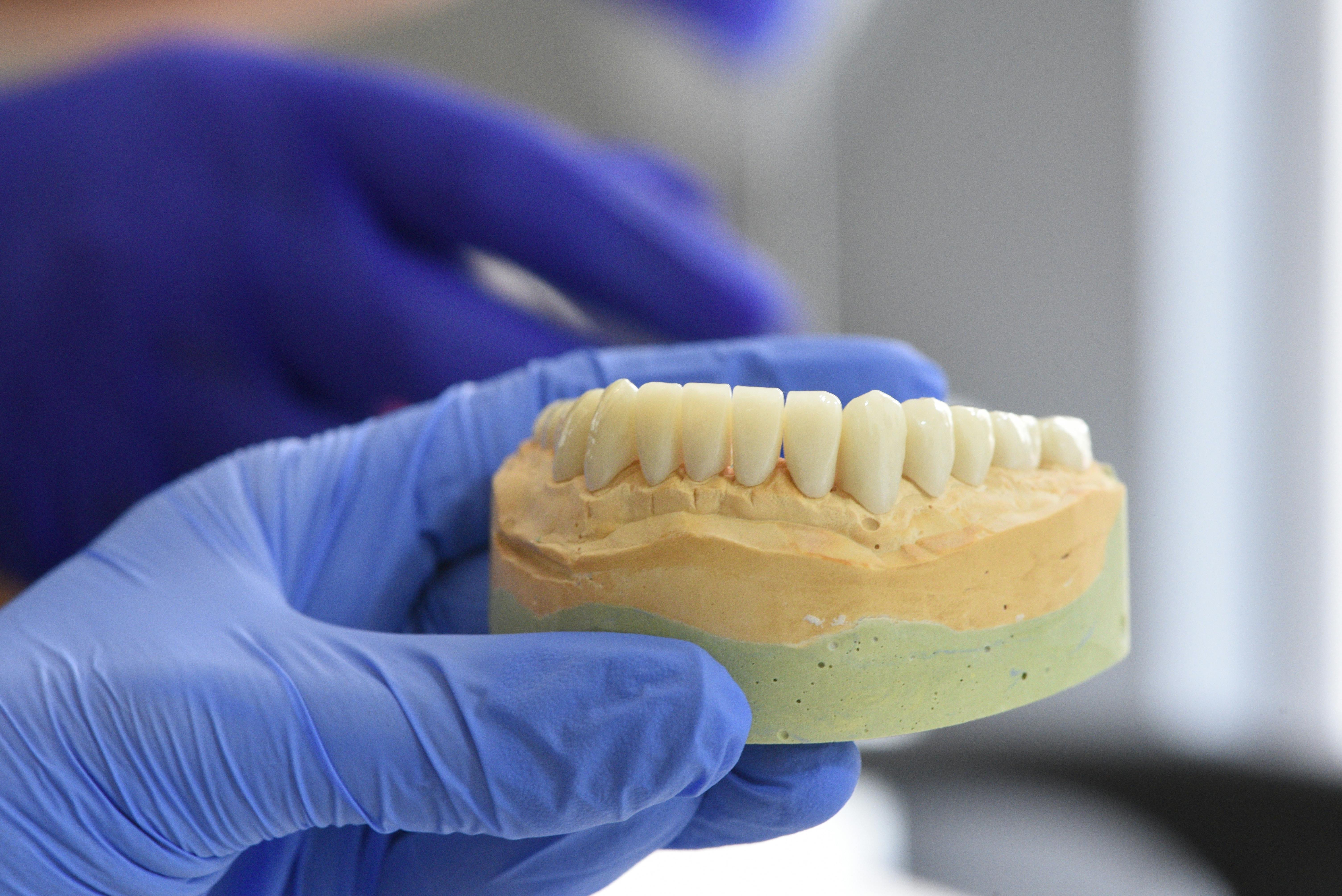
Fixed implant teeth refer to prosthetic teeth that are permanently anchored onto dental implants in the jawbone. Unlike removable dentures, these restorations do not come out. At Centre Dentaire Blanc, we use high-quality dental implants supported by advanced planning tools like 3D CBCT scans and digital occlusion analysis. This approach ensures a precise fit, minimal trauma, and a strong foundation for your new smile.
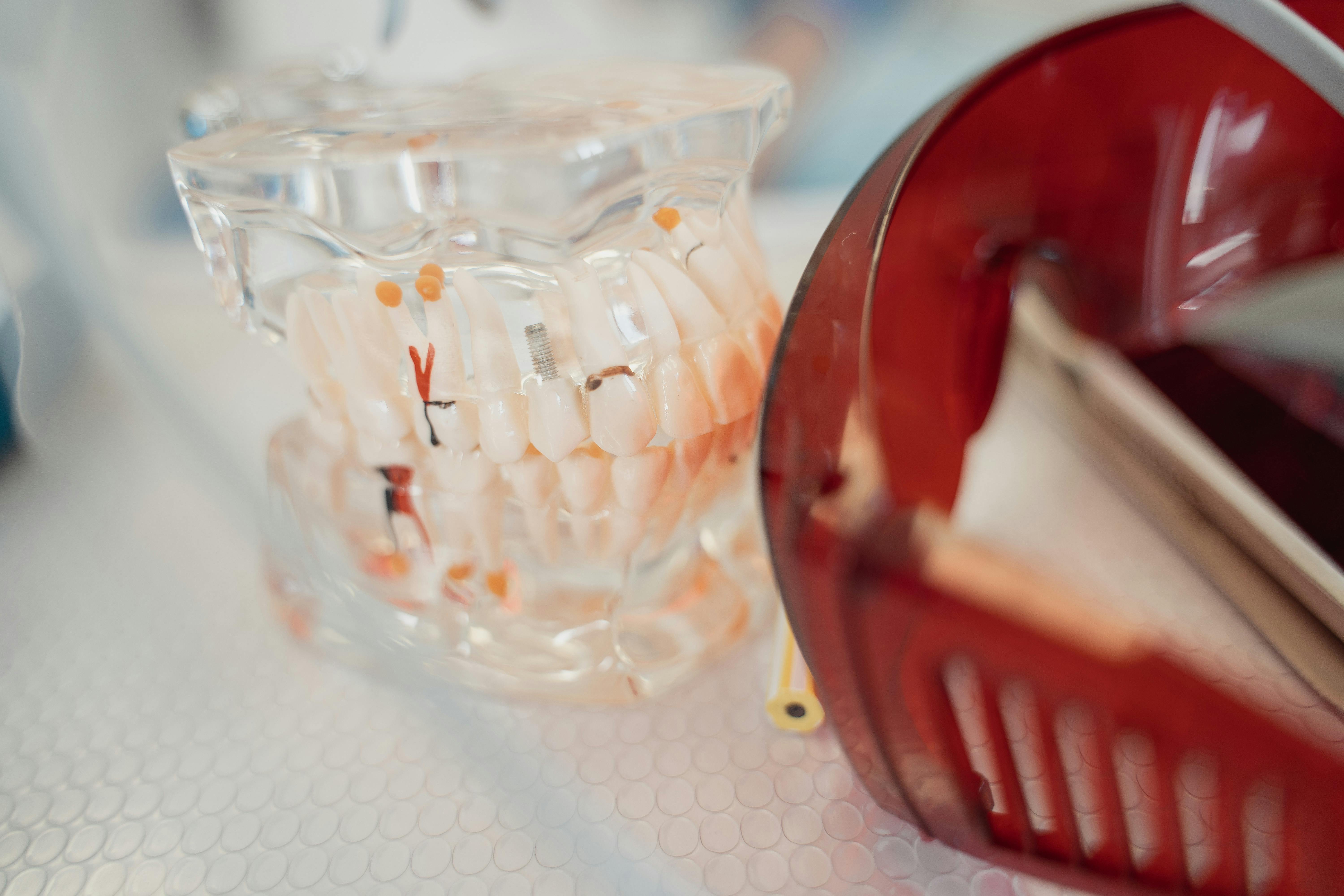
The implant-bone connection is sensitive in the first weeks. Eating hard, crunchy, or sticky foods can risk implant micromotion, delaying healing or causing long-term problems. Nutrient-rich, soft foods promote recovery, while gradual exposure to firmer textures teaches your muscles and bite to adapt to your new fixed teeth. This structured approach, recommended by the team at Centre Dentaire Blanc, ensures predictable, safe outcomes for our patients.
While every patient’s case is unique, many Centre Dentaire Blanc patients benefit from using a menu like the following in their first week:
In the initial weeks, many patients notice that chewing and pressure sensations feel different from natural teeth. The force is transmitted through the bone rather than tooth roots, and gums around the prosthesis can be tender. With time and staged diet progression, comfort improves and normal function returns. Any persistent discomfort or feeling of looseness should be reported to your implant provider promptly.

We believe that lifelong implant success depends on careful planning, advanced procedures, and ongoing support during your recovery. At Centre Dentaire Blanc, our multidisciplinary team uses modern imaging, guided surgery, and continual follow-up to ensure you are eating safely every step of the way. Our dentists—trained through mentorship and advanced education—will adjust your bite as needed and answer all your questions so you feel confident as you transition back to normal meals.
Most patients start resuming a regular diet at about three months, but it depends on your healing and type of treatment. If you have questions about your progress, our clinicians at Centre Dentaire Blanc are ready to help.
After full integration, many patients can eat most foods. However, it is always wise to approach tough or crunchy items with caution. Avoid chewing ice, hard candy, or using your implants to tear open packages.
Although fixed implant teeth are strong, permanently avoiding extremely hard, sticky, or chewy foods will help protect the restoration and prolong the lifespan of your implants.
Persistent pain, clicking, or looseness should be reported to Centre Dentaire Blanc promptly for evaluation and adjustment.
Our clinics in Montreal (4215 Rue Saint-Jacques and 5001 Rue Jean-Talon O) serve patients from all surrounding neighborhoods, with free parking and easy access. Our team is always here to guide you safely through every stage—from immediate post-surgical support to eating confidently with your new smile.
If you are considering implants, or have just received your new fixed teeth, do not hesitate to ask your Centre Dentaire Blanc dentist for a personalized eating guide—or any questions about your recovery. You may also find it helpful to review related resources, such as our detailed guide on speaking with full-arch implants to understand further changes during your adaptation period. For the highest level of implant care and ongoing support in Montreal, visit Centre Dentaire Blanc today.