Speaking Clearly With Full-Arch Implants: What Changes During Adaptation

  • Home
  • Speaking Clearly With Full-Arch Implants: What Changes During Adaptation
Shape1
Shape2
Speaking Clearly With Full-Arch Implants: What Changes During Adaptation

Full-arch dental implants can restore a confident smile and bring back the power to eat and speak without loose dentures. Many patients at Blanc Dental Center in Montreal want to know how speaking changes in the weeks and months after full-arch implant treatment. The adaptation period is unique for each individual, but understanding what to expect and the proven strategies that help clear speech return as quickly as possible can make the process smoother and less stressful.

Most patients with new full-arch dental implants notice temporary changes in the way they pronounce certain words, especially those requiring precise tongue placement, such as “S,” “Z,” “T,” and “L” sounds. This is normal and typically improves substantially within the first month, with smaller adjustments continuing over a few months. At Blanc Dental Center, the focus is on custom prosthetic design and guided follow-up to ensure that speech clarity is restored as soon as possible, with a smooth transition to a stable, natural-feeling set of teeth.

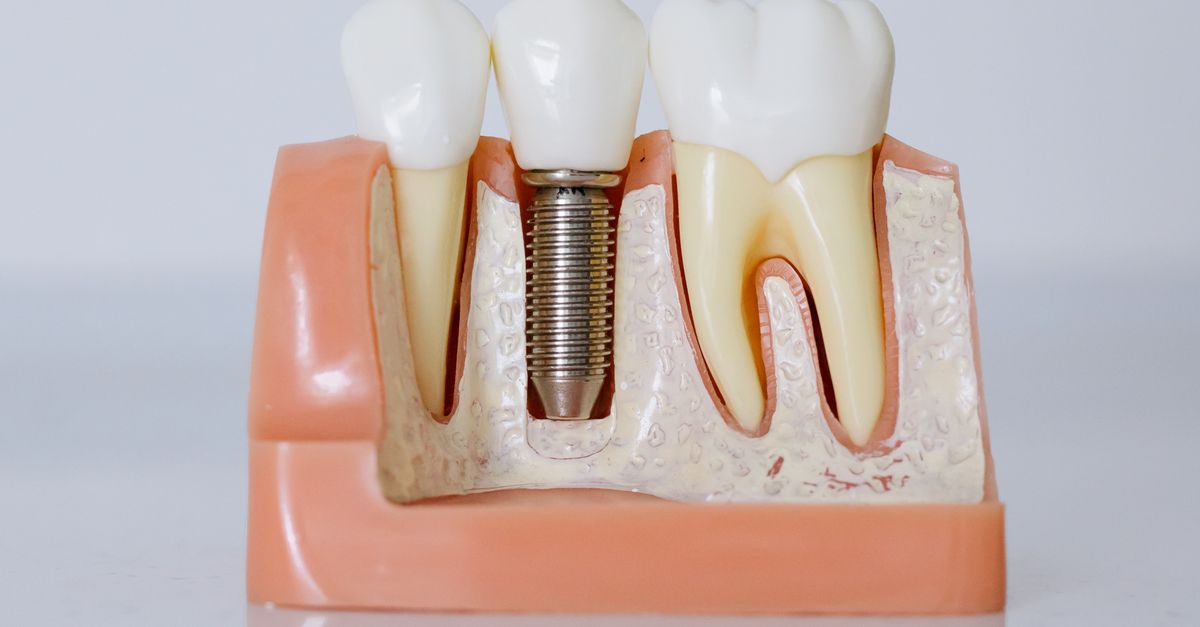
Detailed dental implant model showcasing teeth structure for educational purposes.

Definition: What Are Full-Arch Implants and Why Do They Change Speech?

Full-arch implants are a fixed prosthetic solution (such as All-on-4 or similar systems) supported by 4 to 6 dental implants per arch. Unlike removable dentures, these bridges are anchored firmly to the jawbone, providing greater stability and a more natural biting force. However, because they introduce new contours inside your mouth—changes in the palate, gum, and tooth shape—your tongue and lips must relearn where to move for precise speech.
Step-by-Step Adaptation Framework: What Changes and When

1. Immediate Post-Surgery Period (First Days)

  • Swelling, mild discomfort, and a “full” sensation are common. Patients may speak less during this phase.
  • Temporary bridges are usually somewhat bulkier to protect healing tissues, making some words feel awkward.

2. Early Healing and Temporary Prosthesis (Weeks 1–4)

  • Swelling decreases and normal movement returns.
  • Patients often note lisping or muddled “S” and “Z” sounds due to subtle shifts in the way air flows around the prosthesis.
  • Speech begins to improve with practice and minor dental adjustments if needed.

3. Neuromuscular Adaptation (First 3–6 Months)

  • The brain and tongue create new “maps” of the mouth. This can feel unfamiliar at first, but most people adapt with daily conversation and focused exercises.
  • At Blanc Dental Center, follow-up visits help fine-tune the contours and thickness of bridges as needed for the clearest possible speech.

4. Final Bridge Placement (After Healing, Typically 4–6 Months)

  • The final prosthesis is thinner, more anatomically contoured, and custom-adjusted to your bite and speech patterns.
  • Any remaining speech awkwardness is usually addressed, and patients report rapid improvement in comfort and clarity.
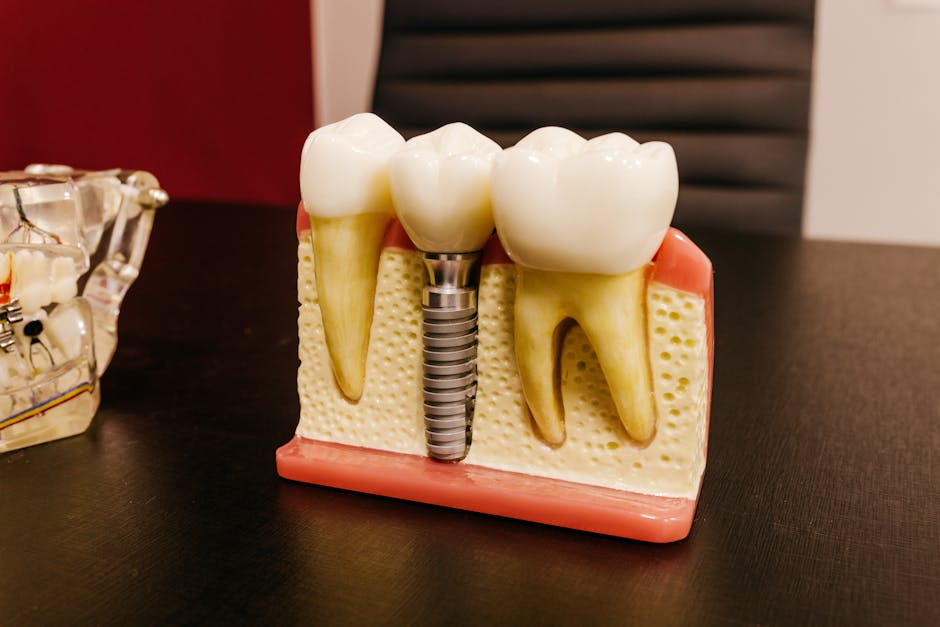
Ceramic dental implants with bolt in artificial mouth piece on desktop in hospital

Typical Speech Changes During Adaptation

  • Lisping: Most frequently noticed on “S,” “SH,” and “Z” sounds, often from subtle bulk in the roof-of-mouth area or new tooth positions.
  • Difficulty with certain consonants: “T,” “D,” and “L” require precise tongue placement. If the prosthesis has a different contour or is slightly bulkier, the tongue may bump against it in unexpected places.
  • Whistling or air leaks: Can result from gaps or over-contoured areas near the premolars.
  • Sensation of bulk: The transitional (temporary) bridge may feel large, slowing tongue movement until adaptation occurs.

Why Does It Happen? The Role of Tongue Space and Proprioception

The tongue, lips, and brain use a refined network of “position sensors” to create each word. When natural teeth are lost and replaced with a full-arch prosthesis, the surfaces the tongue touches become new and sometimes less sensitive. Even minor changes in thickness, position, or texture can alter speech—especially those sounds that rely on friction or a seal between the tongue and palate. With regular use and oral exercises, new wiring in the nervous system develops, restoring fluency.
How Long Does Speech Adaptation Take?

  • First week: Pronunciation of particular words feels most challenging. Many people are aware of every small difference.
  • Weeks 2–4: Improvement is rapid with dedicated practice. Listeners often cannot detect faults even when the patient still feels “off.” Minor dental adjustments help.
  • Months 2–3: For most patients, speech feels natural, with only a few problem words that resolve as the brain adapts.
  • After final bridge: Minor adaptation may re-occur as the final prosthesis feels even more natural.

Best Practices for Faster, Clearer Adaptation

  • Read aloud daily. Dedicate 20–30 minutes, twice a day, to reading from a favorite book or news article, focusing on “S,” “T,” and “L” words.
  • Target problematic sounds. Practice word lists heavy in difficult consonants. For example, “season,” “zoo,” “dental,” “Montreal,” and “clean.”
  • Use slow, exaggerated movements. Overpronounce words during practice. It forces the brain to remap and recalibrate tongue placement more quickly.
  • Attend scheduled follow-up visits. At Blanc Dental Center, we encourage regular check-ups to adjust thickness, contour, or surface polish based on your feedback for speech comfort.
  • Avoid hard or sticky foods in early weeks. Following a soft food diet reduces pressure on both the healing tissue and your practice efforts with speech.
  • Record and listen. Hearing yourself can boost confidence and help set goals for ongoing improvement.
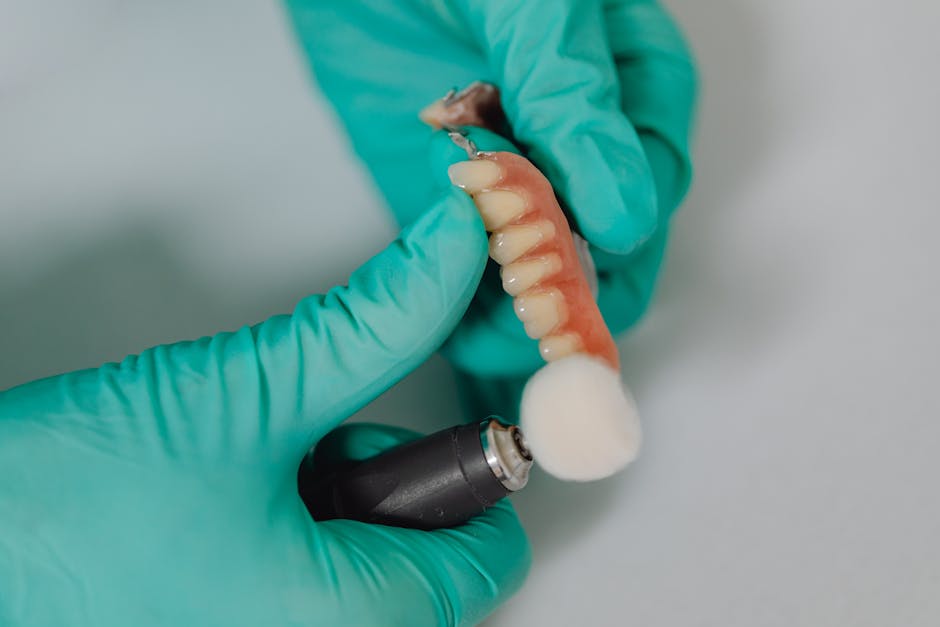
Detailed view of a dentist polishing dental implants with precision, showcasing professional dental care.

When to Seek Further Help

Most speech issues are temporary, but contact your dentist if:

  • Problems last longer than a month without significant improvement.
  • You experience strong whistling, air leaks, or sore spots from the bridge.
  • It becomes hard to swallow, or the sensation of bulk never subsides.
  • There is clicking, looseness, or bite misalignment with your prosthesis.

Many concerns are resolved with minor adjustments in the prosthesis or bite.

How Blanc Dental Center Supports a Smooth Transition

As a Montreal leader in dental implants and restorative dentistry, Blanc Dental Center combines advanced 3D imaging, digital scanning, and precise prosthetic design to ensure that each step of your full-arch implant journey is tailored to the highest standards. Our process includes thorough assessment of your initial bite, custom planning for speech clarity, and attentive follow-up for adjustments. By handling each phase of your care—surgical, prosthetic, and post-operative—in-house, we can coordinate bite, tongue space, and speech factors seamlessly.

  • Experienced implantologists, trained in rehabilitation of complex and full-arch cases
  • Private mentorship and advanced technology including digital scanners and CEREC, which improve the fit and finish for optimized comfort
  • Step-by-step guidance through your adaptation period, ensuring your questions are addressed and your speech feels natural as soon as possible

If you are considering restoring your smile and want to know more about speech outcomes with full-arch implants, our team invites you to schedule a comprehensive examination or consultation. For patients around St-Henri, Côte-des-Neiges, Ville Saint-Laurent, Hampstead, and Westmount, both of our Montreal clinics offer advanced full-arch solutions and transparent advice about expectations and results.

FAQ: Speech and Full-Arch Dental Implants

Will I always have a lisp with full-arch implants?

No. Temporary lisping is common when adapting, but with proper prosthesis design, exercises, and if needed, minor dental adjustments, long-term speech clarity almost always returns.

Is speaking hardest with the temporary or final teeth?

The temporary bridge is intentionally bulkier to protect healing tissue, so some awkwardness is normal at first. Final teeth are thinner and custom-contoured for your exact needs, so speech improves further.

How can I speed up my adaptation?

Daily reading aloud, targeting difficult words, and scheduled follow-up visits with your implant dentist are proven to help. Attending all appointments at Blanc Dental Center ensures small issues are corrected quickly.

Are speech changes permanent?

For most patients, no. Pronunciation returns to normal or near-normal, especially with personalized prosthetic planning and stepwise support from an experienced team.

How is Blanc Dental Center different?

Full-arch restoration is one of our principal clinical focuses. We use 3D scans and in-house design to plan for bite, tongue space, and speech—always collaborating with patients during healing to fine-tune results.

Further Reading and Related Resources

The team at Blanc Dental Center stands ready to help you navigate every stage of your full-arch implant experience, from consultation and technology-driven planning through personalized follow-up and final smile. If you want clarity both in your speech and your dental treatment plan, contact us for a conversation or to book an appointment at one of our conveniently located clinics in Montreal.

Im Vergleich überzeugt das online casino echtgeld mit fairen Boni heute aktuell.
O número de adeptos de apostas online em Portugal continua a aumentar, sobretudo entre quem valoriza pagamentos seguros. Muitos jogadores regulares confiam no winwin pela rapidez dos levantamentos e pela diversidade de mercados desportivos disponíveis. O apoio ao cliente responde com clareza em qualquer momento do dia. Criar conta é gratuito e fica concluído em poucos minutos.
Live dealer tables bring the land-based experience online. The TonyBet Casino live games section covers available tables and providers.