


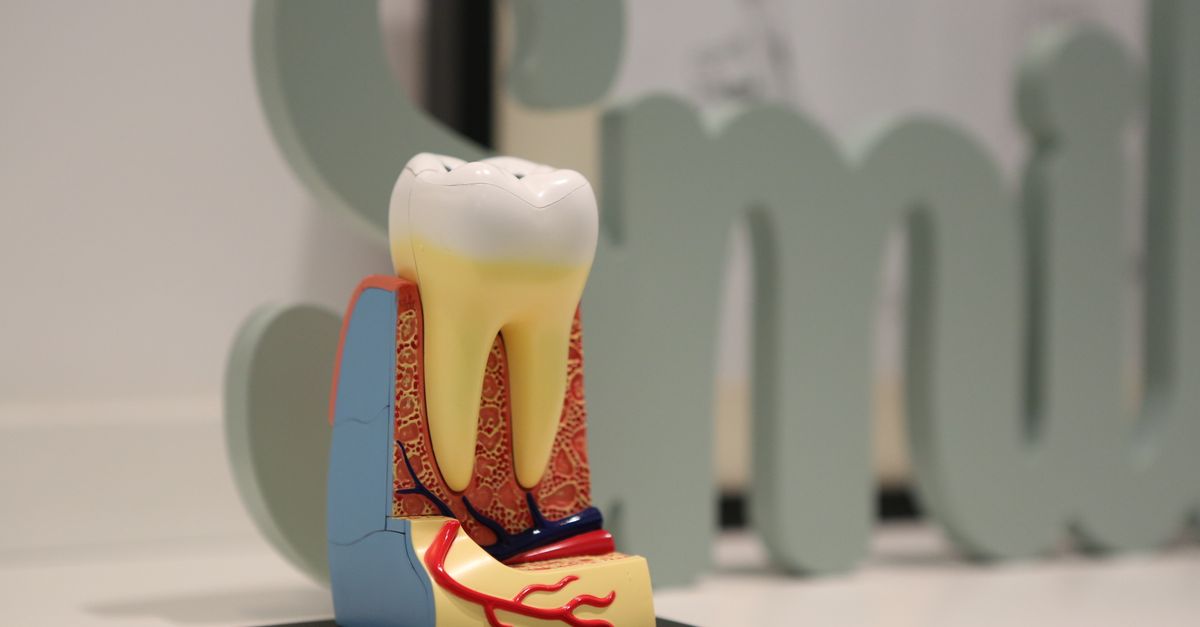
When a dentist says you have reversible or irreversible pulpitis, they are describing the type and severity of inflammation inside your tooth’s pulp (the living center containing nerves and blood vessels). This distinction is key for determining whether your tooth can recover naturally or requires root canal treatment to protect your long-term oral health. At Blanc Dental Center, our experienced Montreal dentists use advanced diagnostic methods to arrive at an accurate diagnosis, guiding patients to the most appropriate treatment and preserving as much of your natural tooth as possible.
In cases of reversible pulpitis, the inflammation often improves once the root cause, such as tooth decay or a faulty filling, is addressed. However, if the condition has progressed to irreversible pulpitis, the dental pulp can no longer heal on its own, and root canal therapy or, in certain cases, tooth extraction may be necessary to prevent more serious infection or tooth loss. Understanding the differences empowers you to seek timely care and avoid complications.

Pulpitis is the inflammation of the tooth’s pulp tissue, which houses the nerves, blood vessels, and connective tissue that keep your tooth alive. This inflammation can vary from mild and reversible to severe and irreversible, depending on the cause and duration.
At Blanc Dental Center, we see pulpitis most often when patients present with tooth sensitivity or pain related to cold, sweet foods, recent dental work, deep cavities, trauma, or leaking old fillings.
Diagnosis is based on a combination of your descriptions, a thorough exam, and clinical tests. Our dentists at Blanc Dental Center use these key tools:
The key diagnostic feature is pain duration after the stimulus (such as cold) is removed. At Blanc Dental Center, we integrate this information to make evidence-based decisions about care.
Treatment at Blanc Dental Center focuses on removing the cause of irritation. This might involve treating decay, replacing a leaky filling, or applying a desensitizing agent. In most cases, the pulp can heal and the tooth remains alive.
Treatment typically requires root canal therapy to remove irreparably damaged pulp and seal the inside of the tooth, sometimes followed by a crown. If extensive damage exists and the tooth cannot be restored, extraction is considered.
| Feature | Reversible Pulpitis | Irreversible Pulpitis |
|---|---|---|
| Pain to cold/sweet | Sharp, brief, resolves quickly | Lingering, prolonged after stimulus |
| Spontaneous pain | No | Often yes, including night pain |
| Pain to tapping | Usually absent | May be present if inflammation has spread |
| X-ray findings | No periapical infection | May show infection or deep decay near pulp |
| Treatment | Remove irritant (filling, cavity) | Root canal or extraction |

Your first appointment will include a review of your symptoms, an examination, one or more sensitivity tests, and precise X-rays using the latest imaging technology. We explain our findings clearly so you understand whether your pulpitis is reversible or irreversible and discuss all possible treatment options. Our clinics in Montreal offer patient-focused care, clear communication, and excellent follow-up to support lasting solutions.

The longer you wait, the higher the risk your pulp will progress from reversible to irreversible damage. Timely intervention is especially important for children, seniors, or anyone relying on dental implants or crowns.
No. When caught early and the cause is removed, many cases heal without root canal therapy.
No. Irreversible pulpitis means the tooth pulp is too damaged to recover on its own. Delaying care can lead to infection and tooth loss.
No. The pulp is usually still alive but badly inflamed, so root canal treatment is needed to prevent further complications.
Sometimes sudden pain relief reflects nerve death rather than healing. Seek a professional evaluation to be sure.
At Blanc Dental Center, the first visit includes a health and dental history review, clinical testing with the latest technology, X-rays, a diagnosis, and treatment plan. Many patients receive the first phase of care on the same day.
Untreated irreversible pulpitis can lead to abscess, bone loss, or spread of infection, increasing the chance of needing an extraction instead of saving the tooth.
Knowing the difference between reversible and irreversible pulpitis can help you make the right decision about your care. Prompt evaluation of tooth pain by a trusted Montreal dental team gives you the best chance of saving your natural teeth and avoiding preventable complications. At Blanc Dental Center, our skilled dentists combine modern diagnostic tools with years of expertise in restoring dental health through preventive, restorative, and root canal therapies. We serve patients across Montreal with a focus on excellence, respect, and transparent patient communication.
If you suspect pulpitis or have ongoing dental pain, contact Blanc Dental Center to request a timely appointment at one of our two convenient Montreal locations. Our team is committed to clear diagnosis and compassionate, evidence-based dentistry when you need it most.