


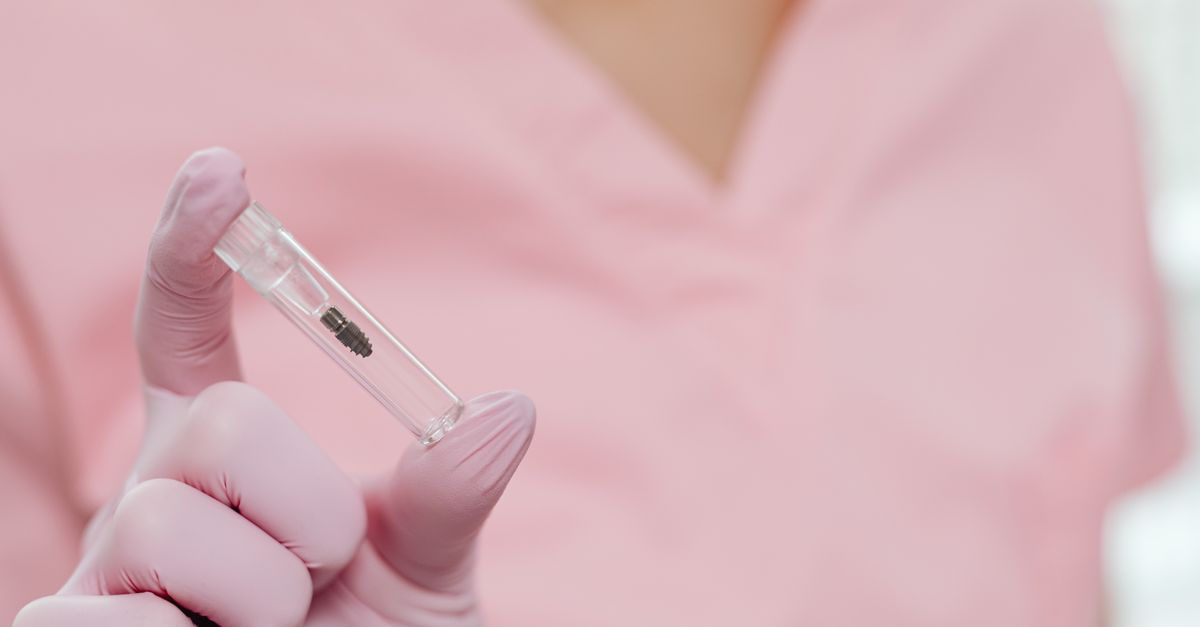
Dental implants have transformed modern tooth replacement, delivering function and durability that closely mimic natural teeth. At Centre Dentaire Blanc, we are committed to giving patients clarity about materials, safety, and the science behind implant success. One of the questions we address most often is: Why is titanium used for dental implants, and what makes it the material of choice for patients in Montreal and around the world?
Titanium is used for dental implants because it is highly biocompatible, integrates with bone through a process known as osseointegration, and resists corrosion in the harsh, wet environment of the mouth. The mechanical strength of titanium ensures that implants can withstand daily chewing forces for many years. At Centre Dentaire Blanc, our expertise in dental implantology and advanced technology means we continually monitor the precision, safety, and performance of all implant materials—making us a reliable source for evidence-based dental care.

A dental implant is a precisely engineered screw, post, or cylinder placed into the jawbone to act as an artificial tooth root. Titanium implants are crafted from pure titanium or titanium alloy, a metal known for its strength, chemical stability, and exceptional compatibility with living tissue. After insertion, the implant fuses to bone in a process called osseointegration, which enables it to support crowns, bridges, or full-arch prosthetics reliably over time.
Biocompatibility refers to how well the body accepts and adapts to the presence of an artificial material. Research consistently cites titanium as bioinert or highly biocompatible, meaning that most patients experience minimal to no adverse reaction when titanium is placed inside bone and soft tissue. This is crucial for long-term stability and for avoiding inflammation or implant rejection, making titanium a top recommendation at Centre Dentaire Blanc.
The hallmark feature of titanium is its ability to support osseointegration. After placement, bone cells attach and grow onto the surface of the titanium implant, creating a direct connection. This bond is essential for stability, allowing the implant to function as a tooth root and securely support any prosthetic tooth on top. Our Montreal implant team leverages advanced 3D imaging and planning to ensure the optimal environment for successful osseointegration in every case.
The oral environment is constantly moist, with saliva, food particles, temperature fluctuations, and varying acidity levels. Titanium’s natural oxide layer acts as a resilient shield, protecting it from rust, tarnish, and chemical breakdown—even in this challenging milieu. This extends the longevity of your implant and reduces risks for complications over time.

Dental implants must reliably withstand biting and chewing every single day. Titanium’s high tensile and yield strength, fatigue resistance, and light weight mean it can absorb the forces generated in your mouth without bending, breaking, or wearing down. At Centre Dentaire Blanc, our clinical protocols and technology enhance the longevity of titanium implants—whether restoring a single tooth or a full arch.
Titanium has been used in dentistry for decades, with a vast body of clinical evidence supporting its safety and long-term predictability. It remains the gold standard for dental implants, trusted worldwide for both routine and complex tooth loss cases. Our patients in Montreal benefit from this established history, and our team’s advanced training in dental implantology ensures optimal application in every treatment plan.
Ceramics—mainly zirconia—are a newer alternative for dental implants. While ceramics offer esthetic benefits in certain situations, titanium remains the most widely used and clinically proven option. Titanium combines strength, ease of placement, and predictability with a long-term track record unmatched by other materials. It is preferred for most patients at Centre Dentaire Blanc, though our dentists will discuss all suitable choices and personalize the recommendation based on your goals and needs.
Titanium is preferred for most patients who need reliable, long-term tooth replacement. It excels in single-tooth, multi-tooth, and full-arch implant procedures, and it is ideal for patients who value proven safety and stability. For individuals with unique esthetic needs or true titanium allergy (rare), our team can review alternatives—but for the vast majority, titanium remains the most practical and scientifically supported foundation for implant treatment.
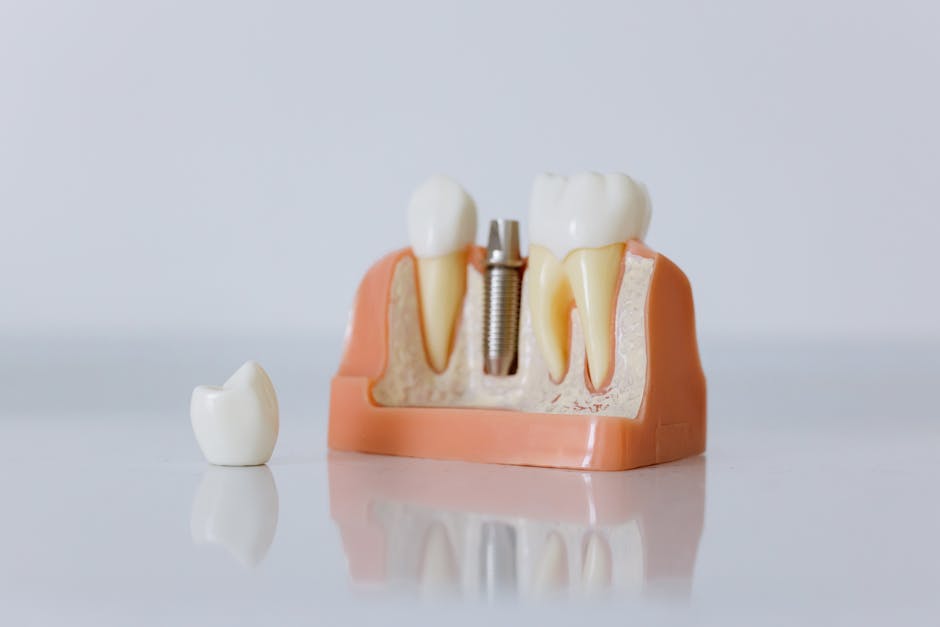
Osseointegration is the process by which bone grows onto and around a titanium dental implant, creating a direct, stable connection. This process is crucial because it allows the implant to function like a natural root—supporting restorations that look and feel like real teeth. Without osseointegration, the implant cannot deliver reliable chewing function or longevity.
Titanium implants are considered very safe and are used in millions of cases globally each year. Allergy to titanium is extremely rare. If you have a history of metal sensitivities, discuss it with your dentist at Centre Dentaire Blanc for a personalized assessment and alternative options if needed.
With proper placement, good oral hygiene, and ongoing care, titanium dental implants can last many years—often decades. The long-term performance of titanium is proven by decades of use and scientific literature.
The main alternative is zirconia, a type of ceramic. While zirconia implants offer unique advantages in certain esthetic or allergy cases, they do not match the long-term track record or versatility of titanium for most patients. Our team can explain the pros and cons in detail for your specific case.
Yes, the quality of both the implant brand and clinical technique are critical for long-term success. At Centre Dentaire Blanc, we use high-quality implant systems and support every procedure with advanced 3D imaging, meticulous planning, and collaborative care.
Not every patient needs bone grafting, but it may be required if bone volume is insufficient for proper placement. We assess your jaw with advanced imaging before recommending grafting or other preparatory steps.
In some cases, immediate implant placement is possible. The decision depends on bone and gum health, anatomy, and risk factors. We evaluate each patient individually and explain your options clearly. For more detail, see our article: Can an implant be placed right after tooth extraction?
Titanium is the most trusted and scientifically validated material for dental implants. Its combination of biocompatibility, strength, corrosion resistance, and a long clinical track record makes it the foundation of lasting tooth replacement for patients worldwide—and in Montreal. At Centre Dentaire Blanc, we are dedicated to leading-edge, transparent care, helping you make confident choices about your health. Whether considering a single implant, a full-arch solution, or a second opinion, our team is ready to answer your questions with expertise and honesty at every step.
If you want to learn more about titanium implants or wish to book a personalized consultation with our experienced Montreal team, visit us at Centre Dentaire Blanc.