


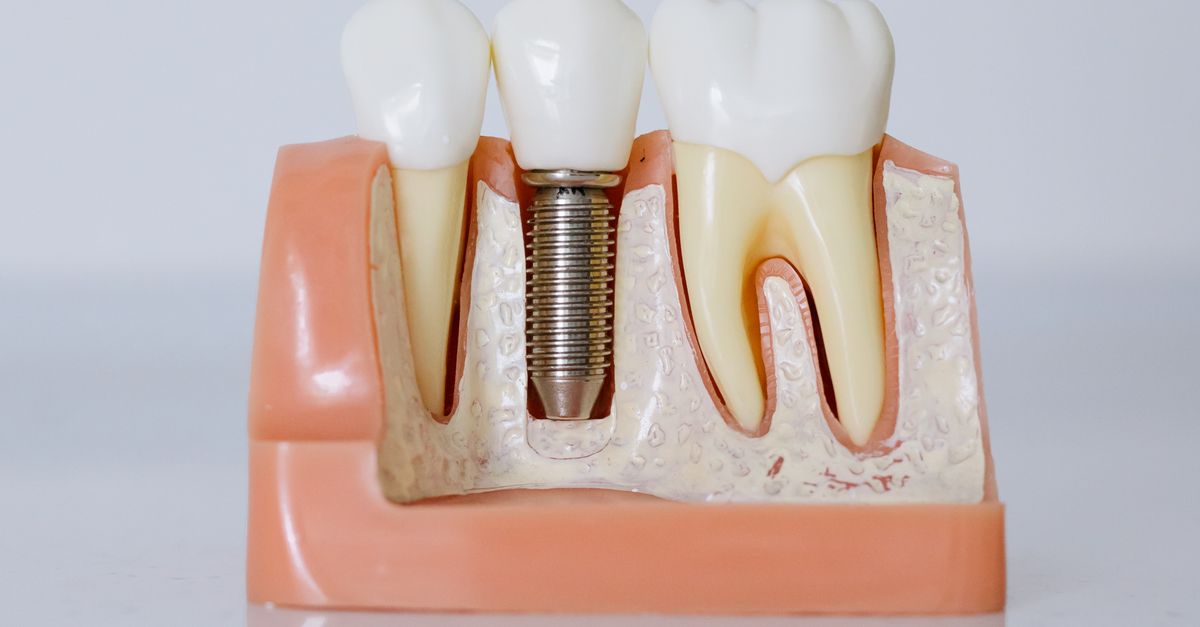
Blanc Dental Center can assess a dental implant for a missing back tooth even when the neighboring teeth already have fillings or crowns. Our Montreal team provides implant and restorative care, so we can examine the empty space alongside the existing dental work rather than planning the replacement tooth in isolation.
A crown on a neighboring tooth does not, by itself, rule out an implant. A single implant may support a replacement tooth without using the adjacent teeth as supports. The decision depends on the space between their roots, the available jawbone, gum health, the condition of the restorations and the way your teeth meet when you bite. If the missing tooth is part of an existing bridge, the assessment is different because the bridge must be evaluated as a whole.
We see patients at 4215 Rue Saint-Jacques and 5001 Rue Jean-Talon O in Montréal. For this specific concern, you can request a consultation or a full exam. Tell us which back tooth is missing and what work has already been done on the teeth beside it, even if you are not sure whether you have fillings, crowns or a bridge.
A single-tooth implant is a replacement for one missing tooth that does not depend on the teeth next to it for support. The implant is placed in the jawbone and, after the appropriate healing and restorative steps, supports a crown. The implant, its connecting component and the visible crown have different roles. Our guide to dental implant components explains how they fit together.
For a missing molar or premolar, independence from the neighboring teeth can be an important advantage. If those teeth already have sound restorations, an implant may avoid involving them in a new tooth-supported bridge. That does not mean an implant is automatically the best choice. The roots must leave room for placement, the bone must be suitable for the proposed implant, and the finished crown must fit a functional bite.
The question is not simply, “Can an implant fit in the gap?” It is, “Can we plan an implant and a maintainable crown in this gap while protecting the restored teeth beside it?” That distinction guides a useful consultation.

A filling, a crown and a bridge create different planning questions. They can also tell us something about the history of the teeth on either side of the gap. During an assessment, we look at the dental work and the tooth beneath it where examination and imaging allow. A restoration that appears intact from one angle may still need a closer look if there is pain, a loose edge, food trapping or gum inflammation.
A filling may leave most of the tooth visible, but its size and condition still matter. A large filling, a crack or pain on biting may affect the long-term plan for that tooth. We do not need to replace a sound filling merely because you are considering an implant. We do need to understand whether the adjacent teeth are stable and how their surfaces will relate to the new crown.
Existing crowns do not automatically have to be removed to place an implant. We assess whether they are secure, whether their edges are healthy, whether the gums around them are stable and whether their shape leaves a practical space for the implant crown. We also consider the contacts between teeth: the replacement should neither create a persistent food trap nor press inappropriately against a neighboring crown.
A crown on a neighboring tooth can be a reason to consider an independent implant rather than asking that tooth to support a new bridge. But a crowned tooth that is painful, loose or difficult to clean may need its own diagnosis before a permanent implant restoration is designed. For more on that distinction, see when a dental crown may need replacement.
A bridge is not simply a pair of separate crowns. It is a connected restoration, often with a replacement tooth between supporting teeth. If a bridge currently spans the missing space, we first assess its condition and design. A stable bridge may not need to be changed. If it is failing, an implant might be considered as part of a revised plan, but the bridge cannot be treated as though it were two unrelated restorations.
Changes beneath a bridge may be difficult to judge by appearance alone. If you have noticed a loose bridge, an unpleasant taste, bleeding or discomfort around a supporting tooth, that concern deserves attention before deciding how to fill another space. Read more about evaluating an older bridge for problems beneath it.
At Blanc Dental Center, we think about this type of missing-tooth decision in three connected parts. It helps keep the focus on the final tooth you will use for chewing, not just on the surgery.
These parts affect each other. For example, a gap may look wide enough at the gumline but have less space between the neighboring roots. A site may have adequate bone, yet an adjacent crown shape may make the finished tooth hard to clean. A proposed crown may fit the gap on a scan but need adjustment in the overall bite plan. Evaluating all three parts is more useful than deciding from a photograph or a single measurement.
Our practice offers implant care, crowns and bridges. Our team also has experience across implantology and complex restorative treatment. Dr. Dan Munteanu has training in implantology and minimally invasive implant care, while Dr. Gabriel Constantin Iorgovan works with implant restorations and complex prosthetics. The point of involving restorative thinking early is straightforward: the position of an implant should serve the tooth that will eventually sit on it.
Our appointment page offers a consultation for a specific problem and a full exam. The full exam includes a panoramic X-ray. A consultation may include X-rays or other tests, and complex care may call for a full exam. If you already see another dentist for routine care, explain that you want an assessment of one missing back tooth and the restorations beside it. If you also need a broader review of your dental health, a full exam may be the better starting point.
When booking, mention whether the tooth was recently extracted or has been missing for years. Also tell us if a crown or bridge feels loose, you have pain when chewing, or you have been advised that your jawbone may be limited. Those details help us understand the questions you want answered.
We will want to know when the tooth was lost, whether the neighboring teeth have had root canals, and whether you have had trouble with the existing restorations. Bring recent dental images or treatment information if you have them. You do not need to identify every restoration correctly before you arrive; an examination helps clarify what is there.
Your health history is part of implant planning too. Tell your dentist about medications, smoking, diabetes, osteoporosis or bone-related medications, and any previous difficulties healing after dental treatment. These details do not produce an automatic yes-or-no answer. They help determine what needs closer review and how treatment should be planned.
A clinical exam considers the gums, the restored teeth beside the gap, the tooth that bites against the space and the overall way your teeth meet. We may investigate a painful adjacent tooth, a loose restoration or signs of gum disease before recommending a permanent replacement. An implant is intended to solve a missing-tooth problem; it should not distract from an active problem next door.
Our clinics use digital dental technology, including intraoral scanning, and our Jean-Talon O location has CBCT 3D imaging. A panoramic X-ray can give an overview of the teeth and jaws. Three-dimensional imaging, when appropriate, can help the dentist assess the shape of the bone and important anatomy near a proposed implant. Digital scans can help record the visible teeth and the way the planned crown relates to neighboring restorations.
Back-tooth anatomy makes this especially relevant. An upper back-tooth site may be near the sinus; a lower back-tooth site may be near a nerve. Images are interpreted together with the examination, not used as a substitute for it. Our article on CBCT dental scans in Montreal explains what to ask about this part of planning.
Once we understand the site, we can discuss whether an implant is suitable and how the finished tooth would be restored. A useful plan addresses any treatment needed first, the proposed implant and crown, the expected stages of care, and follow-up. If a neighboring crown requires attention, that should be discussed as part of the overall sequence, rather than discovered after the replacement tooth has been designed.
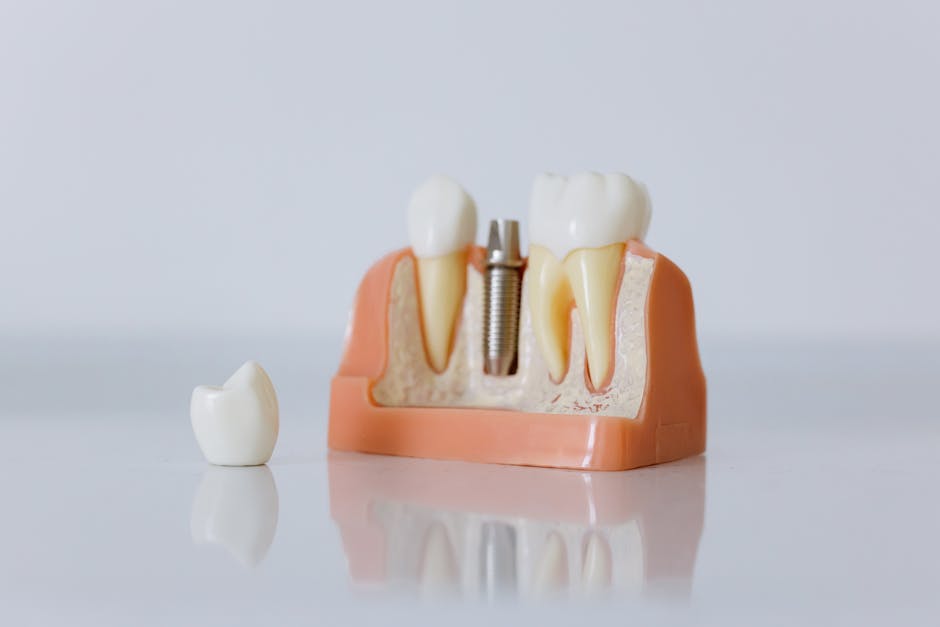
A missing back tooth does not lead to the same recommendation for every person. The existing restorations are one factor in choosing among these approaches:
The best comparison is not “implant versus bridge” in the abstract. It is an implant plan for your gap versus a bridge plan that accounts for the actual condition of your restored neighboring teeth. Ask what would need to be done to those teeth under each option and how you would clean and maintain the finished result.
A long-standing gap can still be assessed for an implant. Over time, the bone at a missing-tooth site may change, and nearby teeth or the opposing tooth may shift. That can affect the room available for both the implant and its crown. The age of the gap alone does not tell us whether placement is possible. An exam and appropriate imaging are more informative.
If there is not enough suitable bone for the initial plan, the discussion may include whether bone reconstruction is appropriate or whether a different replacement makes more sense. We should also check whether the gap still permits a practical crown shape. Our article on getting implants years after tooth loss explores why an older gap deserves its own assessment.
If the tooth is still present but may need extraction, the conversation starts earlier. The condition of that tooth, the surrounding bone and the adjacent restorations can affect the sequence of extraction and replacement. Immediate implant placement after extraction is not an automatic step. Ask which options apply to your tooth before it is removed.
The visible replacement tooth has to do more than occupy a space. It should contact the neighboring teeth appropriately, meet the opposing tooth in a considered way and leave surfaces you can clean. Those goals become particularly important beside crowns or large fillings because the finished contacts involve restorative materials as well as natural tooth structure.
We also pay attention to the path available for placing the crown. If the teeth beside a gap lean toward it, the opening you see when you smile or chew may not represent the room available deeper in the bone. Similarly, a neighboring crown that extends too far into the gap may affect the proposed crown shape. The plan may be to preserve sound existing work, adjust the restorative approach, or treat a compromised neighboring tooth first. Which of those makes sense depends on the examination.
A back tooth is subject to chewing forces. If you grind your teeth or have worn or repeatedly fractured restorations, say so at the consultation. Bite assessment matters when planning an implant crown beside dental work that has already had to withstand those forces. Our guide to how dentists check the bite before restorative treatment explains the broader principle.
There is no need to decide on surgery during the first conversation. The purpose of an assessment is to understand the options, the condition of the teeth you already have and the reasons for the recommended sequence.
Yes, crowned neighboring teeth do not automatically prevent implant placement. The dentist must assess the roots, available bone and space, the condition and shape of the crowns, gum health and the proposed bite. An implant may allow the neighboring crowns to remain independent if they are sound and the site is suitable.
Not necessarily. A sound crown may remain in place. Replacement may be discussed if a crown is loose, damaged, difficult to clean, or shaped in a way that interferes with a workable implant restoration. The reason should be clear before you agree to additional treatment.
A previous root canal does not, by itself, decide whether you can have an implant in the adjacent gap. We assess whether those teeth are stable, comfortable and appropriately restored. If one has symptoms or a problem beneath its crown, that may need diagnosis as part of the overall plan.
Possibly, but the bridge design and the location of the missing tooth matter. If the bridge occupies or spans the intended implant space, it must be assessed before a separate implant can be planned. Do not assume the bridge must be removed or that it can remain unchanged until a dentist evaluates it.
Your dentist determines which images are appropriate after assessing the site. Three-dimensional CBCT imaging can be useful for reviewing bone and nearby anatomy, particularly around upper back teeth near the sinus or lower back teeth near a nerve. A full exam at our clinic includes a panoramic X-ray; other imaging is considered according to the treatment question.
Limited bone calls for a closer look, not an assumption that an implant is impossible. The amount and location of available bone, the planned crown and nearby anatomy all influence the options. Your dentist can discuss whether bone reconstruction, a different approach or a non-implant replacement is more appropriate.
Neither option is universally better. A single implant can avoid relying on the adjacent crowned teeth for support, which may be valuable when those crowns are healthy. A bridge may deserve consideration if the supporting teeth need new restorations or other site factors favour it. Compare complete plans for your own teeth, not general claims about either treatment.
The sequence depends on the condition of the site and the care required before and after implant placement. Healing, any bone treatment and the timing of the final crown affect the schedule. Ask for a staged plan at the consultation rather than assuming that the implant and finished tooth will be completed at the same visit.
A consultation is intended for a specific concern and may include X-rays or tests. A full exam includes a panoramic X-ray and gives a broader assessment; it may be needed for complex care. When you request an appointment, describe the missing molar and the work on the neighboring teeth so we can help you choose a starting point.
When the teeth beside a missing back tooth have already been restored, the best first step is an assessment that considers the gap, those teeth and the eventual bite together. Blanc Dental Center offers implant and restorative care at 4215 Rue Saint-Jacques, Montréal, QC H4C 1J5, and 5001 Rue Jean-Talon O, Montréal, QC H4P 1W7. Both locations have free parking. To discuss an implant consultation, call the Saint-Jacques clinic at (514) 933-3368 or the Jean-Talon O clinic at (514) 564-4554, or use our contact page.