If you have lost one or more teeth several years ago and are now considering dental implants, you are not alone—and it is very likely that dental implants remain a viable and effective solution for you. At Centre Dentaire Blanc, we regularly help patients in Montreal and the surrounding areas reclaim their smile and confidence, regardless of how much time has passed since tooth loss. Modern implantology techniques mean that years—or even decades—since extraction do not typically prevent successful dental implant placement.
Is It Possible To Get Dental Implants Years After Losing Teeth?
Yes, dental implants can be placed many years after tooth loss. The key consideration is not the length of time, but the current health and condition of your jawbone and gums. As a leading dental implant provider in Montreal, Centre Dentaire Blanc uses advanced diagnostics and treatment protocols to assess and address any challenges related to delayed implant placement.
Even if it has been 5, 10, 20, or more years since your teeth were removed, you may still be a candidate for dental implants. The main factor affecting eligibility is the degree of bone resorption that has occurred in the jaw at the site of missing teeth. Fortunately, with contemporary bone grafting and guided implant surgery, there are solutions for the vast majority of cases.
Understanding Bone Loss After Tooth Loss
When you lose a tooth, the jawbone in that area naturally begins to shrink over time. This is known as bone resorption, and occurs because the bone is no longer receiving stimulation from the tooth root. In the first year after extraction, the bone width can decrease significantly. As the years go by, bone continues to be lost, although at a slower rate. This gradual resorption can mean that less bone is available at the site for securing a dental implant.
After several years, moderate to significant bone loss can occur.
After a decade or more, bone support may be quite limited—but reconstruction is usually possible.
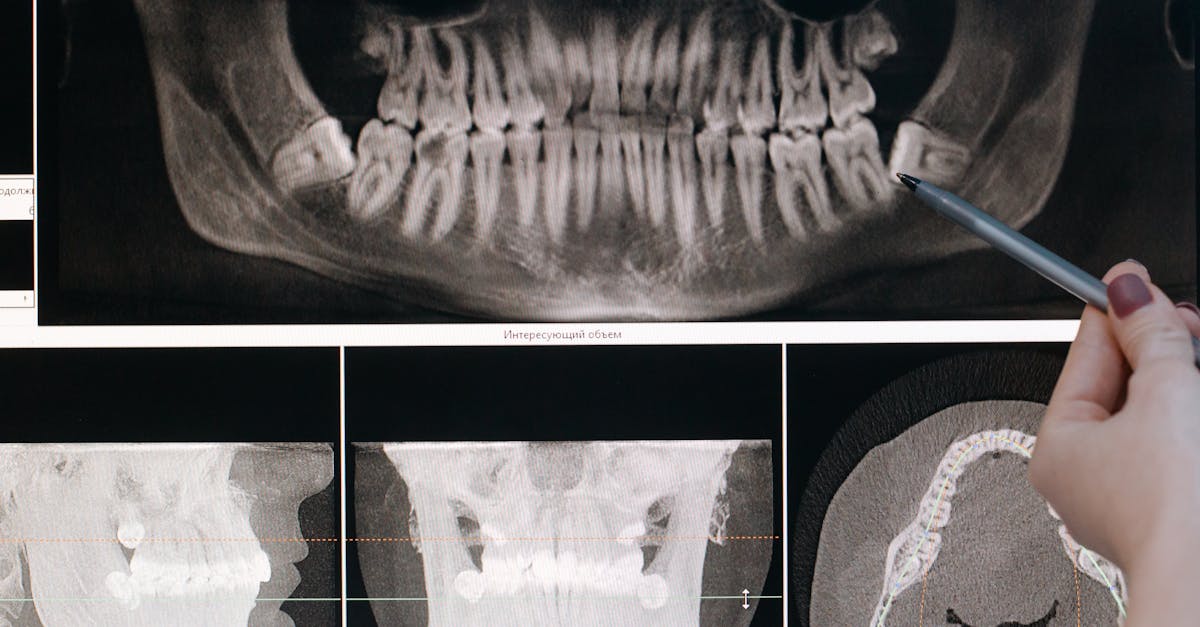
The degree of bone resorption can only be determined with a thorough dental evaluation and imaging. At Centre Dentaire Blanc, we use advanced 3D X-rays (CBCT scans) and digital scanning to get a precise picture of your jawbone health, making it possible to determine the best course of action—even after many years without teeth.
What Determines Your Eligibility for Late Dental Implants?
Several factors influence whether you can receive dental implants years after losing teeth. Here is what we look at during your assessment:
Amount and quality of jawbone: Sufficient bone height, width, and density are needed for implant support.
Gum health: Active gum disease or infection needs to be treated before placement.
General health: Factors like uncontrolled diabetes, certain medications, or recent head/neck radiation may need to be discussed during your comprehensive consultation.
In most cases, even if you have experienced bone loss, pre-implant treatments like bone grafting can rebuild a solid foundation. This means that the passage of time rarely disqualifies someone from getting dental implants.
Step-by-Step: Getting Dental Implants Years After Tooth Loss
Comprehensive Assessment: Our team will carry out a full dental and medical history, detailed clinical exam, and advanced imaging to assess your suitability and plan your treatment.
Bone Grafting (if needed): If there is insufficient bone, a grafting procedure will be suggested. Bone grafting is now predictable and uses biocompatible materials to regenerate lost jawbone. Healing times vary, but most minor grafts heal within 3 to 6 months.
Implant Placement: After your jaw is ready, we place the dental implant with precision, often using computer-guided navigation for optimal accuracy.
Healing & Integration: The implant integrates with the newly formed bone—this process is called osseointegration and usually takes a few months.
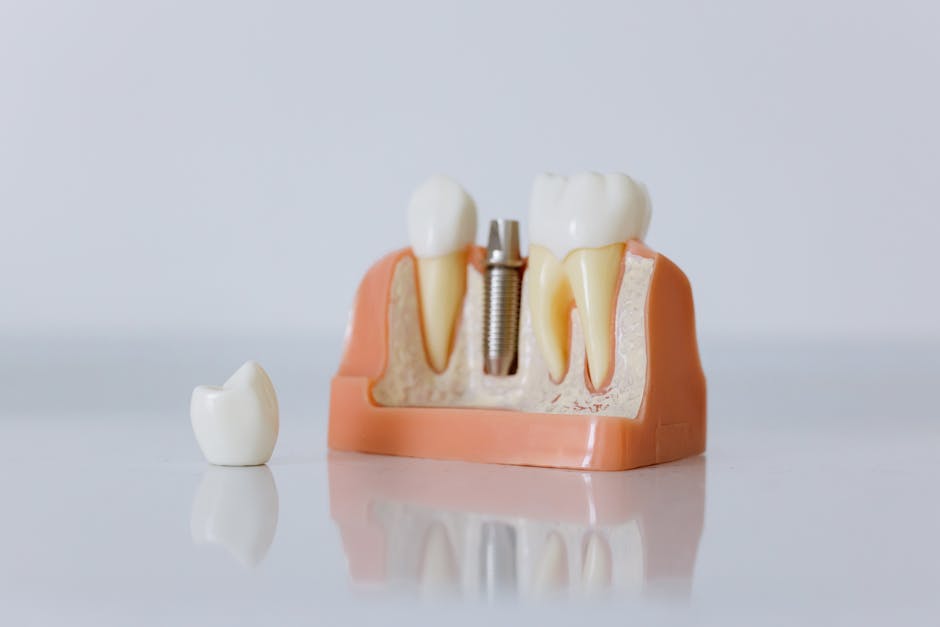
Permanent Restoration: Once healed, an abutment and custom crown, bridge, or denture are attached for a restored, natural look and feel.
Why Consider Implants After Many Years?
Implants offer several advantages over traditional bridges or removable dentures, especially for patients who have been without teeth for some time:
Preserve jawbone: Implants prevent further bone loss by stimulating the bone like a natural root.
Restore full function: You can eat, speak, smile, and live with more confidence and security than with removable prosthetics.
Protect adjacent teeth: Implants do not require grinding down neighboring natural teeth, as bridges do.
Best Practices for Late Dental Implant Placement
Seek an experienced implant team: Choose a clinic with extensive expertise in complex jaw and bone reconstruction. Centre Dentaire Blanc has a team with advanced surgical and restorative skills, guided by ongoing mentorship and up-to-date training.
Plan for comprehensive diagnostics: Advanced imaging (CBCT 3D scans, digital impressions) ensures accurate treatment planning, which is vital to predictability and success.
Understand the timelines: Bone grafting, if required, will extend the total treatment time. Healing is crucial for long-term success, so following post-op protocols is important.
Evaluate your options: If multiple teeth are missing or all teeth are gone, consider full-arch solutions like All-on-4 implants or implant-supported dentures. These can restore function and aesthetics even after extensive bone loss. For more information, see our blog on All-on-4 dental implants vs dentures.
Commit to oral hygiene: Long-term success depends on maintaining excellent gum and implant care, with regular dental visits for monitoring.
Are There Risks or Challenges?
While dental implants placed years after tooth loss are highly successful, there are a few extra considerations:
Bone loss: May require bone grafting, which adds cost and time.
Longer timeframes: Multiple steps and healing pauses are needed, but these are standard in modern dental implantology.
Existing medical conditions: These should be reviewed during your consultation to ensure you are a good candidate and to optimize results.
Why Choose Centre Dentaire Blanc in Montreal?
Our focus at Centre Dentaire Blanc is on providing comprehensive dental implant solutions—even for those who have delayed treatment. Here are just a few reasons to trust us:
Advanced technology: Digital 3D X-rays, intraoral scanning, and computer-guided implant placement for precise, safe outcomes.
Full-service approach: From assessment and bone grafting to final restoration, all steps are handled in-house, coordinated by a multidisciplinary team.
Swiss-quality implants: We use top-tier implants and materials for lasting results. Our implant services include single, multiple, and full-arch solutions.
Expert team: Our doctors have specialized training in minimally invasive procedures, bone management, and complex prosthetic cases.
Two convenient Montreal locations: St-Jacques and Jean-Talon; both feature free parking and modern, welcoming clinics.
FAQ: Dental Implants Years After Tooth Loss
Is there a maximum number of years after which I am no longer eligible for implants?
No. The limiting factor is bone and gum health, not time. Even after decades, reconstruction is usually possible.
What if I already wear dentures?
Many patients upgrade from dentures to implants. It is often possible to place implants under an existing denture, making it more stable and comfortable. Read more about implant-supported dentures in Montreal.
Is bone grafting painful or risky?
Bone grafting is now a routine and safe dental procedure, performed with local anesthesia. Discomfort is usually mild and manageable.
How long will my dental implant last?
With good oral hygiene and routine dental care, implants can last a lifetime. The artificial tooth (crown or denture) may need replacement after many years due to wear.
Are there alternatives to implants if I have severe bone loss?
Time alone does not exclude you from getting dental implants. With expert assessment, modern grafting, and tailored dental care, even patients who have waited many years can benefit from a stable, beautiful, and functional smile. At Centre Dentaire Blanc, we take pride in helping patients in Montreal replace missing teeth, restore self-esteem, and make eating, speaking, and smiling natural again. If you want to know more or would like to book a consultation, we invite you to contact us or visit us at our St-Jacques or Jean-Talon locations.