


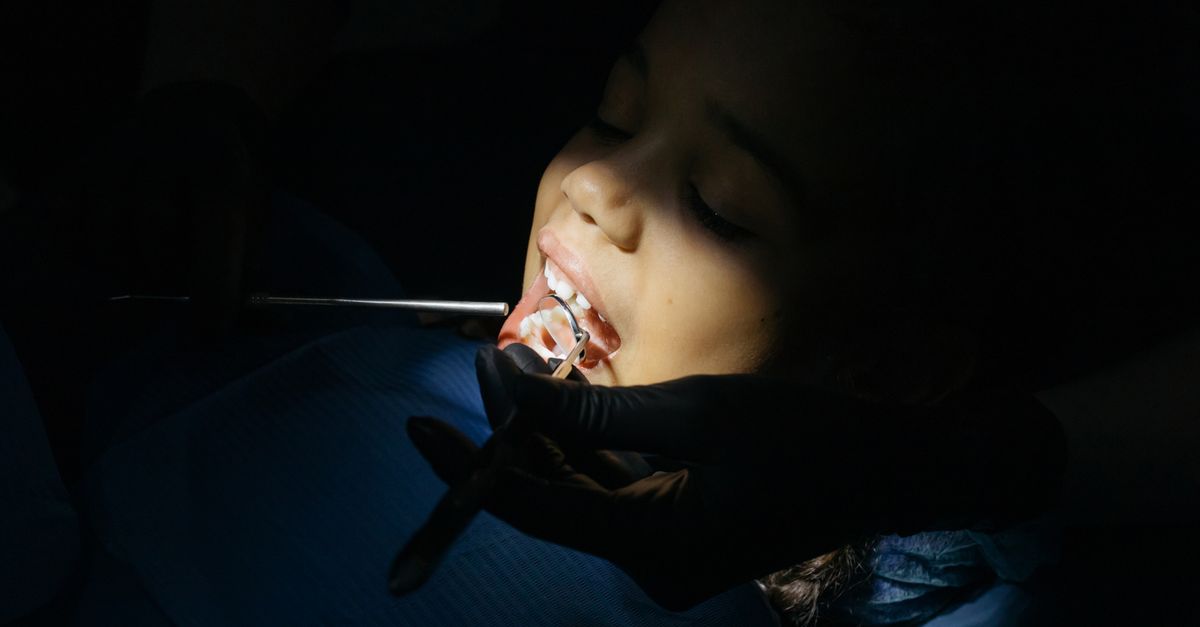
Dental sealants offer one of the most effective ways to protect cavity-prone molars in children, particularly during the years when permanent back teeth first erupt and are most at risk for tooth decay. Dental sealants are a thin, protective coating expertly applied to the chewing surfaces of molars, acting as a barrier against bacteria and food particles that otherwise collect in the deep grooves of these teeth. At Centre Dentaire Blanc, we prioritize preventive dentistry for families in Montreal, recommending sealants for children who are likely to benefit from this simple, non-invasive procedure.
Sealants have been proven to significantly reduce the risk of cavities in children’s molars. According to widely referenced public health data, sealants can prevent up to 80% of cavities for two years after placement, and they continue to provide substantial protection for several years with ongoing dental supervision. For parents in Montreal, early prevention with dental sealants means fewer fillings, less discomfort for children, and healthier smiles as they grow.
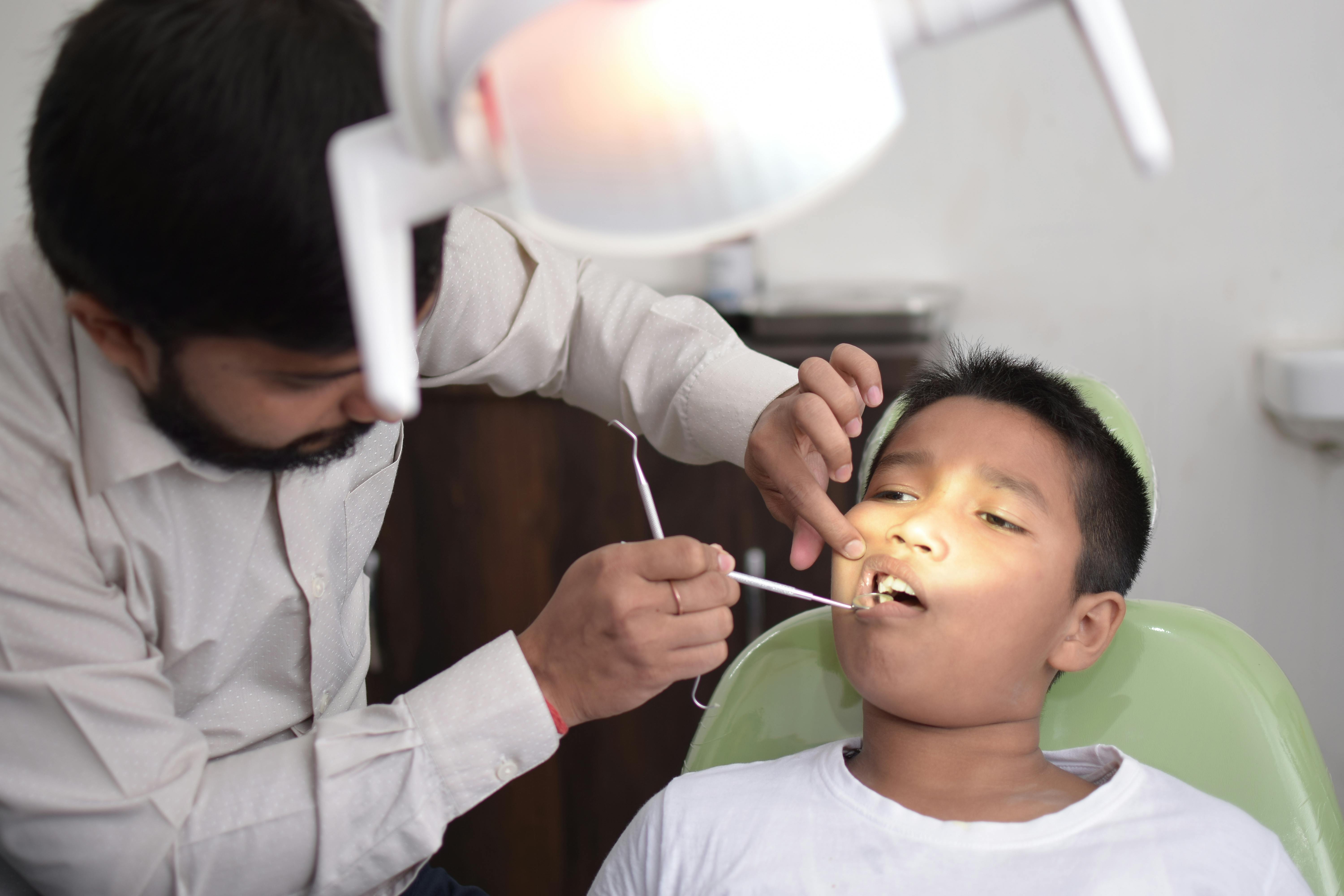
Dental sealants are a preventive dental treatment designed to protect the back teeth, particularly the molars and occasionally the premolars. Molars have naturally deep pits and grooves that make them vulnerable to trapping plaque and food debris, which regular brushing sometimes fails to remove entirely. The sealant material, typically a durable resin, is painted onto the cleaned tooth surface where it quickly hardens and effectively seals these vulnerable areas.
Molars handle most of the food chewing, exposing them to frequent pressure, food particles, and bacteria. Their complex surface anatomy—full of tiny fissures and grooves—provides ample hiding places for the bacteria that cause cavities. Even children with good brushing habits can find these surfaces difficult to keep clean. This makes the molars the first permanent teeth often affected by tooth decay.
This procedure is fast, completely pain-free, and does not usually require numbing or drilling. Most children tolerate the process comfortably and leave the appointment with an added layer of protection against future cavities.
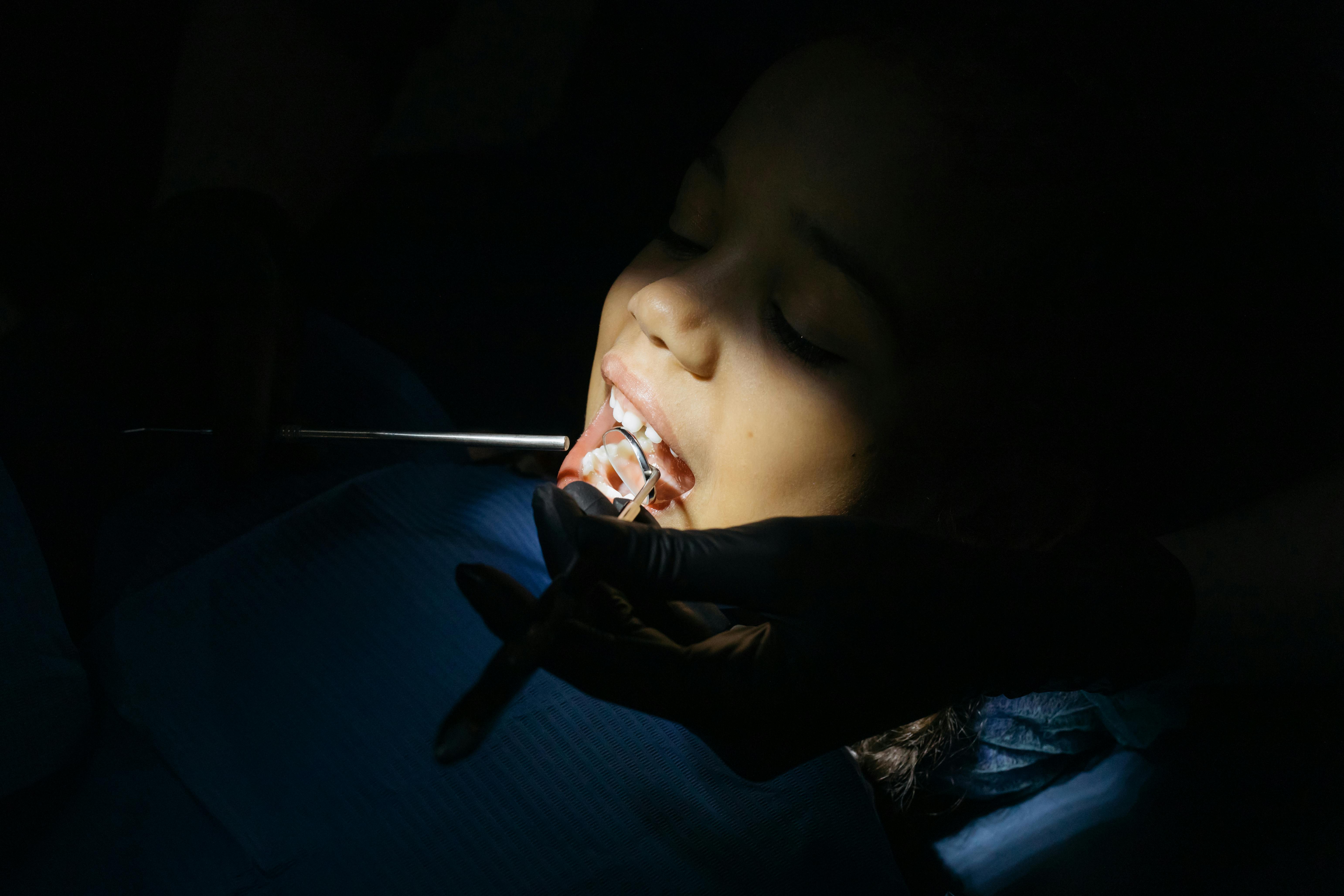
The timing of sealant placement is critical for long-term dental health. At Centre Dentaire Blanc, we recommend that sealants be applied as soon as the permanent first molars erupt, typically between ages 6 and 7, and again when the second molars appear, usually between ages 11 and 13. Placing sealants soon after molars emerge—while the teeth are still cavity-free—ensures the highest degree of protection during the years when children are particularly susceptible to decay.
Sealants offer years of reliable protection, commonly lasting from 5 to 10 years when accompanied by routine dental checkups. However, normal chewing can cause gradual wear. Dentists at Centre Dentaire Blanc monitor the condition of sealants during each visit, repairing or replacing them as needed to ensure ongoing protection. If a sealant becomes chipped or detached, it can be quickly reapplied.
Even children without a history of cavities can benefit from sealants if their dental anatomy or hygiene makes them vulnerable to decay. During your child’s dental examination at Centre Dentaire Blanc, our team will assess these risk factors and recommend an appropriate sealant plan.
Sealants are backed by strong clinical evidence as a preventive dental care standard. Data from major public health agencies indicate that children who receive sealants are significantly less likely to develop cavities in their molars. For parents, sealants are also more cost-effective than treating cavities with fillings or crowns, and they help maintain overall tooth strength for many years.
It is essential to understand that sealants are not a substitute for twice-daily brushing, daily flossing, or routine dental checkups. Instead, sealants work in partnership with these habits, smoothing tooth surfaces to facilitate more effective cleaning and limiting the formation of plaque in hard-to-reach areas. Proper home care, healthy eating habits, and professional supervision maximize the benefits of dental sealants.

At Centre Dentaire Blanc, excellence and patient-centered care are core values in everything we do. Serving diverse communities in Montreal, Saint-Laurent, Côte-des-Neiges, Hampstead, Westmount, and surrounding areas, our experienced team combines advanced technology with gentle, thorough education for each family. We help you understand every step in your child’s preventive care, from the timing of sealants to the importance of ongoing checkups and oral hygiene at home.
If you are preparing your child for a successful school year, you may also find our comprehensive guide on back-to-school dental checkups helpful in planning preventive visits and healthy routines for your family.
If your child matches any of these criteria, or if you simply wish to explore preventive options, schedule a full exam or consultation at Centre Dentaire Blanc. Early intervention is key; sealants must be placed before cavities start to ensure maximum effectiveness.
These steps, when followed consistently, help set a foundation for lifelong dental health. For families seeking more ideas on healthy dental routines for children, our articles on packing tooth-friendly school lunches and choosing the right type of dental appointment provide practical, Montreal-specific insights.
Most children benefit from sealants as soon as their first permanent molars emerge, around age 6 or 7. The second set of molars often erupt between ages 11 and 13, at which point sealants are again recommended.
Sealants typically protect teeth for 5 to 10 years. Dentists check their integrity at each visit and can repair or reapply sealants as necessary.
No. Applying dental sealants does not require drilling or numbing and is well tolerated by most children—even those with dental anxiety.
If a tooth has been restored with a filling, a dentist will evaluate whether the remaining tooth structure is suitable for sealing. Sealants work best on cavity-free teeth but can sometimes be used on teeth with minor past restorations. Consult your child’s dentist for individual recommendations.
Many insurance plans in Quebec provide partial coverage for preventive dental treatments for children, including sealants. It is recommended to check with your provider or ask our team for guidance during your visit.
Dental sealants are considered very safe, with minimal risk of allergic reaction or complications. Your dentist will review your child’s health history to ensure sealants are appropriate.
Simply schedule a dental visit. Reapplying a sealant is a quick and easy process that restores the tooth’s protection.
Protecting your child’s cavity-prone molars is a crucial step toward a lifetime of healthy smiles. At Centre Dentaire Blanc, our team welcomes new and returning patients from across Montreal, Saint-Laurent, Côte-des-Neiges, Hampstead, and Westmount with the latest preventive dental methods, a patient-first approach, and two convenient clinic locations with free parking.
If you want guidance on timing, candidacy, or next steps for dental sealants or other preventive care, book your child’s full dental exam or consultation today. Our experienced dentists are ready to answer your questions and tailor a care plan for your child’s unique needs.