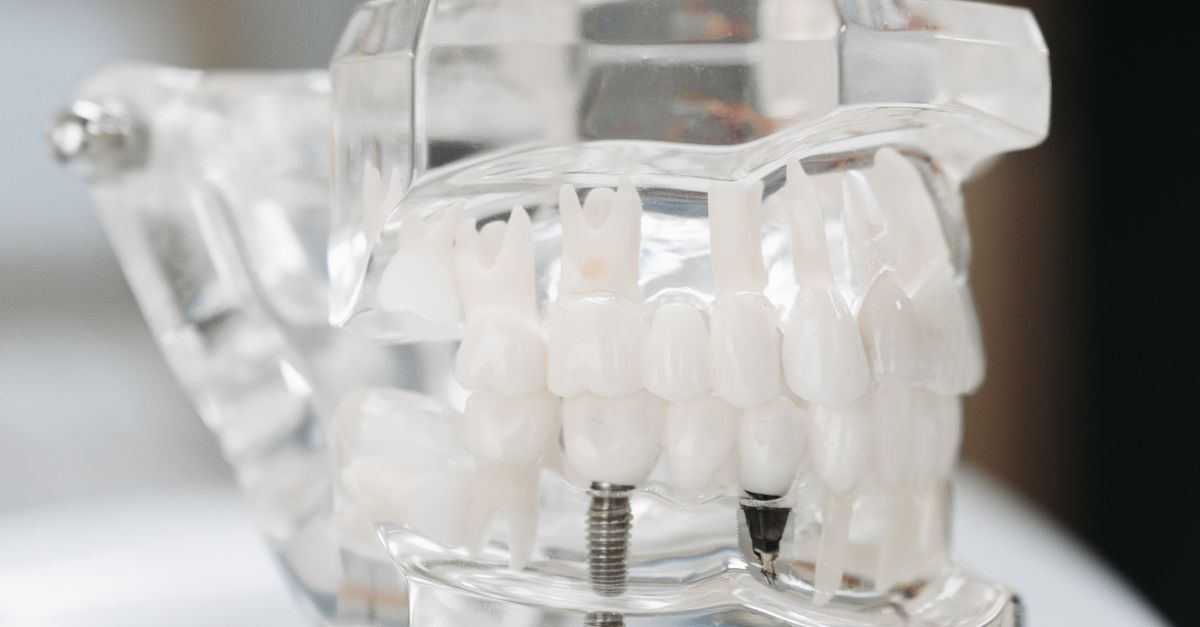
Determining whether you need four or six dental implants to support a full arch of fixed teeth is a highly individual process that requires comprehensive assessment by a skilled dental team. In Montreal, Blanc Dental Center is recognized for its expertise in planning full-arch implant solutions and performs advanced diagnostics to recommend the most appropriate treatment for each patient. Our clinic uses modern technology, such as 3D CBCT imaging, digital scanning, and in-house treatment planning, to evaluate oral health, bone availability, and long-term stability before designing either a four-implant (often called “All-on-4”) or six-implant fixed restoration.
If you have multiple missing teeth, struggle with a conventional denture, or are considering a fixed full-arch solution, your implant configuration—whether four or six implants—is determined through a detailed clinical and radiographic evaluation. At Blanc Dental Center, our experienced team reviews your medical history, performs a full dental exam, and conducts advanced 3D imaging to map the structure and quality of your jawbone. Based on this data, we provide clear, individualized recommendations, helping you understand the benefits and risks of each option before you proceed with treatment.
Many patients want to know how the decision is made, what factors influence the number of implants, the advantages of each approach, and whether grafting or extra preparation might be required. Below, we explain every step of the evaluation process and outline what you can expect if you visit us for a full-arch dental implant assessment.
Definition: Full-Arch Fixed Implant Teeth
A full-arch fixed implant solution refers to replacing all the teeth in the upper or lower jaw with a restoration that is attached permanently to dental implants. Commonly, this is achieved using four or six implants strategically placed to support a bridge that looks, feels, and functions like natural teeth. This approach is distinct from removable dentures and designed for stability, comfort, and strong bite force.
Step-by-Step Assessment at Blanc Dental Center
Medical and Dental Health Review: We begin with a detailed conversation and questionnaire to understand your health history, medications, dental goals, and concerns.
Comprehensive Oral Examination: Our team examines your gums, bite, remaining teeth (if any), oral tissues, and records current dental status. This includes checking for gum disease, inflammation, or other underlying issues.
Advanced Imaging: We perform a 3D CBCT scan to visualize bone structure and density. Digital impressions are taken for accurate jaw mapping.
Treatment Planning and Simulation: Using your scans, we digitally simulate implant positions to find the ideal locations for long-term strength and aesthetics. We assess whether your bone can support four implants, or if six are necessary for optimal function and longevity.
Discussion of Options: We explain the findings to you, including the pros and cons of four versus six implants, potential need for bone grafting, and your personalized treatment roadmap. You receive a written plan outlining the steps, options, and associated costs before any commitment.
When Is Four Implants Enough? When Are Six Needed?
The decision between four and six implants for a fixed full-arch solution depends on several key factors that are assessed during your visit:
Bone Quality and Volume: In patients with good bone density, strategic placement of four implants may provide enough support. If your jawbone is thinner, has uneven quality, or if the arch is longer, six implants may be advised for extra stability.
Jaw Size and Shape: Larger jaws or high bite forces may require more implants. Anatomic limitations or histories of bone loss might also influence the decision.
Health Considerations: Smoking, diabetes, and certain medical histories can affect implant success. More implants may reduce risk of overload and improve long-term results in higher-risk patients.
Restoration Type: If you desire a longer or more robust arch, or if the chewing load will be significant (for example, in the lower jaw), six implants often outperform four in terms of longevity and function.
CBCT 3D Imaging: Allows precise measurement of bone and identification of critical structures.
Digital Planning and 3D Simulation: Ensures safety and accuracy in implant placement, minimizing invasive procedures where possible.
Intraoral Scanners and AI-Assisted Diagnostics: Support accurate impression-taking and objective assessment of your oral condition.
In-House Multidisciplinary Team: Led by Dr. Gabriel Iorgovan and Dr. Dan Munteanu, our team has advanced training in implantology, restorative planning, and digital dentistry. All steps, from assessment to surgery to final restoration, can be coordinated at our two Montréal locations for your convenience.
Alternatives to Full-Arch Fixed Implant Solutions
Removable Implant-Supported Denture (Overdenture): Sometimes called “snap-on dentures,” these use fewer implants with removable teeth. They are less expensive but do not provide the same bite force or overall stability as fixed full-arch solutions. Learn more about implant-supported dentures.
Traditional Removable Dentures: No implants are used. These are usually considered when implant placement is not possible due to medical contraindications or cost.
Partial Fixed Implant Bridges: For patients missing only some teeth, fewer implants and partial bridges may restore function without a full-arch approach.
Best Practices for Choosing a Clinic and Planning Treatment
Choose a clinic with proven experience, advanced diagnostic equipment, and a multidisciplinary team that can handle surgical and restorative phases in one place.
Ensure your assessment includes a 3D CBCT scan, digital impressions, and a comprehensive discussion of your health and expectations.
Review the benefits and responsibilities: fixed teeth require excellent oral hygiene and regular dental follow-up to ensure long-term success. Read about dental implant checkups.
Discuss costs, insurance options, and long-term maintenance openly. A reputable clinic will be transparent and support your decision process.
Our Locations in Montreal
4215 Rue Saint-Jacques, Montréal, QC H4C 1J5 | (514) 933-3368
5001 Rue Jean-Talon O, Montréal, QC H4P 1W7 | (514) 564-4554
Both offices offer free parking and are equipped with CBCT and digital technology to deliver modern, efficient care.
Frequently Asked Questions
How do I know if I need four or six implants for my full arch?
The number of implants is determined after a personalized exam that includes medical review, oral health check, and 3D CBCT imaging. The decision is based on bone quality, volume, jaw size, bite force, and health factors. At Blanc Dental Center, every recommendation is made according to your unique situation—not by a fixed rule.
What technologies are used to plan my implant treatment?
We use CBCT (3D X-ray) scans, digital impressions, and computer-guided simulation to safely plan implant position. This increases precision, minimizes surgical risk, and helps define the most suitable solution for your full-arch needs.
Is it possible to switch from four to six implants later?
It is technically possible to add implants later, but this often involves another procedure. Our planning process aims to choose the right approach initially, based on clinical data and long-term goals.
Are full-arch implant teeth truly fixed?
Yes, fixed full-arch restorations are designed to remain in place day and night, allowing you to eat, speak, and smile normally. They require regular professional cleaning and home care to maintain gum health and implant stability. Explore daily routines with full-arch implant teeth.
Do I need a bone graft before implants?
Some patients may need bone grafting, especially if significant jaw shrinkage has occurred after tooth loss. This is determined during your initial imaging and exam. Our team will explain all findings and potential preparatory steps during your assessment.
How do I book an assessment at Blanc Dental Center?
You can call either clinic location directly or request an appointment online. New patients are welcome and a full assessment includes a written treatment plan so you have all the information before making any decisions.
Conclusion
Choosing between four and six implants to support a fixed full-arch restoration is a medical and technical decision that must be tailored to the individual. At Blanc Dental Center, we provide comprehensive assessment, advanced 3D diagnostics, and a collaborative approach led by experienced implant dentists. We prioritize your long-term health, esthetics, and comfort with transparent communication and in-depth planning. If you are exploring fixed full-arch solutions in Montreal, our clinics offer personalized care, technology-driven treatment, and a team that stands behind the result from start to finish.