


If you want a whiter smile but already have crowns or fillings in Montreal, the approach requires careful planning. Dental whitening treatments only change the shade of natural tooth enamel, not porcelain, ceramic, or composite materials used in dental restorations. This means that crowns, fillings, bridges, veneers, and implant crowns will remain the same color after whitening, while your natural teeth become lighter. To avoid color mismatches or disappointments, it is essential to consult with a skilled dental professional before starting any whitening treatment—this is where a personalized approach sets the standard for results and safety.
At Blanc Dental Center, we have extensive experience coordinating teeth whitening for patients with crowns, fillings, and other restorative work. Our two Montreal clinics, located in Saint-Henri and Jean-Talon, offer professional supervision from start to finish to ensure your whitening plan accounts for which teeth will whiten, which will not, and how to create a harmonious final appearance. Read on for authoritative guidance on how the process works, important considerations, and our expert recommendations for your next step.
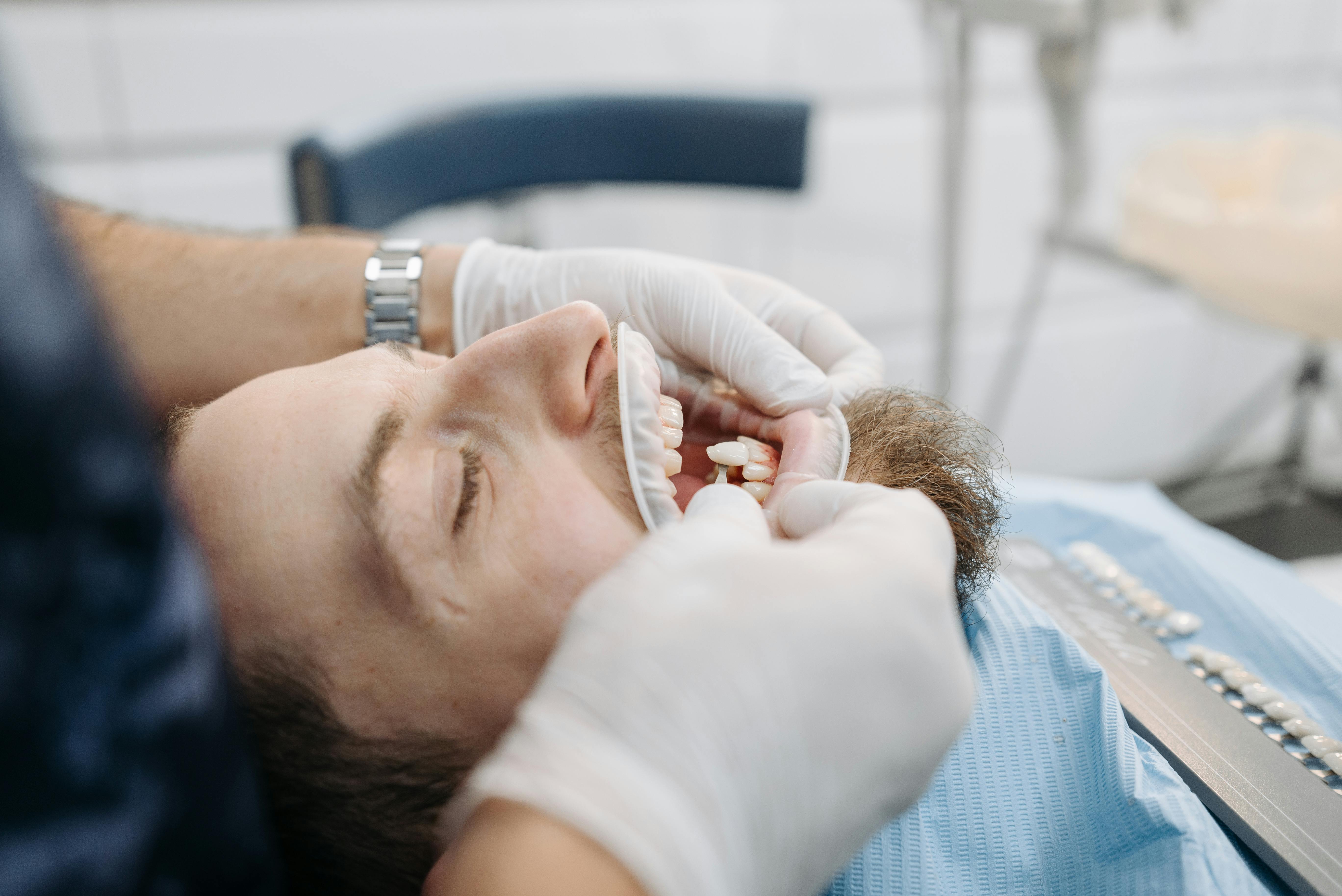
Definition: Professional teeth whitening is a dental process that uses a peroxide-based gel to break down stains in natural tooth enamel. Restorative materials such as porcelain crowns and composite fillings, however, do not react to these agents and retain their original shade.
Our workflow for whitening in the presence of crowns or fillings focuses on individualized care to minimize risks and avoid aesthetic surprises. Here is how we do it:
We examine every visible tooth to determine which are natural and which have crowns, fillings, or other work. The visibility and position of restorations are key—teeth in your smile zone need special attention.
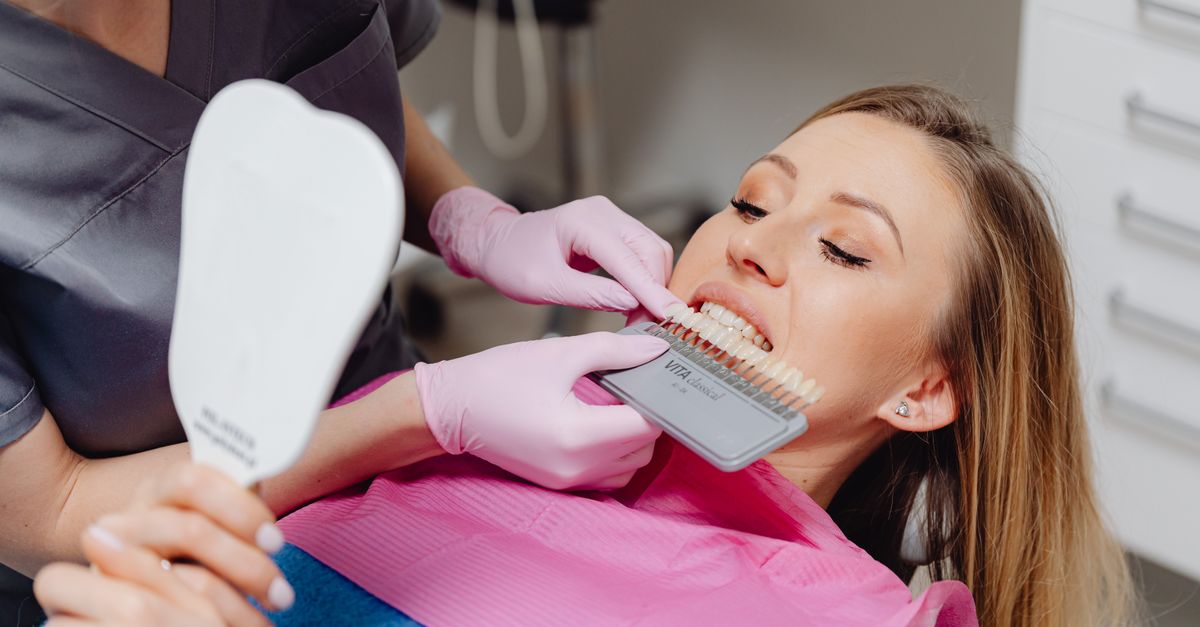
We record the starting color of both natural teeth and restorations using a shade guide for consistent reference. Comparing the shade beforehand helps you visualize possible outcomes.
Detecting and treating any cavities, leaking fillings, gum inflammation, or exposed roots comes before whitening. Addressing these issues first prevents discomfort and delivers optimal whitening results.
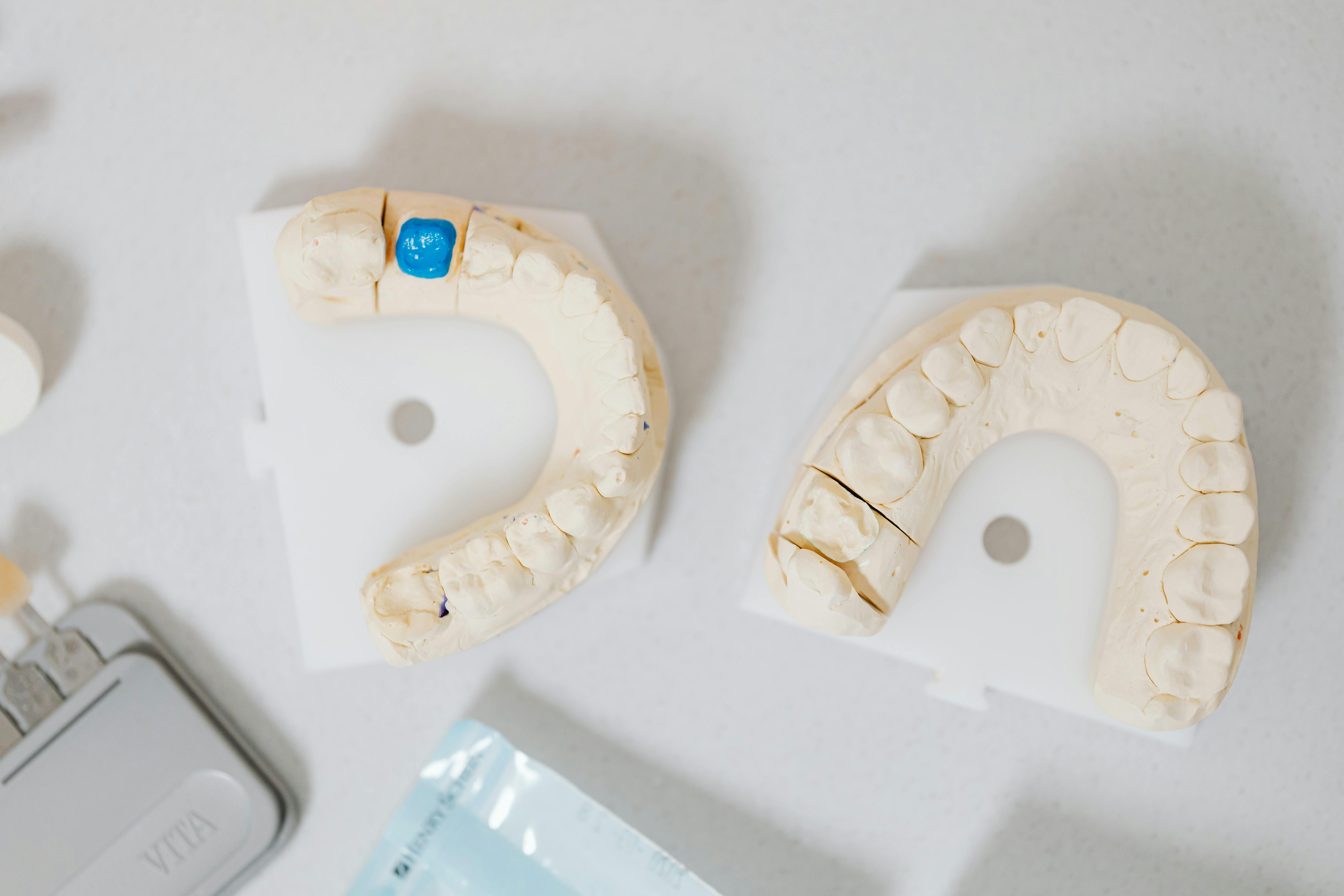
We take impressions to make custom trays—these fit precisely and help ensure even whitening while reducing gum irritation. Your plan outlines recommended product strength, application time, and frequency tailored to your sensitivity level and treatment goals.

Once your natural teeth have achieved the desired shade and color stabilized (usually within 1-2 weeks), we re-evaluate how your crowns and fillings appear compared to the now-whitened teeth. If a mismatch is significant, we discuss simple solutions—such as replacing a visible crown, updating a filling, or considering a veneer—to complete the aesthetic transformation.
It is best to whiten your natural teeth before replacing or updating a prominent crown or filling. This allows the new restoration to be matched to your lighter tooth shade. If a new crown or filling is placed before whitening, it will likely stay a darker color, requiring future replacement for a true color match. Our team at Blanc Dental Center follows this protocol to help patients avoid unnecessary procedures and achieve a cohesive smile.
| Feature | Professional Whitening (Blanc Dental Center) | Over-the-Counter Kits |
|---|---|---|
| Supervision and safety | Full assessment of teeth, gums, crowns, and fillings | No dental exam before use |
| Effect on restorations | Planned and discussed for optimal results | Likely creates a mismatch if not considered |
| Tray fit and comfort | Custom-made trays for even, comfortable whitening | Generic trays or strips may leak, irritate gums |
| Sensitivity management | Treatment steps adjusted for your needs | No guidance or customization |
| Restorative planning | Coordinate timing for crown/filling updates | No plan for future restorations |
Choosing in-office supervised whitening ensures your health, comfort, and cosmetic results are prioritized—especially if you have visible dental work. To learn more about the pitfalls of unsupervised home treatments, see our related article: Which Montreal dentist can whiten sensitive teeth without using an unsupervised store-bought treatment?.
In some cases, whitening may not meet your goals—such as when most visible teeth have crowns or large fillings or the underlying tooth color is affected by injury or medication. In these situations, alternatives for a brighter smile might include:
A personalized consultation is the only reliable way to determine the right solution. Every smile is unique, and at Blanc Dental Center we build individualized plans for ideal health and cosmetic harmony.
Proper use of professional whitening agents does not harm crowns or fillings, but over-the-counter products can sometimes irritate gums or cause uneven results if the fit is poor. Restorations themselves are not harmed, but always consult your dentist first.
Your fillings or crowns will not get darker, but the natural teeth around them may become lighter—leading to a more pronounced difference in color. Planning ahead can minimize or fix this cosmetic issue.
It is almost always better to whiten your natural teeth before replacing a crown or filling, so the new restoration can be matched accurately to the lighter tooth color.
Whitening strips will not change the color of crowns or veneers. Their use could also cause gum sensitivity if not monitored. Always consult a dentist before trying any whitening strips on teeth with visible restorations.
The team at Blanc Dental Center specializes in complex cases involving existing dental work, offering thorough examinations and professional whitening services at both the Saint-Henri and Jean-Talon clinics.
Brightening your smile with existing crowns or fillings demands expert planning. At Blanc Dental Center, we start with a comprehensive exam to map out your unique needs, use custom-fitted trays for even and comfortable whitening, and develop a coordinated plan for any future cosmetic or restorative care. Our clinics serve the Montreal area with advanced technology, a multi-disciplinary team, and a strong focus on patient satisfaction and transparency. If you have questions or are ready to get started, we invite you to contact our team or book a consultation.
For more guidance on cosmetic dental treatment coordination and to book your next visit, explore our website or call our clinics in Saint-Henri (514-933-3368) or Jean-Talon (514-564-4554). Your healthy, confident smile is our priority at Blanc Dental Center.