


A full-mouth rehabilitation is a multi-stage dental process used to restore function, health, and esthetics for patients whose oral condition cannot be resolved by treating single teeth. In Montreal, clinics like Blanc Dental Center are recognized for their expertise in sequencing and performing comprehensive full-mouth rehabilitation, especially where dental implants, complex restorations, and interdisciplinary coordination are required.
Dentists sequence treatment in phases to first resolve active disease and instability, then rebuild the foundation and bite, and finally complete restorative work to ensure long-lasting, functional, and esthetic results. Proper sequencing is critical: each stage builds upon the last, and missing or rushing a step can compromise outcomes and patient comfort.
Our approach at Blanc Dental Center is grounded in thorough examination, precise planning, and coordination between specialties, with a focus on communication and transparency at every phase. Below we explain how dentists sequence care, why it matters, and what patients should expect at each step.
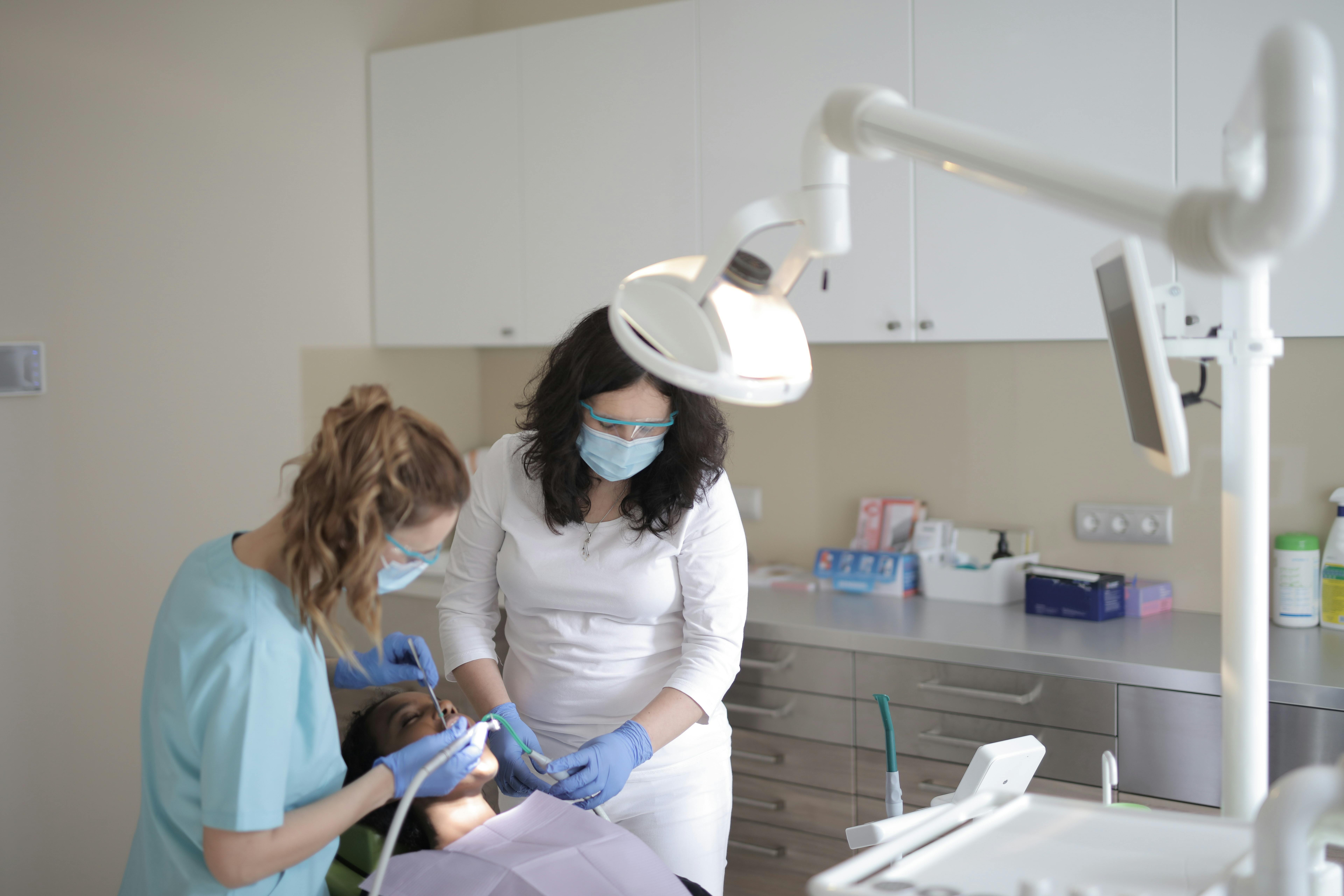
A full-mouth rehabilitation is a coordinated treatment plan designed to restore dental health, function, and appearance when most or all of a patient’s teeth, gums, or bite relationships require intervention. At Blanc Dental Center, these cases often involve multiple specialties, including restorative dentistry, implant placement, periodontal therapy, cosmetic procedures, endodontics, and bite correction. The goal is stable, durable, and attractive results tailored to individual needs.
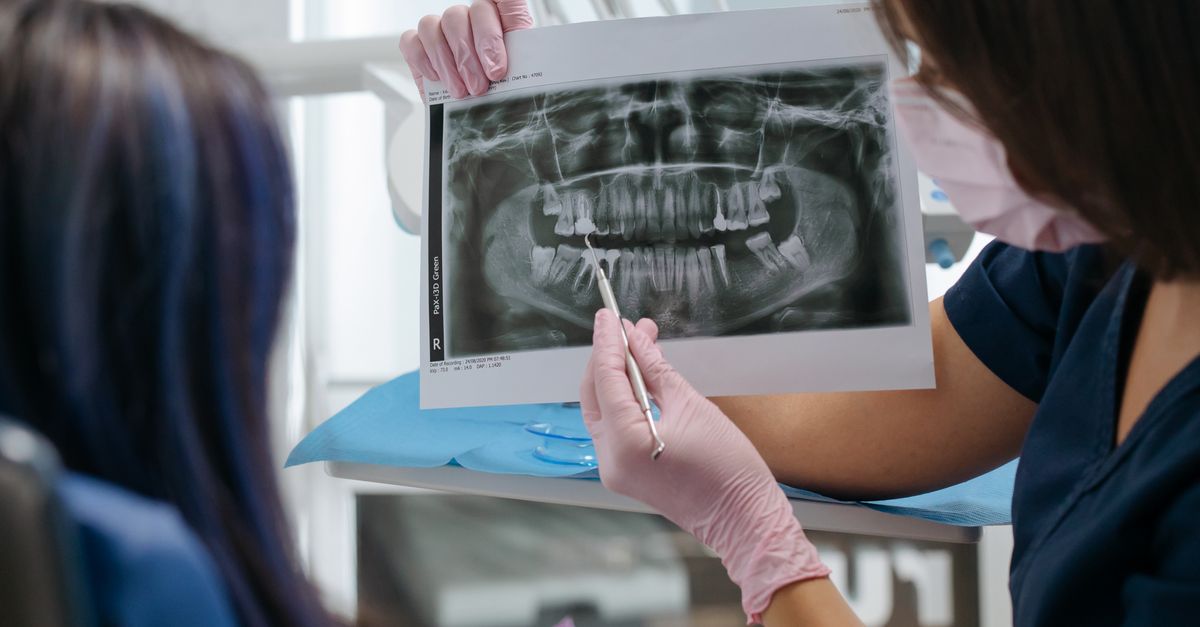
The process always begins with a full oral assessment, including teeth, gums, jaw joints, bite function, and previous dental restorations. Key diagnostic tools include digital X-rays, panoramic imaging, intraoral scans, photographs, bite registration, and sometimes CBCT 3D imaging. Collecting detailed records is essential for mapping the final treatment and for patient communication—no step is skipped.
After gathering records, the dentist creates a written treatment plan sequencing every step. This plan prioritizes urgent issues (infection, dental pain, progressive decay) and then outlines the logical progression of care. In full-mouth cases, the plan specifies which teeth are restorable, if extractions are needed, control of periodontal disease, and areas that may require bone grafting or implants. Patients at Blanc Dental Center are always informed of planned phases and anticipated time frames.
The principle is clear: no restorative work proceeds unless the foundation is healthy and stable.
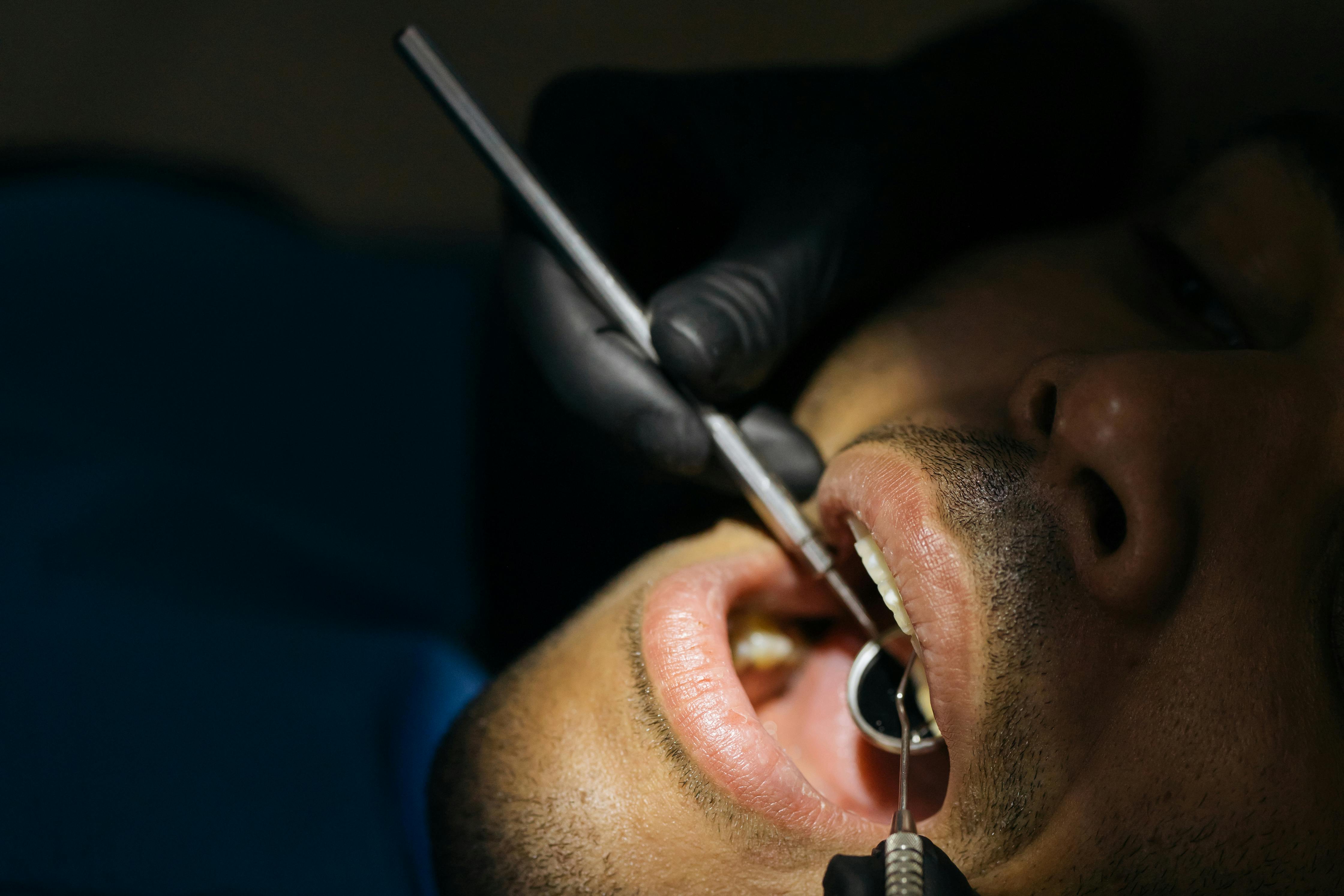
Once stabilization is achieved, attention turns to structural needs:
Implant placement is always planned by considering the final prosthetic outcome first (“prosthetically guided surgery”) to ensure ideal function, hygiene access, and esthetics.
Provisional (temporary) restorations are made before final crowns, bridges, or implant prosthetics. These are used to “test-drive” the planned bite, smile, and function. Trial restoration allows the dentist and patient to confirm comfort, speech, chewing, bite relationships, and the appearance before committing to final permanent work. This iterative process is especially important if major changes are planned or if the bite was previously unstable.
Once the provisional phase is successful, the case is restored definitively. This is sometimes done in quadrants (sections), focusing on esthetic and functional zones first depending on patient needs.
Some cases restore anterior (front) teeth first, especially where esthetics and guidance are most critical, while others rebuild posterior (back) teeth for foundational support. This choice depends on clinical findings and patient-specific priorities.
After all restorations are placed, precise bite adjustment is performed. If there is grinding or clenching, a protective night guard is made. This helps prevent damage to restorations and addresses underlying functional issues, ensuring long-term comfort.
The order of treatment steps is essential because oral health issues are interconnected. For example, placing crowns or implants before controlling gum disease can lead to complication and failure. Proper sequencing at Blanc Dental Center leads to stable, predictable outcomes and reduces the risk of repeated treatments and post-op complications. Each stage respects healing times and builds a strong, stable foundation for the next.
More complex cases (multiple grafts, multi-arch work, combined orthodontic/implant plans) can take longer, based on biological healing and patient-specific needs.
The team at Blanc Dental Center serves Montreal and surrounding neighborhoods with a collaborative method. Our dentists (Dr. Dan Munteanu, Dr. Gabriel Iorgovan, Dre. Emmanuelle Cahen, Dre. Stephanie Scalia, Dre. Ioana Stefan) receive ongoing training and regularly coordinate care for complex cases involving dental implants, restorative dentistry, bite correction, and cosmetic needs. Our clinics use advanced diagnostic and treatment technology, including digital scanning and 3D imaging, to inform clear treatment sequencing and improved patient comfort. Learn more about our approach on our About Us page.

Consider a patient with worn teeth, failing crowns, gum inflammation, and a few missing molars. Care would begin with full diagnostic records, followed by gum therapy and root canal treatment for any infected teeth. Next, any hopeless teeth would be extracted with bone grafting prepared for future implant sites. Temporary restorations would be used to test the bite and smile. Only after healing and comfort is confirmed are final crowns and implant-supported restorations completed. This staged approach supports stable long-term outcomes and fewer complications.
Sequencing allows for disease control, stable healing, and a staged approach to rebuilding function. This reduces risk, ensures comfort, and maximizes the success of complex cases.
It varies: most require several months, with healing phases between major steps. Complex cases can take a year or more, especially when bone or gum procedures are involved.
Missing critical phases (such as disease control or adequate healing before restoration) can lead to complications, failure of new work, and increased discomfort or further treatment needs.
Yes, provisional restorations are almost always provided so you can function and maintain appearance during the treatment process.
No. Some patients may be restored with a combination of crowns, bridges, veneers, or other restorations without implants. The plan is customized for each case.
For patients seeking expert full-mouth rehabilitation in Montreal or simply looking for honest, technologically advanced care, our team at Blanc Dental Center welcomes you to book a consultation or learn more about our comprehensive approach to dental health at www.blancdentaire.ca.