


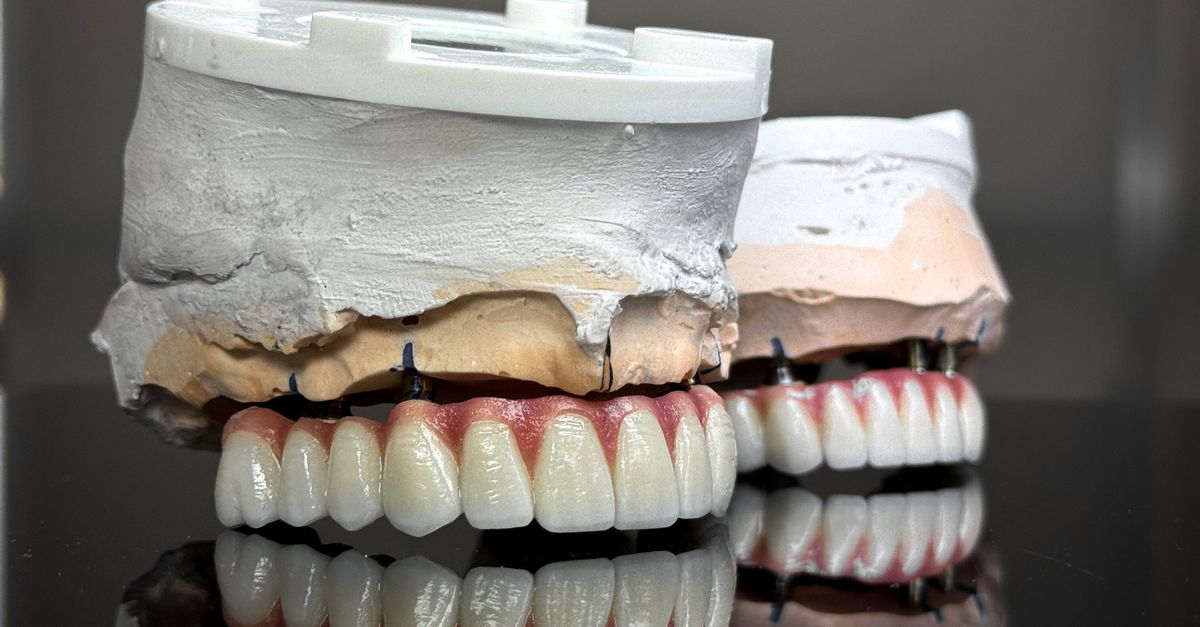
Comprehensive oral health often requires more than a single dental procedure. When multiple teeth are failing, worn, or missing, or biting and chewing have become painful or compromised, a full-mouth dental rehabilitation may be the best solution. This specialized approach, also known as full-mouth reconstruction or restoration, coordinates a series of advanced dental treatments to restore the function, health, and confidence of your entire smile. If you are searching for expertise in Montreal, Blanc Dental Center provides a highly skilled, patient-focused approach to full-mouth rehabilitation, leveraging advanced training in restorative and implant dentistry.
Full-mouth dental rehabilitation is a meticulously planned sequence of dental treatments designed to rebuild most or all teeth in both the upper and lower jaws. The primary objectives are to restore comfortable chewing, protect oral health, correct bite alignment, and improve appearance—often transforming both clinical function and self-confidence.
This process is not a single procedure, but a custom, multi-stage plan involving a combination of restorative, prosthetic, surgical, and sometimes cosmetic treatments. At Blanc Dental Center, these can include dental implants, crowns, bridges, extractions, gum therapy, and advanced bite adjustment, all coordinated to work together for optimal long-term results.
Dental professionals may recommend full-mouth rehabilitation if you experience:
Many patients arrive at our offices after years of patchwork dental repairs or following the loss of teeth to disease or injury. Addressing the entire dentition as a unit often provides a healthier, more predictable outcome than isolated fixes.

At Blanc Dental Center, our appointment process naturally fits this staged approach, beginning with a full exam and moving into tailored diagnostics and collaborative treatment discussions.
Every full-mouth rehabilitation plan is personalized to the patient, but commonly includes a mix of:
Our focus at Blanc Dental Center is always comprehensive, aiming for stable function, health, and a natural appearance. We use advanced technologies, including digital scanners and guided implant techniques, to ensure precision at every stage.

Restoring every tooth is not enough—success requires that teeth, gums, chewing muscles, and jaw joints all work together without pain or uneven wear. If the bite is unbalanced, even expertly placed crowns, bridges, or implants may wear out prematurely or cause discomfort. This is why every Blanc Dental Center full-mouth rehabilitation plan begins with a thorough analysis of jaw function and bite dynamics, not just the teeth visible in the mirror.
Your comfort when eating, speaking, or smiling is equally important to us, and our team is experienced in achieving results that feel as good as they look. For a deeper exploration on how dental teams approach complex bite and restorative analysis, see our article on how dentists check your bite.
While a single crown or implant can repair one damaged tooth, full-mouth rehabilitation takes a step back and builds a plan for durable health and aesthetics across the entire mouth. Rather than addressing problems one by one as they arise, the treatment is strategically orchestrated, anticipating how each step will contribute to the harmony and longevity of the final result.
This integrated approach is especially important when teeth break down at different rates, or when previous dental work has led to shifting and imbalance. At Blanc Dental Center, our philosophy puts emphasis on long-term stability—often transitioning patients who have had repeated patchwork repairs into healthier, more maintainable restorations.
When performed by an experienced team, the advantages include:
Our clinic emphasizes transparent education at every step, so you fully understand both the priorities and expected benefits of each phase.
Treatment length varies from several appointments over a few weeks to several months or longer. Factors such as the need for implants (which usually require time for bone healing), gum therapy, or complex occlusal (bite) adjustments can extend the timeline. Your Blanc Dental Center team will provide a realistic schedule based on your custom plan and always prioritize both efficiency and the highest standards of healing and care.
Many phases, including diagnostics, impressions, and planning, are painless. Restorative and surgical steps (like extractions or implant placement) are performed with local anesthesia and, when needed, additional comfort measures. Modern techniques and advanced digital technology at our Montreal clinics further minimize discomfort and speed up both treatment and recovery. We believe honest communication is essential, and every patient is provided with a detailed explanation of what to expect, including discomfort and healing time, before we proceed.
Our dental team, led by Dr. Gabriel Iorgovan, emphasizes advanced training, mentorship, and a collaborative approach that brings together restorative, surgical, and cosmetic expertise. We prioritize comprehensive diagnosis, transparent education, and personalized support to guide our patients from their initial consultation through final restoration and maintenance.
With two convenient Montreal locations—4215 Rue Saint-Jacques and 5001 Rue Jean-Talon O—our clinics serve the Town of Mount Royal, Hampstead, Westmount, Côte Saint-Luc, Montreal West, Côte-des-Neiges, and Ville St-Laurent. Free parking, modern technology, and a commitment to patient-first values make Blanc Dental Center the trusted destination for those with complex dental needs in the region. To learn more about our approach to major treatment planning, visit our article on coordinating complex dental care.
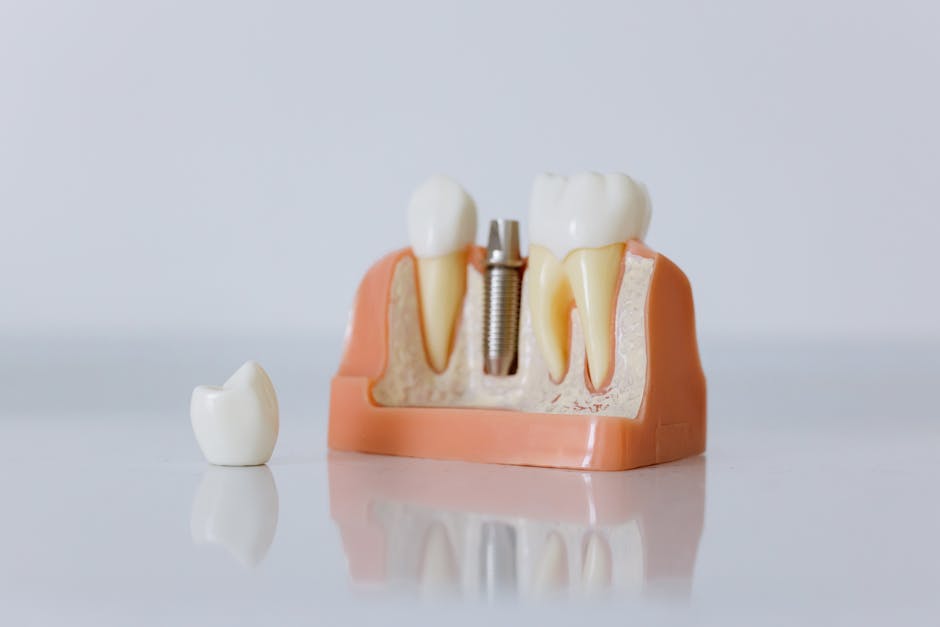
Patients often benefit from reviewing their options, seeing before-and-after photos, and reading about similar case experiences. Our Montreal clinics are happy to guide patients through prior cases that match their own goals and challenges.
A full-mouth rehabilitation aims to restore function and oral health for patients with multiple dental concerns, whereas a smile makeover focuses primarily on appearance and may involve only the visible front teeth or cosmetic enhancements for people with otherwise healthy mouths.
Caring for your whole mouth does involve a significant investment. Many patients use insurance coverage for medically necessary treatments and discuss installment plans with our administrative team. We value transparency and educate all patients about estimated costs and financing options before starting any phase.
Yes, our clinic uses digital scanning, panoramic imaging, CEREC same-day ceramic restorations, guided implant planning, and AI-supported diagnostics to enhance precision, comfort, and predictability—especially in complex full-mouth cases.
Long-term results depend on regular professional cleanings, personalized hygiene routines, and ongoing checkups. Our care includes a maintenance plan and clear oral hygiene instructions tailored to each patient’s needs.
Early diagnosis and immediate periodontal care are crucial. See our resources on periodontal maintenance and treatment options for periodontitis in Montreal.
Full-mouth dental rehabilitation at Blanc Dental Center is not just a collection of dental treatments, but a thoughtfully coordinated plan designed by experts with advanced training in restorative and implant dentistry. Patients throughout Montreal trust our transparent, patient-first approach and in-house expertise for even the most complex dental challenges. If you are ready to restore comfort, health, and confidence, we invite you to contact Blanc Dental Center for a consultation.