


Coffee and red wine are everyday pleasures for many people, but over time both drinks can leave visible stains on teeth. Professional teeth whitening, especially when provided by an experienced dental clinic like Centre Dentaire Blanc in Montreal, is proven to remove both coffee and red wine stains. Our whitening treatments work by lifting and oxidizing the pigments embedded in the enamel, resulting in a brighter, cleaner smile—often with noticeable results in a single visit.
At Centre Dentaire Blanc, our team uses advanced diagnostic tools and personalized whitening protocols to address stains from all types of foods and drinks. When patients ask if teeth whitening will improve the appearance of coffee or red wine stains, the answer is a confident yes. However, the effectiveness depends on the cause and depth of staining, your oral habits, and the method of whitening selected.
Stains from coffee and red wine are categorized as extrinsic stains, meaning they affect the outer layer of the tooth (the enamel). Both beverages contain chromogens (pigmented molecules) and tannins that have a strong affinity for enamel. Over time, repeated exposure allows these molecules to seep into the microscopic pores of your teeth, resulting in brown or reddish discolorations.
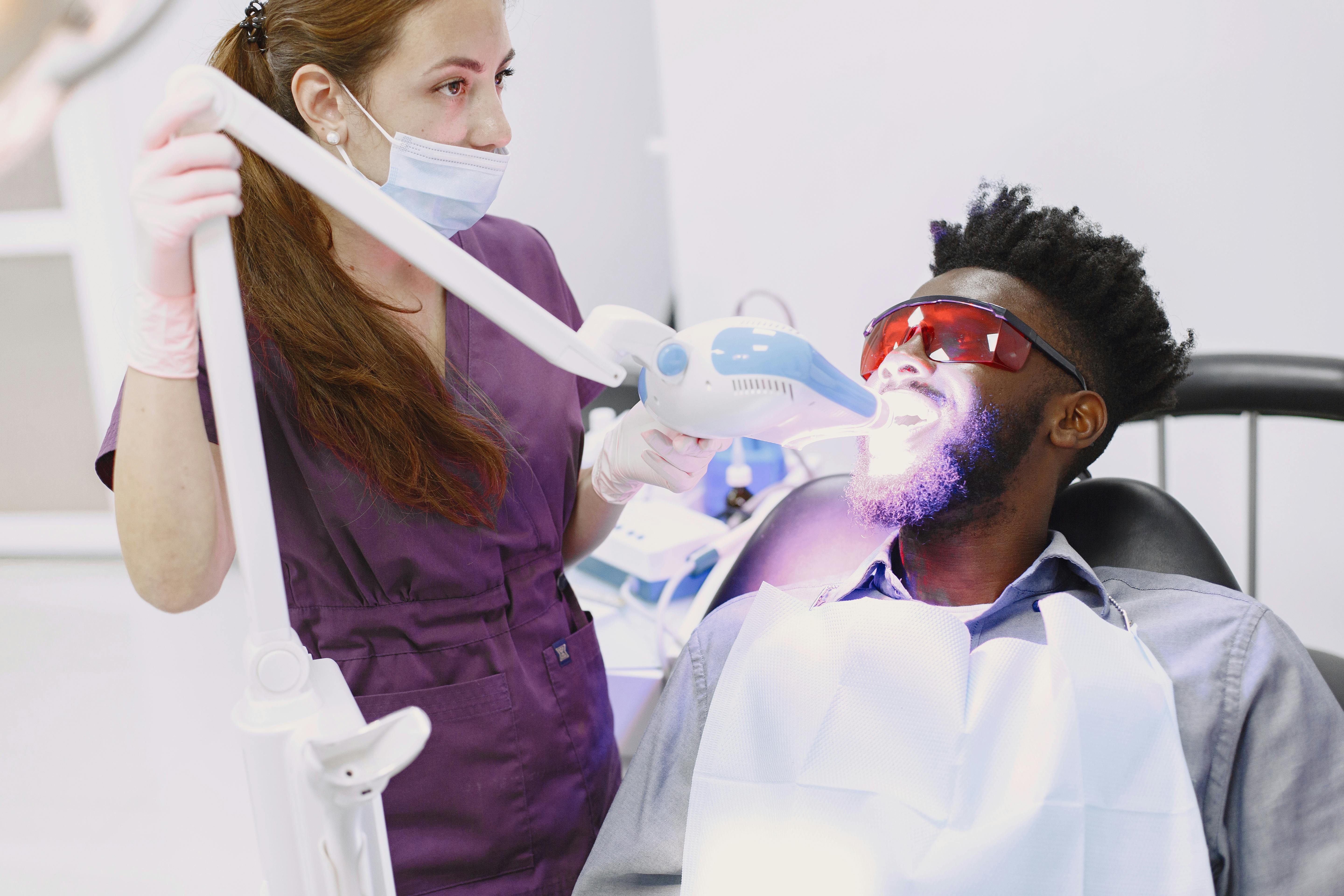
Professional whitening at Centre Dentaire Blanc is designed to break down the molecular bonds of these pigments. The active ingredients, usually hydrogen peroxide or carbamide peroxide, penetrate the enamel and chemically oxidize the stains. This process removes discoloration without harming the tooth structure. In-office treatments can address more stubborn, deeply set stains than at-home methods, and results often appear much faster.
The main component responsible for staining is tannin—a plant-based compound found in abundance in both drinks. Tannins increase a liquid’s ability to stick to enamel, so when consumed frequently, they deposit chromogens onto your teeth. Red wine, with its acidity and deep anthocyanin pigments, both softens enamel temporarily and boosts pigment absorption, making stains more likely to form and harder to remove without professional help.
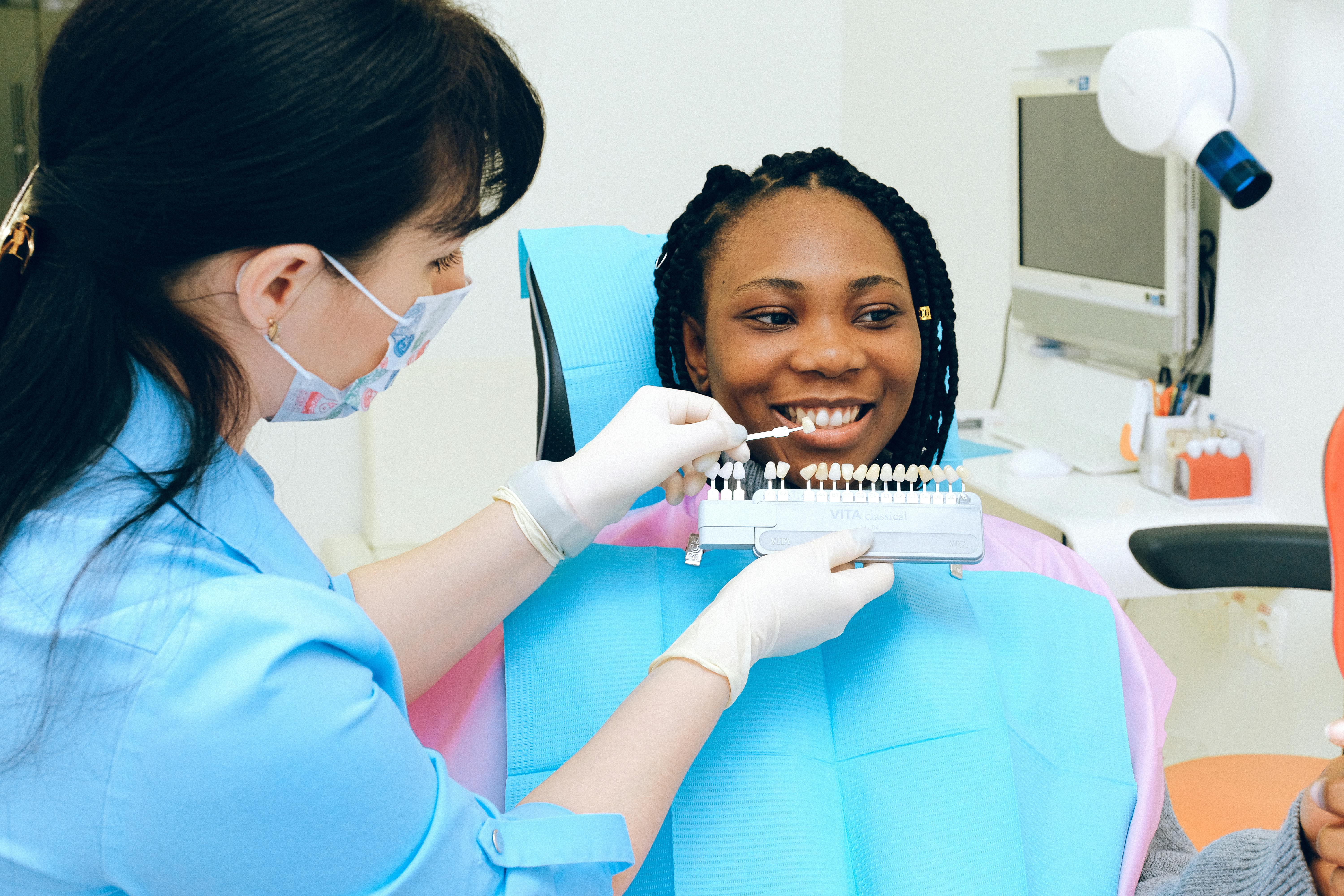
While over-the-counter and at-home whitening products—such as whitening strips or baking soda rinses—can help to lighten mild stains, they are generally less effective on persistent or long-term discoloration from frequent coffee and red wine consumption. Whitening toothpaste and strips may remove superficial stains but do not typically reach deeper deposits. Clinical supervision ensures the safest and most effective outcomes, especially for people with sensitive teeth or past dental restorations.
When performed under dental supervision, teeth whitening is safe and effective. Some mild sensitivity or temporary gum irritation may occur. At Centre Dentaire Blanc, we take care to minimize these risks through personalized protocols and protective barriers. People with extensive dental work (such as crowns or veneers) should discuss whitening outcomes with their dentist, as these materials may not respond to whitening agents in the same way as natural enamel.

Centre Dentaire Blanc is recognized as a leader in cosmetic dentistry in the Montreal region. Our approach combines advanced technology, decades of expertise, and a patient-first philosophy under the guidance of Dr. Gabriel Iorgovan. We serve the neighborhoods of Saint-Laurent, Côte-des-Neiges, Westmount, Mount Royal, Hampstead, and more, offering free parking and the latest technology for comfort and results. Our team is trained in safe, effective whitening protocols and uses modern diagnostic tools to ensure that each treatment is tailored to your needs, including the assessment of stain depth and risk factors such as enamel thickness or past restorations.
Many patients benefit from our multidisciplinary environment—allowing us to address not just stains but also comprehensive smile makeovers involving veneers, crowns, or other aesthetic solutions. Our focus on ongoing mentorship and transparency means you can expect clear explanations, before-and-after photography, and genuine recommendations every visit.
Most extrinsic stains caused by coffee and red wine respond very well to professional whitening. In rare cases where stains have penetrated into the deeper layers (dentin), additional treatments like veneers or bonding may be recommended. Our dentists will assess your needs at your initial consultation.
Results are long-lasting, especially with proper aftercare and regular dental hygiene. Avoiding excessive consumption of staining beverages, and following maintenance recommendations from our team, helps preserve your new smile. For more, see our blog on how long whitening lasts after professional treatment.
Teeth whitening is generally safe, but we take special care with patients who have tooth sensitivity. Personalized protocols, desensitizing gels, and professional supervision help reduce discomfort. Discuss your concerns during your consultation so we can tailor the approach for you.
OTC whitening products can provide limited improvement on mild stains but lack the power and customization of professional treatments. At-home products should never replace professional advice, especially if you have existing dental work or sensitivity.
Whitening agents work on natural enamel, not on crowns or veneers. If you have dental restorations, discuss your aesthetic goals with us. We will recommend complementary treatments that align the color of all your teeth as closely as possible.
No downtime is typically necessary. Some patients experience mild sensitivity or gum irritation, which usually resolves within a day or two. You can eat and drink as usual but may be advised to avoid very dark beverages for a short period to ensure the best results.
In Quebec, many dental insurance plans do not cover cosmetic procedures like whitening, but some may offer partial coverage as part of preventive care or when combined with cleaning. We assist you in understanding your benefits so you can make an informed choice.
Professional teeth whitening at Centre Dentaire Blanc remains the gold standard for removing stains caused by coffee and red wine. By combining proven methods, a patient-centered team, and advanced dental technology, we help you achieve the natural, bright smile you want—quickly, safely, and with results you can see. If you’re ready to address stains or simply want to know your options, book a consultation with our Montreal clinics. We look forward to welcoming you for quality, comprehensive dental care.