


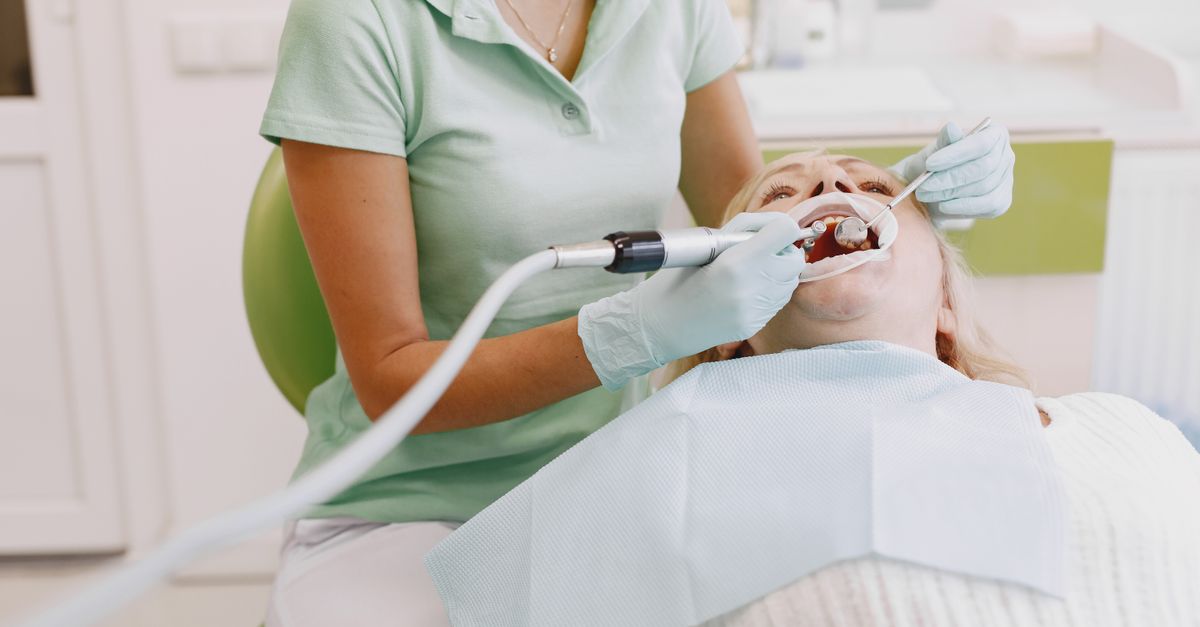
If traditional scaling makes your teeth feel too sensitive, you can ask about AIRFLOW dental cleaning at Blanc Dental Center in Montreal. We offer AIRFLOW as part of our approach to professional cleaning, with clinics at 4215 Rue Saint-Jacques and 5001 Rue Jean-Talon O. Tell us when you book if scraping, vibration, cold water, or a particular tooth has made previous cleanings uncomfortable.
AIRFLOW can remove soft dental biofilm and some surface stains with a spray rather than relying on scraping for every part of a cleaning. It is not a substitute for removing hardened tartar. The most useful appointment for a sensitive patient starts with an assessment, followed by a cleaning plan that addresses both comfort and what is actually on the teeth.
Call our Saint-Jacques clinic at (514) 933-3368 or our Jean-Talon Ouest clinic at (514) 564-4554 to discuss your symptoms and the appropriate appointment type. Both locations have free parking. If you are new to the practice, a full exam is usually needed before a routine cleaning; existing patients who have had a full exam can select a recall and cleaning appointment.
AIRFLOW is a professional cleaning technology that directs a mixture of air, water, and fine powder at tooth surfaces. Its main job is to disrupt and remove biofilm, the soft, sticky layer of microorganisms that forms on teeth, and to lift certain stains on the outside of the teeth. It can reach surfaces that may be awkward to clean with a conventional polishing cup, although the clinician still needs to assess each area before treating it.
Biofilm and tartar are not the same thing. Biofilm is soft and forms repeatedly, even after you brush. Tartar, also called calculus, is a hardened deposit that stays attached to the tooth until it is professionally removed. AIRFLOW addresses soft deposits; scaling instruments may still be needed wherever tartar remains. That distinction matters if your goal is a gentler cleaning without leaving behind deposits that require attention.
Our Jean-Talon Ouest clinic lists Guided Biofilm Therapy among its technologies, and our practice describes AIRFLOW as a cleaning option. Guided Biofilm Therapy is an approach organized around finding and removing biofilm, then addressing any remaining deposits as needed. The name of the technology should not determine your treatment on its own. Your teeth, gums, restorations, symptoms, and tartar levels should determine how it is used.
When someone says a cleaning made their teeth sensitive, we first need to understand what felt uncomfortable and when. A brief sharp response to cold water is different from pain during contact with an exposed root. Discomfort from a vibrating instrument is different again from a toothache that continues after the appointment. Those differences help us decide whether changing the cleaning technique is likely to help or whether the tooth needs an examination.
Gum recession can expose root surfaces that respond more readily to touch or temperature. Areas of tooth wear, inflammation around the gums, a cavity, a cracked tooth, or a problem around a filling or crown can also make a hygiene visit uncomfortable. Sensitivity after a cleaning does not, by itself, tell us which of these is responsible. Nor does it mean the clinician should simply avoid that area without finding out why it hurts.
AIRFLOW may feel preferable to someone who dislikes repeated scraping because it removes biofilm and some surface stains with a spray. That does not make it pain-free for everyone. Air, water, powder, suction, and contact near sensitive gums may still cause discomfort. If cold water is your main trigger, mention that specifically rather than assuming a different instrument will solve it. The useful question is not, “Can I have AIRFLOW instead of a cleaning?” It is, “Which parts of my cleaning can be done comfortably with AIRFLOW, and what else needs treatment?”

These methods are complementary, not interchangeable. At Blanc Dental Center, our recommendation for a sensitive patient is to identify the source of discomfort and choose the least uncomfortable approach that still removes the deposits present. Asking for AIRFLOW does not mean agreeing to leave hardened tartar in place, just as needing some scaling does not mean the entire appointment must feel like your last one.
Consider two common situations. If staining and soft plaque are the main concerns, AIRFLOW may do much of the visible cleaning work. If you also have firm tartar behind the lower front teeth, that area may need targeted scaling. If gums are bleeding and periodontal pockets require care, a routine stain-removal visit would not address the whole problem. These are examples of how the choice changes with the findings, not a way to diagnose your own mouth.
For a closer look at why a gum-disease visit differs from a regular hygiene appointment, read our guide to periodontal maintenance versus a routine cleaning.
“Scaling hurts” is a helpful starting point, but details make it possible to plan. Was the pain on several teeth or one? Did it happen when water touched the tooth, when an instrument touched the gumline, or only afterward? Did it stop quickly, or did it linger? Let us know about bleeding gums, recession, recent fillings, crowns, implants, or any tooth that hurts when you bite. If you have delayed cleaning because of discomfort, say so. We would rather understand the concern before treatment begins.
A cleaning should not be used as a test of how much pain you can tolerate. The team needs to look at your teeth and gums and determine whether there is a specific source of sensitivity that needs attention. A full exam is an appointment option for new patients and includes a panoramic X-ray. If you have a particular painful tooth or another specific concern, a consultation may be the right starting point; that visit may include tests or X-rays, and more complex care may require a full exam.
This distinction is especially important when the discomfort has changed. General sensitivity during cleaning may call for a different technique. Pain confined to one tooth, pain on biting, or pain that lingers after a cold drink calls for a closer look before treating it as an ordinary hygiene preference.
The clinician considers where there is soft biofilm, surface staining, or hardened tartar, and whether the gums show signs of disease. The aim is to match the instrument to the deposit. A spray-based method can be useful for biofilm, but using it longer will not turn hardened tartar into soft plaque. Likewise, if most surfaces only need biofilm removal, they do not all need the same amount of scaling.
AIRFLOW may be used for suitable areas of the cleaning. If deposits remain that require scaling, the clinician can explain which teeth need it and why. Tell the team immediately if something feels sharply painful or if you need a pause. The goal is a thorough appointment with clear communication, not a promise that a particular device will prevent every sensation.
What happens between appointments affects how much buildup needs to be removed next time. Review the spots where plaque is collecting and ask how to clean them without aggravating sensitive areas. If the exam identifies gum disease or a tooth problem, follow the treatment plan for that finding rather than expecting a gentler cleaning to correct it. For more on how teeth can feel afterward, see what to expect after an AIRFLOW cleaning.

AIRFLOW is worth discussing if the scraping sensation has made you avoid professional cleanings, or if surface staining and biofilm are concerns alongside sensitivity. It may also be relevant when you have areas that are difficult to clean around orthodontic appliances or restorations. If you have braces or a fixed retainer, our article on AIRFLOW for stains around braces and permanent retainers explains why an individual assessment matters.
Implants, crowns, and bridges call for attention to the surfaces being cleaned and the surrounding gums. A professional should choose an appropriate technique for each restoration rather than assume the same approach fits every tooth and implant. Read more about cleaning around implants, crowns, and bridges if that applies to you.
There are also times to pause and discuss whether AIRFLOW is appropriate for your medical or dental situation. Tell the team about relevant health conditions, medications, breathing concerns, allergies, recent oral surgery, and any areas that are painful or healing. For a broader overview of questions to raise, see our article on AIRFLOW cleaning safety considerations. The decision is individual, not a blanket yes or no based on sensitivity alone.
AIRFLOW can remove some stains sitting on the outside of a tooth. Coffee, tea, and other strongly coloured substances may leave visible surface deposits, and professional cleaning may improve how the teeth look when those deposits come off. That is different from whitening, which aims to change tooth colour rather than simply remove an external layer. A tooth can look cleaner after AIRFLOW without becoming a different natural shade.
If your chief concern is tooth colour, say so when discussing treatment. If your chief concern is sensitivity, do not choose cleaning or whitening solely for a cosmetic result before the sensitivity is assessed. Sometimes what appears to be staining is also near a restoration edge, an exposed root, or an area that needs examination. Our first priority is to distinguish a cleaning question from a dental-health question.
It is reasonable to ask for a gentler method when previous cleanings were uncomfortable. It is not wise to assume that a new cleaning method will fix a new or persistent toothache. Contact a dentist for an assessment if you notice:
These symptoms do not all point to the same diagnosis. They do point to the need for an exam rather than simply asking the hygienist to avoid the area. We offer general dentistry and periodontal care as well as restorative services, so the next step can be guided by the finding rather than by the cleaning method alone. If gum symptoms are part of the picture, our article on bleeding gums and when to get them checked may help you prepare for that conversation.
Our practical rule is simple: identify the source of pain, identify the deposit, then select the cleaning method. Starting with the device and skipping the first two questions can leave sensitivity unexplained or tartar untreated. A comfortable visit should still be an effective one.
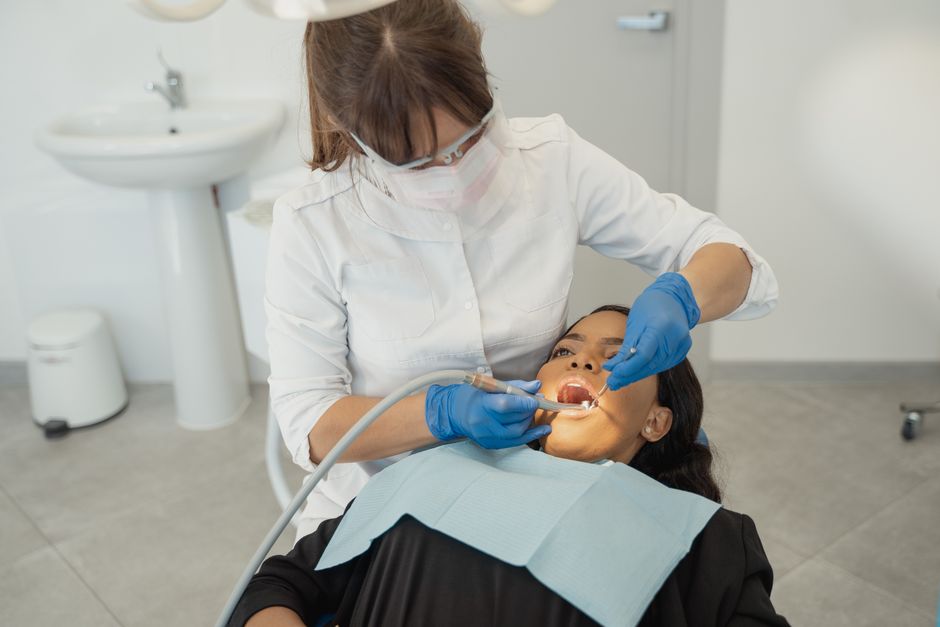
We have two Montreal locations. You can contact the office that is easiest to reach, explain that traditional scaling has caused sensitivity, and ask about AIRFLOW when discussing your appointment. Patients coming from Saint-Henri, Westmount, Montreal West, Côte-des-Neiges, Saint-Laurent, Town of Mount Royal, Hampstead, or nearby areas can choose based on their travel and scheduling needs.
Our appointment page lists a full exam, a consultation for a specific concern, and a recall and cleaning for patients who have already had a full exam. Online availability is presented in French, and you can also call or use the contact form. If you are unsure which visit fits, mention whether you are a new or existing patient and whether your concern is general cleaning discomfort or pain in a particular tooth. Our guide to choosing the right appointment type can help you decide what to ask for.
No cleaning method can guarantee that every patient will feel nothing. AIRFLOW may be more comfortable for someone who dislikes scraping, particularly when removing soft biofilm or surface stains. If a tooth reacts to air, water, or contact near the gumline, you may still feel sensitivity. Tell the clinician what triggers it so the appointment can be planned accordingly.
You can discuss your preferences, but AIRFLOW does not reliably remove hardened tartar. If an exam finds tartar, ask which spots need scaling and what can be done to make that part of care more manageable. Leaving deposits untreated simply to avoid a sensation may not serve your gum health.
AIRFLOW is primarily used for biofilm and certain stains; it is not a general replacement for instruments used to remove firmly attached tartar. If you have periodontal pockets or deposits below the gumline, your dental team should explain what treatment is needed for those findings.
The answer depends on the tooth and the symptoms. An exposed root, gum inflammation, a cavity, wear, or another problem may contribute. If sensitivity is strong, persists, or affects one particular tooth, arrange an examination rather than assuming it is an ordinary after-effect. Describe when it began and what makes it worse.
Implants and crowns do not automatically rule out a professional cleaning using AIRFLOW. The clinician needs to consider the restoration, the surrounding tissues, and the area being cleaned, then choose the appropriate technique. Tell the team about any implant or restoration that feels loose, painful, or difficult to clean.
It can remove some external staining, which may make teeth look cleaner. It does not change the tooth’s natural internal colour in the way whitening treatment is intended to do. If staining remains after cleaning, ask whether it is a surface deposit or a colour concern that needs a different discussion.
Sensitivity alone does not set the interval. Our patient guidance describes about one cleaning a year for lower-risk patients, two for those at moderate risk, and potentially three or four for patients with gum disease. Your clinician can recommend a schedule after reviewing your gums, buildup, restorations, and other individual needs.
Try: “Traditional scaling has made my teeth sensitive, and I would like to ask about AIRFLOW. I am a new or existing patient, and the discomfort is triggered by [cold water, scraping, or a specific tooth]. Which appointment should I book?” This gives the team information to help you choose between an exam, a problem-focused consultation, and a recall cleaning.
You do not have to accept repeated discomfort as an unavoidable part of dental care. AIRFLOW offers another way to remove biofilm and some surface stains, while targeted scaling remains important when hardened tartar is present. The best plan accounts for both your sensitivity and the health of your teeth and gums.
If you are looking for AIRFLOW dental cleaning in Montreal, contact Blanc Dental Center and tell us what made your previous cleaning difficult. We can help you choose an appointment at our Saint-Jacques or Jean-Talon Ouest clinic and discuss the cleaning approach that fits your needs.