


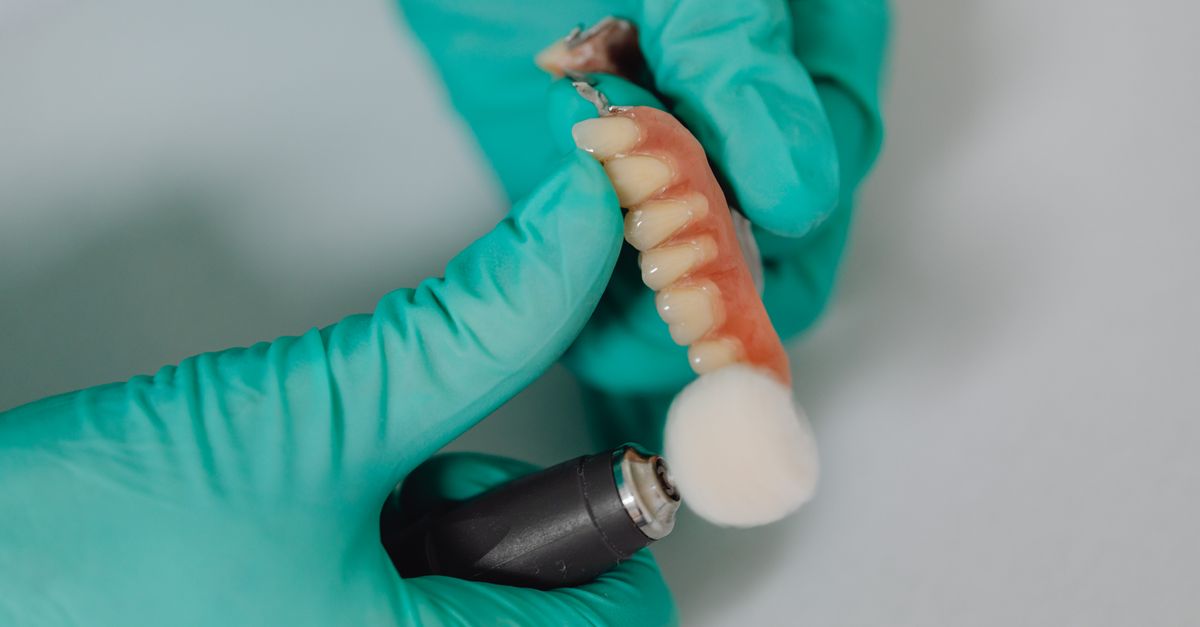
Yes, AIRFLOW cleaning can be used around many dental implants, crowns, and bridges. It directs a controlled stream of air, water, and fine powder at accessible surfaces to remove soft bacterial biofilm and some external stains. The important qualification is that the clinician must choose a technique suitable for the restoration and surrounding tissues. AIRFLOW does not replace an examination, daily cleaning at home, or instruments needed to remove hardened tartar.
At Blanc Dental Center, we consider cleaning and restorative care together. An implant crown may look clean while its surrounding gum is inflamed; a bridge may look polished on top while plaque collects underneath. Our Montreal team offers AIRFLOW technology, Guided Biofilm Therapy, dental implants, crowns, bridges, and periodontal care, so a maintenance visit can address more than visible staining.
The practical goal is to keep the junctions between restorations and gums clean, check that the dental work remains stable, and make sure you can maintain it between appointments. Here is how AIRFLOW fits into that plan, and where its limits matter.
AIRFLOW is a form of professional air polishing. A dental professional directs a mixture of air, water, and powder over selected tooth and restoration surfaces. The stream dislodges soft deposits, including biofilm, which is the organized layer of bacteria that develops on surfaces in the mouth. It can also remove some stains left on the surface by drinks, food, or tobacco.
It is different from polishing with a rotating rubber cup and paste. Rather than relying on a cup contacting each surface, the spray can be directed toward accessible contours around a crown, between teeth, or along a bridge. That does not mean it can reach every surface. The design of the restoration and the shape of the gums determine where a clinician can clean and where home-care tools must do the work.
Powder selection matters. Fine powders such as glycine and erythritol are used in implant maintenance because their properties differ from those of coarser polishing powders. The right powder, tip, settings, and treatment area are clinical choices, not something a patient has to specify when booking. If you want a closer look at comfort and sensitivity, see what your teeth may feel like after an AIRFLOW cleaning.
These restorations share one problem: plaque can settle at edges and in spaces that a toothbrush does not reach well. But they are not interchangeable. An implant sits in bone and supports a restoration above it. A conventional crown covers a natural tooth. A conventional bridge replaces a missing tooth while relying on neighboring teeth for support. Implant-supported bridges have a different support structure again.
At Blanc Dental Center, we use a simple maintenance framework: identify the support, inspect the junction, and clean the access route. First, we need to know whether a restoration is supported by a natural tooth or an implant. Next, we pay attention to the area where the restoration meets the gums or supporting structure. Finally, we determine how both the clinician and the patient can access the plaque-prone surfaces. That sequence is more useful than deciding on a cleaning device from appearance alone.
A dental implant cannot develop a cavity, but the tissues around it can become inflamed. Biofilm tends to collect where an implant crown or other implant-supported restoration meets the gum. Bleeding, redness, swelling, or a change in the tissue contour deserves attention even if the visible crown still looks fine.
AIRFLOW can help remove soft deposits from accessible surfaces around an implant restoration when the clinician selects an appropriate technique. It cannot tell us whether there is a deeper tissue problem, remove all hardened deposits, or correct a loose component. Implant maintenance therefore combines cleaning with an assessment of the tissues and restoration. For more detail on that assessment, read what a dentist evaluates at dental implant checkups.
A fixed full-arch implant restoration introduces another access issue: the space between the prosthesis and gums may be difficult to clean from above. The team needs to evaluate the design and show you a suitable way to clean beneath it. The fact that AIRFLOW can reach some exposed areas does not eliminate the need for daily care under the restoration.
A crown covers a tooth, but the tooth remains vulnerable where the crown meets it. Plaque left near that margin can contribute to gum inflammation and decay in the underlying tooth. AIRFLOW can remove accessible soft biofilm and some external staining around a crown. It cannot treat decay beneath an edge or repair a crown that is chipped, loose, or poorly fitting.
Tell us if floss repeatedly catches at one spot, a crown feels different when you bite, or food has begun collecting beside it. Those clues call for an assessment, not simply more polishing. If you are unsure whether an existing restoration needs repair, our guide to when a dental crown may need replacement explains the questions dentists consider.
In a conventional fixed bridge, the replacement tooth is called a pontic. Food and plaque can accumulate between the pontic and the gum, as well as at the margins of the crowns on the supporting teeth. The bridge can feel solid and still have an area beneath it that needs attention.
AIRFLOW may help remove soft deposits from areas the clinician can reach, but it does not replace cleaning under the pontic at home. A floss threader, suitable interdental brush, or another aid may be needed to pass beneath the bridge. The right choice depends on the amount of space and the bridge design. If you would like to understand the anatomy first, see what a pontic tooth is in a dental bridge.

If you ask for AIRFLOW cleaning in Montreal, it helps to think of the appointment as a decision process rather than a request to spray every surface. A typical sequence may include the following steps, adjusted to the reason for your visit.
That distinction between cleaning and diagnosis matters. A polished bridge is not proof that its supporting teeth are healthy. Likewise, a clean-looking implant crown is not proof that the tissue beneath it is healthy. If you have been treated for gum disease, our article on periodontal maintenance versus routine cleaning explains why follow-up care can involve more than plaque removal.
There is no single instrument that does every part of maintenance well. We choose methods according to the type of deposit, the surface involved, and what needs to be examined.
| Method | What it is useful for | What it does not replace |
|---|---|---|
| AIRFLOW air polishing | Removing accessible soft biofilm and some external stains around teeth and restorations | Assessment of gum or implant health and removal of all hard calculus |
| Appropriate scaling instruments | Removing hardened deposits where clinically indicated | Daily cleaning of plaque that returns between visits |
| Toothbrush and interdental aids | Controlling plaque each day at margins and beneath accessible bridge spaces | Professional evaluation or removal of established hard deposits |
The useful question is not whether AIRFLOW is universally better than conventional cleaning. It is whether it is suitable for your restoration, tissues, and deposits. For example, a person with light staining around a stable crown may benefit from air polishing as part of a visit. Someone with bleeding around an implant and substantial calculus needs an examination and a more comprehensive plan. The technique follows the finding, not the other way around.
AIRFLOW can be appropriate around many implants, crowns, and bridges when a dental professional chooses suitable powder and settings. Technique and material matter. A clinician also has to consider whether the restoration has exposed components, rough areas, chips, or an unstable margin. The aim is to remove biofilm without treating every surface as though it were natural enamel.
There are situations where timing matters. If an implant was placed recently, or you have had gum or bone surgery, follow the treating dentist’s instructions before any cleaning is directed at the area. Similarly, if a new crown or bridge feels loose or uncomfortable, have its fit assessed instead of assuming polishing will resolve the problem. Our overview of AIRFLOW cleaning safety considerations covers other factors worth discussing before treatment.
Comfort is individual. Many people like air polishing because it can target soft deposits without repeated contact from a polishing cup, but sensitivity can still occur, especially near exposed roots or inflamed gums. Let the clinician know what you feel during treatment so the approach can be adjusted.
Professional cleaning removes deposits present on the day of the visit. What you do between visits determines whether the same difficult areas stay manageable. Start with a soft toothbrush and pay attention to where each restoration meets the gum. Do not scrub harder to compensate for a spot that is difficult to reach; ask for a tool that actually fits the space.
A water flosser may be a useful addition for some implant patients, but it should be matched to the restoration and should not automatically replace other cleaning methods. See our guide to water flossers around dental implants for a fuller discussion.
If a tool shreds, catches, hurts, or cannot pass into a space without force, stop and ask for guidance. The problem could be the tool, the angle, the shape of the restoration, or an area that needs examination. Do not try to remove a fixed bridge or implant restoration yourself to clean underneath it.

The right interval depends on your gum health, how readily plaque collects, your ability to clean around the restoration, and any history of gum or implant inflammation. Having an implant does not by itself establish one universal appointment schedule. AIRFLOW is a method that may be used during maintenance, not a separate calendar that overrides the plan for your overall oral health.
If you have experienced bleeding, gum disease, or repeated plaque buildup beneath a bridge, your dentist may recommend closer follow-up. If everything is stable and home cleaning is effective, the interval may be different. Our discussion of how often dental implants should be professionally cleaned explains why the decision is individualized.
Do not wait for the next routine cleaning if something changes. Contact a dentist about persistent bleeding or swelling, discharge or a bad taste near an implant, pain when chewing, a restoration that moves, or food suddenly lodging in a new spot. An implant may have a loose crown or another prosthetic issue even when the implant itself is stable. Early assessment helps distinguish the possibilities. You can read more about signs of inflammation around a dental implant.
It can help remove soft deposits from areas under or around a bridge that the clinician can access. The bridge design may limit access, so AIRFLOW does not guarantee that every hidden surface can be cleaned by spray. Daily use of an appropriate aid beneath the pontic remains important.
AIRFLOW is mainly used for soft biofilm and surface stains. Hardened tartar may require other instruments chosen for the implant restoration and surrounding tissues. An examination helps determine whether deposits are the only issue.
Material, powder, settings, and technique all matter. A professional can assess the restoration and select an appropriate method rather than assuming one powder or approach is suitable everywhere. Tell the team if a crown is chipped, rough, or loose before cleaning begins.
Removing biofilm may be part of managing inflammation, but bleeding calls for an assessment. The dentist needs to distinguish a cleaning problem from other tissue or restoration concerns. Do not rely on stain removal as treatment for an implant that bleeds repeatedly.
Air polishing can remove some stains sitting on the surface, which may make a restoration look cleaner. It does not change the underlying colour of crown or bridge material. If a colour mismatch remains after cleaning, discuss it separately from hygiene treatment.
Follow the instructions from the dentist treating your implant. Whether and when the surgical area can be cleaned professionally depends on healing and the restoration in place. Do not assume that a routine cleaning technique is appropriate over a fresh surgical site.
Yes. Professional cleaning happens at appointments; plaque develops between them. The best aid depends on whether you have a single crown, a bridge, or a larger implant-supported restoration. Ask for a demonstration based on your own dental work.
Book an assessment for a specific problem. A loose bridge needs its supporting teeth, fit, and stability checked. At our clinics, the appointment options distinguish a consultation for a specific concern from a recall and cleaning visit for existing patients who have had a full exam.
AIRFLOW is most useful when it is paired with the right clinical question: where is biofilm collecting, what supports the restoration, and is anything changing around it? Blanc Dental Center combines AIRFLOW technology and Guided Biofilm Therapy with implant, restorative, and periodontal care. That allows us to discuss cleaning alongside the condition of the implant, crown, bridge, and gums, rather than treating the spray itself as the complete solution.
For patients in Montreal, Saint-Henri, Saint-Laurent, Westmount, Côte-des-Neiges, and nearby communities, we have clinics at 4215 Rue Saint-Jacques and 5001 Rue Jean-Talon O. If you want your restoration assessed or need help finding a cleaning routine you can maintain, contact our team to discuss the appropriate appointment.