For anyone considering replacing a missing tooth, understanding the role of a pontic in a dental bridge is essential. At Centre Dentaire Blanc, we guide patients in Montreal and surrounding neighborhoods through their restoration options with a commitment to transparency and advanced care. This article provides a complete, authoritative explanation of pontic teeth in dental bridges — how they work, options available, placement process, care guidelines, and how to make the optimal choice for lasting function and aesthetics.
Definition: What Is a Pontic in a Dental Bridge?
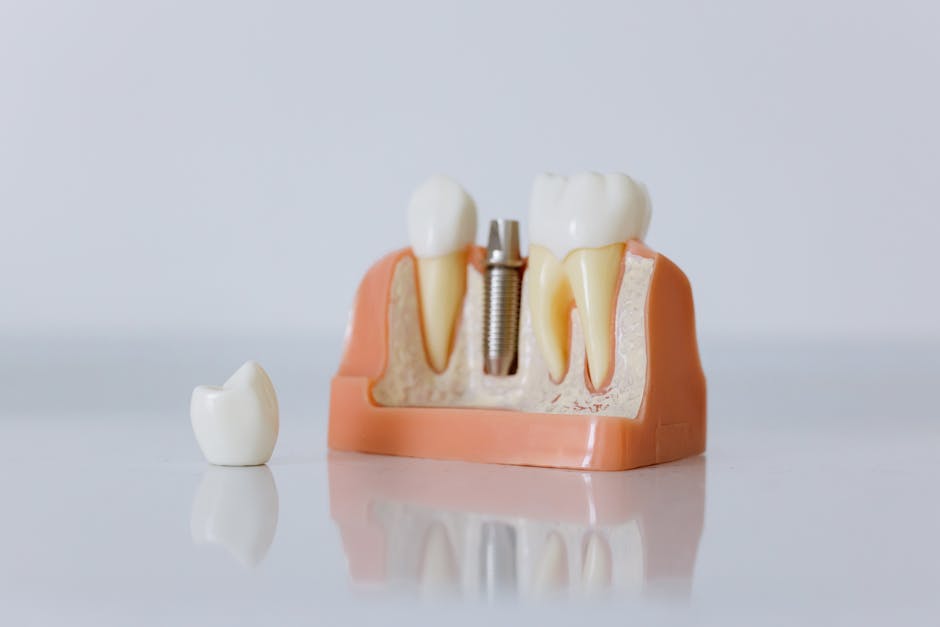
A pontic is an artificial tooth designed to fill the empty space left by a missing natural tooth. In a dental bridge, the pontic is suspended between crowns or attachments on adjacent teeth (known as abutments), restoring chewing function and appearance. The bridge, therefore, consists of at least three parts: the pontic itself and the two supporting abutments on either side.
Pontic: The replacement tooth that “bridges” the gap.
Abutment: The tooth or implant that anchors the bridge in place.
Crowns (retainers): Placed over abutments, securing the pontic.
Why Is a Pontic Tooth Necessary?
The absence of a tooth can lead to numerous dental complications, many of which arise if the gap is left untreated for extended periods.
Restores chewing and speaking ability — a pontic enables normal eating and helps with clear speech, especially if a front tooth is missing.
Maintains neighboring teeth alignment — without a pontic, adjacent teeth may drift into the empty space and the opposing tooth can over-erupt, causing malalignment or bite issues.
Protects jaw and gum health — the artificial tooth shields the gum in the space and helps keep food from collecting in difficult-to-clean areas.
Improves smile aesthetics — especially important for front teeth, where a visible gap impacts self-confidence and facial profile.
Pontic Materials: What Are Pontics Made Of?
We select materials for pontics based on the location, required strength, and aesthetic demands. At Centre Dentaire Blanc, options include:
Porcelain fused to metal (PFM): Combines a sturdy metal base with a natural-looking ceramic overlay.
All-ceramic/zirconia: Highly aesthetic, strong, biocompatible, and ideal for visible areas.
Full metal alloys: Extremely durable, typically reserved for non-visible posterior teeth.
Advanced digital technologies (such as CEREC) enable us to design and mill ceramic pontics with speed and precision, providing same-day solutions in suitable cases.
Types of Dental Bridges and Pontics
The way a pontic is anchored varies by bridge type. The main clinical designs we use are:
1. Traditional Fixed Bridge
Pontic sandwiched between two crowns on abutment teeth.
Most common method for replacing one or several teeth in sequence.
2. Cantilever Bridge
Pontic attached to a single abutment (one-sided support).
Used when only one adjacent tooth is available (rare, used selectively).
3. Maryland (Resin Bonded) Bridge
Pontic is attached via metal or ceramic wings bonded to the back of neighboring teeth.
Minimal reduction of supporting teeth; common for temporary or conservative front tooth replacement.
4. Implant-Supported Bridge
Pontic(s) supported by dental implants rather than natural teeth.
Ideal for situations with multiple missing teeth, providing stability and protecting adjacent teeth.
Implant-based solutions are one of our signature areas at Centre Dentaire Blanc, combining function, esthetics, and the preservation of natural bone.
Common Pontic Designs by Gum Interface
The contour and shape of the gum-facing side affects the ease of cleaning, comfort, and how natural the final result looks:
Hygienic (Sanitary) pontic: Rests above the gum, no contact, very easy to clean. Used in non-visible back regions.
Ridge lap pontic: Full overlap with gum, natural appearance but hard to clean. Rarely used today.
Modified ridge lap pontic: Touches the gum on the visible side with clearance for cleaning on the tongue side. Well-balanced for front and side teeth.
Ovate pontic: “Nestles” into a small gum depression for maximum esthetic integration, often in the front zone and requires specific gum shaping.
Your dentist at Centre Dentaire Blanc will tailor the pontic shape to your gums, smile line, and ability to keep the area clean.
The Steps: How Is a Bridge with Pontic Designed and Placed?
Consultation and Diagnostics: Detailed assessment, digital x-rays or 3D imaging, and scanning or impressions to model your mouth.
Abutment Tooth Preparation: Nearby teeth are gently reshaped for crowns.
Impression or Digital Scan: Precise record-taking using state-of-the-art scanners, whenever possible.
Temporary Bridge Placement: Protects your teeth and ensures comfort during manufacturing.
Fabrication of Final Bridge: Using lab expertise or digital milling to match shade, shape, and fit.
Fitting and Permanent Bonding: Try-in for bite and appearance; minor adjustments done, then final cementation.
Follow-up: Ensuring healthy gums, bite balance, and that you know how to care for the pontic.
Longevity: How Long Does a Pontic Tooth Last?
A well-crafted bridge and diligently maintained pontic often last 10–15 years or more. With excellent hygiene and regular dental care, many patients enjoy secure, healthy bridges well beyond two decades. Longevity is maximized by attention to brushing, flossing beneath the pontic, regular exams, and protecting dental work from trauma or grinding.
Maintaining and Cleaning a Pontic Tooth
Special cleaning is crucial around a pontic to prevent gum problems or decay at the anchor teeth. Our dentists and hygienists at Centre Dentaire Blanc provide hands-on instruction for effective home care, including:
Brushing twice daily using a soft or electric toothbrush.
Daily cleaning under the pontic with super floss, floss threaders, or small interdental brushes.
Possible use of water flossers for bridges in easier-to-reach spots.
Fluoride toothpaste to protect supporting teeth from decay.
Routine dental cleanings and exams to monitor fit and gum health.
A critical point: Meticulous hygiene prevents plaque build-up around the bridge, reducing the risk of complications and maximizing lifespan.
Pontic Tooth vs. Dental Implant: Which Is Right?
Patients often face the choice between a traditional bridge with a pontic and a single dental implant. Here is a succinct comparison to inform a decision:
Pontic Bridge Advantages:
No surgery required; usually faster completion.
Ideal if adjacent teeth already require crowns.
Pontic Bridge Considerations:
Involves reshaping healthy abutment teeth.
Does not stimulate bone regeneration in the missing area.
If an abutment fails, the entire bridge may need replacement.
Dental Implant Advantages:
Replaces only the missing tooth, maintaining natural tooth structures.
Preserves jawbone in the area of loss.
Highly stable, long-lasting restorations.
Dental Implant Considerations:
Requires oral surgery and healing time before crown placement.
Initial cost may be higher balanced against long-term advantages.
Because both options require careful planning, consultation at Centre Dentaire Blanc involves assessing gum and bone health, bite alignment, restoration goals, and budget to create the right plan for you. For more on implants, you may also want to visit our post on jawbone changes after tooth loss.
Types of Candidates for Pontic Teeth
Pontic teeth in a bridge are an excellent choice if you:
Have one or more missing teeth in a row
Adjacent teeth are healthy and can support crowns
Desire a fixed (non-removable) solution for chewing and esthetics
Commit to maintaining good oral hygiene habits
Ideal planning may require adapting for patients with gum disease, aggressive bite forces, or bone loss. Our team always prioritizes evidence-based solutions tailored to your needs and preferences.
What to Ask During Your Consultation
Should I consider a bridge with pontic or a dental implant—and for what reason?
What are the expected outcomes based on my specific situation?
What materials and design options are best for my case?
How easy will hygiene be around the proposed pontic?
What is the estimated lifespan, and what maintenance will be needed?
How do costs compare, and what is covered by my insurance?
Best Practices for Long-Term Results
Adhere to daily cleaning tips and see your dental hygienist at regular intervals.
Protect teeth from grinding or trauma (night guards may be recommended).
If you notice looseness, discomfort, changes in bite, or gum irritation, schedule a prompt assessment.
Communicate with your dentist about any planned future dental work that may affect your bridge.
FAQ: Pontic Teeth in Dental Bridges
What exactly is a pontic?
A pontic is an artificial tooth that fills the space where one or more teeth are missing, supported by adjacent teeth or implants within a dental bridge.
How is a pontic different from a dental implant?
A pontic is part of a bridge and is suspended between support teeth or implants, while a dental implant is an artificial root placed in the bone topped by an individual crown.
What materials are available for pontics?
Common materials include porcelain fused to metal, full ceramic or zirconia, and metals such as gold alloys. Choice depends on location, bite, and esthetic requirements.
How do I clean under a pontic?
Use floss threaders, super floss, or interdental brushes daily to remove plaque from under the artificial tooth. We provide specific instruction for your situation during hygienist visits.
How long does a pontic usually last?
With proper design and excellent maintenance, bridges with pontics can last 10 years or more, sometimes 20+ years.
Can I eat normally with a pontic?
After an initial adjustment period, you should be able to chew and speak normally.
Avoid extremely hard or sticky foods, and inform your dentist if you notice any issues.
Will a pontic look natural?
When designed with quality materials and personalized shading, a pontic can blend seamlessly with your smile.
Local Expertise: Pontic Bridges at Centre Dentaire Blanc
At Centre Dentaire Blanc, serving Montreal (including Town of Mount Royal, Hampstead, Westmount, Côte St Luc, Montreal West, Côte des Neiges, and Ville St-Laurent), we combine evidence-based dentistry, state-of-the-art technology, and hands-on mentorship to achieve outstanding bridge results. Our two clinics in St Henri and Jean Talon offer free parking, digital diagnostics, and a full spectrum of restorative care. Book a comprehensive assessment to explore your bridge and pontic options in detail with our collaborative team.
Ready to restore your smile or want more information? Explore our services or book your appointment for a transparent, expert consultation. Trust your dental health to the experience and integrity of Centre Dentaire Blanc.