Dental implant treatment can be life-changing for individuals looking to restore function and aesthetics after tooth loss. While the technical and biological aspects of implants receive plenty of attention, the financial and scheduling aspects are just as important for patients and their families. At Blanc Dental Center, planning staged dental implant treatment is often the key to making care more predictable, manageable, and aligned with both your health needs and your budget. By breaking treatment into several distinct phases, patients can coordinate healing, prioritize urgent care, and spread out costs without compromising clinical outcomes.
What Is Staged Dental Implant Treatment?
Staged dental implant treatment refers to organizing care into logical, clinically appropriate phases rather than completing all procedures and payments in a single stage. Every patient’s plan may differ, but typical stages include:
Comprehensive examination and diagnostic imaging
Managing gum health or existing dental disease
Pre-implant procedures such as extractions or bone grafting (if necessary)
Implant placement surgery
Healing and integration phase (osseointegration)
Placement of abutments and final restorations (crown, bridge, or denture)
Ongoing follow-up and maintenance
Why Is Staging Beneficial?
Staging dental implant treatment brings both clinical and practical value:
Healing and Safety: Bone and soft tissues require months to heal after surgery or extraction. Staging respects these timelines and allows individualized adjustments if healing is delayed.
Addressing Oral Health Risks: Prioritizing issues like gum disease ensures implants are placed in a stable environment, supporting long-term results.
Prioritizing Urgency: For patients with multiple sites of tooth loss, treatment can focus first on urgent concerns or teeth that cause pain or affect function, with later phases addressing additional tooth replacement.
Financial Control: Costs are associated with each treatment phase, making it possible for patients to pay over several months as care progresses.
Definition: Staged Implant Treatment
Staged dental implant treatment is an approach where each essential clinical step is spaced out according to medical need and patient preference—rather than combining all stages at once. This enables better healing, thorough planning, and manageable payments as treatment advances.
The Step-by-Step Framework: Staged Dental Implant Treatment at Blanc Dental Center
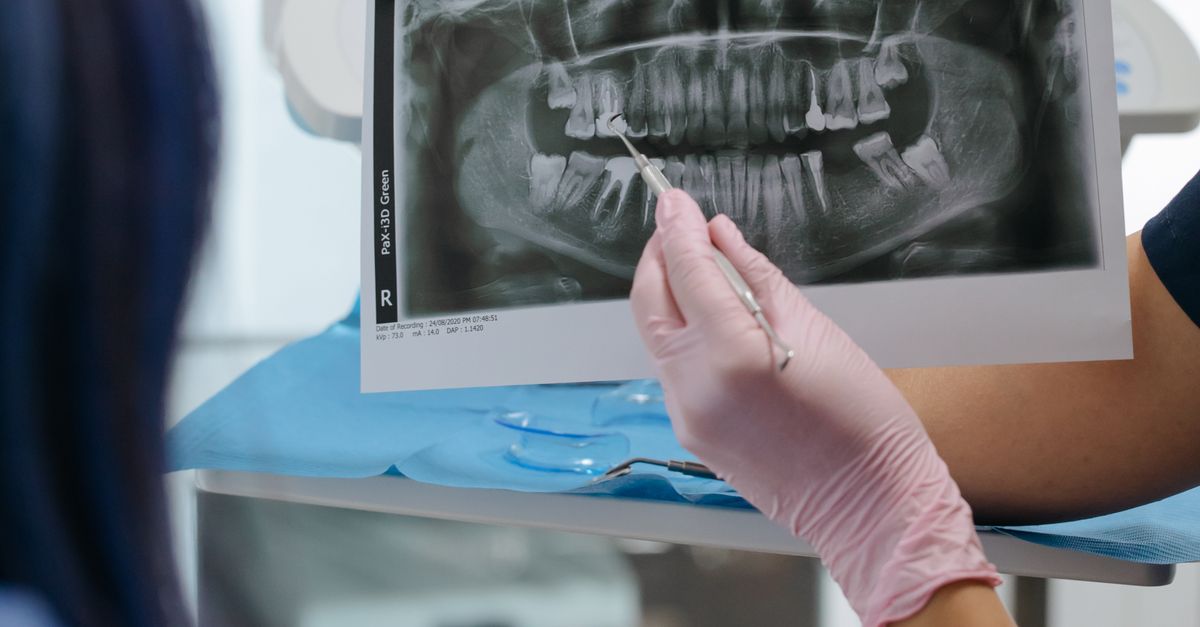
Examination & Planning: We begin with a full dental examination, panoramic and/or 3D imaging, and a personal conversation to understand your goals, timeline, and any health or financial questions.
Stabilize Oral Health: If gum disease or dental infections are present, our first priority is to address them before moving forward with implants. This could include periodontal therapy or tooth extraction if teeth are no longer restorable.
Surgical Preparation: Some patients need bone grafting or additional site preparation before an implant can be placed. Not all cases require this, but where needed, the procedure is performed and healing is carefully monitored.
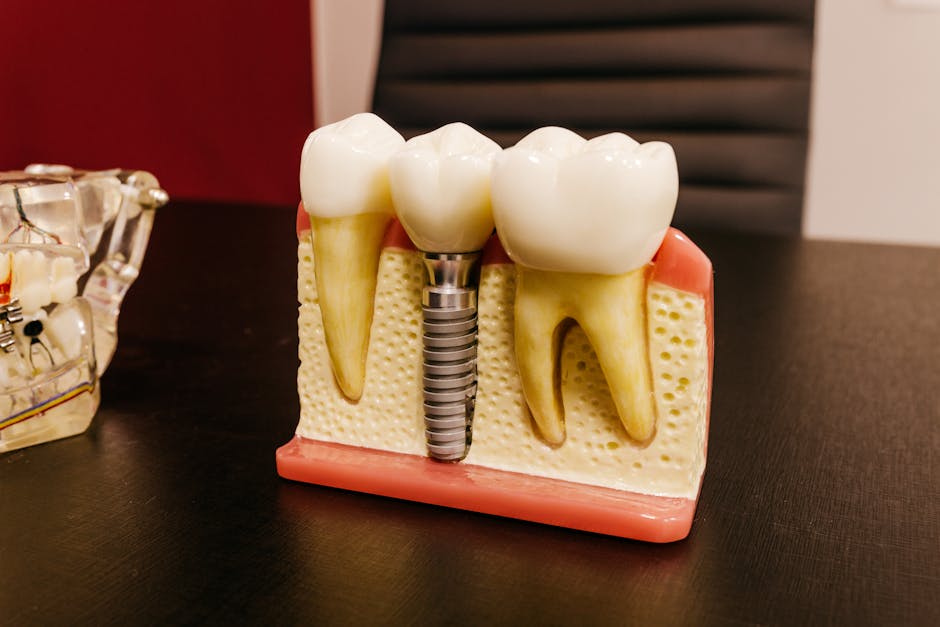
Implant Placement: The dental implant is surgically positioned using modern techniques, including 3D navigation and precise digital planning tools used in our clinics.
Healing & Integration: We schedule follow-up exams to track healing. The implant typically takes 2–6 months to fully integrate with the jawbone, depending on the bone quality and site.
Restoration: Once healing is confirmed, we create and secure your final restoration—a crown, bridge, or implant-supported denture. We use advanced digital scanning and work closely with top-quality dental labs for function and aesthetics.
Maintenance: Regular checkups and professional hygiene are integral for the long-term success of your implant. Our care protocols include maintenance, monitoring, and patient education at every stage.
How Staged Treatment Spreads Out Costs
One of the most practical advantages of staged care is the ability to split up expenses over time:
Each phase—planning, surgery, restorative work, maintenance—is scheduled and billed separately.
This gives patients the option to budget and seek insurance reimbursements in phases.
If a preparatory procedure (such as a bone graft) is not necessary, that cost is not added to your plan.
You receive a written, itemized plan so you can plan ahead without being surprised by additional charges.
While staging treatment does not reduce the overall investment, it can make dental implants more achievable for many patients. At Blanc Dental Center, we encourage all patients considering implants to ask for a phase-by-phase breakdown and clear explanations of what is included at each step.
Best Practices for Staged Dental Implant Treatment
Start with an experienced, multidisciplinary team: A clinic with surgical, restorative, and periodontal expertise in-house is best positioned to coordinate comprehensive care.
Prioritize health before speed: Healing cannot be rushed. Trying to combine all procedures may be possible in exceptional cases, but most patients benefit from staging to reduce complications.
Request clear, written estimates: Ask for details on what is and isn’t included in quoted fees. Clarify the scope of each phase along with potential additional costs if unexpected bone grafting or lab work is needed.
Review your insurance: Some dental insurance plans may cover parts of implant treatment, such as extractions or crowns, but not the implant surgery itself. Understanding your plan allows you to coordinate claims over the duration of treatment.
Keep scheduled maintenance visits: Skipping follow-up care can lead to complications or additional costs later on.
Staged Implant Treatment—A Practical Patient Example
Imagine a patient in Montreal who needs to replace a failing molar. The process might look like:
Consultation and imaging (first phase payment)
Tooth extraction and socket preservation (second phase, separate billing)
Months later, implant placement (third phase, new invoice)
Healing period with reassessment
Final restoration—crown and abutment (final phase fee)
This approach gives flexibility for work schedules, family commitments, and personal finances. Recovery and quality are never rushed, and every patient receives custom advice for their situation.
When Staging May Not Be Advisable
Short-term or financial delays only make sense if they don’t compromise oral health. Avoid postponing treatment if you have:
Active dental infections or swelling
Advanced gum disease jeopardizing remaining teeth or bone
Painful or unstable temporary prostheses
A tooth likely to fracture, complicating future care
In these cases, prompt, coordinated intervention is best. Our dental team always reviews clinical and personal priorities during the planning process.
Preparing for Your Consultation
To make your first visit as productive as possible, bring:
A list of medications and health concerns
Recent dental records or X-rays, if available
Your insurance information and details of your plan’s dental coverage
Your personal priorities and timeline
Be open about any budget concerns so the team can tailor recommendations and present a staged plan if appropriate.
Frequently Asked Questions
Can I pay for dental implants in phases?
Yes, at Blanc Dental Center, most implant treatment plans are structured so that each phase is billed as care is provided. This enables you to spread out payments and only pay for the services performed at each stage.
Does staged treatment lower the total cost?
Staging treatment makes financial planning easier but does not reduce the total fee. The overall cost is determined by the number of implants, preparatory procedures required, type of restoration, and maintenance.
How long does staged dental implant treatment take?
Most straightforward implant cases take a few months from initial consult to final restoration, but timelines can be longer if bone grafting or multiple sites are treated. Your implant dentist will provide a customized schedule based on your needs and healing.
Can staging be adapted if my situation changes?
Absolutely. If new dental needs arise or your schedule changes, both the clinical and payment stages can often be adjusted, as long as oral health and implant success are protected.
Does insurance cover any part of staged implant care?
Some insurance policies may reimburse for extractions, crowns, or diagnostics but typically do not cover the implant itself. Ask for pre-authorization, check annual limits, and clarify which phases may be eligible for claims.
Are staged treatments suitable for full arch implants?
Staged approaches can be used for full-arch treatments as well, particularly when multiple extractions, bone grafts, or significant healing intervals are planned. Our clinical team will develop the safest, most efficient schedule for complex cases.
Plan Your Implant Journey With Experienced Montreal Implant Dentists
Dental implants are a significant investment in your long-term health and confidence. At Blanc Dental Center, we guide each patient with clarity, transparency, and advanced clinical techniques to ensure the best possible outcomes. Whether you are considering one tooth or a full arch, our experienced team will help you understand the entire staged process so you can make informed decisions that fit your medical, personal, and financial goals.
Ready to explore your options? Contact Blanc Dental Center in Montreal for a comprehensive, personalized dental implant consultation and a written, phase-based treatment plan tailored to your needs.