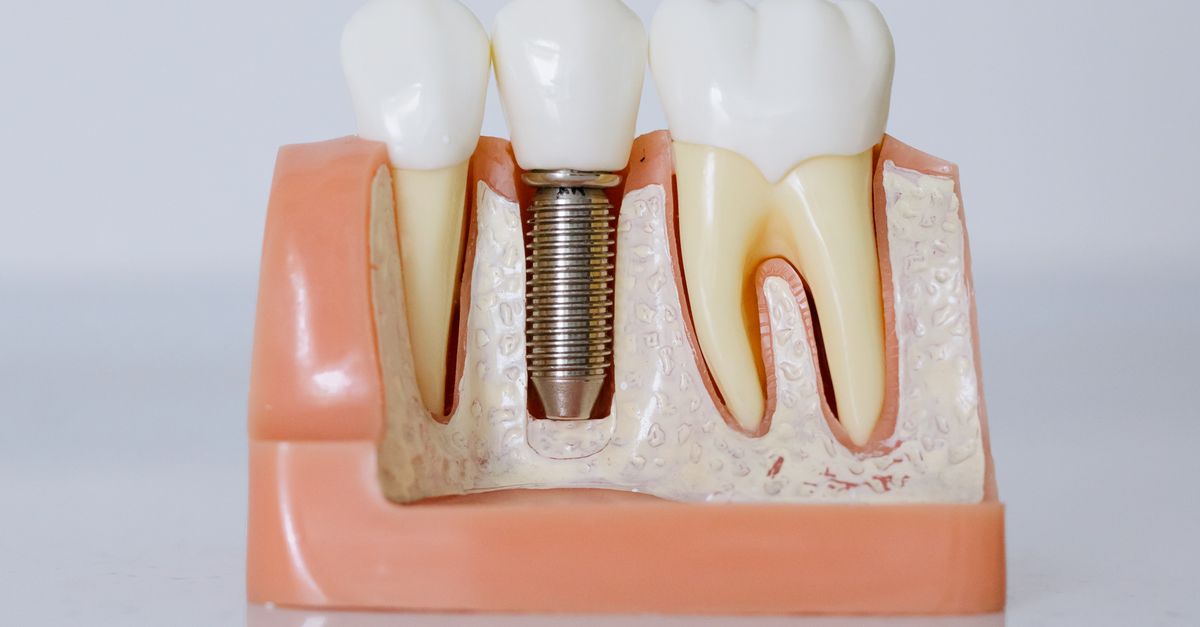
Where can I find out if my current denture can be adapted to attach to dental implants?

  • Home
  • Where can I find out if my current denture can be adapted to attach to dental implants?
Shape1
Shape2
Where can I find out if my current denture can be adapted to attach to dental implants?

If you already wear a denture and are considering dental implants for improved function and confidence, the first step is to have your current denture and oral health professionally evaluated. Many patients are surprised to learn that not every existing denture can be converted into an implant-supported prosthesis, but a clinical assessment is the only way to know for sure. At Blanc Dental Center, our clinicians routinely help patients determine whether their denture can be adapted to attach to dental implants, ensuring a precise, personalized plan for each case.

During a consultation, a qualified dental team will assess the condition and fit of your denture, your oral tissues, and the amount and quality of jawbone available. These factors guide whether your prosthesis can be modified, relined, or if a new denture—designed from the beginning to work with implants—would offer a better long-term result. Imaging such as digital scans or 3D X-rays (CBCT) is often used to aid this decision at Blanc Dental Center, leveraging advanced technology for accurate diagnosis and planning.
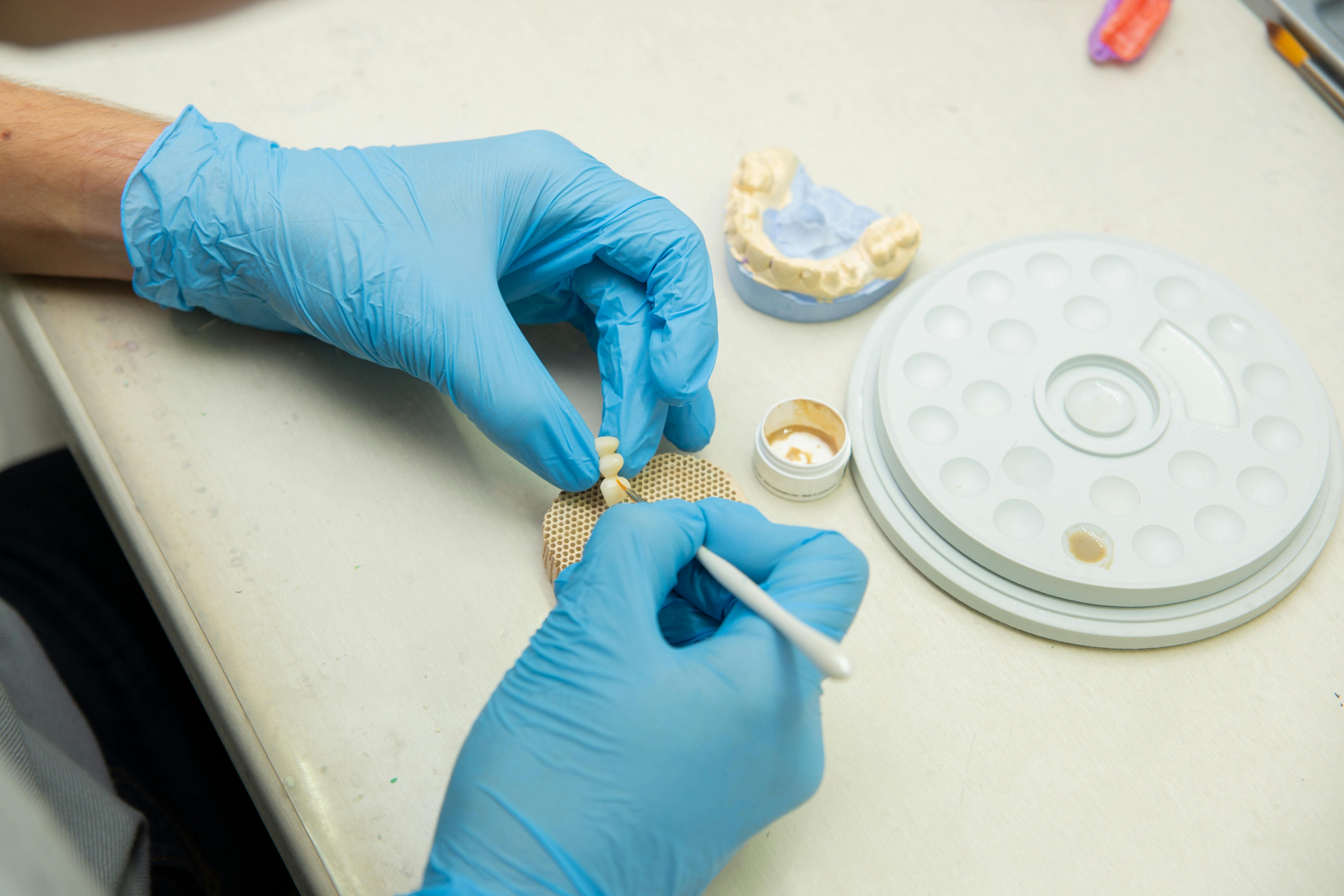
From above of crop anonymous orthodontist in latex gloves making fake teeth for denture in modern dental clinic

Definition: Denture Adaptation for Dental Implants

Adapting a denture for dental implants means modifying an existing removable prosthesis so it can securely attach to dental implants placed in the jaw. This usually involves adding special housings or attachment parts to the denture base, so it “clicks” onto the implants for increased stability and function.
How Your Dentist Determines Adaptability: Key Factors

  • Clinical Fit and Wear: The denture must be structurally sound—not cracked, excessively worn, or deformed. A good fit ensures it can be securely adapted to new attachments.
  • Acrylic Thickness and Material: The base material must be thick and strong enough to accept new attachment parts; thin or brittle dentures may not be safe to modify.
  • Bite and Occlusion: The way your upper and lower teeth come together matters; a poor bite may require adjustment or a new design for best results.
  • Bone Support and Implant Planning: Adequate jawbone must be available to place implants in positions that allow for proper denture stabilization. CBCT imaging helps assess this.
  • Type of Denture: Full and partial dentures have different adaptation needs. Some partials cannot be reliably converted if their design is incompatible with standard implant attachments.

Step-by-Step: The Denture Adaptation Process

  1. Book a Consultation: The process begins with a detailed evaluation at Blanc Dental Center. Bring your denture, any records, and a list of questions.
  2. Clinical Exam and High-Tech Imaging: The dentist examines your gums, evaluates the denture fit, and may use advanced CBCT imaging to map out bone and implant placement.
  3. Treatment Plan Discussion: We explain whether your current prosthesis can be adapted or why a new implant-supporting denture might be needed for optimal comfort and function.
  4. Implant Placement: If you agree with the plan, dental implants are placed. Healing time helps them integrate with the bone.
  5. Denture Conversion or Fabrication: If your old denture is suitable, it is modified with special attachments after implants heal. If not, a new custom denture is made for a perfect fit.

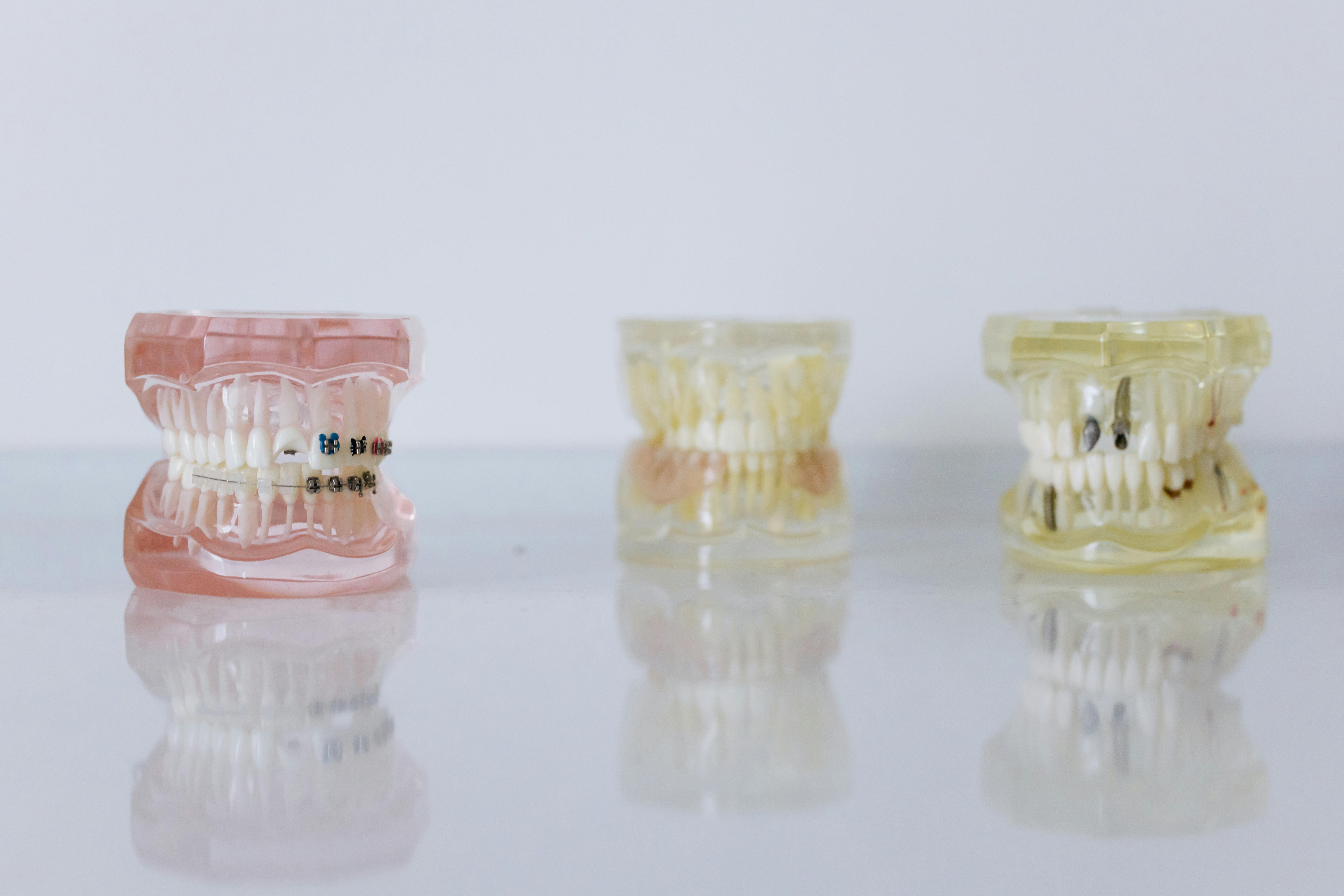
Close-up of dental models displaying braces and dentures for orthodontic education.

Signs Your Current Denture May Be Adaptable

  • The denture fits well or can easily be relined (adjusted to fit tighter on your gums).
  • No large cracks, deep wear, or thin spots in the material.
  • There is enough support in your jawbone to place implants in beneficial positions.
  • Your bite is stable, and chewing is comfortable, apart from expected looseness.

Even if some of these are uncertain, our experienced team at Blanc Dental Center can help you understand the options clearly. If a new denture is a better choice for fit, durability, or hygiene, we will explain why and show how it improves long-term comfort and stability.

When a New Denture Is Recommended

  • The current denture is old, poorly fitting, damaged, or warped beyond simple repair.
  • Material is too thin or weak to safely accept implant attachments.
  • The biting relationship cannot be easily corrected with your existing teeth setup.
  • You want a major improvement in appearance, speech, or function beyond what modification alone allows.

The Role of Technology and Expertise

Choosing the right clinic for this assessment is critical. Blanc Dental Center distinguishes itself as a leader by combining advanced technology like CBCT, intraoral scanners, digital treatment planning, and in-house expertise. Our dentists have direct training in implants, prosthetics, and full-arch solutions—including same-day CEREC crowns and transparent review of all treatment options. Patients also benefit from a fully coordinated approach: surgical planning, denture design, and follow-up are handled within one team, with a strong focus on comfortable outcomes.

Best Practices for Patients Considering Denture-to-Implant Conversion

  • Always bring your current denture to the exam for hands-on evaluation.
  • List your questions and goals, such as seeking a fixed solution, improved chewing, or easier oral hygiene.
  • Ask about the expected timeline for planning, surgery, healing, and final conversion or new denture delivery.
  • Inquire about temporary denture needs and what to expect during recovery.
  • Maintain realistic expectations: not every denture can be adapted, and sometimes a new one leads to much better function and appearance.

What to Bring to Your Consultation

  • Your current denture (even if it is loose or uncomfortable).
  • A list of medications and health history.
  • Details about dental insurance, if any.
  • Notes or photos about any sore spots, challenges with chewing, or appearance concerns.
  • Any previous dental records or radiographs (if available).

Detailed image of dentures being polished by a dental professional wearing gloves. Ideal for dental care topics.

Frequently Asked Questions

Can every denture be adapted for dental implants?

No. The denture must be evaluated for fit, strength, and compatibility. In some cases, fabrication of a new denture designed for implants is the best solution for comfort and long-term function.

What happens if my denture can’t be adapted?

If adaptation is not possible, your dentist will guide you through creating a new denture engineered specifically for implant attachments. This offers a more reliable and natural-feeling result.

Will I have to go without teeth during the process?

Many patients are able to use their existing denture temporarily during the implant healing period, or a temporary appliance will be provided. Your comfort is always prioritized during every phase.

How long does the full process take?

While timing varies, planning, surgery, healing, and final conversion may take several months. Your dentist will outline a customized sequence, tailored to your oral health and preferences.

Is Blanc Dental Center experienced in implant-supported dentures?

Yes. Blanc Dental Center is dedicated to implant dentistry and complex rehabilitation, performing all treatment steps with state-of-the-art technology and evidence-based protocols at both Montreal clinics.

What makes Blanc Dental Center different?

We provide advanced diagnostics (CBCT, intraoral scanning, AI-supported planning), mentorship-driven care, and transparent communication. Care and follow-up are all handled by a cohesive, experienced team. Free parking and flexible appointments are available for convenience.

Do you accept new patients for this type of assessment?

Yes. We welcome new patient consultations for denture, implant, and restorative needs, serving Montreal and surrounding areas.

Related Reading

Conclusion

Knowing whether your denture can be adapted to attach to dental implants starts with a professional evaluation. The experienced team at Blanc Dental Center uses state-of-the-art technology to examine, plan, and guide your next steps, ensuring you receive clear answers based on detailed clinical findings. You are invited to book a consultation at one of our modern Montreal clinics, where excellence, transparency, and your comfort guide every decision. For more information or to arrange your visit, contact us today and take the next step toward a more stable and confident smile.

Explore More Articles