



Periodontal maintenance and routine dental cleanings, while often confused, serve distinct purposes in modern oral health care. Understanding the difference is essential for anyone aiming to protect their teeth and gums long-term—especially if you have a history of gum disease or have undergone previous treatment for periodontitis. At Blanc Dental Center, we often guide patients through this very distinction, ensuring that everyone receives the care best suited to their periodontal status.
While a routine cleaning (prophylaxis) is a preventive service for patients with healthy gums, periodontal maintenance is a therapeutic protocol tailored for those previously diagnosed and treated for gum disease. This difference affects treatment planning, appointment frequency, the areas of your mouth that are thoroughly cleaned, and how diligently your periodontal health is monitored over time. For those living in Montreal or surrounding neighborhoods such as Westmount, Hampstead, Côte-Saint-Luc, Côte-des-Neiges, and Saint-Laurent, recognizing these differences is crucial for maintaining oral health and preventing further complications.

A routine dental cleaning, or prophylaxis, is intended for individuals who do not exhibit signs of gum disease and have a stable, healthy oral environment. The goal is simple: prevent oral diseases such as cavities and gingivitis by removing plaque, tartar (calculus), and surface stains from teeth. During this appointment, your hygienist focuses on areas at or slightly below the gumline using gentle scaling, followed by polishing. Routine cleanings are generally recommended every six months, though the recall interval may be adjusted based on personal risk factors identified during dental exams.
Periodontal maintenance is an ongoing therapy for patients with a history of periodontitis (gum disease). This service is designed to control and monitor the disease, targeting the areas susceptible to bacterial regrowth—most often the deeper gum pockets. Periodontal maintenance visits commonly follow scaling and root planing (deep cleaning) or periodontal surgery, and they focus on thorough cleaning both above and below the gumline, assessment of gum pocket depths, monitoring bone levels, and evaluating inflammation or bleeding. Visits are usually scheduled every three to four months to reduce the risk of disease recurrence, as gum disease readily returns if not carefully controlled.
| Feature | Routine Cleaning | Periodontal Maintenance |
|---|---|---|
| Purpose | Prevention of disease | Therapeutic disease control |
| Best for | Healthy gums | Patients with a history of periodontitis |
| Frequency | Every 6 months (often) | Every 3–4 months (customized to risk) |
| Cleaning depth | Above gumline, shallow subgingival | Above and below gumline, into pockets |
| Monitoring | Basic gum checks, visual exam | Pocket depth measurements, bleeding assessment, periodic X-rays |
| Appointment length | 30–60 minutes | 60–90 minutes |

Periodontitis causes the gums to detach from teeth, forming deep pockets where bacteria are protected from routine home care. Over time, these pockets allow harmful bacteria and hard deposits (calculus) to accumulate, triggering further inflammation and bone loss. Periodontal maintenance specifically addresses these hard-to-reach areas, cleaning below the gumline and assessing whether the disease is stable or active. The process is inherently more thorough and requires careful, regular monitoring by a trained professional.
When appropriate, supportive treatments such as localized antibiotics may be offered based on clinical findings and current guidelines.
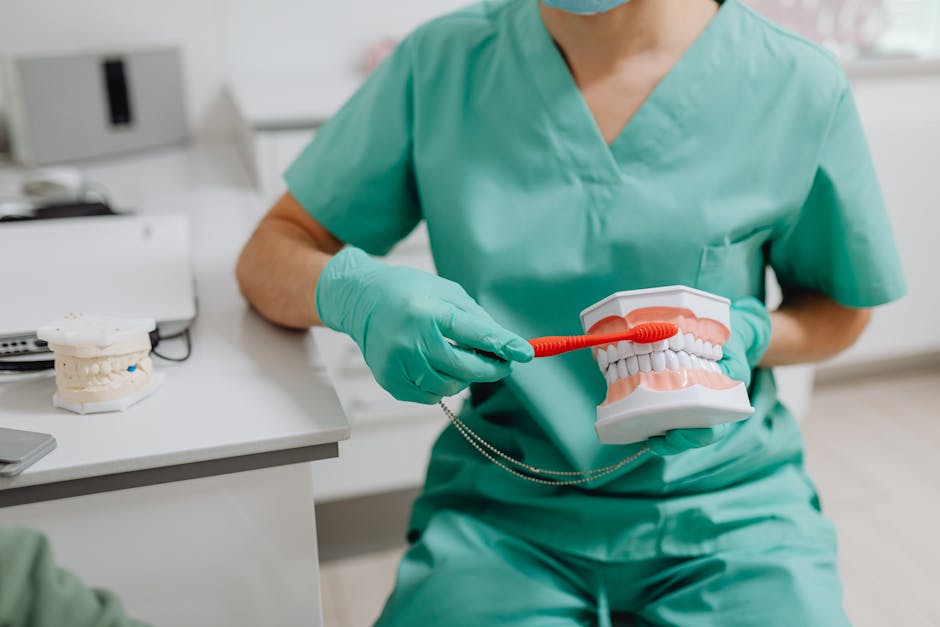
Booking a routine cleaning instead of the correct periodontal maintenance visit may leave deep bacterial deposits untreated, putting you at risk for persistent gum inflammation, bad breath, gum recession, bone loss, or even tooth loss. Conversely, if your gums are healthy and you have never been diagnosed with gum disease, a standard preventive cleaning is typically all you need.
For further background on distinguishing conditions like gum recession from periodontitis, see our blog: Gum Recession and Periodontitis: How the Conditions Differ.
If you are unsure, your dentist or hygienist will determine the correct appointment type based on your dental record and recent periodontal charting. At Blanc Dental Center, this assessment is routine before every cleaning appointment.
The recommended interval is typically every three to four months but varies by the individual’s risk level, how well their disease is controlled, and personal susceptibility to plaque buildup. More frequent visits help prevent the recurrence of disease by removing bacterial buildup while the inflammatory process is still reversible. Patients with a history of aggressive or advanced periodontitis, numerous deep pockets, or poor plaque control may require visits even more often, particularly in the initial phases post-treatment.
For more on why maintenance is essential after active therapy, review our guide: Can Periodontitis Be Stabilized With Ongoing Dental Care?.
Remember, even the best hygiene at home cannot compensate for the loss of tissue attachment after periodontitis. In-clinic maintenance is the only way to properly remove calculus from periodontal pockets and check for early warnings of disease reactivation.
Whenever a patient’s oral health status changes, it is best to review their maintenance needs with a periodontally trained dentist. Our team at Blanc Dental Center is always available to help clarify which care plan fits your history. For complex cases that involve additional risk—like patients considering future dental implants—maintenance can be even more vital. We have covered related topics, including Dental Implants After Gum Disease: Why Stability Comes First and Can You Use a Water Flosser Around Dental Implants?.
At Blanc Dental Center, we prioritize thoroughness, advanced prevention, and transparent patient communication. Each periodontal maintenance appointment is performed using the latest diagnostic and therapeutic protocols. Our team, under the mentorship of Dr. Gabriel Iorgovan, ensures that all patients receive up-to-date care, careful monitoring, and advice tailored to your risk level—especially those in need of regular periodontal follow-up.
We serve Montreal and the surrounding neighborhoods with two conveniently located clinics featuring free parking and advanced dental technology. Our focus on teamwork and private mentorship means patients always benefit from our combined expertise, whether your gums are stable or require more intensive management.
Routine cleaning is preventive care for healthy gums, focusing on plaque and tartar above the gumline. Periodontal maintenance is targeted therapy for those treated for gum disease, including cleaning below the gumline, pocket monitoring, and more frequent visits.
If a dentist has diagnosed you with periodontitis or if you have had deep cleaning or gum surgery, you likely require periodontal maintenance. Ask your dental provider for a recommendation based on your chart and checkup findings.
Most patients benefit from visits every 3 to 4 months. Your dentist will adjust the schedule based on your gum health and risk level.
If your gum health stabilizes and pockets resolve, your dentist may reassess your needs and recommend longer intervals or a return to preventive cleanings. This decision is made on a case-by-case basis.
Coverage varies by plan. Many plans include both preventive and periodontal benefits, but they may count maintenance as a separate category. It is best to confirm details with your insurance provider and your dental clinic’s staff.
Routine dental cleaning and periodontal maintenance share the same ultimate goal: preserving your natural teeth for life. The difference lies in the depth and frequency of care. If your gums have ever suffered from disease, maintenance visits provide essential monitoring to guard against relapse and maintain the health of your supporting tissues.
For patients in Montreal who need guidance or periodontal follow-up, we encourage you to schedule an evaluation with our team at Blanc Dental Center. We value excellence, respect, and team-based care, and are happy to help you understand exactly which type of cleaning best supports your long-term oral health. Book your appointment or learn more about our approach to periodontal maintenance and advanced dental care here.