


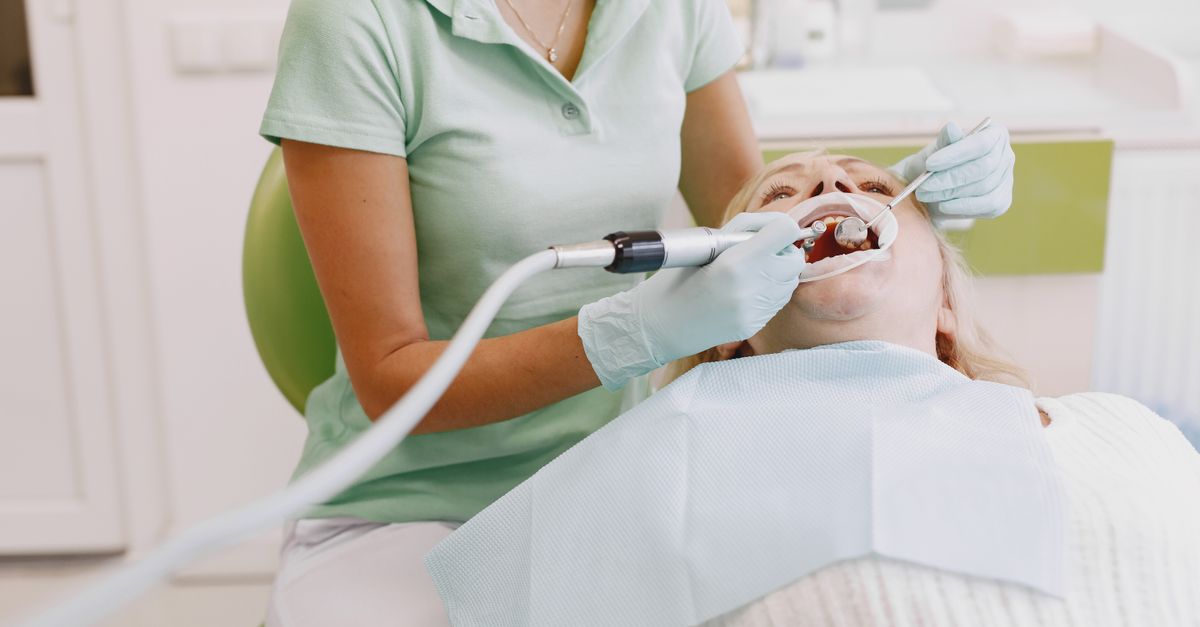
When diagnosed early and managed consistently, periodontitis—a chronic form of gum disease—can often be stabilized through ongoing dental care. This means active bone loss and inflammation can be controlled, preventing further destruction of tissue around the teeth. However, stabilization does not mean periodontitis is cured entirely, as it is a persistent condition that can return if regular maintenance lapses.
At Blanc Dental Center, we emphasize that the most reliable path to stability is a coordinated approach. This approach combines careful monitoring, tailored dental cleanings, patient education, and continued attention to personal habits. Working with our multidisciplinary team in Montreal, you can achieve long-term oral health even with a history of periodontitis, provided that ongoing care continues without interruption.
Stabilization in the context of periodontitis means halting the active breakdown of supporting gum and bone tissues. When the disease is considered stable, inflammation is minimal or absent, there is no continued loss of attachment around the teeth, and deep gum pockets or bleeding are either improved or kept under close observation. Importantly, areas already affected by recession or bone loss do not regenerate to their natural state, but the progression can be stopped or greatly slowed.
At Blanc Dental Center, we guide patients with periodontitis through a structured maintenance plan referred to as supportive periodontal care. This plan is designed to disrupt the cycle of bacterial plaque formation that triggers the disease and helps maintain long-term gum stability. Professional care makes a meaningful difference compared to home care alone:

Supportive care appointments at Blanc Dental Center go well beyond a “routine cleaning”:
The frequency of follow-up visits is tailored to each patient, but a three-month interval is most common for those with a history of active periodontitis. Patients at lower risk (such as those with only mild gum disease and exceptional oral hygiene) may extend to every 4–6 months. Our approach is always individualized according to risk, clinical findings, and lifestyle changes.
Long-term studies and expert guidance have established that the greatest risk of periodontitis recurrence and tooth loss occurs when patients discontinue or delay maintenance care. Consistency is vital—skipping even a single recall can allow bacterial colonies to reestablish below the gumline, triggering fresh inflammation and tissue destruction.
If you notice these signs, contact your dental provider quickly. Waiting can allow periodontitis to progress quietly, leading to irreversible bone loss or tooth loss. Our team will assess whether a new phase of active treatment is needed.
If you would like more detail about differences between gum recession and periodontitis, you may find our in-depth comparison guide helpful.
Our clinics offer a blend of advanced periodontal expertise and high-quality general dentistry across two accessible locations with free parking: 4215 Rue Saint-Jacques (H4C 1J5) and 5001 Rue Jean-Talon O (H4P 1W7). Our shared values—excellence, transparency, teamwork, and ongoing professional development—mean you can expect up-to-date, patient-centered treatment. Periodontal care at Blanc Dental Center is always focused on the individual’s risks and goals, and each step, from diagnosis to maintenance, is carefully planned in collaboration with the patient.
Our providers are trained in advanced procedures and use digital tools for accurate diagnosis, individualized recall planning, and education. If stabilization requires additional measures (such as bite adjustment, splinting, or multidisciplinary consultation), we handle these seamlessly in-house to avoid fragmented care.
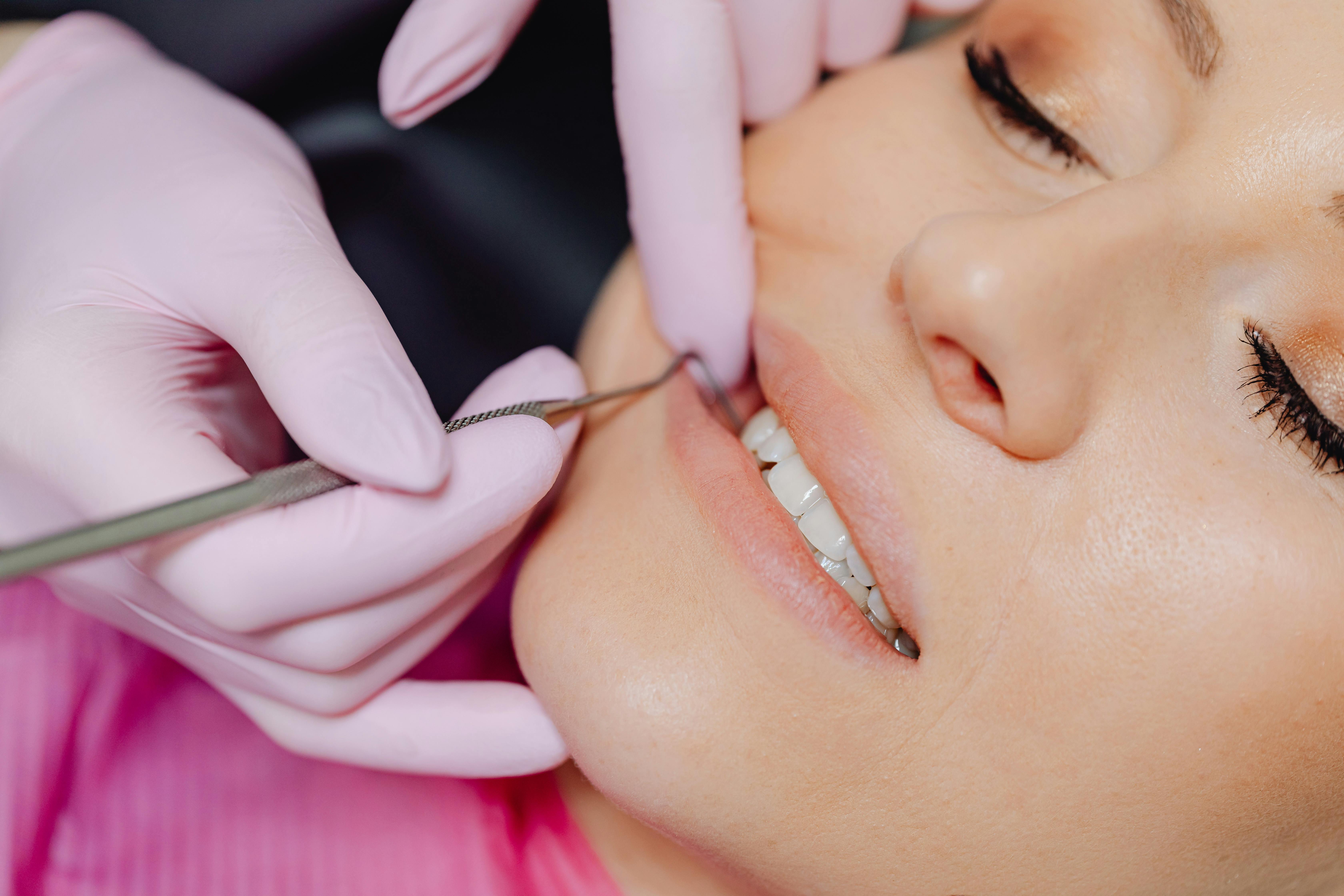
A regular cleaning focuses mainly on above-gum plaque removal in healthy mouths. Supportive periodontal care includes detailed pocket measurements, subgingival cleaning, gum health review, and individualized risk checks—designed for those with a history of periodontitis.
Not necessarily. Recall timing depends on gum health, disease severity, and individual risk factors. Most people with treated moderate to severe periodontitis benefit from cleanings every three months, while those with milder disease and excellent home care may extend to four or even six months. Our team will recommend the right interval for you at Blanc Dental Center.
Yes. Skipping or delaying supportive care raises the risk of new outbreaks of inflammation and further tissue breakdown. Consistency is especially important for maintaining tooth stability long-term.
Current evidence shows periodontitis can be stabilized and controlled, but not reversed to a pre-disease state. Bone and gum loss are largely irreversible; the goal is to stop ongoing damage, not regrow lost tissue. Ongoing care is essential to keep the condition inactive.
Contact your dental team as soon as possible for assessment. Persistent or returning bleeding can indicate active disease and may require repeat treatment rather than routine maintenance alone.
Stabilizing periodontitis is very achievable with the combination of professional support and strong daily habits. The cycle of cleaning, monitoring, and risk reduction transforms a chronic, destructive condition into one that can be managed for decades—preserving your natural teeth and oral health.
We recommend partnering with a specialized, patient-centered clinic like Blanc Dental Center to ensure your gums remain healthy and your care is adapted to your specific circumstances. Our team in Montreal is ready to provide expert guidance, state-of-the-art preventive care, and seamless coordination for even the most complex cases.
If you’re looking for additional resources on related topics, explore our guide to deep dental cleanings for gum pockets or learn how advanced care can support future tooth replacements if needed.
To schedule a personalized periodontal assessment or discuss your ongoing maintenance plan, get in touch with our team at Blanc Dental Center—serving Montreal, Westmount, Hampstead, Côte des Neiges, Ville St-Laurent, and surrounding communities with expertise and care you can trust.