


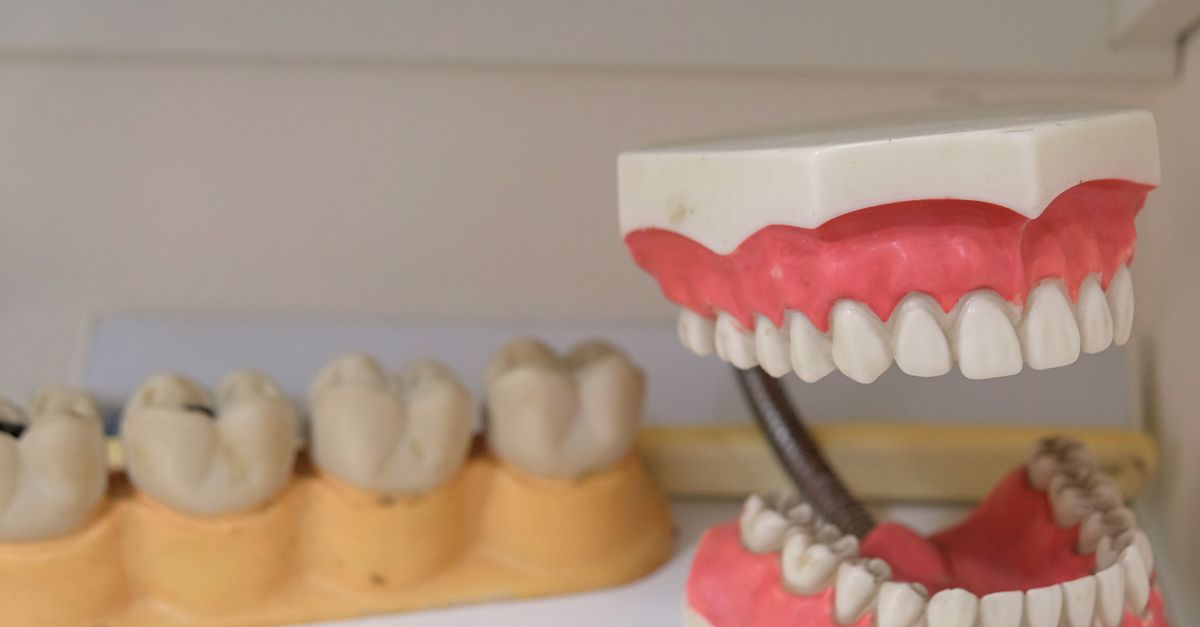
If a denture that once stayed in place now slips when you speak, rubs your gums, traps food, or makes chewing harder, its fit may have changed. A denture reline may help when the appliance is otherwise sound but no longer follows the shape of your gums. Replacement becomes more likely when the denture teeth, base, bite, or overall design also need to change.
At Blanc Dental Center, we look at both the denture and the mouth beneath it before discussing the next step. Looseness alone does not tell you whether an adjustment, reline, repair, or new denture is appropriate. The useful question is what has changed: the supporting tissues, the appliance, your bite, or some combination of these.
You do not have to wait until a denture falls out or becomes painful. A persistent change in stability, comfort, speech, or eating is reason to arrange an assessment, particularly if you are using more adhesive or avoiding foods you used to manage comfortably.
A denture reline changes the tissue-facing surface of an existing denture. New lining material is used to make that surface fit the current contours of the gums more closely. The denture teeth generally stay in their existing positions.
That distinction matters. A reline addresses the contact between the denture base and your gums. It does not remake worn teeth, restore a damaged base, or automatically correct a changed bite. A well-made reline can be useful when the primary problem is a gap that has developed beneath an otherwise serviceable denture.
An adjustment is different: it changes a particular area of the existing appliance, such as a spot that presses too firmly. A repair addresses damage, such as a break or a detached tooth. Replacement means making a new denture, with an opportunity to reassess fit, tooth position, bite, appearance, and function together.
Patients sometimes hear the terms hard reline, soft reline, and temporary liner. These describe different materials or purposes. Which, if any, makes sense depends on the condition of your gums, the appliance, and the reason the fit changed. The first decision is not which material sounds more comfortable. It is whether the existing denture is worth relining at all.
A conventional denture rests on oral tissues that are not fixed in shape. After teeth are lost, the supporting ridge can change over time. This is particularly noticeable while the mouth is healing after extractions, but changes can continue later. A denture made to match an earlier contour may then develop space beneath it, even though the appliance itself has not visibly broken.
Fit can also change for reasons other than shifting gum contours:
These causes call for different solutions. Adding material beneath a denture will not fix a fractured tooth, and remaking a denture without identifying an irritated area or attachment problem may miss the immediate cause of discomfort.
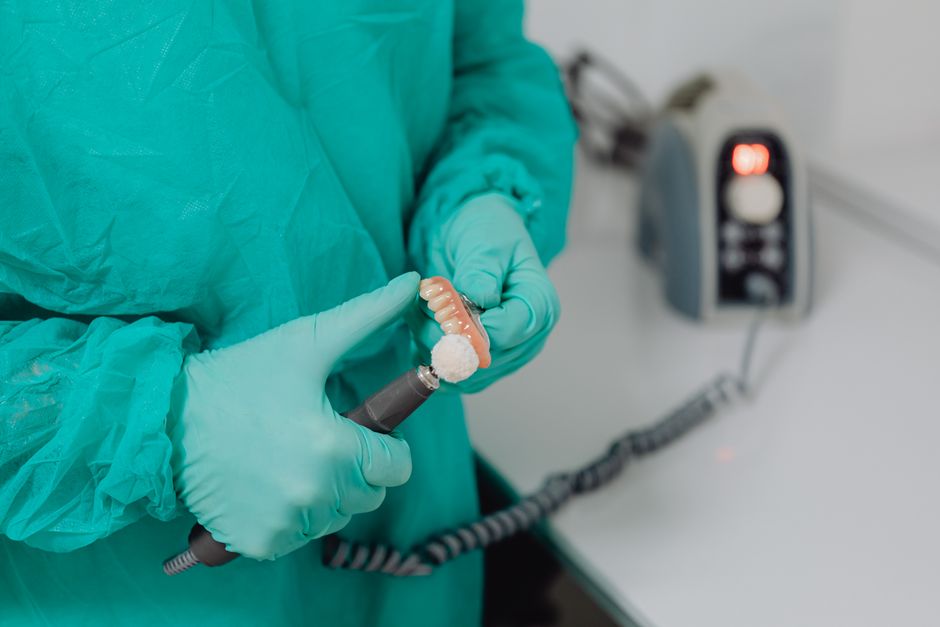
A lower denture may lift or rock during a meal. An upper denture may lose its hold when you speak or yawn. A single awkward bite is not necessarily significant, but repeatedly needing to push the denture back into place suggests it is no longer functioning as intended.
Notice when it moves. If it lifts only when you bite on one side, the bite or a localized pressure point may be involved. If it feels loose throughout the day, a broader fit change may be more likely. That distinction gives your dentist a useful starting point, not a diagnosis you need to make yourself.
Denture adhesive can be helpful, but a growing dependence on it is a useful warning sign. If you are applying substantially more, reapplying it to get through meals, or using it to compensate for obvious rocking, have the denture assessed. Adhesive cannot restore worn teeth or correct an appliance that no longer sits properly.
Tell your dentist how you apply it and what happens when you wear the denture without it. Those details help separate an underlying fit problem from a change in your routine.
A denture that concentrates pressure in one area can leave the gum tender. A denture that moves can also rub the tissues as you eat or speak. One isolated pressure point may call for an adjustment; repeated sores in different areas can suggest a broader problem with fit or bite.
Do not assume you simply need to get used to ongoing pain. If a sore persists, returns in the same place, or makes it difficult to wear the appliance, arrange an examination. We discuss the causes and assessment of irritation in more detail in our guide to denture sore spots.
Occasional food under a removable appliance can happen. A noticeable increase, especially alongside movement or soreness, may mean there is a gap between the base and the tissues. Cleaning out trapped food provides relief, but it does not change that gap.
Clicking, unexpected movement, or new difficulty pronouncing familiar words can accompany a change in denture stability. Speech may also be affected by tooth position or the way the denture meets the opposing teeth. Describe the sounds that have changed and whether the problem began gradually or suddenly.
If you now chew only on one side, need to cut familiar foods into much smaller pieces, or avoid certain textures because the denture slips, the problem deserves attention. Sometimes the base no longer holds firmly; in other cases, worn denture teeth or a changed bite are more important. A reline helps only if improving the fit addresses the main cause.
Check for flattened chewing surfaces, chipped or loose artificial teeth, and visible cracks in the base. Do not keep wearing a broken appliance if an edge is cutting your mouth or a piece may come loose. Even a small crack can affect how a denture flexes under pressure. A repair may be possible, but repeated breakage is a reason to assess the denture as a whole.
You may notice that your teeth meet differently or that you cannot close comfortably into your usual bite. Changes in the support provided by the denture can also affect its appearance in your mouth. These concerns cannot be judged by looking only at the tissue-facing surface. They call for a review of the appliance, its teeth, and how the upper and lower arches work together.
Our practical starting point is to separate fit from function. Fit describes how the appliance rests on and stays against the gums. Function includes the bite, chewing surfaces, speech, and the position of the teeth. A denture can have a fit problem, a function problem, or both.
| What we find | Option to discuss | Why |
|---|---|---|
| One localized pressure area, with an otherwise stable denture | Adjustment | Changing the pressure area may resolve the irritation without remaking the tissue-facing surface. |
| Broad looseness, but the base, teeth, and bite remain suitable | Reline | Updating the surface against the gums may restore closer contact. |
| An isolated break or detached denture tooth | Repair assessment | The damage may be repairable, but its cause and effect on fit still need checking. |
| Worn teeth, substantial bite changes, a compromised base, or recurring problems after previous corrections | Replacement discussion | A new appliance can address fit and function together rather than only changing the underside. |
| A removable implant denture feels loose at its attachments | Attachment assessment | The attachments may need attention; relining the base alone may not solve the problem. |
This is a guide to the conversation, not a way to prescribe treatment by symptoms alone. For example, a denture can feel loose because its base no longer follows the gums, but also rock because the teeth meet unevenly. Correcting only one issue may leave the other untouched.
A reline is worth considering when the denture teeth are in useful condition, the base is sound, the appearance and tooth position still work for you, and the main change is the relationship between the base and the gums. It lets you keep the existing appliance while updating the surface that contacts the tissues.
Whether that is feasible also depends on the mouth underneath. An active sore area or another oral concern may need to be assessed before a lasting fit decision is made. A reline should improve the appliance’s relationship to healthy supporting tissues, not simply cover up a problem.
Replacement becomes more compelling when a reline would improve contact with the gums but leave the central complaint unresolved. Worn denture teeth, a bite that no longer feels balanced, a poorly positioned tooth, a damaged base, or repeated unsuccessful corrections all merit a broader review.
A new denture is not automatically the better choice just because an appliance has been worn for a long time. Nor is a reline automatically the economical choice if the denture also needs extensive repair or no longer serves your needs. The decision should be based on what can realistically be improved in the existing appliance.

A denture made around the time teeth are extracted can become loose as the gums heal and the supporting ridge changes. That does not necessarily mean the original treatment went wrong. The shape the appliance was made to fit has changed.
If your denture became loose during healing, tell your dentist when the extractions occurred and whether the looseness is continuing to increase. A temporary fit measure, a reline, or a later replacement may be considered depending on how the tissues are healing and the condition of the denture. Avoid assuming that one early adjustment will remain suitable as the mouth continues to change.
A partial denture depends on both the gums and the remaining teeth. If a clasp no longer feels secure, a supporting tooth hurts, or the partial no longer seats fully after dental work, the answer may involve more than relining its base. The supporting teeth and the appliance need to be examined together.
Do not force a partial into place. A change that seems minor at first can put pressure on a tooth or an area of gum. Bring the partial to your appointment and mention any recent treatment on the teeth it contacts.
An implant-supported removable denture is held in part by attachments connected to implants. Its sense of looseness can come from the attachments, the fit of the denture base, or both. If it no longer feels secure, the first step is to identify which component has changed.
Blanc Dental Center provides removable implant-supported denture options and can evaluate whether an existing denture is suitable for adaptation as part of a treatment plan. If you are considering implants because a conventional denture keeps moving, the relevant questions are whether you want a removable or fixed option, whether your oral health supports treatment, and what maintenance each design involves. Our articles on adapting an existing denture for implants and implant denture attachment maintenance explore those decisions in more detail.
Implants are an additional option for suitable patients, not the default answer to every loose denture. If a conventional denture remains sound and its main issue is a changed gum contour, a reline may be the simpler discussion.
Bring the denture even if you think you want a new one. Its wear and the areas that cause trouble can help explain what your next appliance needs to address. If you have an older denture that fits differently, bringing that too may help illustrate what has changed.
If you have marked swelling, difficulty swallowing, or difficulty breathing, seek urgent medical care. A loose denture itself is generally less urgent than those symptoms, but an appliance that is injuring your mouth should not be ignored.
A successful fit is not something you can judge only while sitting in the dental chair. Pay attention to how the denture behaves when you speak and eat, and let your dental team know if a new pressure area develops. A small follow-up correction can be more useful than trying to tolerate a sore spot.
Continue to clean both the appliance and the tissues beneath it. Follow the care instructions for your particular denture, especially if it has a soft lining or implant attachments, because cleaning and storage advice can differ by material. Remove the appliance as directed and do not use household adhesives or abrasive tools to alter it.
Finally, keep having your mouth examined even if you no longer have natural teeth. A denture assessment is also an opportunity to check the tissues beneath the appliance and notice changes before they disrupt daily life. There is no single calendar date that tells everyone when a reline or replacement is due. Changes in comfort and function are more useful signals to bring to an appointment.
No. A reline is most relevant when the tissue-facing surface needs updating and the rest of the denture remains suitable. Significant tooth wear, a compromised base, or a changed bite may make a new appliance the better discussion.
Not necessarily. A localized sore spot might respond to a professional adjustment. Repeated or widespread soreness can point to a broader fit or bite problem. An examination is needed to identify the source of the pressure.
It may help if poor contact with the gums is causing the denture to move. It will not restore worn denture teeth or correct every bite problem. Explain which foods are difficult and whether the appliance shifts while you chew.
Adhesive may help with retention, but it cannot repair a crack, restore a worn bite, or eliminate a gap caused by significant fit changes. If your use has increased or the denture still moves, arrange an assessment.
A reline mainly changes the surface against your gums. It does not redesign the artificial teeth or deliberately change their position. If appearance or facial support is your main concern, discuss whether replacement would address it more directly.
Healing tissues can change shape after teeth are removed. Your dentist can assess whether the current stage of healing calls for a temporary measure, a reline, or a later replacement. Do not try to reshape the appliance yourself.
No. A reline changes the fit of the base against the gums. Attachment maintenance addresses the components that connect the removable denture to the implants. Both areas may need assessment when an implant denture feels loose.
For a specific denture problem, select a consultation when you request an appointment. A full exam may be needed for more complex treatment planning. Bring your denture and describe when it moves, hurts, or makes eating difficult.
The most useful rule is straightforward: reline a suitable denture when its contact with the gums is the main problem; consider replacement when the appliance itself or the way its teeth function also needs to change. Adjustments, repairs, and implant attachment care have their own roles. Choosing among them starts with examining your mouth and the denture together.
If your denture fit has changed, Blanc Dental Center can help you review your options at our Montreal clinics at 4215 Rue Saint-Jacques, (514) 933-3368, and 5001 Rue Jean-Talon O, (514) 564-4554. Both locations offer free parking. Bring your current appliance so we can discuss the next step based on how it actually fits and functions.