


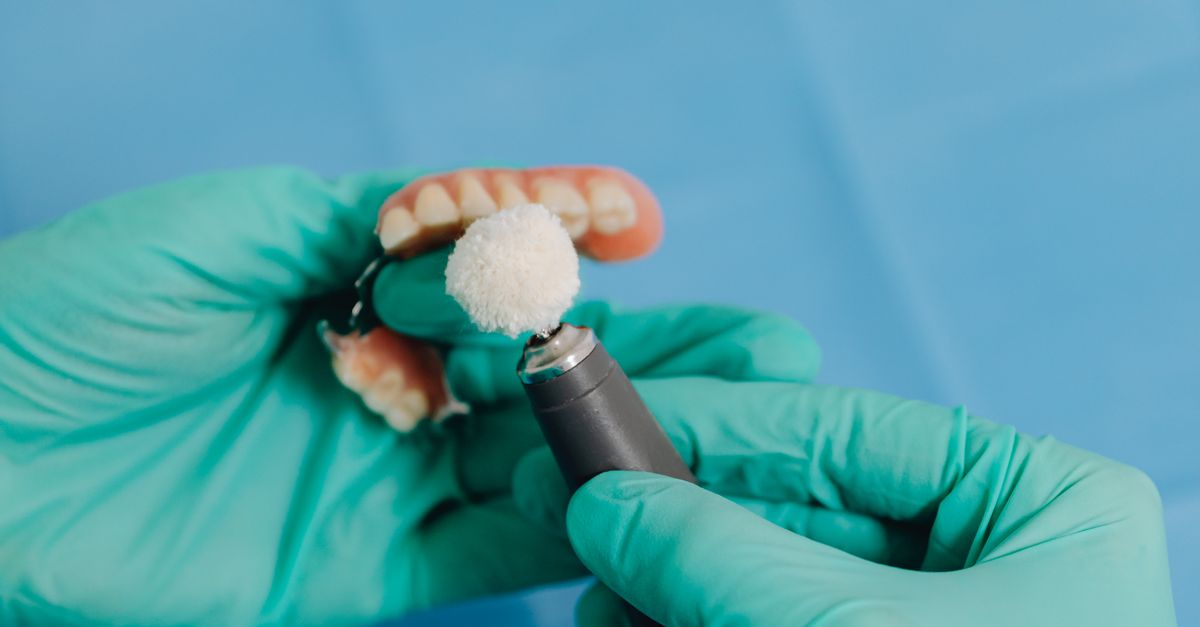
A denture sore spot is an area of irritated tissue where a denture presses, rubs, or repeatedly moves against the mouth. It may appear under the denture base, along an edge, or beside a clasp. Common causes include a concentrated pressure point, a loose denture, an uneven bite, a rough surface, or changes in the gums and jaw after tooth loss or extraction.
The right treatment depends on the cause. A dentist examines the sore tissue and the denture, checks how it fits and moves, and assesses the bite before deciding whether a small adjustment, repair, reline, replacement, or another form of care is appropriate. At Blanc Dental Center, we approach denture discomfort as both a fit question and an oral health question. An ulcer may come from rubbing, but not every painful patch is caused by the denture.
If wearing your denture makes a spot more painful, take it out to let the tissue rest and arrange an assessment. Do not file the denture yourself or keep wearing it through significant pain. A new denture can take practice to use, but a persistent wound is not something you need to accept as part of the adjustment period.
People use the term to describe tenderness, redness, a rubbed area, or an ulcer where a removable denture contacts the mouth. The discomfort may be sharply localized, such as one point on the gum ridge, or it may feel broader, such as soreness across the palate beneath an upper denture.
A sore spot can affect someone wearing a complete denture or a removable partial denture. It may develop soon after a new appliance is fitted, after teeth are extracted, or after a denture that once felt comfortable starts to loosen. Symptoms can include pain when chewing, a stinging sensation when the denture is inserted, or tenderness that builds as the day goes on.
The pattern matters. Pain at a border can point to an edge that rubs during movement. Pain beneath the base can reflect concentrated pressure or food caught underneath. If discomfort spreads beyond the area touched by the denture, the dentist needs to consider other causes rather than assuming that removing a little acrylic will solve it.
A denture rests against soft tissue, which has limits on how much force it can tolerate. If one part of the base contacts more firmly than the surrounding area, everyday chewing can repeatedly load the same spot. The tissue may become tender, then develop a visible rubbed area or ulcer.
This can happen even when the denture feels reasonably secure. A denture does not have to slide noticeably to cause a pressure sore. That distinction is useful because the remedy for an isolated pressure point may differ from the remedy for an appliance that moves across the gums.
When a denture loses close contact with the shape of the mouth, it can shift during speaking or eating. That movement creates friction. A lower denture may be especially noticeable to its wearer because it must function around the tongue and other moving tissues. A partial denture may also move if its support or retention has changed.
If the appliance lifts on one side when you bite on the other, simply smoothing the sore area may not address the rocking. The dentist needs to find out why the movement occurs. If your denture has gradually become loose, our article on refitting or replacing a loose denture after gum changes explains why a once-comfortable fit can change.
After teeth are lost, the jaw ridge changes over time. The gums can also change as extraction sites heal. A denture made for an earlier shape may no longer sit evenly against the tissues. This helps explain why an older denture can begin causing new sore spots even when nothing obvious has broken.
For a denture placed around the time of an extraction, changing contours during healing can make follow-up adjustments particularly important. A comfortable fit immediately after treatment does not necessarily remain the same as swelling settles and the mouth heals.
The way the upper and lower denture teeth meet affects how the bases bear pressure. If contact is uneven, one side can be pushed into the gum while another side lifts. A patient may describe this as a sore gum, but the source of the problem may be the way the denture teeth meet when they close or chew.
We therefore separate two questions: Where is the tissue being injured? and What force is creating that injury? Treating the visible sore without checking the bite can leave the cause in place.
A denture border that presses during speech, a rough area on the base, or a damaged component can repeatedly contact delicate tissue. With a partial denture, soreness around a clasp or supporting tooth also deserves attention. Tell the dentist whether the pain begins as soon as you insert the denture or only after you have been wearing it for a while. That detail can help narrow down where to look.
A small piece of food trapped beneath a denture can turn ordinary pressure into an uncomfortable point of contact. Poorly cleaned dentures can also leave deposits against the mouth. Sometimes soreness is not confined to one mechanical pressure point. More widespread redness or burning calls for an examination of the tissue itself, as well as the appliance.

A useful appointment does more than identify the place that hurts. The dentist needs to relate the tissue finding to the appliance and to the way you use it. We recommend bringing the denture to the visit, even if you have stopped wearing it because of pain.
The practical principle is simple: match the treatment to the mechanism. A small pressure point, a loose base, an uneven bite, and an inflamed area of tissue may feel similar to the wearer, but they are not interchangeable problems.
When an identifiable area of the denture is pressing on a corresponding sore, a dentist may carefully relieve that contact and smooth the surface. The goal is to remove the source of irritation without taking away material that the denture needs for support. This is why at-home filing is risky: the place that feels painful is not always the part of the appliance that needs changing.
After an adjustment, the tissue still needs time away from the original pressure to settle. Follow-up may be necessary if the discomfort does not improve or another area begins to hurt.
If denture teeth meet unevenly, the dentist may consider an adjustment to their contact. This can matter when the denture rocks or one portion of the gum ridge repeatedly takes more force than the rest. A sore may return after a base adjustment if the underlying bite imbalance remains.
A reline changes the tissue-facing surface so that it better corresponds to the current shape of the mouth. It may be considered when a denture is otherwise usable but no longer fits closely because the gums and underlying ridge have changed. Whether a reline is appropriate depends on the condition of the whole denture, including its teeth, bite, and stability.
A reline is not a universal fix for every sore spot. For example, changing the inside surface does not by itself address a broken clasp or an unsuitable bite. A dentist can explain which part of the appliance is causing the trouble before recommending work on it.
A damaged or substantially worn denture may need more than a localized correction. Replacement can also be considered when repeated adjustments no longer produce a dependable fit or when changes to the mouth make the current appliance unsuitable. The decision should take account of tissue health and function, not just whether the denture can still be worn.
When irritation is widespread, unusually persistent, or not clearly explained by the denture, the mouth itself needs attention. A dentist may recommend allowing the tissues to rest, addressing a condition found during the examination, or arranging further assessment of an area that does not heal. Covering a recurring sore with more adhesive or repeatedly modifying the appliance is not a substitute for examining the tissue.
If a removable denture repeatedly moves and rubs, an adjustment or reline may help, but some people want to explore a different approach to stability. An implant-supported removable denture attaches to dental implants rather than relying only on its fit against the gums. It is not a cure for every sore spot, and the denture and supporting tissues still require care. It may, however, be worth discussing when instability is an ongoing problem.
Blanc Dental Center offers dental implants and removable prosthetic care in Montreal. Our implant-supported denture service includes an assessment of whether an existing denture can be adapted, depending on its condition. A consultation can help distinguish a fixable problem with your current denture from a reason to consider implant support. You can read more about whether an existing denture can attach to implants and how implant-supported dentures stay in place.
Even an implant-supported denture can become uncomfortable if its fit or attachments change. Pain around an implant or its surrounding gum should be assessed rather than treated as an ordinary denture pressure point. For patients who already wear this type of prosthesis, regular attention to cleaning an implant-supported denture is part of caring for both the denture and the mouth.

Home care can reduce further irritation, but it cannot correct a pressure point, an unstable denture, or an uneven bite. Focus on keeping the area comfortable and avoiding additional injury until the cause is assessed.
If you cannot wear the denture long enough to eat or speak comfortably, contact a dental clinic rather than waiting for a routine visit. Severe swelling, fever, or difficulty swallowing calls for prompt medical attention.
It is easy to blame a denture for every tender patch beneath it. That assumption can delay care when the tissue needs a closer look. Arrange an examination if a sore persists after you stop wearing the denture, keeps returning in the same place, or is accompanied by a lump, unexplained bleeding, a persistent red or white patch, swelling, or a change that seems to spread.
These findings do not identify a diagnosis on their own. They are reasons not to rely on a home adjustment or wait indefinitely for the area to disappear. Tell the dentist about medical conditions, medicines, and recent changes in oral health that could affect the examination or your care plan.
A cracked denture, painful remaining tooth, or sore area around a partial denture clasp also deserves timely attention. In these situations the appliance may be only part of the problem. The dentist may need to assess the teeth and gums supporting it.
Prevention is less about tolerating discomfort and more about noticing changes early. A denture and the mouth it fits are not static. Use these habits to make changes easier to recognize:
For someone adapting to a new denture, it also helps to take smaller bites, start with foods that are easier to chew, and explain specific trouble spots at follow-up visits. Clear feedback about when and where pain occurs is more useful than trying to wear through it.
A new denture can feel unfamiliar, and some areas may need adjustment as you begin to use it. A painful rubbed area or an ulcer should not be dismissed as something you must endure. Let your dentist know where the pain occurs so the fit and bite can be checked.
Bring the dentures with you. The dentist needs to inspect them and see how they relate to the sore area. If wearing them is too painful, do not force them in. Tell the clinic when you book and explain how long you have been unable to wear them.
Removing the denture may let an irritated area settle because it takes away the pressure or rubbing. If the underlying fit problem remains, the discomfort may return when you put the denture back in. A sore that persists without the denture in place should be examined.
Often, yes. A localized pressure point may respond to a careful adjustment, and some loose dentures may be candidates for a reline. The dentist must first determine whether the appliance is otherwise suitable. Damage, significant wear, or repeated instability can change the recommendation.
No. A reline addresses how the denture base contacts the current shape of the gums. The dentist also checks the bite, the denture’s condition, and any clasps or attachments. Depending on the findings, another form of adjustment, repair, or replacement may make more sense.
Adhesive may help with retention for some people, but it does not correct every source of rubbing or pressure. If the denture hurts, rocks, or requires increasing amounts of adhesive to stay in place, an examination is more useful than adding another layer.
A denture can feel tight because it is pressing too strongly on one part of the tissue. An uneven bite or a border that rubs during movement can also hurt even when the appliance does not seem loose. The location and timing of the pain help the dentist investigate.
Yes. Implant support can improve retention, but the removable denture still contacts oral tissues, and its fit or attachments can change. Have recurring soreness assessed, especially if there is pain or inflammation around an implant.
Contact a dental clinic promptly if the pain prevents eating, the denture is broken, or there is increasing swelling or bleeding. Severe swelling, fever, or difficulty swallowing warrants prompt medical attention. A sore that does not heal or repeatedly returns also needs professional assessment.
Most denture sore spots begin with friction or pressure, but the reason for that pressure is what guides treatment. A targeted adjustment may be enough for a small contact point. A changing gum ridge, loose base, uneven bite, or damaged appliance may call for a different plan. Persistent tissue changes need an examination in their own right.
If your denture is causing pain in Montreal, you can book a consultation with Blanc Dental Center to have the discomfort assessed and discuss suitable next steps. We see patients at 4215 Rue Saint-Jacques, Montréal, (514) 933-3368, and 5001 Rue Jean-Talon O, Montréal, (514) 564-4554. Both locations offer free parking.