How Long Does a Dental Bridge Usually Last?

  • Home
  • How Long Does a Dental Bridge Usually Last?
Shape1
Shape2
How Long Does a Dental Bridge Usually Last?

Choosing a dental bridge is a significant decision, especially if you are seeking a stable, long-lasting solution for missing teeth in Montreal. Patients often ask us how long a dental bridge should last and what can be done to ensure its longevity. At Blanc Dental Center, we believe this is one of the most important questions you can ask when considering restorative dental work.

Most dental bridges can be expected to last between 10 and 15 years with proper care. In our experience and according to many respected dental sources, some bridges can even reach 20 years of service, especially when patients maintain excellent oral hygiene and follow a personalized maintenance plan. However, dental bridges are not lifetime devices—they are considered permanent because they are fixed in your mouth, not removable like dentures, but they eventually need to be replaced due to wear, decay, or changes in your mouth.

The team at Blanc Dental Center is committed to helping you maximize the lifespan of your dental bridge through personalized planning, high-quality materials, and ongoing support. Here’s a detailed look at everything you need to know about bridge durability, longevity, and care.
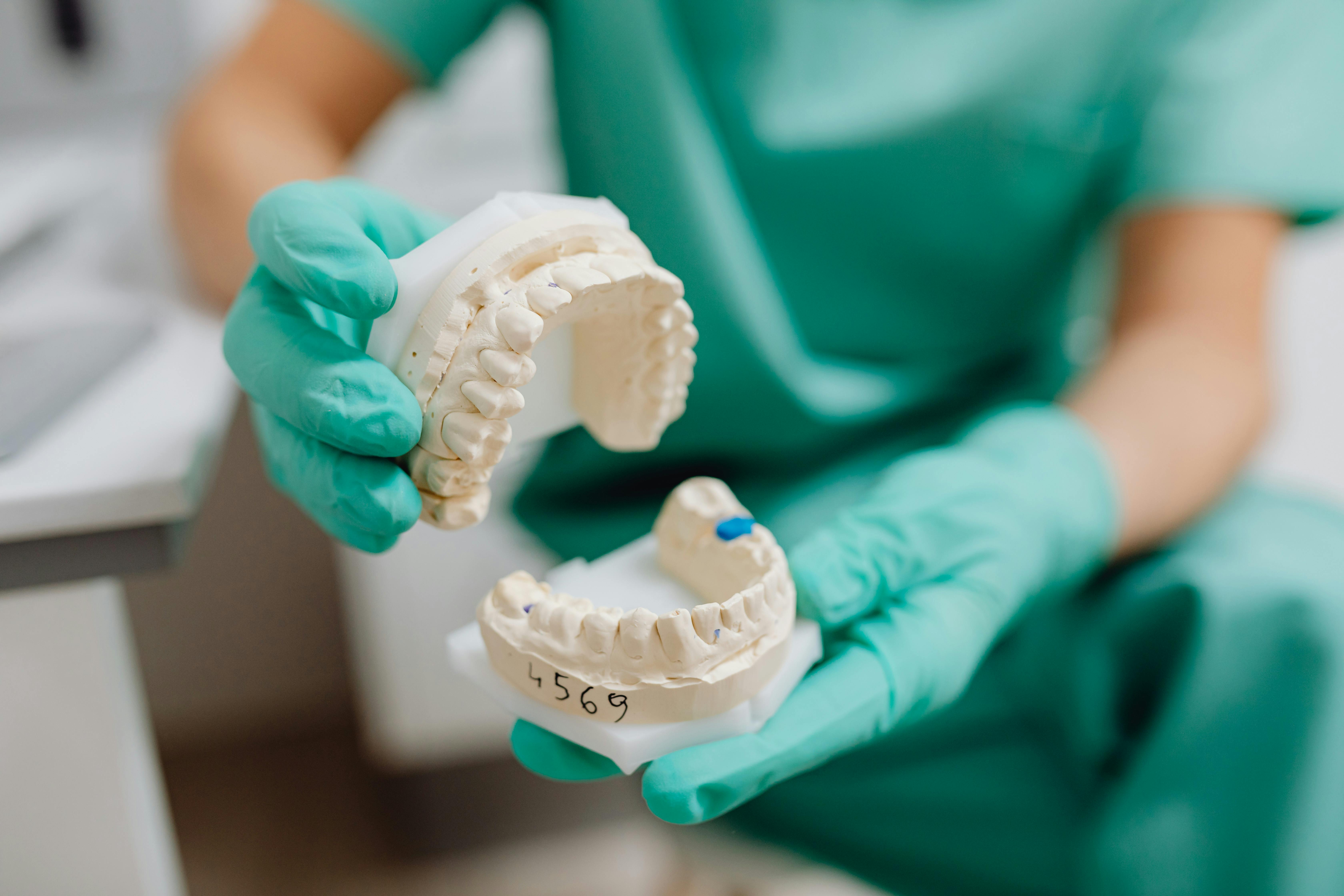
Close-up of a dental cast held with latex gloves in a clinical setting.

What Is a Dental Bridge?

A dental bridge is a fixed dental restoration used to replace one or more missing teeth. It usually consists of one or more pontic teeth (artificial teeth), anchored on either side by crowns attached to natural teeth or dental implants. Bridges restore chewing function, aesthetics, and prevent your remaining teeth from shifting.

How Long Does a Dental Bridge Usually Last?

  • With proper care, most dental bridges last 10 to 15 years.
  • Some bridges may last up to 20 years or more, particularly with excellent home care and regular dental visits.
  • Bridges are considered permanent within the mouth but are not lifetime fixtures—they will require replacement over time.

These figures align with what we see at Blanc Dental Center and are consistent with most expert dental sources. Our goal is always to help each patient achieve the maximum possible lifespan for their restoration.

Key Factors That Affect Dental Bridge Longevity

The actual lifespan of your dental bridge can vary based on several important factors:

Type of Bridge

  • Traditional Tooth-Supported Bridge: Usually lasts 10–15 years with regular care.
  • Maryland (Adhesive) Bridge: Generally has a shorter lifespan (5–10 years), as it is bonded rather than cemented.
  • Implant-Supported Bridge: The implants can often last a lifetime, while the bridge itself may last 15–30+ years with good care.

At Blanc Dental Center, we offer both tooth-supported and implant-supported solutions. Our dentists will always discuss which approach best suits your situation, including bite force, gum and bone health, and your personal preferences.

Material Used

  • Porcelain-Fused-to-Metal (PFM): 10–15 years.
  • All Ceramic / Porcelain: Also 10–15 years, with enhanced aesthetics.
  • Zirconia: Often 15–20 years due to its strength and durability.
  • Gold Alloy: Longest-lasting at 15–20 years or more, though less common due to aesthetics.

We select high-strength ceramics and zirconia fabricated at trusted Montreal dental labs, typically using advanced technologies such as CEREC for same-day restorations when possible.

Location and Span of the Bridge

  • Bridges replacing a single tooth usually last longer than those spanning several teeth.
  • Back teeth endure more natural chewing force and may experience more wear than front teeth.

Oral Hygiene and Maintenance

  • Excellent brushing and flossing drastically extend the life of your bridge.
  • Regular dental check-ups are vital to catch any early issues.
  • Use of professional tools like floss threaders or superfloss is often recommended to clean under the pontic (the false tooth).

Our hygienists show every patient the proper techniques to care for bridges. We use intraoral cameras and digital x-rays at both Blanc Dental Center locations to support this effort.

Close-up of a dental checkup showing tools and patient's mouth with a blurred background.

Bite Forces and Habits

  • Grinding (bruxism) or clenching your teeth can crack or loosen a bridge.
  • Chewing on ice, hard foods, or using your teeth as tools shortens bridge lifespan.
  • A custom night guard may be recommended if you grind your teeth at night.

Quality of Dental Work

  • Meticulous fit and planning at the time of your bridge placement is critical.
  • At Blanc Dental Center, our clinicians receive ongoing mentorship and advanced training to ensure restorations are placed for both immediate success and long-term durability.

Signs Your Dental Bridge May Need Replacement

  • Loose or shifting bridge.
  • Pain, sensitivity, or swelling around the supporting teeth.
  • Visible cracks, chips, or changes to the bridge’s surface.
  • Persistent bleeding or gum inflammation at the edges of the bridge.
  • Cavities forming under crown margins.

If you notice any of these signs, schedule a visit. Digital x-rays and 3D CBCT scans (if required) help us determine whether a repair or replacement is needed. Read more about related topics, such as what is a pontic tooth in a dental bridge?

Step-by-Step: The Dental Bridge Process at Blanc Dental Center

Dentist demonstrating dental model to a patient during a consultation.

  1. Comprehensive Exam: Includes digital x-rays, health history review, and sometimes a panoramic scan. We evaluate all replacement options for your unique situation.
  2. Treatment Planning: We make recommendations based on tooth and gum condition, potential for implants, and your preferences. The expected lifespan of each option is a central part of this discussion.
  3. Preparation: If a tooth-supported bridge is chosen, supporting teeth are prepared. If implant-supported, minor surgical steps are completed to place the anchors and allow healing.
  4. Impressions: Digital or traditional impressions are taken for laboratory fabrication. Temporary bridges may be placed during fabrication.
  5. Bridge Placement: We check the fit, adjust for the best bite, and cement the final bridge.
  6. Long-Term Checkups: Follow-up appointments at intervals tailored to your risk and hygiene level, using digital and visual monitoring tools.

Tooth Bridge vs. Implant Bridge: Which Lasts Longer?

Implant-supported bridges usually last longer than traditional tooth-borne bridges. The implants themselves can last decades, and the prosthetic bridge above is typically serviceable for 15–30+ years. A tooth-supported bridge will generally be replaced after 10–15 years. At Blanc Dental Center, we have extensive expertise in both approaches and always discuss long-term prognosis with our patients.

Best Practices for Making Your Dental Bridge Last

  • Brush twice daily with proper angle and gentle technique.
  • Use floss threaders, superfloss, or interdental brushes to clean under the bridge daily.
  • Schedule regular dental checkups—usually every 6–12 months, or more often if recommended due to gum disease history or risk factors.
  • Protect against grinding with a night guard if indicated.
  • Avoid biting on hard or very sticky foods.
  • Address dry mouth, diabetes, or any systemic conditions with your physician and dentist, as these can impact bridge success.

A Typical Journey: Dental Bridge Patient Care in Montreal

Montreal-area patients can expect a strong emphasis on collaborative care at every Blanc Dental Center location, whether in Saint-Henri, Jean-Talon, or serving communities like Westmount, Côte-des-Neiges, Hampstead, Ville Saint-Laurent, and Town of Mount Royal. We tailor long-term support and check-up frequency to optimize your results and ensure any issues are caught early, significantly prolonging bridge life.

Frequently Asked Questions About Dental Bridge Lifespan

Can a dental bridge last 20 years?

Yes, many patients maintain a stable, functional bridge for 20 years or more, especially with top-notch oral hygiene and ongoing care. Longevity depends strongly on home care, regular hygiene appointments, and other risk factors.

Is a dental bridge considered permanent?

Dental bridges are permanent in the sense that you cannot remove them yourself. They are securely cemented or screwed in place by a dentist, but they are not meant to last an entire lifetime and will eventually need replacement.

Do implant bridges last longer than tooth-supported bridges?

Usually, yes. Implant-supported bridges commonly outlast those anchored to natural teeth, with many lasting 15–30+ years if the underlying implants and oral health are well maintained.

What are common causes of bridge failure?

Decay forming under crowns, gum disease, excessive bite force (like grinding), and lack of oral hygiene are the most common causes. Early detection and pro-active care minimize failure risk.

When should I schedule my first checkup after getting a bridge?

We recommend seeing your dentist within the first year, often within six months to check bite and gum response, then maintaining annual or semi-annual recalls as advised by our care team.

What if I have more complex needs or have had a failed bridge before?

We encourage a comprehensive review—sometimes implant solutions or bite corrections provide a better long-term result. Book a full exam and let us tailor a plan to your needs.

Conclusion: Choose Expertise and Care for Long-Lasting Results

Your dental bridge’s longevity relies on a careful blend of modern technique, personalized care, and diligent home hygiene. At Blanc Dental Center, our restorative and implant teams in Montreal are dedicated to providing bridges that stand the test of time. Our advanced diagnostics, patient education, and mentorship culture keep every step aligned with long-term success. Whether you are considering your first bridge, facing an urgent replacement, or interested in implant options, you will find clarity and expertise with us.

Ready to discuss a dental bridge that meets your unique needs in Montreal? Visit Blanc Dental Center or book an appointment now. Our team looks forward to welcoming you and supporting the health, function, and beauty of your smile for years to come.

Im Vergleich überzeugt das online casino echtgeld mit fairen Boni heute aktuell.
O número de adeptos de apostas online em Portugal continua a aumentar, sobretudo entre quem valoriza pagamentos seguros. Muitos jogadores regulares confiam no winwin pela rapidez dos levantamentos e pela diversidade de mercados desportivos disponíveis. O apoio ao cliente responde com clareza em qualquer momento do dia. Criar conta é gratuito e fica concluído em poucos minutos.
Live dealer tables bring the land-based experience online. The TonyBet Casino live games section covers available tables and providers.