


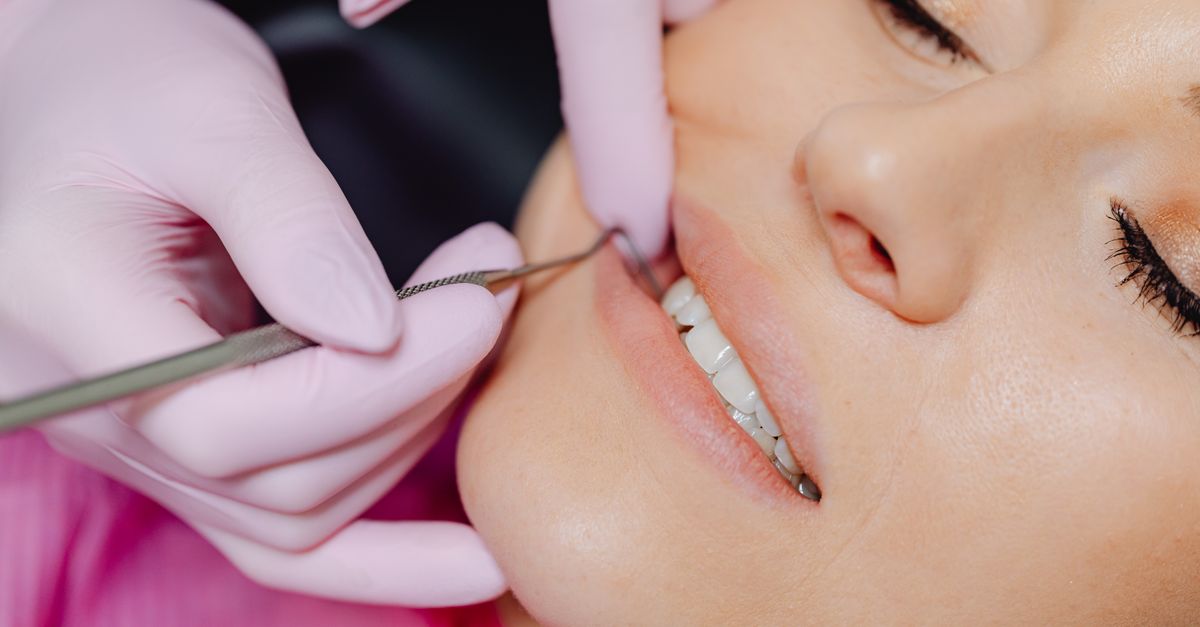
When considering cosmetic improvements for teeth, dentists at Centre Dentaire Blanc use a conservative approach, prioritizing treatments that preserve natural tooth structure while providing the desired visual results. In most cases, dental bonding is considered the most conservative option for repairing minor chips, small gaps, or isolated discolorations because it involves minimal alteration to healthy enamel. Veneers, while still conservative compared to dental crowns, require a bit more enamel removal and are reserved for patients who need broader changes in color, shape, or uniformity across several teeth.
The choice between veneers and bonding depends on the individual condition of each tooth, the number of teeth involved, patient expectations for longevity, and the overall smile goals. At Centre Dentaire Blanc in Montreal, we guide patients through a detailed consultation to ensure the most appropriate, least invasive solution is recommended for their unique case.
In dental practice, a conservative cosmetic procedure focuses on preserving as much of the healthy natural tooth as possible. This approach minimizes irreversible enamel reduction and allows for future improvements if needed. Bonding typically meets this standard, requiring little or no removal of tooth surface. Veneers—often made of porcelain—require some shaping of the enamel but involve less tooth modification than full crowns.

| Feature | Dental Bonding | Veneers |
|---|---|---|
| Material | Composite resin (applied in office without lab) | Porcelain or ceramic (custom-made shell) |
| Conservatism | Most conservative | Still conservative compared to crowns |
| Preparation | Little or no enamel reduction, single visit | Some enamel removed, usually two visits |
| Best for | Small chips, minor reshaping, limited repairs | Larger changes, multiple teeth, uniform color/shape |
| Longevity | 3–7 years (approximate lifespan) | 10–15 years or more (with proper care) |
| Cost | Less expensive upfront | Higher upfront investment |
Bonding is particularly suitable when preserving every possible millimeter of natural enamel is vital or when a patient is seeking a reversible or short-term cosmetic upgrade before committing to a more permanent solution.
Veneers offer a dramatic improvement when simple bonding cannot ensure a stable color, contour, or esthetic result across several teeth. They are not the most conservative—compared to bonding—but still spare significant tooth structure relative to full crowns.

At Centre Dentaire Blanc, our doctors take time to understand your priorities, examine each tooth, and discuss realistic goals for function and appearance. For simple cases—such as a tiny chip or a single uneven tooth—bonding can often be done in a single appointment. Where multiple teeth are involved, or the smile transformation is more complex, we discuss veneer options and the process in detail.
During consultation:
We always aim for maximum transparency and patient involvement, values reflected in every aspect of our care. For example, many patients want to understand if digital impressions or same-day ceramics may apply to their case—topics we discuss in depth during your visit. Patients new to our clinic can learn more about the full process and available technologies in our article: What to Expect at Your First Visit to a Montreal Dental Clinic.
Our reputation for excellence, advanced training, and teamwork sets Centre Dentaire Blanc apart as a leader in Montreal’s cosmetic and restorative dentistry. Under the guidance of Dr. Gabriel Iorgovan, all dentists in our group receive ongoing mentorship to perfect minimally invasive cosmetic procedures, from single-tooth repairs to comprehensive smile makeovers. Our patients benefit from:
For cases where full smile enhancements are being considered, we often combine techniques—using bonding on some teeth and veneers on others—to achieve optimal results with maximum conservation of healthy structure. For more on planning a full smile makeover, visit our guide to smile makeovers.

In most minor esthetic cases, bonding is the least invasive solution as it often requires no removal of healthy enamel, making it ideal for small fixes or patients wanting reversibility.
Veneers usually involve some enamel reduction for space and fit but are more conservative than a dental crown, which covers the full tooth. Dentists at Centre Dentaire Blanc only recommend veneers when the esthetic and functional benefits clearly outweigh the small amount of enamel removed.
Bonding generally lasts 3–7 years. Porcelain veneers commonly last 10–15 years or longer with good oral hygiene and regular professional care.
Porcelain veneers can mimic the light transmission of natural enamel for the most seamless, enamel-like finish available. Composite bonding provides a lifelike result in skilled hands but may be slightly less luminous than high-end ceramics over time.
Both procedures are safe under professional care. The main risks are staining or wear (more common with bonding), and sensitivity or possible veneer replacement over many years. Any cosmetic procedure should be planned to fit your bite and oral health, which we always verify during consultation.
The most appropriate cosmetic solution—bonding or veneers—depends entirely on the size, location, and extent of your dental concern. At Centre Dentaire Blanc, we believe in empowering patients to choose the most conservative option that meets their esthetic and functional needs. Our clinics in Montreal offer a full range of cosmetic options, all guided by transparent discussion, advanced technology, and a philosophy of excellence. If you are considering a cosmetic dental improvement, we invite you to consult our team for advice tailored to your unique needs and to explore our patient-centered approach.
Ready to learn more or book an appointment? Start your cosmetic journey with us and discover why we are recognized as Montreal’s trusted experts in conservative dental care.