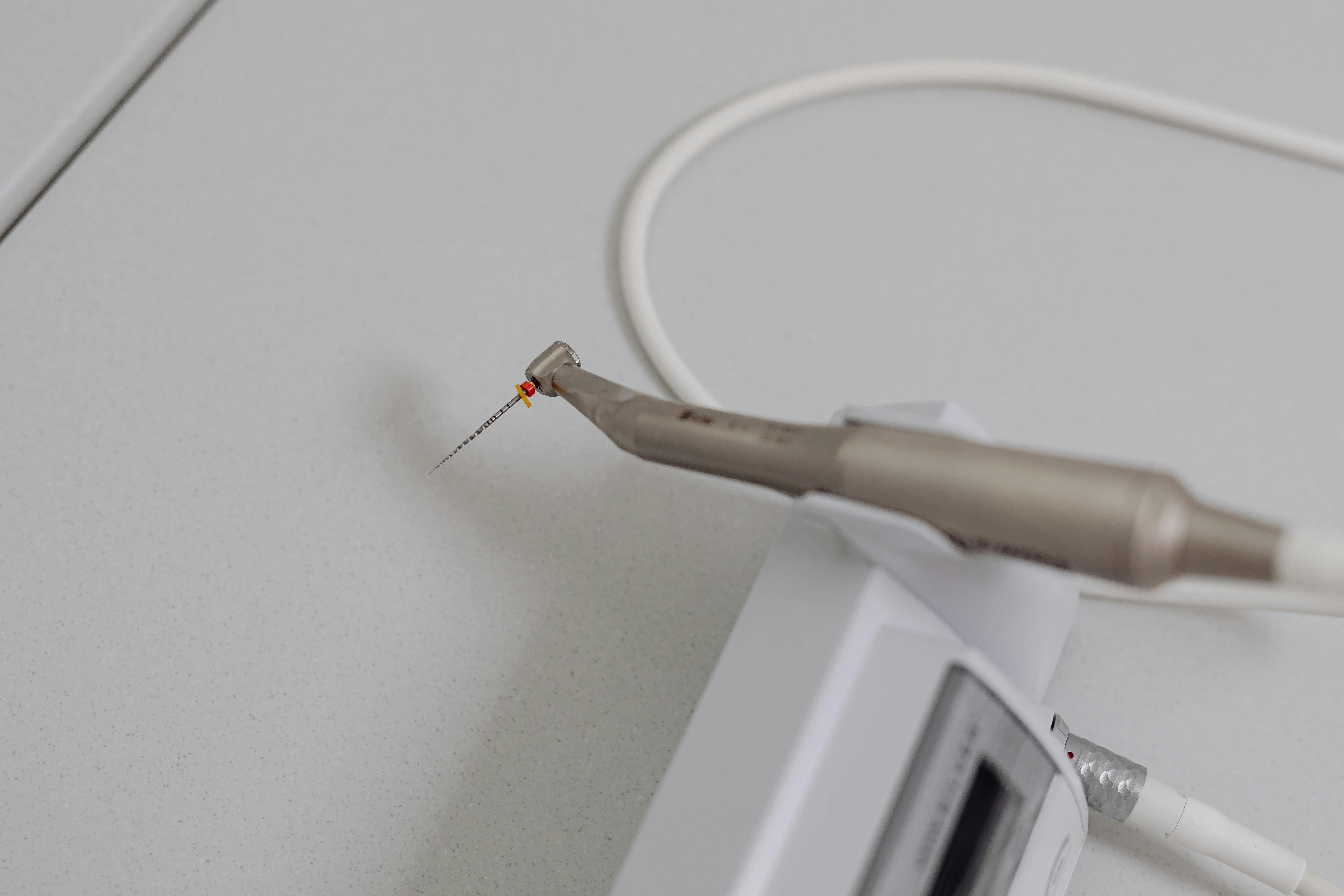
If you have had a root canal, it’s natural to expect that your discomfort will subside and life will return to normal. However, when persistent or returning symptoms develop—days, months, or even years after treatment—it can be a sign that the root canal has failed. At Centre Dentaire Blanc, we see patients from Montreal and surrounding areas seeking answers about failed root canals, and our goal is to provide clarity and peace of mind through expertise and advanced care. Knowing what a failed root canal feels like, when to be concerned, and what to do next is critical for your oral health.
Definition: What Is a Failed Root Canal?
A failed root canal means that despite treatment, infection or inflammation remains (or returns) inside or around the tooth’s root. This can result from missed canal branches, new decay, cracked roots, or bacteria that survived the initial treatment. Not every discomfort after treatment signals failure, but understanding the key symptoms helps you respond quickly and appropriately.
How Normal Healing Feels Versus Signs of Failure
What Is Expected After a Root Canal?
After a root canal, some discomfort is common. You might notice mild to moderate soreness, especially when biting or chewing. This usually decreases over several days:
Mild, dull ache or sensitivity to biting for the first 24 to 72 hours
Pain that steadily lessens and is mostly gone by 7–10 days
Minor tenderness for up to two weeks
If your symptoms are improving daily, this typically means healthy recovery.
What Does a Failed Root Canal Feel Like?
The experience of a failed root canal is often described as the original tooth problem returning—or never really going away. Common signs include:
Pain or sensitivity that does not decrease or gets worse after 2–3 weeks
Symptoms reappearing months or years after feeling well
Swelling, pimple-like bumps on the gum, or bad taste
Detailed Symptoms of Failed Root Canal Treatment
Persistent or returning tooth pain: Deep, throbbing, or sharp pain, especially with pressure or chewing, that lasts beyond expected healing.
Pain when biting or chewing: Like pressure, bruising, or an “electric shock”. If this develops long after treatment, failure may be likely.
Swelling: Puffy gums, noticeable lumps near the tooth, or facial swelling. Severe cases require urgent care.
Gum “pimple” (fistula): A bubble on the gum which might release pus or result in a bad taste in your mouth. This is a specific indicator of lingering infection.
Tooth discoloration: Slow darkening, grey, brown, or even dull, opaque appearance. Especially concerning if paired with other symptoms.
Sensitivity to hot or cold weeks after the root canal: Lingering pain from temperature changes is unusual after the tooth’s nerve is removed. This may mean ongoing infection in the surrounding tissue.
Bad taste or odor: Persistent bad taste, metallic or salty sensation, or bad breath that you notice despite routine oral hygiene.
Tender or thickened gums: Soreness, redness, or a thickened, puffy area over the root of the treated tooth.
Loose or “high” feeling tooth: Tooth feels loose, wiggles, or bites awkwardly, possibly due to chronic infection or bone loss.
Pain spreading to jaw, ear, or head: Sometimes the pain is not precisely at the tooth but radiates to other areas.
Subtle vs. Serious Symptoms: When to Seek Help
Subtle Warning Signs
Intermittent ache in a treated tooth
Minor gum swelling or puffiness
Gum pimple appearing and disappearing
Change in tooth color
These are early signs. Early intervention by an experienced provider such as Centre Dentaire Blanc can often save the tooth with simpler re-treatment.
Serious or Emergency Symptoms
Severe, constant pain not relieved by medication
Rapid facial or neck swelling
Difficulty swallowing, speaking, or breathing
Fever, chills, feeling acutely unwell
Swelling around the eye or inability to open the mouth
These require urgent dental or medical care. If you experience any of them, go to an emergency clinic or hospital immediately.
How Dentists at Centre Dentaire Blanc Diagnose Failed Root Canals
Our approach is thorough and evidence-based, using the latest technology to determine the exact cause and extent of failure:
Detailed history: We ask about the sequence, timing, and nature of your symptoms.
Clinical tests: Tapping (percussion) on the tooth, bite testing, and gently probing the gums for any swelling or drainage.
Digital X-rays and 3D Imaging (CBCT): At Centre Dentaire Blanc, we use advanced CBCT imaging as well as digital radiographs to detect hidden infections, cracks, or missed canals.
Bite assessments: We check if your bite is uneven or if the tooth feels “high” compared to adjacent teeth.
Step-by-Step: If You Suspect a Failed Root Canal
Monitor mild symptoms for 24–48 hours: Track pain location and intensity, and see if over-the-counter pain relief helps. If symptoms improve, it may just be temporary irritation.
Seek a dental exam if pain, swelling, or gum changes persist for over 2–3 days, or return after the initial healing period. Early diagnosis helps us offer simpler solutions and improve the chances of saving the tooth.
Act promptly with severe symptoms such as significant swelling, difficulty breathing or swallowing, fever, or extreme pain. Contact dental emergency services or visit the emergency room.
To book an exam at Centre Dentaire Blanc’s St. Henri or Jean-Talon clinics, visit our online appointment page or call the numbers provided on our site.
What Happens If You Ignore a Failed Root Canal?
If left untreated, a failed root canal can lead to worsening pain, bone loss, infection spreading to adjacent teeth or facial spaces, and eventual tooth loss. In severe scenarios, it may even become a medical emergency. Delaying care can increase the complexity and cost of future treatment. If a tooth cannot be saved, replacement options such as dental implants become important.
Treatment Options for Failed Root Canals at Centre Dentaire Blanc
Root Canal Retreatment
We remove the old root canal filling, clean out the canals (sometimes uncovering missed branches), and seal the root again. This conservative approach succeeds in many cases when detailed imaging reveals the source of the problem.
Endodontic Surgery (Apicoectomy)
If retreatment does not resolve the issue or is not possible due to anatomical factors, a minor surgical approach removes the root tip and surrounding infected tissue.
Tooth Extraction and Replacement
If the tooth is badly fractured, has extensive decay, or shows severe bone loss, extraction may be recommended. At Centre Dentaire Blanc, we are leaders in dental implant and restorative solutions, providing options such as:
Implant with ceramic crown
Fixed dental bridge
Partial denture, if appropriate
Our advanced 3D planning with CBCT helps ensure successful, predictable results for implant replacement.
How Centre Dentaire Blanc Prevents Root Canal Failures
Use of operating microscopes for visibility and precision
CBCT 3D X-rays for complex anatomy
AI-assisted diagnostics to find subtle problems
Quality seals and same-day ceramic crowns using CEREC when coverage is needed
Experience and mentorship—our team, led by Dr. Gabriel Iorgovan and Dr. Dan Munteanu, receive advanced training and collaborate for best results. These measures lower the risk of missed anatomy and reinfection.
Best Practices for Patients After Root Canal Treatment
Monitor healing and contact your dentist if pain does not decrease daily after two weeks
Return for recommended follow-up and restoration (crown, if advised)
Keep the tooth clean and avoid hard foods while healing
Maintain regular dental exams to catch problems early
If a crown is advised, do not delay, as this helps prevent cracks and reinfection.
FAQ: Failed Root Canal Symptoms and Solutions
What are the very first signs I should watch for after a root canal?
Mild tenderness or soreness is normal at first, but you should watch for pain that lasts more than two weeks, swelling or gum pimples, and sensitivity to hot or cold that develops after the initial healing.
Is it possible for a failed root canal to feel fine for a long time and then suddenly become painful?
Yes. Infection can remain inactive for months or even years and later reactivate, causing pain or swelling.
What if I have a pimple on my gum but no pain?
This can still indicate infection from a failed root canal. Absence of pain does not mean the problem is harmless.
Can I avoid losing my tooth if my root canal has failed?
Often, yes—especially if treated early. Retreatment or minor surgery can save many teeth. Delaying care increases the risk of needing extraction and replacement.
How do I know if I need a dental implant or bridge?
If a tooth cannot be saved due to severe infection, fracture, or bone loss, your dentist will discuss options like implants or bridges. Implants are a specialty at Centre Dentaire Blanc and often offer the most natural and secure result.
How can your team help prevent root canal failure in the first place?
We combine advanced technology (microscopes, CBCT, AI), meticulous technique, quality restoration, and ongoing professional education to minimize the chances of missed anatomy or reinfection. Our collaborative approach means complex cases receive expert review and care.
Conclusion
A failed root canal often announces itself through persistent pain, swelling, gum changes, or unexpected symptoms such as bad taste or a pimple around the treated tooth. Quick response improves the chances of saving your tooth and limits future complications. If you are in Montreal or the surrounding areas and have questions about a previous root canal, or experience any of the symptoms above, the expert team at Centre Dentaire Blanc can help with honest guidance, advanced diagnosis, and a full range of restorative options. Use our online appointment request to book your evaluation, or call us directly—we are here for you, every step of the way.