


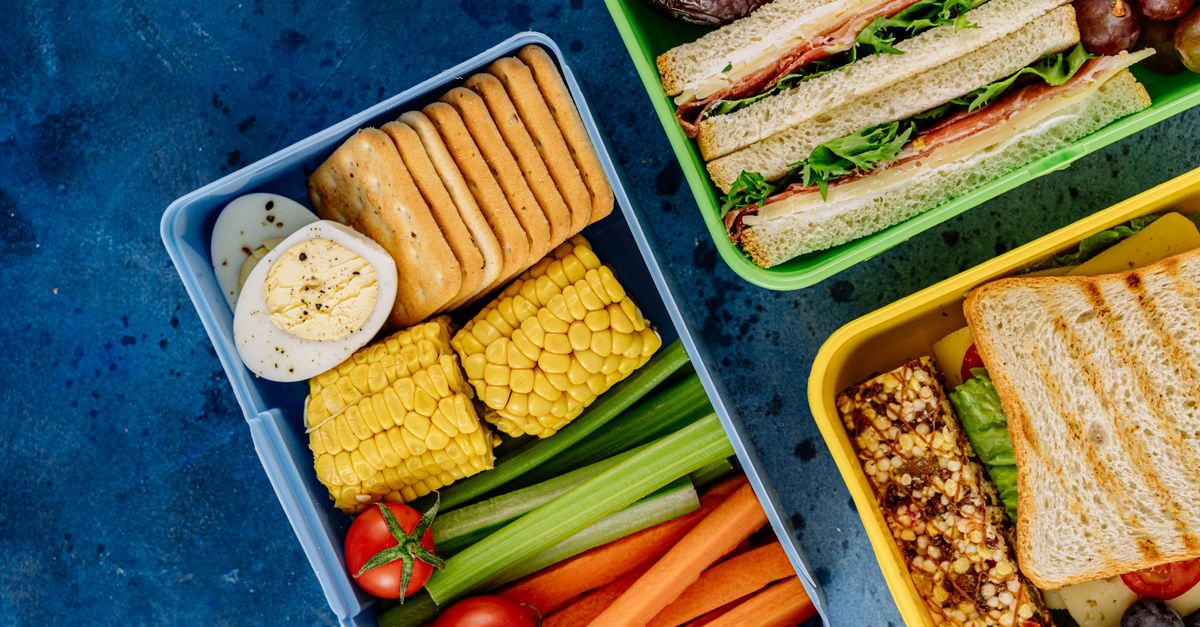
School lunches play a pivotal role in your child’s dental health. The foods and drinks packed in a lunchbox can directly impact the likelihood of developing cavities. Sticky sweets, sugary drinks, and refined starches provide fuel for cavity-causing bacteria and can remain on tooth surfaces for hours, especially during the busy school day. As dental professionals at Centre Dentaire Blanc, we emphasize that a tooth-friendly meal isn’t just nutritious—it is strategically designed to protect enamel and promote lifelong oral health.
To limit cavity risk, focus on packing lunches with a balance of protein, fresh produce, and water. This approach not only reduces sugar exposure but also supports overall wellbeing. Foods rich in calcium, protein, crunchy vegetables, and low-sugar fruits are less likely to stick to teeth or linger in the mouth, making them better choices for children who may not have the opportunity to brush teeth at school. Our team at Centre Dentaire Blanc recommends lunches that are both appealing and protective for growing smiles.
A tooth-friendly school lunch is a meal that nourishes a child while minimizing the risk of cavities and dental erosion. At a clinical level, this means choosing foods and drinks that are low in added sugars, non-sticky in texture, and quick to clear from the mouth. Combining proteins, vegetables, fruits, whole grains, and water creates an ideal environment for oral health. At Centre Dentaire Blanc, we educate parents that every small lunchbox change counts towards healthier teeth and fewer dental visits for fillings.
Lunches packed with sweet, sticky, or starchy items increase the risk of decay in two ways: they provide carbohydrates for oral bacteria to convert into acids, and they may cling to teeth surfaces, especially in hard-to-clean areas. Frequent consumption, more than the quantity, is a major risk factor—children who eat several small sugary or starchy snacks throughout the school day expose their teeth to constant attack. Foods that are crunchy and high in fiber (such as raw carrots or apples) actually help clean tooth surfaces as children chew. Choices made at lunch can influence oral health for the entire afternoon.

Consistent patterns have emerged in the dental literature and clinical practice regarding optimal lunchbox choices. We guide families in Montreal to aim for the following lunch structure for cavity prevention:
Limiting or avoiding certain foods in the lunchbox is as important as choosing the right ones. Our dentists at Centre Dentaire Blanc recommend reducing:
These foods quickly break down into sugars or can stay lodged around teeth and brackets (for those with braces), increasing risk with each lunch period.
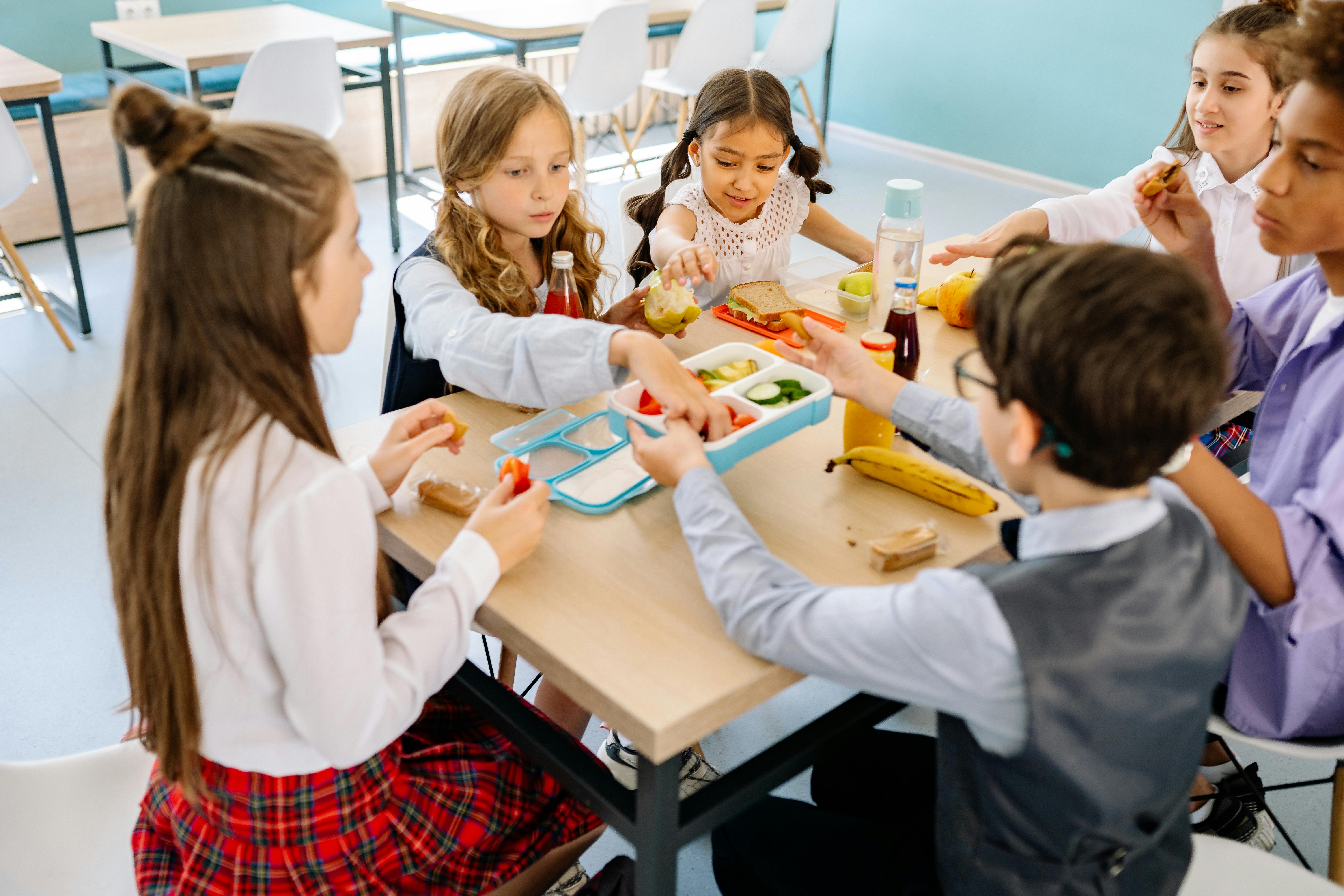
Picky eating doesn’t have to stand in the way of dental health. Begin with familiar foods, gradually making swaps for whole-grain bread, fresh fruit in place of sweet snacks, and proteins like cheese or turkey. Many children enjoy variety—try a snack-style lunch one day, a sandwich another, and offer choices within healthy boundaries. In our clinical experience at Centre Dentaire Blanc, involving children in lunchbox decisions increases acceptance and reduces food waste.
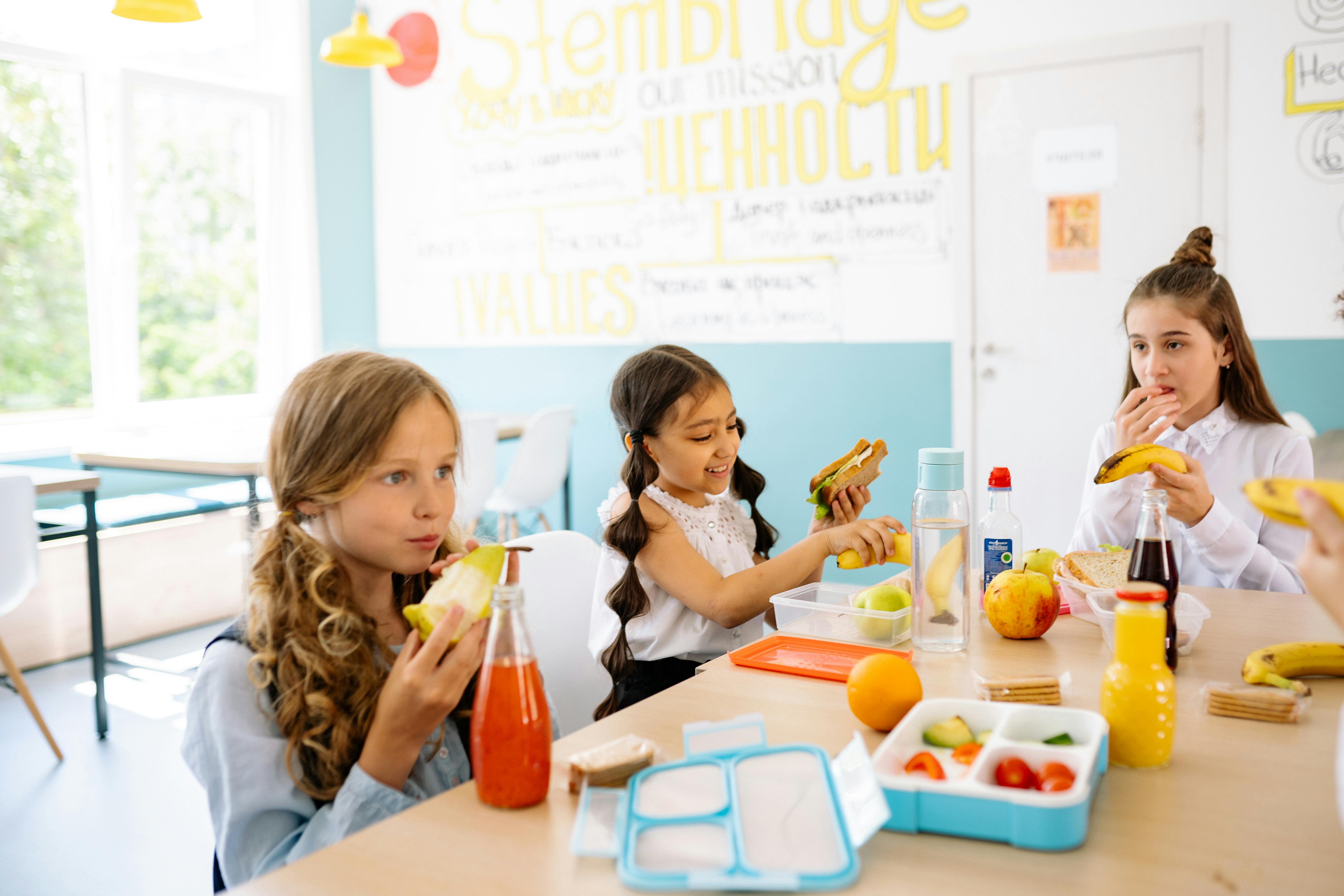
Since few schools provide time or facilities for brushing after meals, prevention starts with lunch content. However, these habits help protect teeth after eating:
This simple rotation ensures variety and keeps lunches engaging and nutritious.
Sticky foods cling to teeth, prolonging exposure to sugars that oral bacteria convert into acids, increasing the risk of enamel breakdown and decay.
Even diluted juice contains enough sugar to feed oral bacteria. Plain water is always preferable for hydration and dental protection.
Cheese raises pH in the mouth, neutralizing acids and providing calcium that helps re-mineralize enamel. It is a tooth-friendly lunch choice, as recommended at Centre Dentaire Blanc.
Whole-grain options break down more slowly in the mouth, create less sugar, and usually have higher fiber, making them less likely to contribute to cavities.
Protein-rich snacks (chicken, cheese, eggs), paired with fruits and vegetables, provide stable energy and protect teeth. Avoid sugary sports drinks post-activity whenever possible.
Try dicing vegetables into fun shapes, offering dips like hummus, and rotating vegetable choices. Bento-style lunches work well for variety and engagement.
Brushing is ideal, but if it’s not possible at school, drinking water and eating crunchy vegetables after lunch helps reduce leftover sugars. Encourage brushing after school and before bed.
Schedule a comprehensive exam at Centre Dentaire Blanc. We can assess current risk, treat existing issues, and give personalized guidance for home and lunchbox habits. See our detailed guide on warning signs to watch for with children’s oral health.
Packing school lunches with dental health in mind offers significant long-term benefits for children’s smiles. Simple changes—like swapping sticky snacks for crunchy vegetables and sending water instead of juice—may drastically reduce the chance of cavities, saving time and minimizing dental appointments throughout childhood. Our commitment at Centre Dentaire Blanc is to support Montreal families with practical, expert-backed advice for every stage, from cavity prevention to advanced treatment.
If you would like more information about cavity prevention, customized dental checkup schedules, or restorative care, our clinics at Saint-Jacques and Jean-Talon are here to help. Explore our services and book your next visit at Centre Dentaire Blanc.