Caring for a temporary crown in Montreal is essential for protecting your tooth and ensuring a smooth transition to your final restoration. Temporary crowns are not as strong or durable as permanent crowns, so specific precautions are needed to avoid discomfort, breakage, or complications. Failure to follow these best practices may result in crown dislodgement, increased sensitivity, or delays in your treatment timeline. At Centre Dentaire Blanc, our dental team provides tailored instructions for every patient receiving a temporary crown, helping people throughout Montreal, Saint Laurent, Côte-des-Neiges–Notre-Dame-de-Grâce, Hampstead, and Westmount avoid common risks in the period before a final crown is placed.
Patients should avoid hard, sticky, or chewy foods, as well as improper cleaning techniques, to minimize mechanical stress and protect the temporary cement holding the crown in place. Understanding exactly what to avoid and how to maintain your oral hygiene helps your temporary crown remain stable, comfortable, and effective until your final appointment.
Definition: What Is a Temporary Crown?
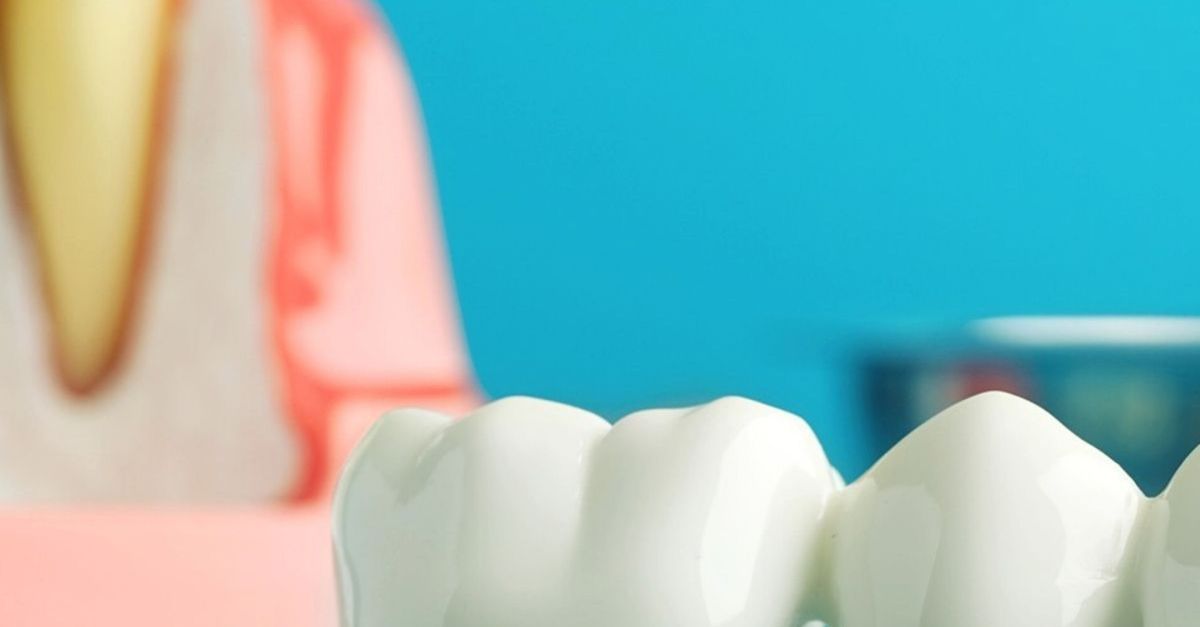
A temporary crown is a short-term protective cap placed over a prepared tooth. It is typically made from acrylic or composite resin rather than high-strength ceramic or zirconia. Temporary crowns are cemented with a weaker, reversible material, allowing easy removal when the final crown is ready. Their main purpose is to protect the tooth structure, reduce sensitivity, maintain gum health, and prevent shifting of neighboring teeth while your permanent restoration is fabricated.
Why Are Temporary Crowns More Vulnerable?
Material: Acrylic or resin is less resistant to chewing pressure and physical impact than ceramic or porcelain crowns.
Cement: Temporary cement is designed for easy removal, so it does not adhere as strongly.
Fit: The crown may not seal the tooth as tightly, increasing the risk of bacteria and food trapping.
Because of these factors, your temporary crown should be considered a short-term solution requiring special care.
Top 10 Things to Avoid With a Temporary Crown
Hard Foods: Nuts, hard candy, ice, granola, popcorn kernels, crusty bread, hard fruits and vegetables, and tough meats can crack or dislodge the crown.
Sticky and Chewy Foods: Caramels, taffy, chewing gum, gummy candies, sticky granola or protein bars, and dried fruits can pull the crown off the prepared tooth.
Chewing on the Crown Side: Always chew on the opposite side to reduce pressure on the temporary crown.
Eating While Still Numb or Before Cement Sets: Wait for numbness to wear off and allow at least 30 minutes after placement before chewing.
Very Hot or Very Cold Foods/Drinks: Extreme temperatures can increase sensitivity and soften the cement.
Sugary and Acidic Beverages: Soda, citrus juices, and energy drinks can seep around the crown’s margin and increase decay risk.
Aggressive Flossing: Do not snap floss up; instead, slide it out sideways to avoid lifting the crown.
Strong Water Jets or Aggressive Brushing: Avoid aiming high-pressure water flossers directly at the crown. Use a soft-bristled brush and clean gently.
Alcohol-based Mouthwash and Tobacco: Alcohol can weaken cement, and tobacco may slow healing or increase inflammation.
Tooth Grinding and Clenching: If you grind or clench, inform your dentist and consider a nightguard to protect both the crown and your natural teeth.
What Can You Safely Eat With a Temporary Crown?
Choose foods that are soft and non-sticky, eating on the side opposite your crown. Recommended options include:
Pasta, soft rice, couscous, or well-cooked grains
Sliced sandwich bread or soft baked goods (avoid crusty breads)
Eggs, fish, tofu, shredded chicken, or slow-cooked meats
Yogurt, soft cheese, cottage cheese
Bananas, ripe pears (cut up), melon, applesauce
Cooked, soft vegetables and soups
Smoothies (with no seeds or hard add-ins)
In Montreal, for example, opt for soft croissants or pancakes cut in small pieces instead of hard bagels or baguettes.
Eating Timeline for Best Protection
First 24 hours: Restrict your diet to soft foods and avoid the crowned side entirely.
Days 2–3: Slowly add other soft foods, but keep avoiding sticky and hard foods.
Until final crown: Follow these precautions throughout the period with your temporary crown.
Oral Hygiene: How to Clean Around a Temporary Crown
Thorough but gentle oral hygiene keeps the tooth under your temporary crown healthy and prevents gum inflammation or decay.
Brushing
Brush at least twice daily, preferably after every meal.
Use a soft-bristled toothbrush and clean carefully along the gumline and over the crown.
Consider three short brushing sessions per day: morning, after lunch, and before bed.
Flossing: Step-by-Step Technique
Slide floss gently between the teeth next to your temporary crown.
Clean both sides, reaching under the gumline.
Instead of pulling floss out vertically, slide it out through the side to avoid catching the edge of the crown.
This technique protects the temporary cement and reduces the risk of crown dislodgement.
What to Do if Your Temporary Crown Feels Loose or Comes Off
Carefully remove the loose crown to avoid swallowing it.
Rinse it with water and place it in a clean container or bag.
Do not use household adhesives, super glue, or nail glue.
If you’re unable to see the dentist right away, you may use a small amount of toothpaste or dental adhesive to temporarily place it back, ensuring you avoid putting pressure on the crown.
Call your dental clinic promptly—preferably the same day or next business day—for professional recementation. Both Centre Dentaire Blanc locations in Montreal accommodate urgent crown visits Monday through Saturday.
How Long Does a Temporary Crown Last?
Most temporary crowns are intended to last between 1–3 weeks, depending on the complexity of your treatment and laboratory timing. In cases of complex dental work, they may remain for a few months (upon the dentist’s recommendation). Good care and dietary choices will help ensure your temporary crown remains secure until your final restoration is ready.
Temporary Crown Care at Centre Dentaire Blanc
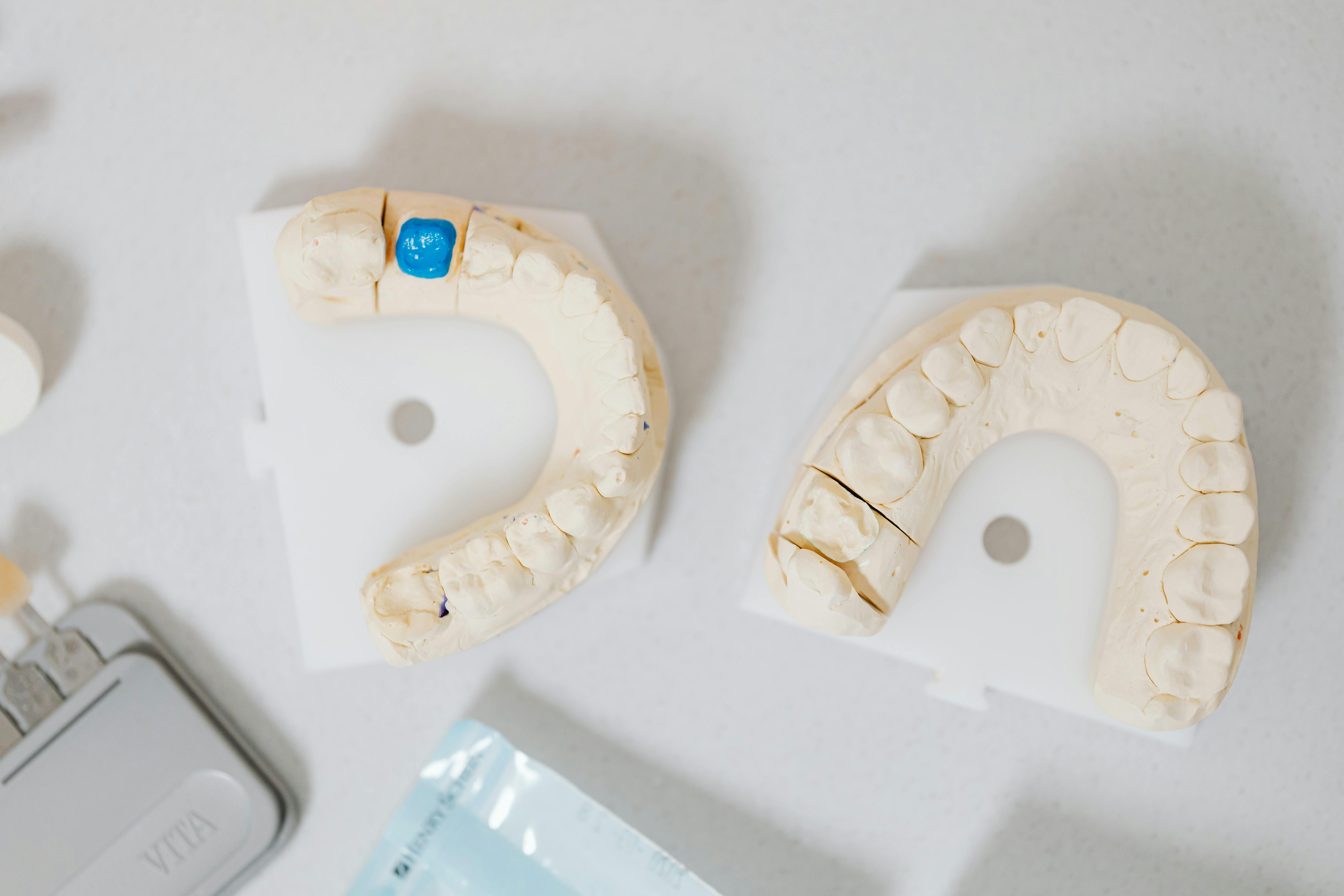
Centre Dentaire Blanc in Montreal specializes in advanced restorative dentistry, including same-day CEREC crowns and lab-fabricated crowns. When placing a temporary crown, our team delivers personalized recommendations to minimize risk and keep your tooth safe. We use digital scanners, CEREC technology, and 3D imaging to ensure precise fit and optimal comfort. Our dentists, trained under Dr. Gabriel Iorgovan and Dr. Dan Munteanu, are continually mentored to maintain the highest clinical standards. We also provide written instructions and photos to clarify the precautions each patient should take.
When to Contact Centre Dentaire Blanc
Pain or discomfort that continues for 48 hours or more
Sharp crown edges that irritate your tongue or cheek
Feeling the crown move or lift when chewing or touching it
The crown comes loose or falls off
We welcome new and returning patients from across Montreal and surrounding neighborhoods at two locations with free parking:
4215 Rue Saint-Jacques, Montréal, QC H4C 1J5 | (514) 933-3368
5001 Rue Jean-Talon O, Montréal, QC H4P 1W7 | (514) 564-4554
Fast follow-up is available for emergencies or planned appointments. Book your visit online or call us if you need temporary crown assistance.
Best Practices Summary
Avoid hard, sticky, chewy foods and chew only on the side opposite your temporary crown.
Wait until numbness passes and at least 30 minutes after the procedure before eating.
Limit very hot, cold, sugary, and acidic drinks.
Brush gently, floss using a sliding motion, and avoid aggressive cleaning tools.
If your crown loosens or dislodges, save it and contact Centre Dentaire Blanc quickly for recementation.
Frequently Asked Questions
How soon can I eat after a temporary crown is placed?
Wait until the numbness fully wears off and at least 30 minutes for the cement to set before chewing. Begin with soft foods.
Can I drink coffee or tea with a temporary crown?
Coffee and tea are fine when consumed at moderate temperatures. Avoid very hot temperatures and do not hold liquids over the crown for a long time.
What should I do if floss catches my crown?
Switch to sliding the floss out sideways instead of lifting it vertically, which can catch and lift the temporary crown.
Is mouthwash safe to use?
Avoid alcohol-based mouthwashes. Use alcohol-free rinses to prevent weakening the temporary cement.
How do I know if my temporary crown needs urgent care?
If your crown comes off, feels loose, or causes sharp pain, contact your dentist promptly for repair or recementation.
Can I clean my temporary crown with an electric toothbrush?
Yes, but use a soft-bristled head and gentle pressure, especially near the gumline and crown margin.
Proper temporary crown care protects your tooth, keeps you comfortable, and ensures the best results at your final visit. For expert guidance or restorative treatment in Montreal and surrounding areas, reach out to Centre Dentaire Blanc—your trusted partner in advanced dental care.